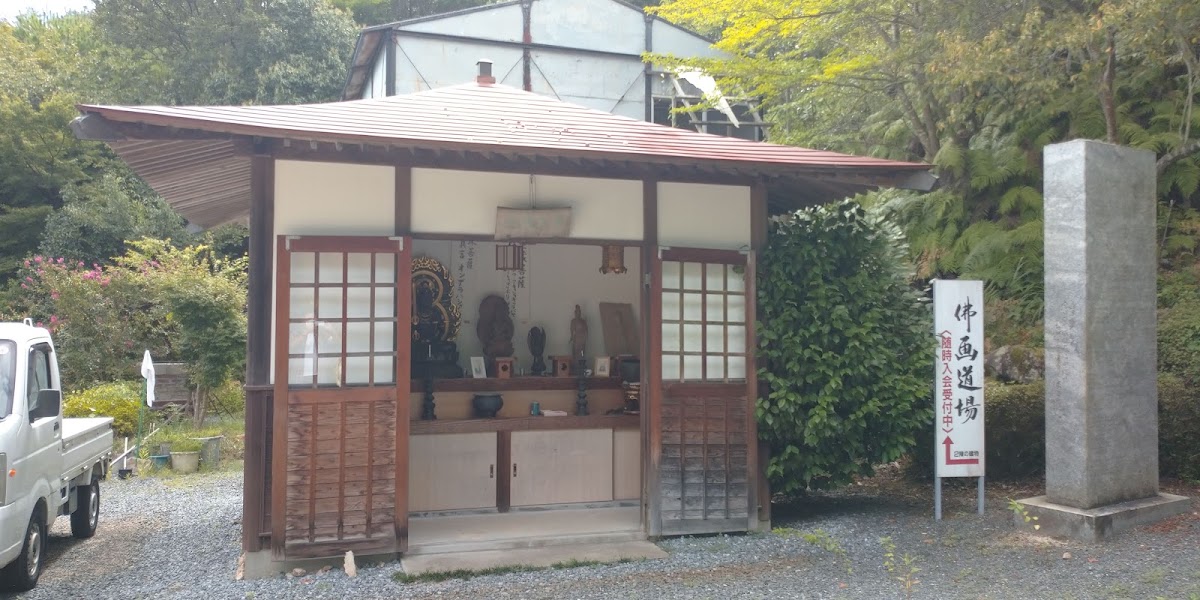
Ube Kannon Senbutsuji Temple (Yamaguchi Prefecture) Complete Guide: The Charm of a Sacred Site Adorned with Peonies and Stone Buddhas, and Visiting Information
Located in the Zenwa district of Ube City, Yamaguchi Prefecture, Ube Kannon Senbutsuji Temple is a relatively new temple with a unique charm, welcoming visitors with its colorful peonies and thousands of stone Buddha statues. As the 17th temple on the Chugoku Rakushou Kannon Pilgrimage, and a rare temple where all seven gods of fortune can be worshipped at once, it is beloved by both locals and visitors from afar.
History and Overview of Ube Kannon Senbutsuji Temple
Founding History
Ube Kannon Senbutsuji Temple was founded in 1974 (Showa 49), making it relatively new, having existed for only about half a century. However, within its short history, it has established a firm position as a center of local faith. The name “Senbutsuji” (Thousand Buddha Temple) originates from the thousand stone Buddha statues enshrined on the temple grounds, and the sight of these statues watching over the entire area is truly awe-inspiring.
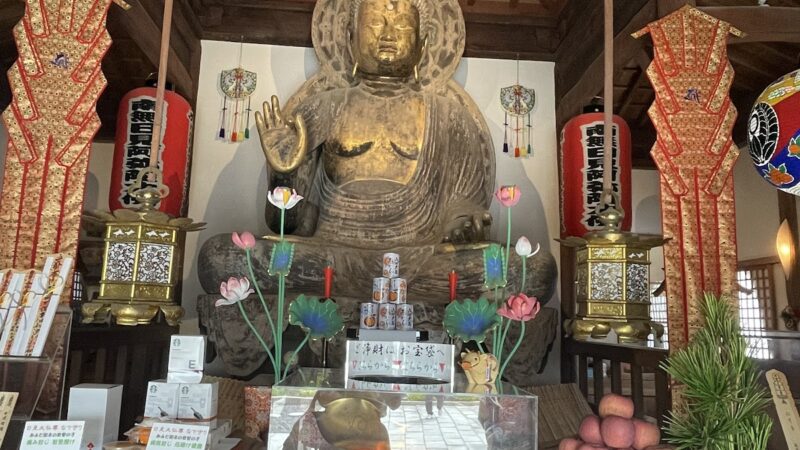
Commonly known as “Ube Kannon,” it is a center of Kannon worship and attracts many visitors. The main hall enshrines the principal image of Buddha along with the Seven Lucky Gods, making it a special sacred site where one can receive the blessings of all seven gods in one place.
17th Temple of the Chugoku Rakuju Kannon Pilgrimage
Ube Kannon Senbutsuji is designated as the 17th temple of the Chugoku Rakuju Kannon Pilgrimage. This pilgrimage route is part of the Kannon pilgrimage that stretches across the Chugoku region (Yamaguchi, Hiroshima, Okayama, Shimane, and Tottori prefectures), and many believers visit it as a pilgrimage route to deepen their faith in Kannon Bodhisattva.
As a pilgrimage site, it also offers Goshuin (temple stamps), making it an important place of worship for pilgrims on the pilgrimage. The tranquil atmosphere of the temple grounds provides the perfect environment for calming the mind and offering prayers to Kannon (Goddess of Mercy).
Highlights of the Temple Grounds
Main Hall and Principal Image
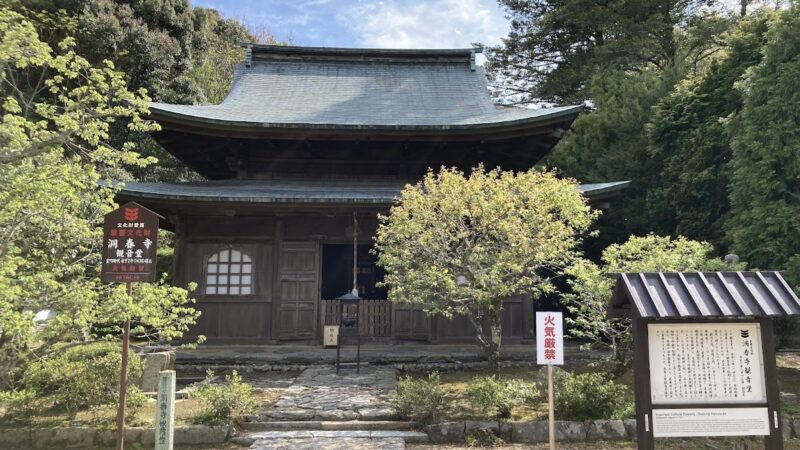
Located on a hill reached by climbing the front stairs, the main hall is a relatively new building. While not large in scale, it exudes a clean and solemn atmosphere. The principal image is enshrined within the main hall, surrounded by the Seven Lucky Gods.
The Seven Lucky Gods are Ebisu, Daikokuten, Bishamonten, Benzaiten, Fukurokuju, Jurōjin, and Hotei, each believed to bring different blessings such as business prosperity, financial luck, success in competitions, artistic talent, and longevity. While a pilgrimage to the Seven Lucky Gods usually requires visiting multiple temples and shrines, Senbutsuji Temple offers the rare opportunity to receive all of their blessings in a single visit.
A Thousand Stone Buddhas
The greatest highlight of the temple grounds is the thousand stone Buddhas, from which the temple derives its name. On the slope at the back of the pond, a vast number of stone Buddhas are densely packed together, creating a scene that truly gives the impression of a thousand Buddhas watching over the temple grounds.
These stone Buddhas possess a variety of expressions, each with its own unique personality. Many visitors can be seen searching for a stone Buddha that resonates with them, or offering heartfelt prayers to each one. Standing before the group of stone Buddhas, one feels a sense of peace and solemnity, as if watched over by countless Buddhas.
Flowers of the Seasons
Peony Garden (April-May)
Ube Kannon Senbutsuji Temple is particularly famous for its peony garden, boasting 1,500 plants of 17 varieties. Every year from April to May, the temple grounds are beautifully adorned with colorful peonies in red, white, yellow, pink, and other hues. Peonies, often called the “king of flowers,” are magnificent blossoms, and the sight of their large flowers blooming all at once is breathtaking.
During the peak season for peonies, many worshippers and tourists visit, enjoying taking photographs. The contrast between the tranquil atmosphere of the temple grounds and the vibrant peonies leaves a deep impression on visitors.
Hydrangeas and Lotus Flowers (June-July)
In early summer, hydrangeas adorn the temple grounds, creating a unique atmosphere characteristic of the rainy season. Lotus flowers also bloom in the pond, displaying a pure beauty that evokes a deep connection to Buddhism. Because lotus flowers bloom purely from the mud, they are considered a symbol of enlightenment in Buddhism, encouraging inner purity among worshippers.
If the timing is right, you can enjoy both hydrangeas and lotus flowers at the same time, making a stroll through the temple grounds in early summer particularly delightful.
The Pond and Vast Grounds
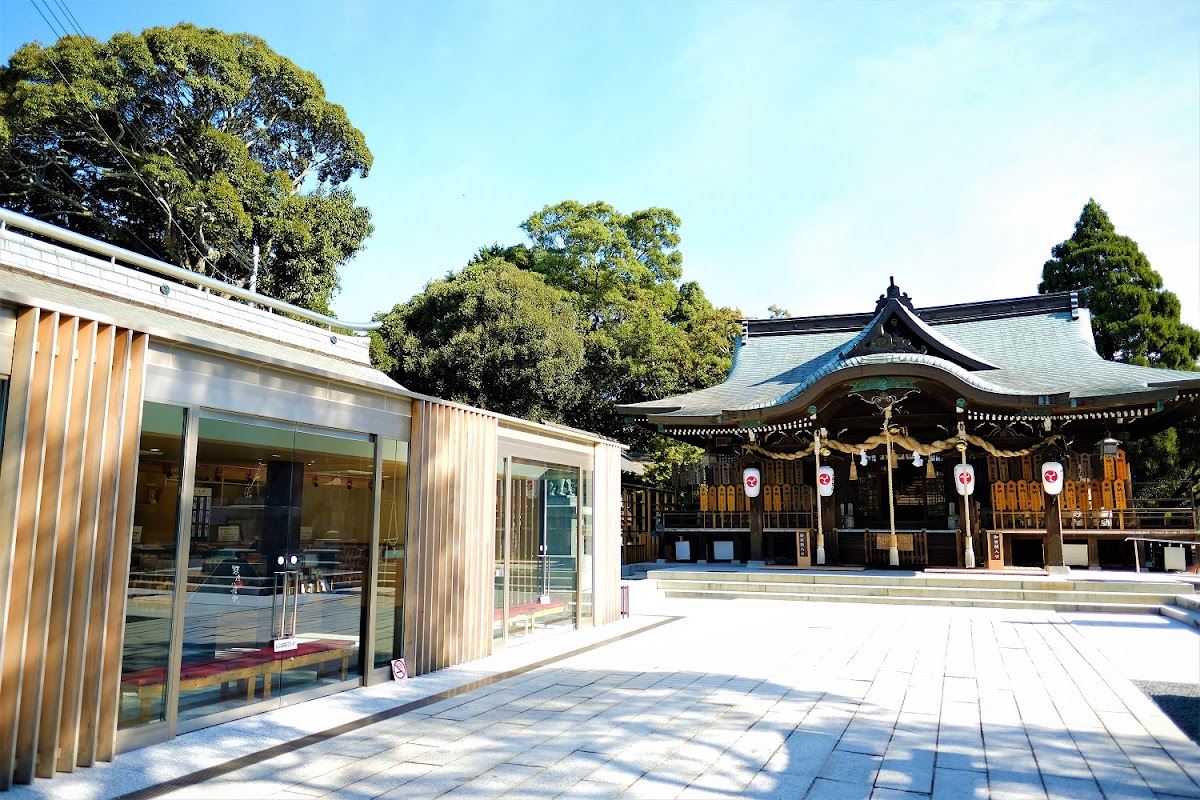
A vast area surrounds the main hall, featuring a garden centered around a pond. A building resembling the temple office can be seen on a hill beyond the pond, creating a harmonious layout throughout the grounds.
Strolling through the grounds, you can enjoy the unique scenery created by the interplay of natural beauty that changes with the seasons, and religious structures such as stone Buddha statues and the main hall. The spacious grounds offer a relaxed atmosphere for worship, and we recommend taking your time to explore them.
The Cats of the Temple Grounds
It is said that 14 cats live on the temple grounds, and many visitors look forward to encountering them. These temple cats, affectionately known as “temple cats,” further enhance the peaceful atmosphere of the grounds.
Some cats are friendly, while others prefer to keep their distance, but all blend naturally into the temple grounds. For animal lovers, this will further enhance the enjoyment of your visit.
Amaterasu Omikami Amulet Mirror for Protection Against Misfortune
A Special Amulet for Self-Purification
A distinctive item bestowed at Ube Kannon Senbutsuji Temple is the “Amaterasu Omikami Amulet Mirror for Protection Against Misfortune.” This mirror is believed to exert various powers and help many people, allowing for self-purification.
The temple recommends keeping this mirror close by as a tool for self-protection, based on the belief that “kind-hearted people tend to bear many misfortunes, grudges, and evil spirits.”
How to Use and the Effects of the Mirror
Mirrors have been considered to possess spiritual power since ancient times, and in Shinto, they are sometimes enshrined as sacred objects. The Amaterasu Omikami Amulet Mirror, imbued with the power of Amaterasu Omikami, the supreme deity in Japanese mythology, is believed to have effects such as warding off misfortune, dispelling evil spirits, and protecting against evil.
By keeping the mirror close by daily and purifying oneself as needed, it is believed that one can protect oneself from negative energy. Those interested can receive a detailed explanation at the temple office during their visit.
Goshuin (Temple Seal) Information
Types and Locations of Goshuin
Ube Kannon Senbutsuji Temple offers a goshuin as the 17th temple on the Chugoku Rakuju Kannon Pilgrimage. The goshuin can be obtained at the temple office and is received by many visitors as proof of their visit and as a record of their pilgrimage.
The goshuin includes the temple name, pilgrimage number, and date of visit, written in ink and stamped with a red seal. While there may be slight differences depending on the calligrapher, a carefully written goshuin becomes a precious memento of your visit.
About Goshuincho (Goshuin Books)
Even if you don’t have a goshuincho, you may be able to purchase one at the temple. Many people also use goshuincho specifically for the Chugoku Rakuju Kannon Pilgrimage.
When receiving a goshuin, it is considered good manners to complete your prayers before going to the temple office. Remember that a Goshuin (temple/shrine stamp) is proof of your visit, not a stamp rally item, and receive it with respect.
Access and Transportation Information
Access by Car
From the Sanyo Expressway
- Approximately 5 minutes by car from the Sanyo Expressway “Ube IC”
- Access from the IC is good. Setting “Ube Kannon Senbutsuji” or the address “210 Zenwa, Ube City” on your car navigation system will ensure you arrive without getting lost.
Parking
- There is parking space on the temple grounds.
- During peak seasons such as the peony blooming season, it is recommended to visit earlier in the day when crowds are expected.
Access by Public Transportation
If using JR
- Approximately 15 minutes by local bus from JR Ube Line “Kounan Station” or “Koto Station”.
- The temple is within walking distance from the bus stop, but since the number of buses is limited, it is recommended to check the timetable in advance.
If using the Bus
- Get off at “Senbutsuji-mae” or the nearest bus stop using Ube City Bus or a private bus.
- Since bus services are limited, it’s a good idea to check the return schedule in advance.
Access Notes
Public transportation is somewhat inconvenient, so visiting by car is recommended. If using a taxi, it’s generally best to depart from JR Kounan Station or Koto Station. Renting a car and visiting nearby tourist spots in conjunction with your trip is also recommended.
Basic Information
Official Name: Daihonzan Ube Kannon Senbutsuji (Senbutsuji Temple)
Address: 210 Zenwa, Ube City, Yamaguchi Prefecture 755-0005
Phone Number: 0836-62-0583
Sect: While information varies, it is a temple centered on Kannon worship.
Pilgrimage Site: 17th temple of the Chugoku Rakuju Kannon Pilgrimage
Visiting Hours: Daytime (It is recommended to check with the temple for details)
Admission Fee: Free (Amulets and Goshuin stamps are extra)
Parking: Available (Free)
Official Website: https://senbutsuji.com/
Points and Manners for Visiting
Flow of Visiting
- From Parking Lot or Entrance to the Temple Grounds: First, take in the overall atmosphere of the temple grounds.
- Purify yourself at the water basin: If there is a water basin, purify your hands and mouth.
- Pray at the main hall: Climb the front stairs and pray to the main deity and the Seven Lucky Gods at the main hall.
- Stroll around the temple grounds: Visit the stone Buddha statues, peony garden, pond, etc.
- Receive a Goshuin (temple stamp) or amulet at the shrine office: If you wish to receive one, go to the shrine office.
Manners when visiting
- The temple grounds are a sacred place, so please pray quietly.
- Photography is permitted, but please refrain from taking pictures in areas where photography is prohibited, such as inside the main hall.
- There are cats, but please do not touch or chase them.
- Please be careful not to break flowers such as peonies or climb on the stone Buddha statues.
- Please take your trash with you.
Best time to visit
Best time to see peonies (April to early May)
The time when the most visitors come is from April to early May, when the peonies are in full bloom. The sight of 1500 peony bushes blooming simultaneously is breathtaking, offering a special view only available at this time of year. Since the blooming period varies depending on the weather, it’s recommended to check the blooming status with the temple before visiting.
Hydrangea and Lotus Season (June-July)
During the rainy season, hydrangeas are beautiful, and the lotus flowers in the pond are also in full bloom. Hydrangeas are especially vibrant on rainy days, allowing you to enjoy the tranquil atmosphere of the temple grounds.
Spring Greenery and Autumn Leaves Season
The natural beauty of the temple grounds during the spring greenery and autumn foliage seasons is also stunning, making it ideal for a quiet visit. It’s relatively less crowded, allowing for a relaxed and peaceful experience.
Nearby Tourist Attractions
Tokiwa Park and Tokiwa Zoo
A representative tourist spot in Ube City, this is a comprehensive park centered around the vast Tokiwa Lake. Tokiwa Zoo, based on the concept of “habitat exhibits,” allows visitors to observe animals living in environments close to their natural habitats. Enjoy seasonal flowers and visit this popular spot for families.
Kotozaki Hachimangu Shrine
A representative shrine of Ube City, offering blessings for protection against misfortune, safe childbirth, and traffic safety. The shrine grounds feature beautiful buildings, attracting many visitors for New Year’s prayers and Shichi-Go-San (a traditional Japanese rite of passage for children).
Ube City Center
The city center of Ube boasts numerous shopping malls and restaurants, making it convenient for meals and shopping after visiting the shrine. Local cuisine, such as Ube ramen, is also available.
Kiwa-ra Beach (Kirara Beach)
A beach perfect for swimming and marine sports, bustling with beachgoers during the summer. It’s also known as a spot to enjoy beautiful sunsets.
Ube City’s Specialty Products and Cuisine
Ube Ramen
Ube City’s local ramen, characterized by its pork bone-based broth. Many ramen shops in the city offer their own unique flavors.
Kamaboko (Fish Cake)
Ube City has a thriving seafood processing industry, and kamaboko made from fresh fish is a local specialty. It’s a popular souvenir.
Ube’s Famous Sweets
There are many famous sweets made by local Japanese confectionery shops, perfect as souvenirs or mementos of your visit.
Accommodation Information
Hotels in Ube City
Ube City’s city center offers a variety of accommodations, from business hotels to city hotels. The areas around Ube-Shinkawa Station and Ube Station are convenient.
Hot Springs
With a short trip, Yamaguchi Prefecture also boasts hot spring resorts such as Yuda Onsen, allowing you to enjoy travel plans that combine hot springs and sightseeing.
Summary
Ube Kannon Senbutsuji Temple, while a relatively new temple founded only half a century ago, is a sacred site with a unique charm not found elsewhere, featuring a thousand stone Buddha statues, the Seven Lucky Gods, and 1,500 peony plants. As the 17th temple on the Chugoku Rakuju Kannon Pilgrimage and a center of local faith, it is beloved by many worshippers.
The temple grounds, which display different expressions in each season—from the peonies in spring, to the beautiful hydrangeas and lotus flowers in early summer, and the tranquil autumn and winter—offer new discoveries with every visit. Its convenient access, approximately 5 minutes by car from the Sanyo Expressway Ube Interchange, is also a major draw, making it a must-visit spot when sightseeing in Yamaguchi Prefecture.
With its rare opportunity to pay homage to all seven gods of fortune at once, the solemn atmosphere watched over by a thousand stone Buddha statues, and the beautiful grounds adorned with seasonal flowers, Ube Kannon Senbutsuji Temple is one of Yamaguchi Prefecture’s representative pilgrimage sites, warmly welcoming worshippers seeking peace of mind and blessings.
Frequently Asked Questions (FAQ)
Q1: Is there an entrance fee to Ube Kannon Senbutsuji Temple?
A1: Entry to the temple grounds is free. However, there is a separate fee for items such as Goshuin (temple stamps) and amulets. You can freely visit the temple, so feel free to drop by.
Q2: When is the best time to see the peonies?
A2: The best time to see the peonies is usually from April to early May. 1,500 peony plants of 17 varieties bloom, offering a variety of colors including red, white, yellow, and pink. Since the blooming period varies depending on the weather, we recommend checking with the temple before visiting.
Q3: Can I get a Goshuin?
A3: Yes, we offer Goshuin as the 17th temple on the Chugoku Rakuju Kannon Pilgrimage. You can get one at the temple office, but they may be absent, so we recommend calling ahead to ensure you receive one.
Q4: Is there parking?
A4: There is free parking on the temple grounds. During peak seasons such as the peony season, when crowds are expected, we recommend visiting earlier in the day.
Q3: Can I get a Goshuin?
A3: Yes, we offer Goshuin as the 17th temple on the Chugoku Rakuju Kannon Pilgrimage. You can get one at the temple office, but they may be absent, so we recommend calling ahead to confirm if you want to be sure to get one.
Q4: Is there parking available?
A4: There is free parking on the temple grounds. During peak seasons such as the peony season, when crowds are expected, we recommend visiting earlier in the day. ### Q5: Is it easy to access by public transport?
A5: It’s about a 15-minute bus ride from JR Kounan Station or Koto Station, but since the number of buses is limited, access by car is more convenient. If you use public transport, we recommend checking the bus timetable in advance.
Q6: Is it true that you can pay your respects to all seven gods of fortune?
A6: Yes, it’s true. The seven gods of fortune (Ebisu, Daikokuten, Bishamonten, Benzaiten, Fukurokuju, Jurojin, and Hotei) are enshrined in the main hall along with the principal image of Buddha, allowing you to receive the blessings of all seven in a single visit. This is very rare and one of the major features of Senbutsuji Temple.
Q7: I heard there are cats on the temple grounds?
A7: Yes, it is said that there are about 14 cats living on the temple grounds. Some cats are used to visitors, but please refrain from touching or chasing them, and simply observe them quietly. The cats have also blended naturally into the shrine grounds.
Q8: What is the Amaterasu Omikami厄除け Mirror?
A8: It is a special amulet that allows you to purify yourself, and is said to be a mirror imbued with the power of Amaterasu Omikami. It is believed to have effects such as warding off evil, dispelling negative energy, and protecting against evil spirits, and is given as a tool to keep close to you to protect yourself. Please inquire at the shrine office for more details.