Complete Guide to Kotozaki Hachimangu Shrine | Thorough Explanation of Goshuin (Shrine Seals), Blessings, Access, and History
Kotozaki Hachimangu Shrine, located in Ube City, Yamaguchi Prefecture, is a venerable shrine boasting a history of over 1000 years. Affectionately known as “Kotozaki-san” by the local people, it is known for its many blessings, including matchmaking, safe childbirth, and protection from evil. This article provides detailed information you should know before visiting, including the history of Kotozaki Hachimangu Shrine, its enshrined deities, blessings, goshuin (shrine seals), annual events, and access methods.
What is Kotozaki Hachimangu Shrine?
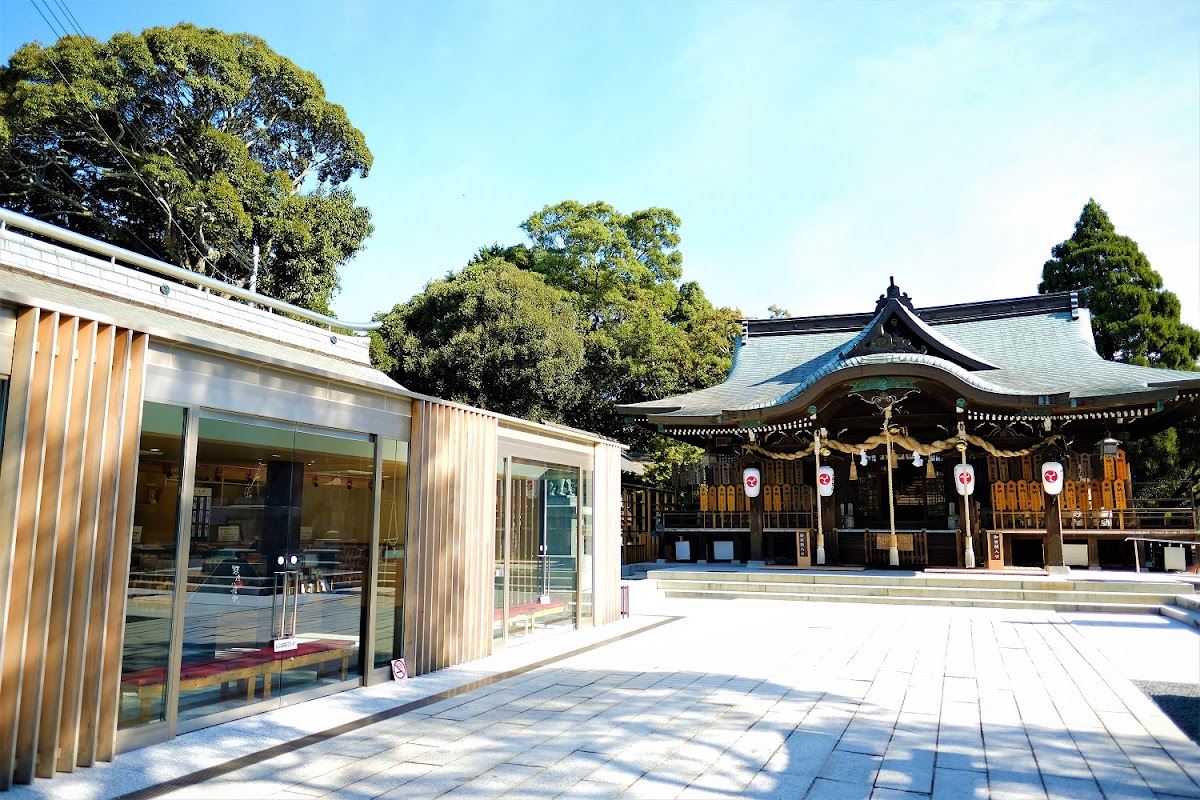
Kotozaki Hachimangu Shrine is located in Kami-Ube Oshoji, Ube City, Yamaguchi Prefecture. It is known as one of the oldest and most prestigious shrines in Ube City. The vast grounds include the main hall and numerous subsidiary shrines, allowing visitors to enjoy the beauty of nature throughout the seasons.
Locally known as “Kotozaki-san” or “Kotozaki no Hachiman-san,” this shrine is a popular destination for many people visiting for important life events such as New Year’s prayers, Shichi-Go-San (a traditional rite of passage for children), and exorcisms. Its beautiful scenery and tranquil atmosphere also make it a popular place to visit for those seeking peace of mind.
History of Kotozaki Hachiman Shrine
Kotozaki Hachiman Shrine dates back to the Heian period. According to shrine tradition, it was established in 859 AD (Jogan 1) by inviting a deity from Usa Hachiman Shrine, making it an ancient shrine with over 1000 years of history.
Initially located closer to the sea than its current location, it was moved to its present site over time. The name “Kotozaki” is said to originate from the fact that the coastline of this area resembled the shape of a koto (Japanese harp).
In the Middle Ages, it was revered by the Ouchi clan, the shugo daimyo (provincial governor) of Suo Province, and during the Edo period, it flourished under the patronage of the Mori clan. Following the Meiji-era separation of Shinto and Buddhism, the shrine established its current status and continues to serve as the guardian shrine of the region.
After World War II, along with the development of Ube City, Kotozaki Hachimangu Shrine also underwent improvements, with renovations to the shrine buildings and grounds carried out throughout the Showa and Heisei eras. Currently, it boasts one of the highest numbers of visitors among shrines in Yamaguchi Prefecture.
Deities and Benefits
Main Deities
The main deities of Kotozaki Hachimangu Shrine are the following three:
Emperor Ojin
The 15th Emperor, widely worshipped as Hachiman-sama. Known as the god of military fortune and victory, he is also revered as the god of industrial development.
Empress Jingu
Emperor Ojin’s mother, worshipped as the goddess of safe childbirth and child-rearing. She is also revered as a woman of great military prowess and as a guardian deity of women.
Tamayorihime-no-Mikoto
She is the mother of Emperor Jimmu and is known as the goddess of matchmaking, safe childbirth, and child-rearing.
These three deities are collectively called “Hachiman-Okami” and have been widely worshipped since ancient times as the guardian deity of samurai families and as the protector of the lives of ordinary people.
Benefits of Kotozaki Hachimangu Shrine
Kotozaki Hachimangu Shrine is believed to offer the following benefits:
Matchmaking and Fulfillment of Good Relationships
Due to the divine virtues of Tamayorihime-no-Mikoto, the shrine is constantly visited by people seeking good relationships. It is recommended not only for those seeking success in love, but also for those wishing for good relationships in all aspects of human relationships.
Safe Childbirth and Conception
Due to the divine virtues of Empress Jingu, the shrine is believed to offer blessings for safe childbirth and conception. Many pregnant women visit on the Day of the Dog for safe childbirth prayers.
Protection from Misfortune and Unfavorable Directions
Due to the powerful divine influence of Hachiman-sama, it is believed to be effective in warding off misfortune during unlucky years and protecting against unfavorable directions.
Good Fortune in Competitions and Career
Due to the divine virtues of Emperor Ojin, it is believed to bring good fortune in all aspects of competition, including business success, passing exams, and victory in sports.
Family Safety and Traffic Safety
Many people pray for the health and safety of their families and for traffic safety.
Business Prosperity
It is also known for its blessings of business prosperity, attracting strong devotion from local merchants and industrialists.
Highlights of the Shrine Grounds
Main Hall and Worship Hall
The main hall of Kotozaki Hachiman-gu Shrine is a magnificent building constructed in the traditional style of shrine architecture. The worship hall is a place where worshippers offer their prayers, and it is built with a dignified style. In particular, the beautiful curves of the roof and the intricate carvings are magnificent, and it has value as architectural art.
Torii Gate and Approach
A magnificent torii gate stands at the entrance to the shrine grounds, and the approach leading from there to the main hall is paved with gravel, creating a pure and serene atmosphere. Hundreds of years old trees line both sides of the approach, displaying different expressions throughout the seasons.
In spring, cherry blossoms bloom; in summer, it provides deep shade; in autumn, the leaves are beautiful; and in winter, it is enveloped in a crisp silence.
Subsidiary Shrines
In addition to the main hall, several subsidiary shrines are enshrined within the grounds of Kotozaki Hachimangu Shrine:
Inari Shrine
Worshipped as the god of business prosperity and abundant harvests. The row of vermilion torii gates is a popular photo spot.
Tenmangu Shrine
Dedicated to Sugawara no Michizane, the god of learning, this shrine is frequently visited by students and their families.
Kotohira Shrine
Worshipped as the god of maritime safety and traffic safety. These subsidiary shrines are also bustling with worshippers seeking their respective blessings.
Water Basin
Located along the approach to the shrine, the water basin is a place to purify your body and mind before praying. It features a traditional design with clear water flowing from the mouth of a dragon. Follow the proper etiquette to purify your hands and mouth before praying.
Shrine Office/Amulet Shop
This is where you can receive Goshuin (shrine stamps), amulets, and fortune slips. Seasonal limited-edition amulets and Goshuin are also available, making this a must-see spot during your visit.
Goshuin and Amulets
Kotozaki Hachimangu Shrine’s Goshuin
At Kotozaki Hachimangu Shrine, you can receive a Goshuin as proof of your visit. Goshuin are available at the shrine office’s amulet shop. In addition to the regular Goshuin, special seasonal limited-edition Goshuin are sometimes offered.
Regular Goshuin (Shrine Seal)
A simple yet dignified design with the words “Kotozaki Hachimangu” written in ink and stamped in red in the center. The offering fee is usually around 300 yen.
Seasonal Limited Goshuin (Shrine Seal)
During special times such as New Year’s, cherry blossom season, Shichi-Go-San (children’s festival), and the annual festival, limited-edition goshuin designs are sometimes given out. The colorful decorations and designs featuring seasonal flowers are popular among goshuin collectors.
When receiving a goshuin, it is customary to bring your goshuincho (goshuin notebook). If you do not have one, you can purchase one at the shrine office. Kotozaki Hachimangu also offers its own original goshuincho, featuring a beautiful design.
Amulets and Prayers
Kotozaki Hachimangu offers various types of amulets:
Matchmaking Amulet
An amulet for those wishing for a good match, popular for its cute design.
Safe Childbirth Amulet
An amulet to protect pregnant women and their unborn babies.
Exorcism Amulet
This amulet wards off evil and protects those in their unlucky year from misfortune.
Academic Success Amulet
This amulet prays for academic success for students and those taking exams.
Traffic Safety Amulet
Available in types that can be attached to cars or motorcycles, and portable versions.
Health Amulet
This amulet prays for the health of the family.
We also accept individual prayers. We offer prayers for various occasions, including safe childbirth, first shrine visit for a newborn, Shichi-Go-San (children’s festival), exorcism, family safety, and business prosperity. If you wish to have a prayer performed, we recommend contacting the shrine office in advance to make a reservation.
Annual Events and Festivals
Kotozaki Hachimangu Shrine holds various festivals and events throughout the year.
Main Annual Events
Hatsumode (January 1st-3rd)
This is the most important event for welcoming the new year. Many worshippers visit the shrine for Hatsumode from New Year’s Day through the first three days of the year. The temple grounds are filled with food stalls, creating a lively atmosphere.
Setsubun Festival (around February 3rd)
Bean-throwing is performed to ward off evil and invite good fortune. Beans are thrown with the chant of “Good fortune in, demons out!”
Spring Grand Festival (April)
An important festival celebrating the arrival of spring. Shinto rituals are performed, and various offerings are made within the temple grounds.
Summer Purification Ceremony (June 30th)
A Shinto ritual to purify and cleanse away the sins and impurities accumulated over the past six months. A ritual of passing through a ring of reeds is performed, with worshippers praying for good health and protection from illness.
Autumn Grand Festival (September-October)
One of the most important festivals of the year. A procession of portable shrines and offerings take place, and the entire community is enveloped in a festive atmosphere.
Shichi-Go-San (November)
This is a celebration of children’s growth, and many families visit the shrine. Children in kimonos can be seen throughout the grounds.
Year-End Purification Ceremony (December 31st)
This is a Shinto ritual to purify oneself of the sins and impurities of the past year, and to welcome the new year with a pure heart.
Monthly Festival
Monthly festivals are held on the 1st and 15th of each month, praying for the peace and well-being of parishioners and worshippers.
Shrine Visit Etiquette and Manners
When visiting a shrine, it is important to observe proper etiquette and manners.
Basic Shrine Visit Etiquette
1. Bow Before Passing Through the Torii Gate
The torii gate is the entrance to the sacred area. Bow before passing through to show respect to the gods.
2. How to Walk Along the Shrine Path
The center of the shrine path is called “Seichu” and is considered the path of the gods. Worshippers should avoid the center and walk on either the left or right side.
3. Proper Ritual of Washing Hands
At the washbasin, purify yourself in the following order:
- Hold the ladle in your right hand and wash your left hand.
- Switch the ladle to your left hand and wash your right hand.
- Switch the ladle back to your right hand, receive water in your left hand, and rinse your mouth.
- Wash your left hand once more.
- Hold the ladle upright, let water flow over the handle, and return it to its original place.
4. Worship at the Main Hall (Two Bows, Two Claps, One Bow)
- Quietly place your offering in the offering box.
- Ring the bell if there is one.
- Bow deeply twice.
- Clap your hands twice.
- State your wish silently.
- Finally, bow deeply once.
5. When Leaving
After finishing your worship, turn around and bow once after passing through the torii gate.
Manners for Visiting the Shrine
- Please be quiet and refrain from speaking loudly on the shrine grounds.
- Please take photographs only in designated areas.
- Pets are generally prohibited (except for service animals such as guide dogs).
- Smoking and eating are permitted only in designated areas.
- Please take all your trash with you.
- Please be mindful that this is a sacred place and act with respect.
Access and Parking Information
Location
Address: 755-0091 Kami-Ube Osho-ji, Ube City, Yamaguchi Prefecture
Access by Train
From JR Ube Line “Ube-Shinkawa Station”
- Approximately 15 minutes on foot
- Approximately 5 minutes by taxi
From JR Sanyo Main Line “Ube Station”
- Approximately 20 minutes by bus, get off at “Kotozaki Hachimangu-mae” bus stop, short walk
- Approximately 15 minutes by taxi
Access by Car
From Sanyo Expressway “Ube IC”
- Approximately 15 minutes
From Ube-Minami IC on the Yamaguchi-Ube Expressway
- Approximately 10 minutes
When using a car navigation system, please search for “Kotozaki Hachimangu Shrine” or enter the address or phone number.
Parking
Kotozaki Hachimangu Shrine has a free parking lot for visitors. There is space for approximately 100 regular-sized cars.
Notes on Parking:
- Temporary parking lots may be opened during busy periods such as New Year’s Day and the annual festival.
- The shrine is especially crowded during the Shichi-Go-San season (November) and on the Day of the Dog, so it is recommended to visit with plenty of time to spare.
- If you plan to visit by large bus, please contact the shrine office in advance.
Access by Bus
Take the Ube City Bus or Funaki Railway Bus and get off at the “Kotozaki Hachimangu-mae” bus stop. Kotozaki Hachimangu Shrine is right in front of you. Bus timetables can be checked on the Ube City Transportation Bureau website.
Nearby Tourist Attractions
When visiting Kotozaki Hachimangu Shrine, why not also explore the nearby tourist attractions?
Tokiwa Park
Located about a 10-minute drive from Kotozaki Hachimangu Shrine, this is a representative comprehensive park of Ube City. The vast grounds include Tokiwa Lake, a zoo, an amusement park, and an art museum, offering a full day of enjoyment. The scenery is particularly beautiful during cherry blossom and autumn foliage seasons.
Ube City Library
A beautiful library designed by architect Tadao Ando. The building itself is a work of art, making it a popular spot for architecture enthusiasts.
Ube City Coal Museum
A facility where you can learn about the history of the coal industry that supported the development of Ube City. Models of coal mines and historical documents are on display, allowing you to learn about the region’s history.
Shinjima River Park
A park developed along the Shinjima River, which flows through the center of Ube City, and is known as a famous cherry blossom viewing spot. In spring, approximately 500 cherry trees bloom, attracting many visitors for cherry blossom viewing.
Restaurants in Ube City
Ube City boasts numerous delicious gourmet spots. Restaurants serving dishes made with fresh local seafood and regional cuisine from Yamaguchi Prefecture are scattered throughout the area. There are also restaurants around Kotozaki Hachimangu Shrine, so please stop by after your visit.
Best Season for Visiting Kotozaki Hachimangu Shrine
Kotozaki Hachimangu Shrine can be visited year-round, but each season offers a different charm.
Spring (March-May)
The cherry blossoms in the shrine grounds are in full bloom, making it one of the most beautiful seasons. Visiting the shrine under the cherry blossoms is exceptional and perfect for photography. The Spring Grand Festival is also held, creating a lively atmosphere.
Summer (June-August)
The fresh greenery is beautiful, and the shade of the trees provides a cool respite. The summer purification ceremony, where people pass through a ring of reeds, is a beloved summer tradition. However, since it gets hot during the day, early morning or evening visits are recommended.
Autumn (September-November)
This is the most important season, when the Autumn Grand Festival is held. The trees on the shrine grounds turn red, creating a beautiful landscape. It is also the season for Shichi-Go-San (a traditional Japanese rite of passage for children), and the sight of children in kimonos is heartwarming. The weather is mild, making it an ideal time to visit.
Winter (December-February)
The New Year’s visit season is the busiest time of year. Visiting in the crisp, cold air is a solemn experience. The bean-throwing ceremony at the Setsubun Festival is also a winter tradition. Be sure to dress warmly when you visit.
Frequently Asked Questions
What are the visiting hours?
The grounds of Kotozaki Hachimangu Shrine are generally open 24 hours a day, but the shrine office is usually open from 9:00 to 17:00. Please visit during these hours if you wish to receive a Goshuin (temple/shrine stamp), amulet, or request a prayer.
Is a reservation necessary for prayers?
Individual prayers are accepted without a reservation, but there may be a waiting time. Especially on the Day of the Dog, during the Shichi-Go-San season, and during unlucky years, it gets crowded, so we recommend making a reservation by phone in advance. Group prayers always require advance reservations.
How much is the offering fee?
The offering fee for prayers varies depending on the content of the prayer, but generally starts from 5,000 yen. Please inquire at the shrine office for details. The offering fee for amulets and Goshuin is around a few hundred to 1,000 yen.
When is the best time to visit for Shichi-Go-San?
While November 15th is the official date for Shichi-Go-San, many people nowadays visit on a convenient day between mid-October and late November. Weekends and holidays are especially crowded, so please consider visiting on a weekday.
Can I bring my pet (dog, etc.) to the shrine?
As shrines are sacred places, we generally ask that you refrain from bringing pets. However, assistance dogs such as guide dogs and service dogs are permitted. If you bring your pet, we recommend that you have them wait outside the shrine grounds or that family members take turns attending the ceremony.
Can I have a wedding ceremony here?
Kotozaki Hachimangu Shrine can host Shinto wedding ceremonies. You can have a traditional Shinto ceremony in a solemn atmosphere. Please contact the shrine office for details.
Summary
Kotozaki Hachimangu Shrine is a historic shrine in Ube City, Yamaguchi Prefecture, with a history of over 1000 years. It offers various blessings, including matchmaking, safe childbirth, protection from evil, and good fortune in competitions, and is affectionately known as “Kotozaki-san” by the locals.
It boasts beautiful grounds, dignified shrine buildings, the beauty of nature throughout the seasons, and numerous subsidiary shrines, offering plenty to see. The shrine offers a wide variety of goshuin (temple/shrine stamps) and amulets, making them popular souvenirs of visits.
Various festivals and events are held throughout the year, ensuring that each visit offers something new to discover. It continues to be cherished by many as a place to visit for life’s milestones, such as New Year’s visits, Shichi-Go-San (a traditional rite of passage for children), and exorcisms, as well as a place to express daily gratitude.
When visiting Ube City, be sure to stop by Kotozaki Hachimangu Shrine. The time spent quietly offering prayers in the shrine grounds, enveloped in a weight of history and a sacred atmosphere, will surely be a memorable experience.
With easy access and ample parking, it’s conveniently located for both car and train travel. There are also many tourist attractions nearby, so enjoy the charm of Ube City along with your visit to the shrine.
We sincerely pray that Kotozaki Hachimangu Shrine will become a spiritual haven for you and that your wishes will be granted.