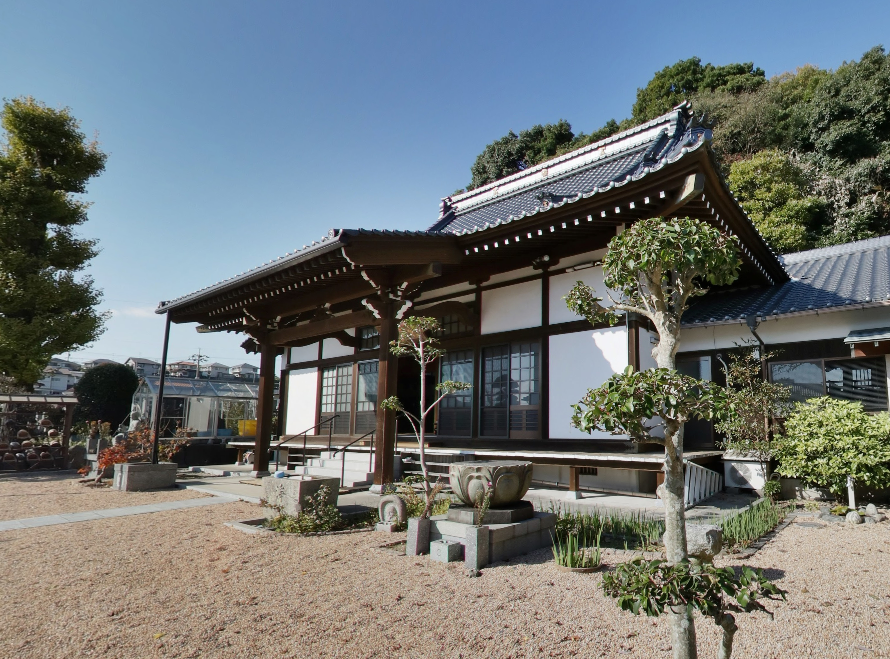
Complete Guide to Shoshinji Temple (Kudamatsu City, Yamaguchi Prefecture) | History, Perpetual Memorial Services, Access, and Funeral Information
Shoshinji Temple, located in Kudamatsu City, Yamaguchi Prefecture, is a historic temple belonging to the Soto Zen sect. Equipped with perpetual memorial graves, a columbarium, and funeral facilities, it has long been a cherished place of faith for the local community. This article provides a comprehensive overview of Shoshinji Temple, including its history, characteristics, memorial service forms, access methods, and estimated costs.
Basic Information and Overview of Shoshinji Temple
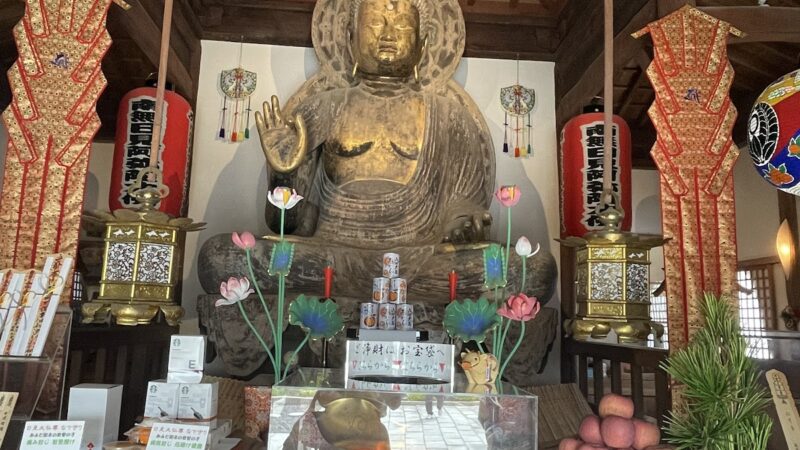
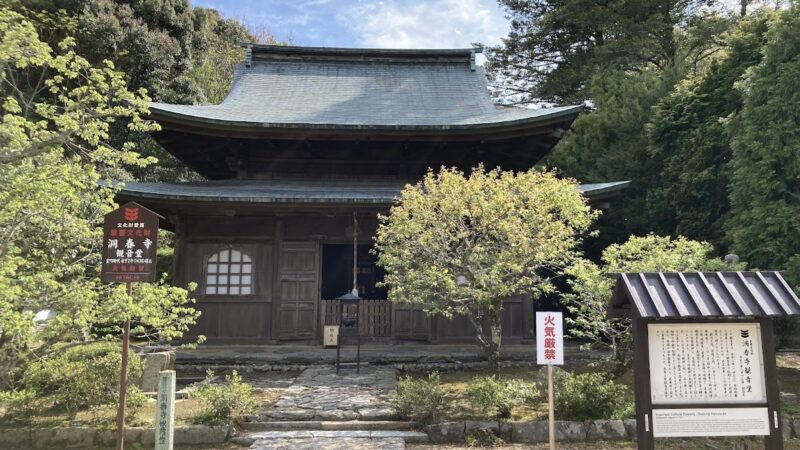
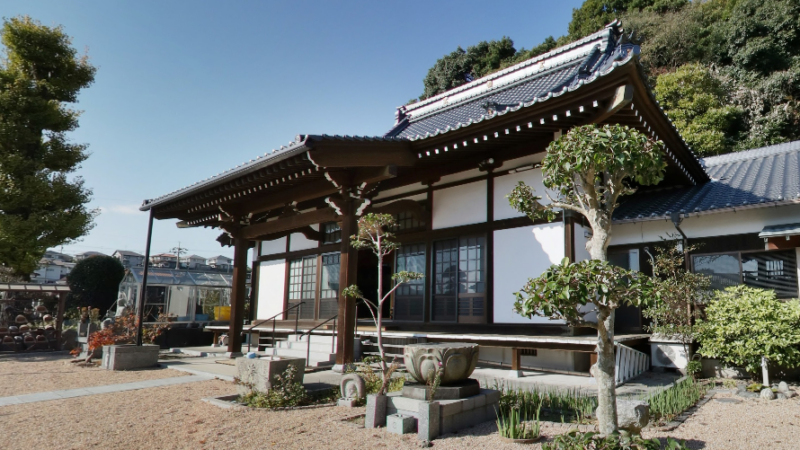
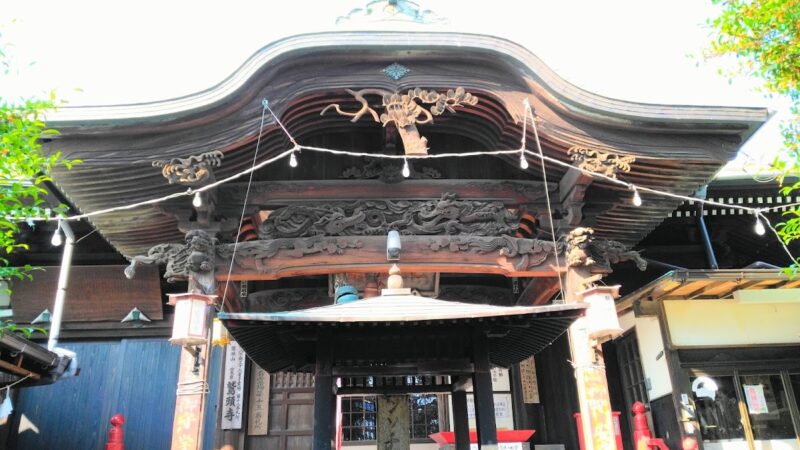
Shoshinji Temple is a Soto Zen temple located at 55 Kawachi, Kudamatsu City, Yamaguchi Prefecture. Situated in a quiet residential area of Kudamatsu City, it plays an important role as a place of faith and memorial services for local residents.
Location and Sect
- Location: 55 Kawachi, Kudamatsu City, Yamaguchi Prefecture 744-0061 (Also written as 55 Kawachi Showa-dori)
- Sect: Soto Zen
- Phone Number: 0833-43-0174
The Soto Zen sect is a branch of Zen Buddhism founded by Zen Master Dogen, characterized by its emphasis on seated meditation (zazen). It has many temples throughout Japan, and numerous Soto Zen temples exist within Yamaguchi Prefecture.
History and Origins of Shoshinji Temple
Shoshinji Temple has a long history intertwined with that of Kudamatsu City. It has spread the teachings of the Soto Zen sect throughout the region, supporting many parishioners and followers. Yamaguchi Prefecture has a long history of flourishing Buddhist culture, and Shoshinji Temple, as one of the temples inheriting this tradition, serves as a cultural and spiritual center for the region.
The temple’s name, “Shoshin,” is thought to represent unwavering faith, like the evergreen pine tree. ## Features of Matsushinji Temple’s Perpetual Memorial Graves, Columbariums, and Cemeteries
In modern times, due to changes in family structure and the declining birthrate and aging population, more and more people are facing concerns regarding the management and inheritance of graves. Matsushinji Temple offers various forms of memorial services to meet these modern needs.
About Perpetual Memorial Graves
A perpetual memorial grave is a grave where the temple takes responsibility for perpetual memorial services and management. It is gaining attention as a form of memorial service that can be used with peace of mind even by those without descendants or successors to the grave.
Features of the perpetual memorial grave at Shoshinji Temple:
- No succession required: The temple will take responsibility for memorial services even if there are no successors.
- No maintenance hassle: The temple handles maintenance such as weeding and cleaning.
- Religious affiliation: While it is a Soto Zen temple, consultations for people of other denominations may be possible.
- Communal burial type: Generally, remains are interred communally after a certain period.
Use of the ossuary
An ossuary is an indoor facility for storing ashes, offering the advantage of being able to visit regardless of the weather. The demand for ossuaries is increasing in Yamaguchi Prefecture, and the demand for ossuaries in temple cemeteries is rising.
Advantages of a Columbarium:
- Not affected by weather: Comfortable visits even on rainy days
- Easy access: Indoor facilities make it easy for the elderly to visit
- Clean environment: Less worry about insects and weeds due to being indoors
- Space-saving: More compact than traditional cemeteries
General Cemeteries and Temple Cemeteries
Shoshinji Temple also has a traditional temple cemetery. For those who wish to have a family grave to be passed down through generations, acquiring a burial plot in the temple cemetery is suitable.
Characteristics of Temple Cemeteries:
- Management by the Temple: Located within the temple grounds, ensuring thorough temple management.
- Convenience of Memorial Services: Memorial services can be held on the same grounds.
- Parishioner System: As a parishioner, one cooperates in the temple’s operation.
- Traditional Memorial Services: Respectful memorial services conducted according to the customs of the Soto Zen sect.
Cost Averages for Perpetual Memorial Services and Interment at Shoshinji Temple
The costs of perpetual memorial services and interment vary greatly depending on the type of service and contract details. Here are the general cost averages for temple cemeteries around Kudamatsu City, Yamaguchi Prefecture.
Costs of Perpetual Memorial Graves
The cost of perpetual memorial graves varies depending on the individual interment period and the number of people interred.
General Cost Estimates:
- Individual Interment (Up to 13th Anniversary of Death): Approximately 300,000 to 500,000 yen
- Individual Interment (Up to 33rd Anniversary of Death): Approximately 500,000 to 800,000 yen
- Communal Interment (Communal Interment from the Start): Approximately 100,000 to 300,000 yen
- For Couples: Approximately 500,000 to 1,000,000 yen
*The above are general cost estimates for temple cemeteries in Yamaguchi Prefecture. Please contact Matsushinji Temple directly for specific costs.
Columbarium Costs
Columbarium costs vary depending on the type of niche and the period of use.
Columbarium Costs:
- Locker Type: Approximately 200,000 to 500,000 yen
- Altar Type: Approximately 500,000 to 1,500,000 yen
- Annual Maintenance Fee: Approximately 5,000 to 20,000 yen
Costs of Traditional Cemetery Plots
This is the cost of acquiring a new traditional cemetery plot.
Breakdown of Cemetery Plot Acquisition Costs:
- Perpetual Use Fee: Approximately 300,000 to 1,000,000 yen (depending on plot size)
- Gravestone Cost: Approximately 800,000 to 2,000,000 yen (depending on stone type and design)
- Annual Maintenance Fee: Approximately 5,000 to 15,000 yen
Other Costs
- Becoming a Temple Member: Approximately 100,000 to 300,000 yen (if becoming a temple member)
- Offering for Memorial Services: Approximately 30,000 to 100,000 yen (depending on type of memorial service)
- Posthumous Name Fee: Approximately 100,000 to 500,000 yen (depending on rank of posthumous name)
Costs vary greatly depending on individual circumstances and desired memorial service arrangements. Therefore, it is highly recommended to consult with the temple and obtain an estimate beforehand.
About Funerals and Memorial Services at Shoshinji Temple
Shoshinji Temple also serves as a funeral facility, and funerals can be held there as a temple funeral hall.
Matsushinji Temple as a Funeral Hall
Matsushinji Temple can be used as a funeral hall for wakes, funerals, and memorial services. Funerals held at a temple follow the traditional Buddhist funeral format, as a ceremony to send the deceased to the realm of Buddha.
Advantages of a Temple Funeral Hall:
- Religious Solemnity: Funerals held in the temple’s main hall have a solemn atmosphere.
- Closeness to the Priest: The head priest directly handles the service, providing a sense of security.
- Cost: Costs may be lower than at typical funeral homes.
- Consistency with the Cemetery: Funerals and interment can be handled consistently within the same temple.
Regarding Cremation Facilities
Matsushinji Temple does not have a cremation facility. Therefore, after the funeral, the remains must be transported to a nearby crematorium. The main crematoriums around Kudamatsu City are as follows:
Nearby Crematoriums:
- Kudamatsu Municipal Crematorium: A public crematorium located within Kudamatsu City.
- Shunan City Crematorium: Facilities in the neighboring city of Shunan are also available.
Transportation to the crematorium will be arranged by the funeral home; please confirm this when discussing funeral arrangements.
Memorial Services
Shoshinji Temple can host various memorial services, including annual memorial services and monthly memorial services.
Main Types of Memorial Services:
- First Seven Days & Forty-Ninth Day: Memorial services held on the 7th and 49th days after death.
- First Anniversary & Third Anniversary: Memorial services held one and two years after death (counted in full).
- Seventh, Thirteenth, & Seventeenth Anniversary: Subsequent annual memorial services.
- Thirty-Third & Fiftieth Anniversary: Memorial services often considered the final memorial service.
- Obon & Higan: Memorial services held as annual events.
Characteristics of Soto Zen Funerals and Memorial Services
Soto Zen funerals and memorial services have characteristics unique to Zen Buddhism.
Incense Offering Etiquette:
In Soto Zen Buddhism, when offering incense at the Buddhist altar, it is common to place one stick in the center of the incense burner. This symbolizes “devoting oneself wholeheartedly to the Buddhist path.”
Funeral Features:
- Buddhist Precepts: A ceremony to bestow a Buddhist name upon the deceased.
- Guiding Dharma Talk: Chanting of Dharma talks to guide the deceased to the Buddhist world.
- Spirit of Zen Meditation: Remembering the deceased in silence.
How to Access Shoshinji Temple
Shoshinji Temple is located in a residential area of Kudamatsu City and is accessible by both public transport and private car.
Access by Train
Nearest Station: JR Sanyo Main Line (Iwakuni to Moji) “Kudamatsu Station”
- Walking Distance from Kudamatsu Station: Approximately 17 minutes (approximately 0.2km to 1.3km, varies depending on the source)
- Taxi from Kudamatsu Station: Approximately 5 minutes
Kudamatsu Station is one of the main stations on the Sanyo Main Line, conveniently accessible from Hiroshima and Yamaguchi. While it is within walking distance from the station, taking a taxi is recommended for those with a lot of luggage or elderly individuals.
Access by Bus
You can also use the local bus routes within Kudamatsu City. The nearest bus stop is “Kawachi” or a nearby bus stop. For bus timetables and routes, please check the information provided by Kudamatsu City’s community bus service or Bocho Kotsu.
Access by Car
Access from Major Roads:
- Sanyo Expressway: Approximately 15-20 minutes from “Tokuyama-Higashi IC” or “Kumage IC”
- National Route 2: From Kudamatsu city center towards Kawachi
Parking: There is parking space at the temple, but it may be crowded during memorial services and funerals. If a large number of attendees are expected, it is recommended to check the parking situation in advance.
Landmarks in the Surrounding Area
Shoshinji Temple is located in a residential area of the Kawachi district of Kudamatsu City, along “Showa-dori” street. The surrounding area is a quiet environment with many houses.
Address: 55 Kawachi, Kudamatsu City, Yamaguchi Prefecture 744-0061 (55 Kawachi Showa-dori)
For first-time visitors, it’s recommended to check the location on a map app beforehand.
Matsushinji Temple Facilities and Equipment
Matsushinji Temple has various facilities available for visitors and those attending memorial services.
Main Hall and Guest Hall
The main hall is the central building where memorial services and funerals are held. As befits a Soto Zen temple, it offers a tranquil atmosphere for quietly remembering the deceased. The guest hall can be used for post-service meals (prior consultation required).
Cemetery and Columbarium
The temple grounds include a cemetery with general burial plots, as well as facilities such as perpetual memorial graves and columbariums. The cemetery is managed by the temple and kept clean at all times.
Visiting Facilities
- Prayer Supplies: Incense, candles, flowers, etc. may be provided by the temple.
- Water Source: Water source for grave visits.
- Rest Area: A place for visitors to rest.
We recommend checking specific facilities during your visit.
Reservation Process for Visiting Shoshinji Temple and Interment
If you are considering using the perpetual memorial grave or columbarium, we recommend making a reservation for a visit first.
How to Make a Visit Reservation
Reservation Method:
- Telephone Reservation: 0833-43-0174 (Direct line to Shoshinji Temple)
- Via Specialized Website: Reservations can be made through specialized websites for perpetual memorial services and columbariums.
- Direct Visit: While it may be possible to visit without prior notice, reservations are recommended as the head priest may be absent.
Points to Check During Your Visit
Please check the following points during your visit.
Items to Check:
- Details of Costs: Perpetual memorial service fee, annual management fee, and other costs
- Contents of Memorial Service: Frequency and method of memorial service, period until joint burial
- Contract Conditions: Restrictions on religious sect, necessity of becoming a temple parishioner
- Condition of Facilities: Cleanliness, sunlight, atmosphere
- Access: Is it easy to visit and worship in person?
- Management System: Temple operation status, presence of successors
If you have any questions, please feel free to ask the head priest or temple staff during your visit.
Flow until Interment
The general flow for perpetual memorial service and interment at Shoshinji Temple is as follows:
Step 1: Visit and Consultation
Visit the temple to see the actual facilities and discuss your desired memorial service.
Step 2: Application
If you like the facilities after your visit, formally apply. Confirm the necessary documents and contract details.
Step 3: Contract and Payment
A contract is signed, and fees such as the perpetual memorial service fee are paid.
Step 4: Scheduling the Interment
The date of the interment ceremony is decided in consultation with the temple. It is often timed to coincide with memorial services such as the 49th day or the first anniversary.
Step 5: Interment Ceremony
The interment ceremony is held with chanting by the head priest. Relatives and other attendees participate.
Step 6: Regular Memorial Services
Afterward, the temple takes responsibility for regularly performing memorial services. Joint memorial services may be held during the equinox and Obon festivals.
Recommended Points of Shoshinji Temple
Here’s a summary of the advantages and features of choosing Shoshinji Temple.
1. A Traditional Soto Zen Temple
You can receive respectful memorial services based on the teachings of the Soto Zen sect. You can remember your loved one in a tranquil environment that cherishes the spirituality of Zen Buddhism.
2. Easy Access
Located within walking distance of JR Kudamatsu Station, it’s convenient for those using public transportation. It also boasts excellent access by car, being close to the Sanyo Expressway interchange.
3. Diverse Memorial Options
Various memorial options are available to meet diverse needs, including perpetual memorial graves, columbariums, and traditional burial plots. You can choose according to your family structure and lifestyle.
4. Community-Based Temple
As a temple deeply rooted in the Kudamatsu City community, it has a long history of being cherished by local residents. It enjoys a high level of trust within the community.
5. Integrated Services from Funeral to Memorial Service
Funerals are conducted at the temple’s funeral hall, and subsequent memorial services, interment, and perpetual memorial services can all be handled within the same temple, reducing the burden on bereaved families.
Looking for Other Cemeteries Around Kudamatsu City
Besides Shoshinji Temple, there are various other temples and cemeteries around Kudamatsu City, Yamaguchi Prefecture.
Temples in Kudamatsu City
Kudamatsu City has several Buddhist temples, each with different sects and characteristics. If you prefer a sect other than Soto Zen, consider other temples.
Cemeteries and Temples in Surrounding Municipalities
Shunan City: The neighboring city of Shunan has many large cemeteries and temples.
Hikari City: Located east of Kudamatsu City, facing the Seto Inland Sea.
Yamaguchi City: As the prefectural capital, it has a high concentration of temples.
Public Cemeteries as an Option
If you want to keep costs down and are not religiously restricted, there is the option of using the Kudamatsu City-operated public cemetery. Public cemeteries have the advantage of being relatively inexpensive and accessible regardless of religious affiliation.
Private Cemeteries
Recently, the number of well-equipped private cemeteries has increased. For those who prioritize modern facilities such as barrier-free design and ample parking, private cemeteries may be suitable.
Free Consultation Regarding Perpetual Memorial Services and Interment
If you have any concerns or questions about perpetual memorial services or interment, we recommend consulting with a specialist.
Topics You Can Consult On
- Costs: Proposals for memorial service arrangements that fit your budget
- Choosing a Memorial Service: Choosing the best option considering your family structure and future needs
- Choosing a Temple: Comparison of sects, locations, atmosphere, etc.
- Points to Note Regarding Contracts: Points to avoid problems
- Grave Closure: How to dispose of an existing grave and switch to perpetual memorial services
Consultation Options
Direct Consultation with Shoshinji Temple:
Phone: 0833-43-0174
Free Consultation on Specialist Websites:
Portal sites specializing in perpetual memorial services and columbariums offer free consultation services. This is convenient if you want to compare multiple temples.
Consultation with Funeral Homes:
Funeral homes have networks with temples and may be able to introduce you to a temple that suits your needs.
About Grave Closure and Reburial
Some people may wish to move their distant grave to the perpetual memorial grave at Shoshinji Temple. In that case, the procedures for “grave closure” and “reburial” are necessary.
What is Grave Closure?
Grave closure is the process of removing an existing grave, clearing the cemetery plot, and returning it to the administrator. This is chosen when managing a distant grave becomes difficult or when there are no successors.
Procedures for Reburial
Flow of Reburial:
- Contact the current cemetery administrator: Inform them of your intention to close the grave.
- Secure a new burial site: Contract for an eternal memorial grave at Shoshinji Temple.
- Apply for reburial permit: Complete the procedure at the municipal office where the current cemetery is located.
- Remove remains: Hire a stonemason to remove the tombstone and remove the remains.
- Closing ceremony: A memorial service to remove the spirit from the tombstone at the current cemetery.
- Interment at the new cemetery: An opening ceremony and interment ceremony at Shoshinji Temple.
Costs of closing a grave
- Tombstone removal cost: Approximately 100,000 to 300,000 yen (depending on the size of the cemetery plot)
- Temple disaffiliation fee: Approximately 0 to 200,000 yen (varies depending on the temple)
- Administrative procedures: Approximately several hundred to several thousand yen
- Transportation of remains: Approximately 10,000 to 50,000 yen
Since closing a grave involves complex procedures, it is recommended to consult a professional.
Temple Culture and the Soto Zen School in Yamaguchi Prefecture
Yamaguchi Prefecture is a region where Buddhist culture has flourished since ancient times, and many historical temples are scattered throughout the prefecture.
Buddhist History in Yamaguchi Prefecture
From the Muromachi period to the Sengoku period, Yamaguchi Prefecture was ruled by the Ouchi clan, who actively adopted Kyoto’s culture. As a result, many temples were built, and Buddhist culture developed.
The Soto Zen School and Yamaguchi Prefecture
The Soto Zen school is a branch of Zen Buddhism introduced to Japan by Zen Master Dogen during the Kamakura period. Its characteristic teaching is “Shikantaza,” that is, the emphasis on simply sitting in meditation.
There are many Soto Zen temples in Yamaguchi Prefecture, supporting local faith. Shoshinji Temple is one of them, preserving and passing down the teachings of the Soto Zen school.
The Spirit of Zen and Memorial Services
Soto Zen memorial services are based on the spirit of Zen, characterized by tranquility and solemnity. While not flashy, they cherish the true meaning of memorial services: sincerely remembering the deceased and guiding them toward the Buddhist path.
Summary: For Those Considering Memorial Services at Shoshinji Temple
Shoshinji Temple is a Soto Zen temple located in Kudamatsu City, Yamaguchi Prefecture, offering comprehensive memorial services with perpetual memorial graves, a columbarium, general cemeteries, and funeral facilities.
Main Features of Shoshinji Temple:
- Convenient access within walking distance of JR Kudamatsu Station
- Respectful memorial services based on Soto Zen traditions
- Diverse forms of memorial services, including perpetual memorial graves and columbariums
- Comprehensive services from funerals to memorial services and interment
- A trusted temple rooted in the community
For those considering perpetual memorial services or interment, it is essential to first visit the temple to experience its atmosphere. We recommend asking questions about costs and the details of the memorial services before signing a contract.
Reservations for visits and consultations at Shoshinji Temple can be made by phone (0833-43-0174) or through their dedicated website. Since this is an important place where you will entrust your loved ones in their final moments, please consider carefully and make the best choice.
For those seeking perpetual memorial services or columbariums in the Kudamatsu City area, Shoshinji Temple is a strong option. It offers a serene atmosphere befitting the Soto Zen sect, providing a peaceful environment for remembering and honoring your loved ones.