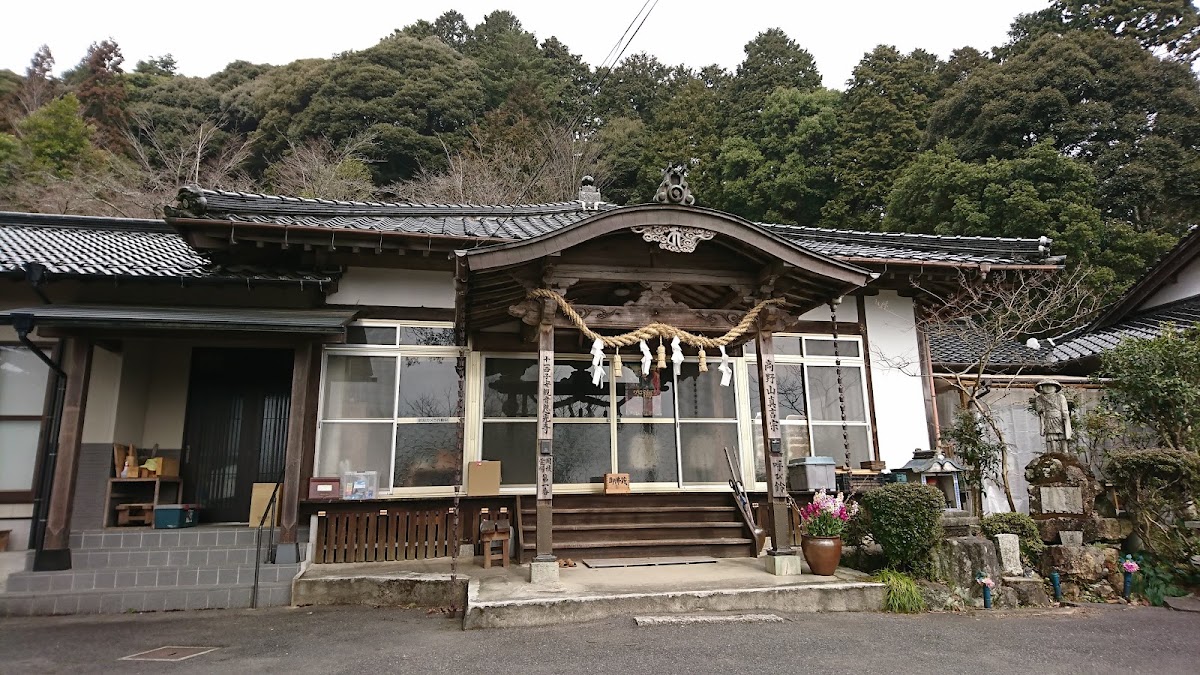
Complete Guide to Koyasu Kannon (Jikoji Temple) in Shimonoseki City, Yamaguchi Prefecture | History, Access, Benefits, and Visiting Information
Jikoji Temple, located in Kamiokaeda, Kikugawa-cho, Shimonoseki City, Yamaguchi Prefecture, is a Shingon Buddhist temple of the Koyasan sect, affectionately known locally as “Koyasu Kannon.” It has a long history as a center of faith related to children, including prayers for safe childbirth, conception, and memorial services for miscarried or stillborn babies, attracting many visitors from both within and outside Yamaguchi Prefecture. This article comprehensively explains everything you need to know before visiting Jikoji Temple, from its historical background and the origin of its principal image to the characteristics of its grounds, points to note when visiting, and access methods.
What is Jikoji Temple (Koyasu Kannon)?
Jikoji Temple is a Shingon Buddhist temple of the Koyasan sect located at 167 Kamiokaeda, Kikugawa-cho, Shimonoseki City, Yamaguchi Prefecture. Widely known by its common name, “Koyasu Kannon,” this temple is particularly revered by locals as a sacred site for prayers for safe childbirth, fertility, and memorial services for miscarried or stillborn children.
Shingon Buddhism is a sect of esoteric Buddhism founded by Kobo Daishi Kukai, and Jikoji Temple performs rituals and prayers based on its teachings. While maintaining the formality of a temple, it is characterized by its friendly and approachable atmosphere rooted in the local community, and is an open temple that attracts many worshippers on a daily basis.
Meaning of Koyasu Kannon Faith
“Koyasu Kannon” refers to a form of worship in which Kannon Bodhisattva is believed to have particularly miraculous powers in safe childbirth, child-rearing, and fertility. Kannon Bodhisattva is said to transform into 33 forms to save sentient beings, and among these, the function of protecting mothers and children has been revered as “Koyasu Kannon.”
While temples dedicated to Koyasu Kannon exist throughout Japan, Jikoji Temple, in particular, is a representative Koyasu Kannon pilgrimage site in Yamaguchi Prefecture, and has long served as a spiritual haven for pregnant women and families with children.
History and Origins of Jikoji Temple
Although many aspects of Jikoji Temple’s founding date and detailed history remain unclear due to limited existing documents, local oral traditions and temple traditions suggest it is an ancient temple with a considerable history.
Connection to Shingon Buddhism
The Koyasan Shingon sect is a branch of Shingon Esoteric Buddhism founded by Kobo Daishi Kukai in the early Heian period. Since Jikoji Temple belongs to the Koyasan Shingon sect, it is believed that religious activities centered on esoteric Buddhist prayers and incantations have been conducted there.
In Shingon Buddhist temples, incantations such as Goma burning and chanting are highly valued, and at Jikoji Temple, these esoteric Buddhist rituals have been performed for prayers for safe childbirth and fertility. A unique form of worship, a fusion of Kannon worship and Shingon Esoteric Buddhism, is a distinctive feature of this temple.
Role in the Region
Kikugawa-cho in Shimonoseki City is located in western Yamaguchi Prefecture and has developed as an agricultural area. Jikoji Temple has played a role not only as a religious facility but also as a spiritual pillar for the local community.
Especially in times when medical care was not well developed, prayers for safe childbirth and the health of children were heartfelt wishes, and faith in Jikoji Temple’s Kannon for safe childbirth was deeply rooted in people’s lives. Even today, this tradition continues, and many families visit Jikoji Temple at important milestones in their lives.
Principal Deity and Object of Worship
The principal deity of Jikoji Temple is Kannon Bodhisattva (Avalokiteśvara). Kannon Bodhisattva is one of the most widely worshipped figures in Buddhism, rescuing all sentient beings from suffering with great compassion.
The Compassion of Kannon Bodhisattva
Kannon Bodhisattva, also known as “Kannon-yojin,” is believed to perceive the sounds of the world (the cries of people’s suffering) and provide relief. In particular, the Fumon Chapter (Kannon Sutra) of the Lotus Sutra states that chanting the name of Kannon Bodhisattva will save one from various calamities, and Kannon Bodhisattva has been deeply revered in Japan since ancient times.
The Kannon Bodhisattva at Jikoji Temple is especially emphasized as “Koyasu Kannon,” protecting the safety and health of mothers and children. The faith in relying on the compassion of Kannon Bodhisattva during the most challenging period for women—pregnancy and childbirth—has been passed down through generations.
Benefits of Safe Childbirth and Fertility
The main reason Jikoji Temple is revered as “Koyasu Kannon” is its benefits of safe childbirth and fertility. Many visitors come to the temple with the following wishes:
- Prayer for Safe Childbirth: Prayers for the health of mother and child during pregnancy and for a safe delivery.
- Prayer for Conception: Prayers for being blessed with children.
- Prayer for Child Rearing: Prayers for the healthy growth of newborn children.
- Memorial Service for Stillborn Children: Memorial services for children who have died due to various circumstances.
Visitors come from Yamaguchi Prefecture, as well as neighboring Fukuoka and Hiroshima Prefectures, to offer these prayers and memorial services.
Basic Information about Jikoji Temple
We have compiled basic information necessary when visiting Jikoji Temple.
Location and Contact Information
- Official Name: Jikoji Temple
- Common Name: Koyasu Kannon
- Sect: Koyasan Shingon Buddhism
- Chief Priest: Kimoto Koryu
- Address: 167 Kamiokaeda, Kikugawa-cho, Shimonoseki City, Yamaguchi Prefecture 750-0317
- Phone Number: Please contact the temple directly.
Visiting Hours and Admission Fee
Jikoji Temple is generally open for daytime visits. However, visits may be restricted during memorial services and events. If you wish to request special prayers or memorial services, it is recommended to contact the temple in advance.
- Visiting Hours: From sunrise to sunset (approximate: 9:00 AM – 5:00 PM)
- Admission Fee: Free (Prayers and memorial services require a separate offering)
- Parking: Available (Parking spaces are available on the temple grounds or nearby)
Annual Events
The temple holds various memorial services and events throughout the year. Major annual events include:
- New Year’s Day First Visit (January 1st): Prayers for the New Year
- Spring Equinox Service (around the Spring Equinox): Ancestor memorial service
- Obon Festival (August): Memorial service for the Obon festival
- Autumn Equinox Service (around the Autumn Equinox): Ancestor memorial service
- Year-End and New Year Memorial Service: Concluding the year and preparing for the New Year
For detailed dates of these events, please contact the temple directly.
Highlights of the Temple Grounds
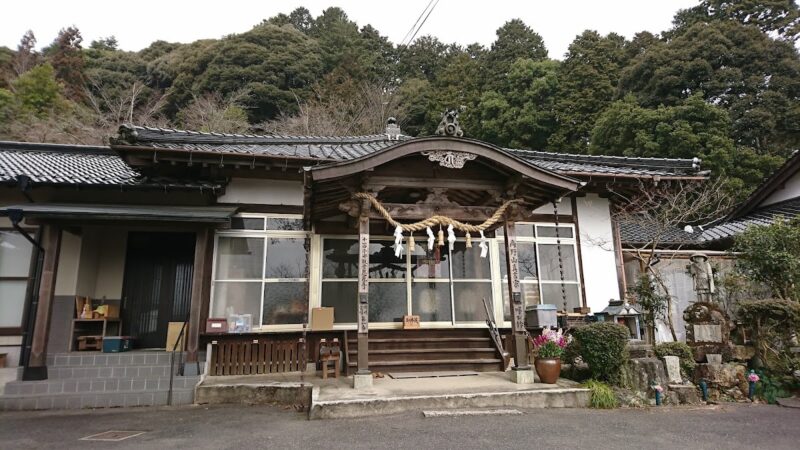
The grounds of Jikoji Temple are designed to provide a space where visitors can offer prayers in peace.
Main Hall
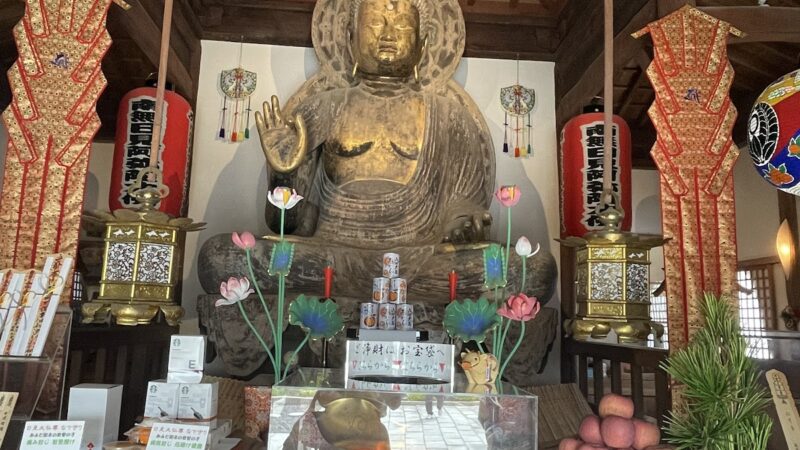
The main hall is the central building of Jikoji Temple, and houses the principal image, Kannon Bodhisattva. Visitors join their hands here and offer prayers, each with their own wishes. Inside the main hall, one can feel tranquility and peace amidst the solemn atmosphere of Shingon Buddhism.
Atmosphere of the Temple Grounds
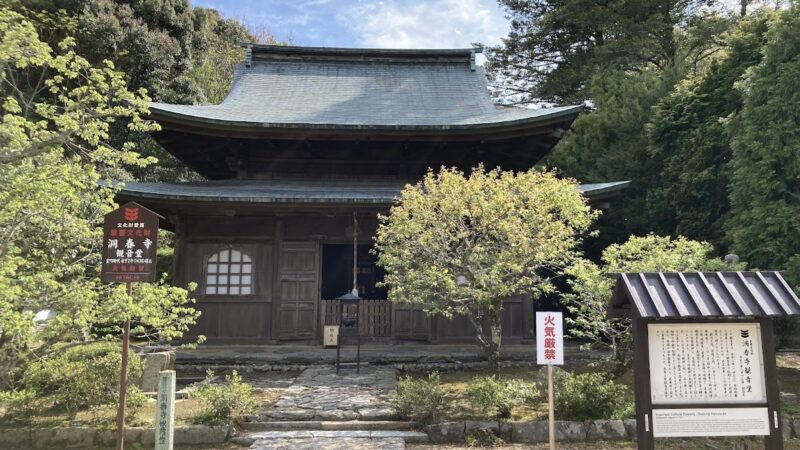
Jikoji Temple is located in a naturally rich area of Yamaguchi Prefecture, and the temple grounds are surrounded by nature throughout the seasons. Especially in spring when the new leaves are lush and in autumn when the leaves change color, the trees on the grounds are beautifully colored, soothing the hearts of visitors.
One of the charms of Jikoji Temple is that you can escape the hustle and bustle of everyday life and find peace of mind in a quiet environment.
Mizuko Jizo and Memorial Facilities
Jikoji Temple is also known for its Mizuko Jizo (guardian deity of aborted or stillborn babies), and facilities for Mizuko Jizo and memorial services are provided on the temple grounds. Many families visit this temple to pray for the repose of the souls of children who have passed away due to various circumstances.
Memorial services for stillborn babies are conducted with consideration for individual circumstances, ensuring a private and heartfelt memorial service.
How to Access Jikoji Temple
Jikoji Temple is located in Kikugawa-cho, Shimonoseki City, Yamaguchi Prefecture, and is easily accessible by car.
Access by Car
From Shimonoseki City Center:
- Approximately 30-40 minutes via National Route 491
- Approximately 25 minutes by car from Shimonoseki IC
From Ozuki Area:
- Via Prefectural Road towards Kikugawa-cho
- Approximately 20 minutes
Car Navigation Settings:
- Address: 167 Kamiokaeda, Kikugawa-cho, Shimonoseki City, Yamaguchi Prefecture
- Search for “Jikoji Temple” or “Koyasu Kannon”
Parking is available on the temple grounds or nearby, making it convenient to visit by car.
Access by Public Transportation
If using public transportation, the following routes are possible:
- From JR Sanyo Main Line “Ozuki Station”:
- Approximately 15-20 minutes by taxi
- Take a bus bound for Kikugawa and walk from the nearest bus stop.
- From JR Sanyo Main Line “Shimonoseki Station”:
- Take a bus or taxi towards Kikugawa-cho
- Approximately 40-50 minutes
Since public transportation is limited in this area, we recommend checking the timetable in advance or using a taxi.
Aerial Photograph of Jikoji Temple (167 Kamiokaeda, Kikugawa-cho, Shimonoseki City, Yamaguchi Prefecture)
Jikoji Temple is located in a naturally rich area of Kikugawa-cho, Shimonoseki City, Yamaguchi Prefecture. Aerial photographs show that the surrounding area is a peaceful environment with sprawling rural landscapes.
The temple is situated in an area where residential and agricultural land are mixed, and it stands quietly in a tranquil atmosphere. Other temples, shrines, and local facilities are scattered throughout the vicinity, indicating that it functions as part of the local community.
Using Google Maps or other map services, you can check the location and surrounding environment of Jikoji Temple in advance using aerial photographs, which will be helpful when planning your visit.
Map of the area around Jikoji Temple
Jikoji Temple is located a little distance from the center of Kikugawa-cho, Shimonoseki City. Knowing the main facilities and landmarks in the surrounding area will be convenient when visiting.
Major Facilities in the Surrounding Area
- Kikugawa Branch Office: Shimonoseki City Kikugawa General Branch Office (Administrative Facility)
- Michi-no-Eki Kikugawa: A facility where you can enjoy local specialties and meals
- Kikugawa Onsen: A nearby hot spring facility
- Local Elementary and Junior High Schools: Kikugawa Elementary School, Kikugawa Junior High School, etc.
Using Maps
When using map apps on smartphones or car navigation systems, the following methods are convenient:
- Google Maps: Search for “Jikoji Temple, Kikugawa-cho, Shimonoseki City”
- Yahoo! Maps: Enter the address “167 Kamiokaeda, Kikugawa-cho, Shimonoseki City, Yamaguchi Prefecture”
- Car Navigation: Search by phone number or address
Checking the map in advance and understanding the route will allow for a smoother visit.
List of Nearby Temples
There are many other historical temples scattered around Jikoji Temple. Visiting them in conjunction with your pilgrimage will allow for a deeper religious experience and a deeper understanding of the local history and culture.
Major Temples in Shimonoseki City
- Kozanji Temple (Chofu, Shimonoseki)
- An ancient Rinzai Zen temple with a national treasure Buddha hall.
- Known as a temple associated with Takasugi Shinsaku.
- Tokoji Temple (Chofu, Shimonoseki)
- An Obaku Zen temple containing the Mori family cemetery.
- Kakuenji Temple (Chofu, Shimonoseki)
- A temple associated with the Mori family, lords of the Chofu domain.
- Akama Shrine (Amidaji-cho, Shimonoseki)
- A shrine dedicated to Emperor Antoku, who drowned during the Battle of Dan-no-ura.
Temples and Shrines around Kikugawa Town
There are several temples and shrines rooted in the local community within Kikugawa Town. These are important institutions that convey the history and culture of the region, and visiting them together with Jikoji Temple will allow you to gain a deeper understanding of the history of faith in this area.
Manners and Precautions When Visiting Temples
When visiting temples, it is important to observe basic manners for worship. ### Etiquette for Visiting a Temple
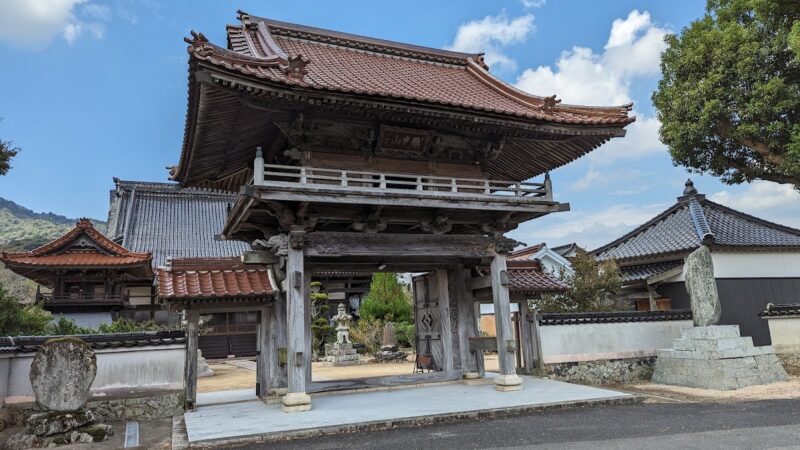
- Bow at the Temple Gate: Bow before entering the temple grounds.
- Purification at the Water Basin: Purify your hands and mouth (if there is a water basin).
- Worship at the Main Hall:
- Proceed quietly to the front of the main hall.
- Place your offering in the offering box and ring the bell if there is one.
- Join your hands in prayer and offer your prayers.
- Bow and leave.
Attire and Belongings
- Attire: Clean and subdued clothing is preferred (avoid excessive exposure).
- Photography: Photography is generally permitted on the temple grounds, but consideration for the interior of the main hall and other visitors is necessary.
- Offerings: If offering flowers, incense, etc., follow the temple’s instructions.
Requesting Prayers or Memorial Services
If you wish to request special prayers or memorial services such as prayers for safe childbirth, prayers for conception, or memorial services for miscarried or stillborn babies, it is recommended to contact the temple in advance and make a reservation.
Attire and Belongings
If you wish to request special prayers or memorial services such as prayers for safe childbirth, prayers for conception, or memorial services for miscarried or stillborn babies, it is recommended to contact the temple in advance and make a reservation. – Reservation: Consult the date and time by phone.
- Offering: Prepare an appropriate offering for prayers and memorial services (confirm the amount with the temple).
- Items to Bring: Confirm necessary items in advance, such as a maternity belt (for prayers for safe childbirth).
Investigating the Dates of Memorial Services and Annual Memorial Services in Shimonoseki City
In Buddhism, various memorial services are held to pray for the repose of the deceased. Jikoji Temple also holds memorial services for its parishioners and followers.
Memorial Service (Forty-Ninth Day Memorial Service)
In Buddhism, the forty-nine days after a person’s death are called “Chūin,” and it is believed that the deceased’s next life is determined during this period. Therefore, memorial services are held every seven days, and a memorial service marking the end of mourning is held on the forty-ninth day.
The dates for the memorial services during the mourning period are calculated starting from the day of death:
- First seven days (7th day)
- Second seven days (14th day)
- Third seven days (21st day)
- Fourth seven days (28th day)
- Fifth seven days (35th day)
- Sixth seven days (42nd day)
- Seventh seven days / Forty-ninth day (49th day)
Annual Memorial Services
After the forty-ninth day memorial service, annual memorial services are held. The main memorial services are as follows:
- First Anniversary: 1st year (anniversary of death)
- Third Anniversary: 2nd year (anniversary of death)
- Seventh Anniversary: 6th year
- Thirteenth Anniversary: 12th year
- Seventeenth Anniversary: 16th year
- Twenty-Third Anniversary: 22nd year
- Twenty-Seventh Anniversary: 26th year
- Thirty-Third Anniversary: 32nd year
- Fiftyth Anniversary: 49th year
When calculating the date of a memorial service, please consult with the temple to get accurate dates and appropriate procedures.
Frequently Asked Questions about Jikoji Temple in Shimonoseki City, Yamaguchi Prefecture
Q1: What are the visiting hours for Jikoji Temple?
Jikoji Temple is generally open for daytime visits. Generally, the best time to visit is from around 9 AM to 5 PM, but there may not be clearly defined opening and closing times. If you wish to request special prayers or memorial services, it is recommended to contact the temple in advance to make a reservation.
Q2: When is the best time to receive prayers for a safe delivery?
Traditionally, prayers for a safe delivery are performed on the Day of the Dog in the fifth month of pregnancy. Dogs are considered symbols of safe childbirth because they are known for their fertility and easy deliveries. However, it is also possible to visit on any day when you are feeling well, regardless of the Day of the Dog. Prioritize the pregnant woman’s health.
Q3: How do I apply for a memorial service for a miscarried or stillborn child?
Memorial services for miscarried or stillborn children are very sensitive matters, so it is recommended to first consult with the temple by phone. They will carefully explain the form of the service, date and time, and the amount of the offering. They will handle your inquiry with consideration for your privacy, so please feel free to consult with them.
Q4: Is there parking available?
Jikoji Temple has parking spaces for visitors. However, it may get crowded during memorial services and events, so we recommend visiting with plenty of time to spare, especially on weekends and temple festivals.
Q5: How much should I donate?
The amount of the donation for prayers and memorial services varies depending on the service. As a general guideline, it is around 5,000 to 10,000 yen for prayers for safe childbirth or fertility, and around 10,000 to 30,000 yen for memorial services for miscarried or stillborn babies. However, this varies by temple, so we recommend checking in advance. Donations are based on your feelings, so it’s important to donate within your means according to your financial situation.
Q6: Can I visit from another prefecture?
Of course. Jikoji Temple welcomes many visitors from outside Yamaguchi Prefecture. If you are visiting from a distant location, we recommend checking access methods and travel time in advance and planning your visit with plenty of time to spare.
How to Use with a Smartphone
In modern times, using a smartphone makes visiting temples much more convenient.
Using Map Apps
- Google Maps: Search for the location of Jikoji Temple and use the navigation function for route guidance.
- Yahoo! Maps: Allows you to check information including surrounding facilities.
- Car Navigation App: Convenient for guiding you while driving.
Gathering Information in Advance
- Official Temple Information: If possible, check the latest information on the official website or social media.
- Review Sites: Refer to the experiences of other visitors.
- Weather Forecast App: Check the weather on the day of your visit in advance.
Precautions for Photography
When taking photos of the temple grounds with your smartphone, please note the following:
- Permission may be required to take photos inside the main hall.
- Be considerate of the privacy of other visitors.
- Avoid using flash photography.
- Be careful when posting on social media (especially for sensitive content such as memorial services for aborted fetuses).
Jikoji Temple’s Connection to the Community
Jikoji Temple has played an important role not only as a religious facility but also in the local community of Kikugawa-cho, Shimonoseki City.
Preservation of Local Culture
Temples function as places to transmit local history and culture. Through annual events and memorial services, traditional Buddhist culture is passed down to future generations. In particular, children have the opportunity to learn about local history and beliefs by participating in temple events.
Role as a Spiritual Sanctuary
Even in modern society, many people visit temples during life’s milestones and difficult times. Jikoji Temple, in particular, provides emotional support to those who are anxious during major life changes such as pregnancy and childbirth.
Even in today’s age of advanced medical technology, childbirth is accompanied by various anxieties. Many people visit temples seeking spiritual reassurance alongside scientific medical treatment. Jikoji Temple continues to function as a place that supports such people and provides peace of mind.
Summary
Jikoji Temple (Koyasu Kannon), located in Kikugawa-cho, Shimonoseki City, Yamaguchi Prefecture, is a temple of the Koyasan Shingon sect and has attracted the faith of local people for prayers for safe childbirth, fertility, and memorial services for miscarried or stillborn babies.
Based on the compassionate spirit of Kannon Bodhisattva, this sacred site has long received the prayers of many families, protecting the safety and health of mothers and children. Nestled in a tranquil natural environment, the temple grounds offer peace of mind to visitors.
When planning your visit, please refer to the access information and etiquette outlined in this article, and offer your prayers with sincerity. If you wish to request special prayers or memorial services, we recommend contacting the temple in advance.
We hope that your visit to Jikoji Temple will be a memorable and meaningful experience for you and your family.