Teishoji Temple (Shunan City, Yamaguchi Prefecture) Complete Guide | The Family Temple of the Shishido Clan, a Branch of the Mori Family, and a Historical Exploration
Located in Mitsuoka Hirosue, Shunan City, Yamaguchi Prefecture, Teishoji Temple is an important temple that preserves the history of the region, serving as the family temple of the Shishido clan, who supported the Mori family from the Sengoku period to the Edo period. This article comprehensively introduces information you should know before visiting Teishoji Temple, including its historical background, highlights, access methods, and nearby tourist spots.
What is Teishoji Temple? | The Family Temple of the Shishido Clan, the Head of the Mori Family Branch
Teishoji Temple is a Jodo sect temple located in the Mitsuoka district of Shunan City, Yamaguchi Prefecture. The reason this temple is particularly noteworthy is its historical background as the family temple of the Shishido clan, known as the head of the Mori family branch.
The Relationship Between the Shishido and Mori Families
The Shishido clan was a family that followed Mori Motonari during the Sengoku period and greatly contributed to the development of the Mori family. Shishido Takaie, who married the eldest daughter of Mori Motonari, held an important position as the head of the Mori family. The Shishido family continued to serve the Mori family for generations, and during the Edo period, they played a significant role as important retainers of the Choshu Domain.
Teishoji Temple houses the ancestral tablets and graves of the Shishido family, making it a valuable historical site that conveys the history of the Shishido family to the present day. The temple also preserves cultural artifacts and documents related to the Shishido family, playing an important role in local historical research.
History and Origins of Teishoji Temple
Research into the founding date and detailed origins of Teishoji Temple continues based on local historical documents. It is believed that the Shishido family established their family temple in this location when they moved from Aki Province to Suo Province following the Mori family.
Teishoji Temple in the Edo Period
Throughout the Edo period, Teishoji Temple functioned as a center of local faith under the patronage of the Shishido family. As the family temple of the Shishido family, important retainers of the Choshu Domain, it attracted many worshippers and played a vital role as a spiritual pillar in the local community.
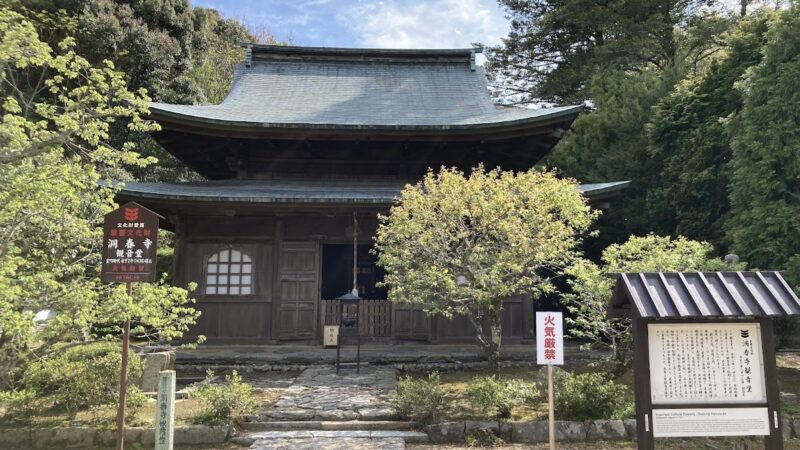
The temple’s architectural style and grounds exhibit characteristics of Edo period temple architecture, making it a valuable resource for understanding religious architecture of that era.
Changes After the Meiji Restoration
After the Meiji Restoration and the abolition of the feudal domains and the establishment of prefectures, the Choshu Domain was dissolved, and the social status of the Shishido family changed. However, Teishoji Temple survived as a local temple and continues to uphold the traditions of the Jodo sect.
Highlights of Teishoji Temple
When visiting Teishoji Temple, there are several points of interest, including:
The Shishido Family’s Burial Grounds
Within the temple grounds, the graves of successive generations of the Shishido family, who played a leading role as the head of the Mori family, are neatly arranged. These gravestones are valuable historical materials for understanding the burial customs of samurai families during the Edo period and demonstrate the high level of stonemasonry skill of the time.
The burial grounds are enveloped in a tranquil atmosphere, creating a space where one can feel the weight of history. Visitors can reflect on the Shishido family, who were active from the Sengoku period to the Edo period.
Memorial Tablet Hall
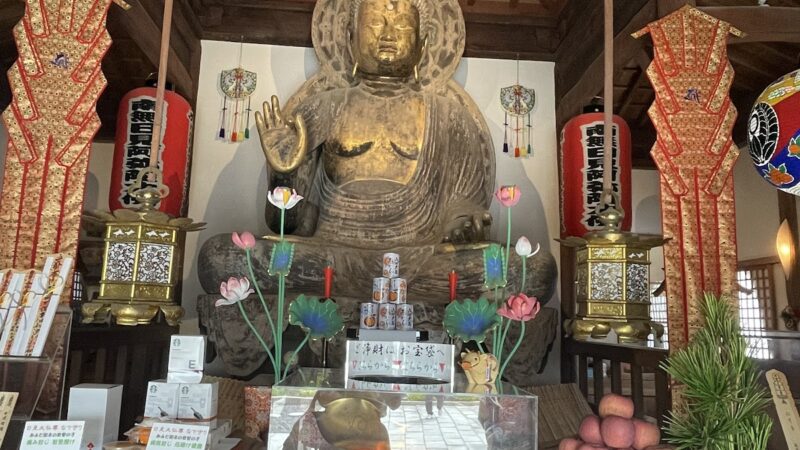
The main hall houses the memorial tablets of successive generations of the Shishido family, and memorial services continue to this day. These tablets bear the posthumous names of successive heads of the Shishido family and their family members, allowing one to trace the history of the family lineage.
Natural Environment of the Temple Grounds
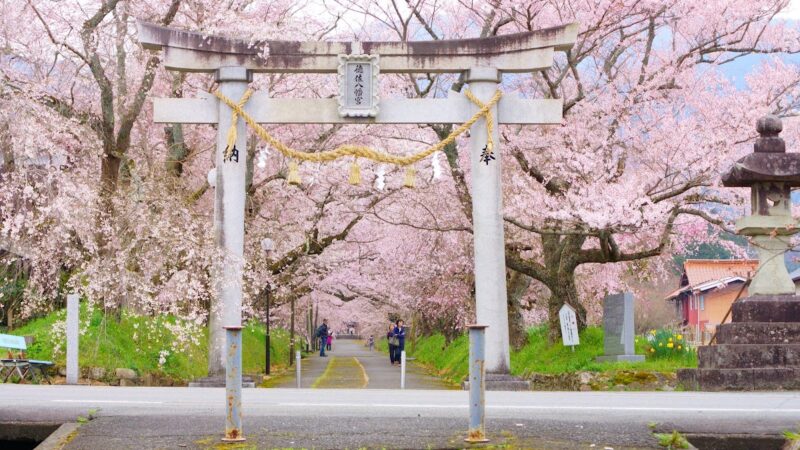
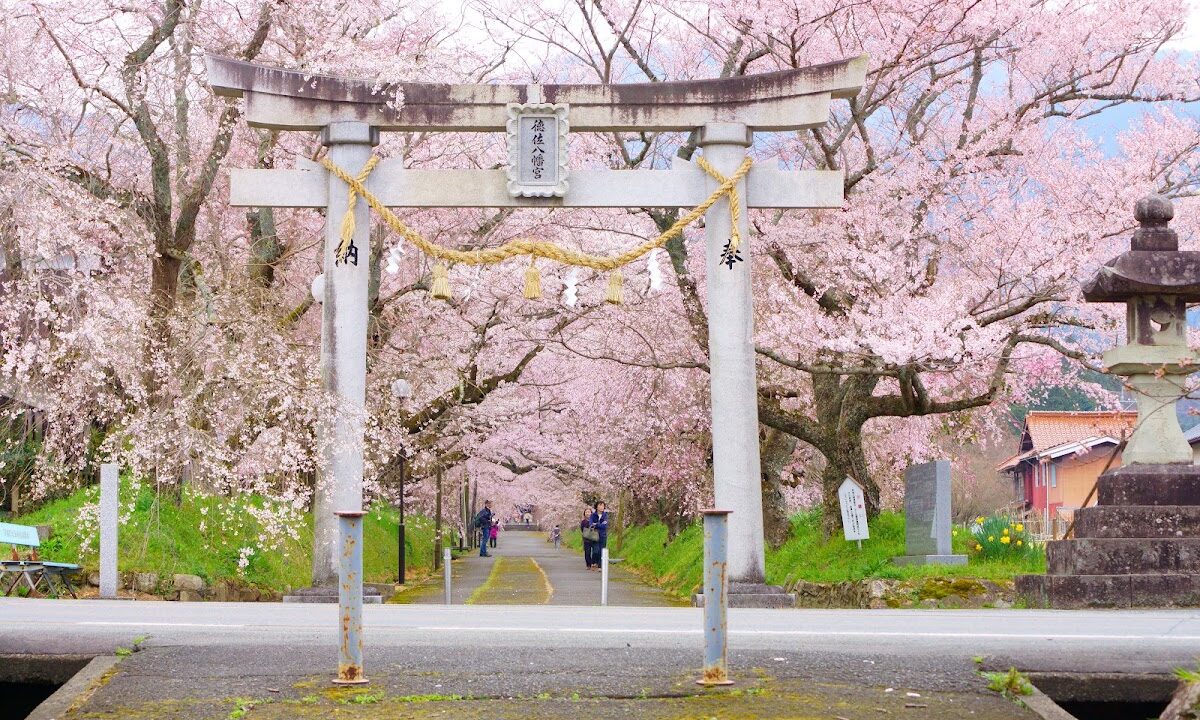
The grounds of Teisho-ji Temple are surrounded by the rich nature of the Mitsuoka district in Shunan City. One can experience the changing seasons, and particularly enjoy the beautiful scenery during the cherry blossom season in spring and the autumn foliage season.
It is a suitable place for a stroll while reflecting on history in a quiet environment.
Connection to the Mausoleum of Mori Motonari
In addition to Teisho-ji Temple, there are other important historical sites in the Mitsuoka district of Shunan City. One such site is the “Mori Motonari Public Tooth Shrine.”
What is the Mori Motonari Public Tooth Shrine?
The Mori Motonari Public Tooth Shrine is a historical site where the teeth of Mori Motonari, a famous general of the Sengoku period, are said to be buried. Mori Motonari is known as a Sengoku daimyo who unified the Chugoku region and is famous for the anecdote of the “Three Arrows.”
After Motonari’s death, his remains were buried in the castle town of Yoshida-Koriyama, but it is said that some of his teeth were enshrined at this location. This is thought to be due to a special connection, as the Shishido family were sons-in-law of Mori Motonari.
Location in relation to Teisho-ji Temple
The Mori Motonari Public Tooth Shrine is located near Teisho-ji Temple. Visiting both historical sites together allows for a deeper understanding of the deep connection between the Mori and Shishido families. This can be considered evidence of the significant importance this region held in the history of the Mori family.
Access Information
We will guide you on how to access Teisho-ji Temple.
Location
Address: 745-0641 Hirosue, Mitsuoka, Shunan City, Yamaguchi Prefecture
Phone Number: 0833-91-0883
Access by Car
- From Sanyo Expressway Kumage IC: Approximately 7 minutes
- From JR Sanyo Main Line Kushigahama Station: Approximately 15 minutes by car
After exiting the Sanyo Expressway at Kumage IC, take the prefectural road towards the Mitsuoka area. Following the road signs will allow you to arrive relatively smoothly.
Parking
There is parking space around the temple, but if you are visiting by large bus, it is recommended to contact the temple in advance to confirm.
Access by Public Transportation
If using public transportation, the nearest stations are JR Sanyo Main Line’s Kushigahama Station or Tokuyama Station, but you will need to take a bus or taxi from there. Since the number of services is limited, it is recommended to check the timetable in advance.
Precautions When Visiting
Please note the following points when visiting Teishoji Temple:
Visiting Etiquette
- Respect the temple as a place of worship and pray quietly.
- When entering the cemetery, please be especially respectful.
- Photography is permitted, but please be considerate of other visitors.
- Please refrain from eating, drinking, or smoking on the temple grounds.
Visiting Hours
Generally, visits are possible during the daytime, but entry may be restricted during religious services. If you wish to visit without restrictions, it is recommended to call in advance.
Regarding Goshuin (Temple Seals)
Regarding the issuance of Goshuin at Teishoji Temple, it is recommended to inquire with the temple in advance. If you wish to receive a Goshuin, please bring your Goshuincho (stamp book) and make a polite request.
Nearby Tourist Attractions
When visiting Teishoji Temple, you can enjoy a more fulfilling trip by also visiting other tourist attractions in Shunan City and the surrounding area.
Kuroiwa Gorge
Kuroiwa Gorge, known as a natural scenic spot in Shunan City, is located about 20 minutes by car from Teishoji Temple. Visitors can enjoy the beautiful gorge scenery created by clear streams and strangely shaped rocks, and it attracts many tourists, especially during the seasons of fresh greenery and autumn leaves.
Hiking trails are also well-maintained, allowing for a stroll while enjoying nature.
Sunset Spots in Shunan City
Shunan City faces the Seto Inland Sea, and there are many spots where you can enjoy beautiful sunsets. The views from Otsushima Island and Taikayama Mountain are particularly magnificent, making them ideal for concluding a day of sightseeing.
Cuisine in Shunan City Center
Shunan city center has many restaurants serving dishes made with fresh local seafood. You can enjoy local cuisine using seafood caught in the Seto Inland Sea, as well as specialty dishes of Yamaguchi Prefecture.
In particular, there are many restaurants where you can savor Yamaguchi Prefecture’s unique cuisine, such as fugu (pufferfish) dishes and kawara soba (soba noodles served on a tile).
Historical Buildings in Shunan City
Besides Teishoji Temple, Shunan City is dotted with other historical temples, shrines, and cultural properties. If you have the time, a historical exploration tour visiting these spots is highly recommended.
Historical Background of the Sankyu District in Shunan City
The Sankyu district in Shunan City, where Teishoji Temple is located, has flourished as a transportation hub since ancient times.
Geographical Characteristics of the Sankyu District
The Sankyu district is located in the northern part of Shunan City and is a rural area blessed with abundant nature. Agriculture has been thriving here since ancient times, with rice cultivation being the main focus.
Furthermore, because it was located on a transportation route connecting the inland and coastal areas, it played an important role in the distribution of goods.
The Shishido Family and the Sankyu District
It is believed that the strategic importance of the Sankyu district was the reason why the Shishido family established their family temple in this area. This region held an important position in the administration of the Mori family’s territory and was suitable as a base for the Shishido family, the head of the family.
Temple Culture in Yamaguchi Prefecture and Teishoji Temple
Yamaguchi Prefecture is home to many temples built from the Sengoku period to the Edo period. Teishoji Temple is one such temple, and is important for understanding the temple culture of Yamaguchi Prefecture.
Characteristics as a Jodo Sect Temple
Teishoji Temple is a Jodo sect temple. The Jodo sect is a Buddhist sect founded by Honen Shonin, and its teachings emphasize attaining rebirth in the Pure Land by chanting the Nembutsu, “Namu Amida Butsu.”
Many Jodo sect temples exist in Yamaguchi Prefecture, playing an important role in the religious life of the region. Teishoji Temple has also long been a center of faith for local residents.
Role as a Samurai Family Temple
During the Edo period, it was common for samurai families to designate their own family temples and perform ancestral memorial services. Teishoji Temple, as the family temple of the Shishido family, is a valuable example of this tradition.
Samurai family temples encapsulate the history and culture of their families, making them important historical resources for understanding samurai society of the time.
Best Season to Visit Teishoji Temple
Teishoji Temple is open year-round, but each season offers a different charm.
Spring (March-May)
Spring is the season when the cherry blossoms in the temple grounds are in full bloom. Visiting amidst the fresh greenery is refreshing and offers a soul-cleansing experience. The weather is mild, making it an ideal season for a stroll.
Summer (June-August)
In summer, the greenery deepens, and the temple grounds are enveloped in a cool atmosphere. However, summers in Yamaguchi Prefecture are intensely hot, so be sure to take precautions against heatstroke.
Autumn (September-November)
Autumn is the season of beautiful autumn foliage. The trees in the temple grounds change color, and combined with the historical atmosphere, it creates a particularly charming ambiance. The weather is stable, making it an ideal season for sightseeing.
Winter (December to February)
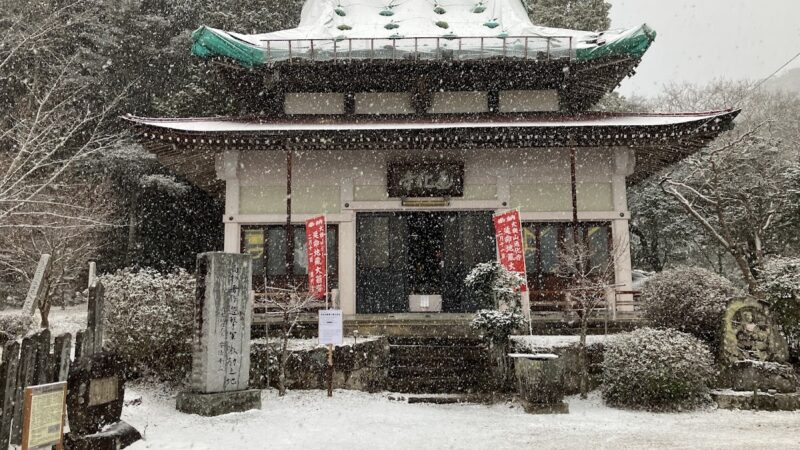
Winter is a season with fewer visitors, allowing for quiet reflection on history. Visiting the temple in the crisp, clear air has a calming effect on the mind.
Teishoji Temple and the Local Community
Teishoji Temple is not merely a historical building; it continues to function as an integral part of the local community.
Involvement in Local Events
The temple holds various religious services and events throughout the year, providing opportunities for local residents to participate. These events play an important role in strengthening community bonds.
Cultural Property Preservation Activities
Efforts to preserve cultural properties are also undertaken by local residents and stakeholders. Various efforts continue to ensure that this historically significant temple is passed on to future generations.
Current Status and Challenges of Teishoji Temple Research
Historical research on Teishoji Temple is being conducted by local historians and university researchers.
Excavation and Analysis of Historical Materials
Continuous research is being conducted on historical materials related to the Shishido family and documents concerning the history of Teishoji Temple. The discovery of new materials may reveal previously unknown historical facts.
Efforts toward Digital Archiving
Digital archiving of cultural properties is also underway, creating an environment where more people can access the history and cultural properties of Teishoji Temple.
Summary
Located in Mitsuoka Hirosue, Shunan City, Yamaguchi Prefecture, Teishoji Temple is the family temple of the Shishido family, the head of the Mori clan, and boasts a long history spanning from the Sengoku period to the present day. It houses the ancestral tablets and graves of successive Shishido family members, making it a valuable historical site that conveys the deep connection between the Mori and Shishido families.
It is easily accessible, approximately 7 minutes by car from the Kumage Interchange on the Sanyo Expressway, and there are several tourist attractions nearby, such as the Mausoleum of Mori Motonari and Kuroiwa Gorge. This is a recommended destination not only for history buffs but also for those who want to enjoy the culture and nature of Yamaguchi Prefecture.
Why not take some time to reflect on the history of the Shishido family, who were active from the Sengoku period to the Edo period, in the tranquil temple grounds? Along with the beauty of nature in each season, you will have a valuable experience of touching upon a part of Japanese history.
When visiting, please call in advance to confirm the visiting hours and be sure to observe temple etiquette and pray quietly. We hope that your experience at Teishoji Temple will be an opportunity for you to gain a deeper understanding of the history and culture of Yamaguchi Prefecture.