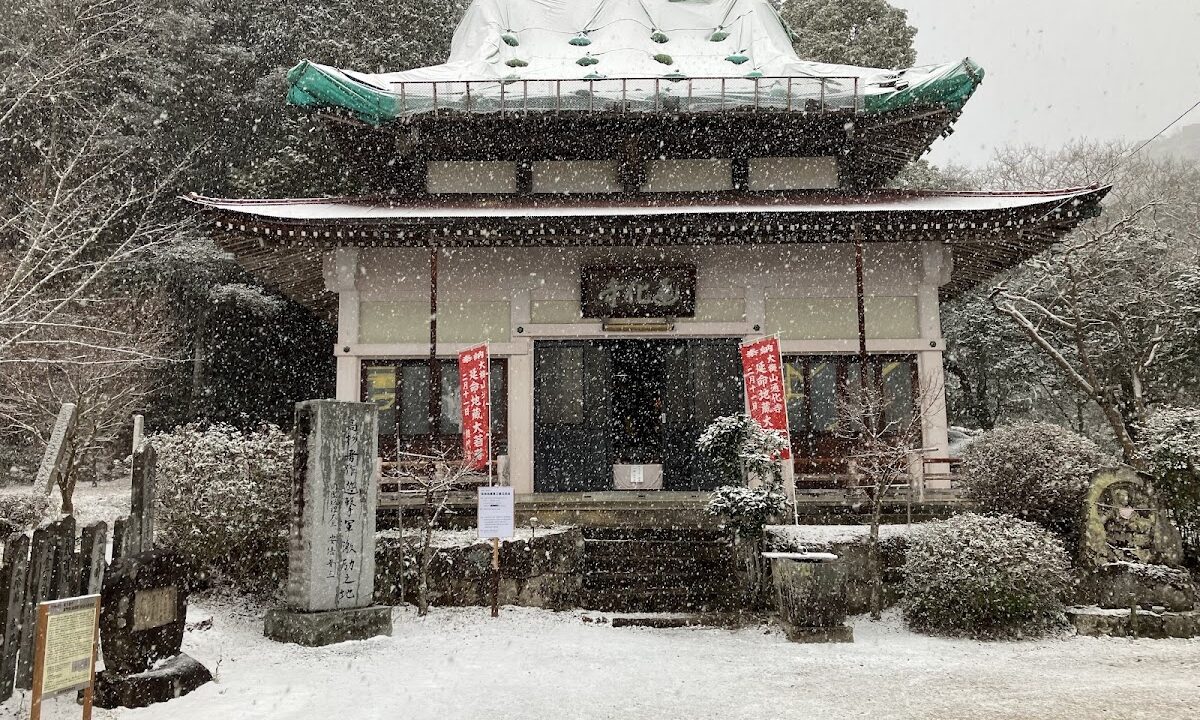
Daiba-san Tsukei-ji Temple (Iwakuni City, Yamaguchi Prefecture) | Visiting the Sesshu Garden and the History of the Late Edo Period Guerrilla Unit
Located in Kamikuhara, Shuto-cho, Iwakuni City, Yamaguchi Prefecture, Daiba-san Tsukei-ji Temple is an ancient temple of the Obaku sect, said to have been founded in 807 (Daido 2) during the early Heian period. During the turbulent late Edo period, it served as the headquarters of the guerrilla unit that played an active role in the Meiji Restoration’s Four Border Battles, becoming a stage for history. It also boasts a garden said to have been created by Sesshu, a painter-monk of the Muromachi period, and continues to captivate visitors with its seasonal beauty, including cherry blossoms, fresh greenery, azaleas, and autumn leaves.
History and Origin of Daiba-san Tsukei-ji Temple
Long History from the Heian Period
Daiba-san Tsukei-ji Temple is said to have been founded in 807 (Daido 2), making it an ancient temple with a history of over 1200 years. While detailed records of its original sect and founder are limited, it has functioned as a center of local faith throughout its long history. Currently belonging to the Obaku school of Zen Buddhism, it preserves a unique architectural style and culture, stemming from the traditions of Chinese Ming Dynasty Zen Buddhism.
The Obaku school is a branch of Zen Buddhism introduced from China in the early Edo period, possessing characteristics distinct from the Rinzai and Soto schools. The exact time of Tonghua Temple’s conversion to the Obaku school is unclear, but it has a history of being deeply rooted in the community as a temple of this sect.
Meaning of the Temple Name
The temple name, “Daibaizan Tonghua Temple,” holds profound Buddhist meaning. “Daibaizan” is the mountain name, signifying the many plum trees planted there and representing a pure and noble place of spiritual practice, like the plum blossom. “Tonghua” means to enlighten people through Buddhist teachings and guide them to enlightenment, indicating the temple’s function as a spiritual anchor in the local community.
A Famous Garden Attributed to Sesshu
Connection to Sesshu, the Painter-Buddhist Monk of the Muromachi Period
One of the greatest highlights of Daibaizan Tōka-ji Temple is its garden, attributed to Sesshu, a painter-buddhist monk of the Muromachi period. Sesshu (c. 1420–c. 1506) is known not only as a master of ink painting but also as an excellent garden designer. Yamaguchi Prefecture has many places associated with Sesshu, and you can trace his footsteps at sites such as the Unkoku-an hermitage and the Jōei-ji Sesshu Garden.
While the attribution of Tōka-ji Temple’s garden to Sesshu is based on oral tradition, its composition and stonework exhibit characteristics seen in Sesshu gardens. Sesshu applied techniques from Chinese landscape painting to Japanese garden design, establishing a unique style that condensed natural landscapes.
Characteristics of a Garden Utilizing Natural Stones
Tōka-ji Temple’s garden incorporates elements of a pond-centered strolling garden, skillfully arranging natural stones. Utilizing the natural topography of the temple grounds, various sizes of natural stones are harmoniously arranged to express a landscape of mountains and water. The technique of minimizing artificial processing and highlighting the stones’ original shapes and textures reflects the aesthetics of Sesshu.
The garden features moss-covered stone arrangements and trees, embodying a serene Zen worldview. The carefully calculated flow of water and placement of stones, creating a composition that reveals different expressions depending on the viewing angle, evokes a profound sense of spirituality in visitors.
Seasonal Landscape Beauty
The grounds of Tonghua Temple display beautiful natural scenery throughout the four seasons.
Spring Cherry Blossoms: Cherry trees are planted on the grounds, and in spring, their pale pink blossoms bloom in profusion. The contrast between the old stone arrangements and the cherry blossoms creates a landscape that evokes the beauty of traditional Japan.
Early Summer Greenery and Azaleas: Around May, the grounds are enveloped in vibrant green. Azaleas also bloom around the same time, their red and pink flowers adding color to the garden. Summer’s Deep Green: From the rainy season to summer, the moss and trees turn a deep green, creating a quiet and refreshing atmosphere.
Autumn’s Foliage: Around November, the maple and other trees in the temple grounds change color, and the red and yellow leaves adorn the rock garden. The sight of fallen leaves scattered on the moss is also picturesque.
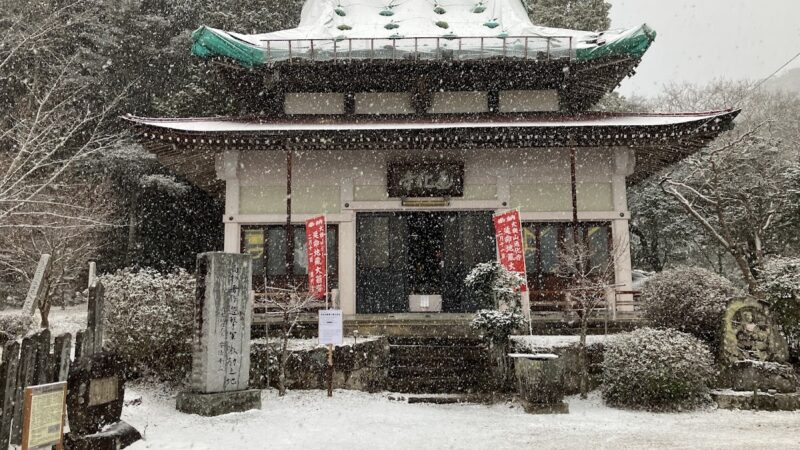
Winter’s Serenity: In winter, the branches of the leafless trees stand out, and the framework of the stone arrangement becomes more clearly visible. When it snows, the contrast of white and black creates a landscape reminiscent of an ink painting.
Tsūka-ji Temple: A Stage in the Bakumatsu and Meiji Restoration
History of the Headquarters of the Guerrilla Unit
Ōbaizan Tsūka-ji Temple played an important historical role during the turbulent Bakumatsu period. In 1865, in preparation for the Second Chōshū Expedition (Shikyō War) by the shogunate, the Chōshū Domain established defensive bases throughout its territory. Tsūka-ji Temple served as a key point in the defense of the eastern border, and the headquarters of the Yūgekitai (Guerrilla Unit) organized by Takasugi Shinsaku was located there.
The Yūgekitai was one of the units formed after the Kiheitai (Irregular Troops), and was a unit that gathered like-minded individuals regardless of their social status. With Tsūka-ji Temple as its headquarters, the Yūgekitai conducted defense and training in the surrounding area, preparing for battle against the Shogunate forces.
Role as a Headquarters for the Ishin-dan (Restoration Group)
In addition to the Yūgekitai, the headquarters of an organization called the Ishin-dan was also located at Tsūka-ji Temple. The Ishin-dan was a group of patriots who promoted the Meiji Restoration, and it is said that political discussions and strategy meetings were held at this temple. The quiet temple grounds became a place for passionate discussions among young people who were promoting the modernization of Japan.
The Four Borders War and Tsūka-ji Temple
In the Four Borders War, which broke out in 1866 (Keiō 2), the Chōshū Domain faced the Shogunate forces at the four borders. On the eastern border between Suo and Aki provinces, the area around Iwakuni became a battlefield, and it is believed that the guerrilla unit based at Tsūka-ji Temple also participated in the fighting. This battle, ultimately won by the Chōshū Domain, was a crucial turning point that paved the way for the Meiji Restoration.
Remaining Sites and Artifacts of the Late Edo Period
The temple grounds contain relics and artifacts related to the guerrilla unit and the Meiji Restoration group. Weapons, documents, and personal belongings of the soldiers used at the time are preserved, conveying the tense atmosphere of the late Edo period. These historical materials are invaluable resources for understanding the history of the region.
Highlights of Daibaizan Tsūka-ji Temple
Main Hall and Temple Architecture
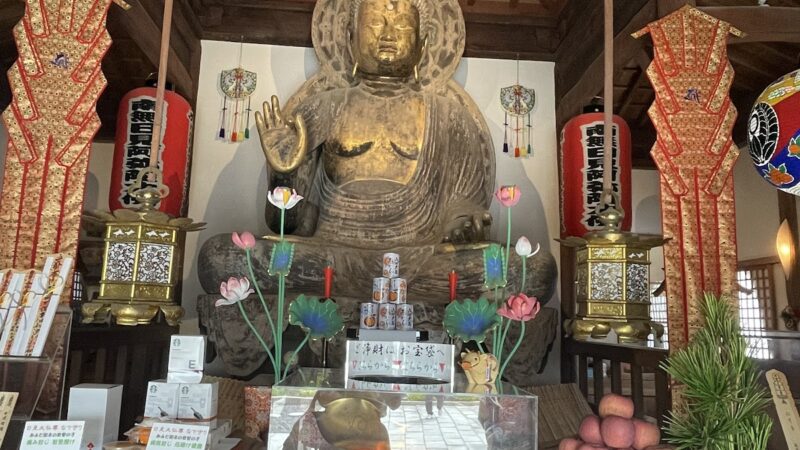
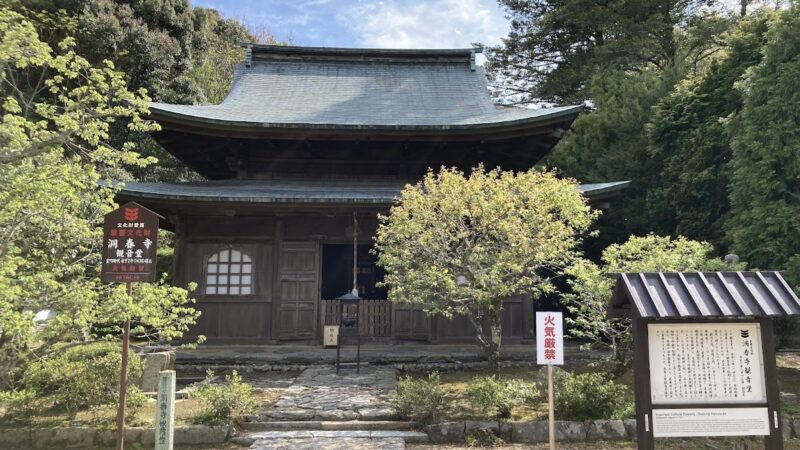
The main hall, characteristic of the Ōbaku sect, features a unique design incorporating Chinese architectural styles. The curve of the roof, the decorations, and the arrangement of Buddhist implements inside create an atmosphere different from other Zen temples. The principal image is enshrined inside the main hall, allowing visitors to quietly offer their prayers.
Stone Monuments and Memorials
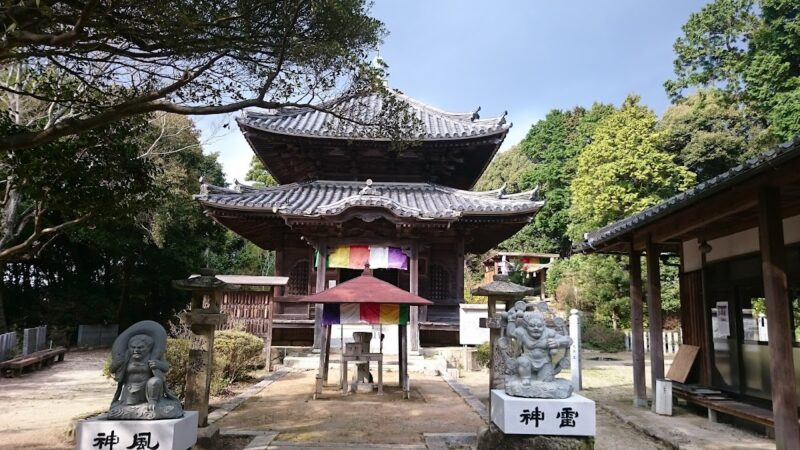
The temple grounds are dotted with stone monuments and memorials that tell the story of history. There are monuments related to the guerrilla unit and the Meiji Restoration group, as well as monuments detailing the temple’s history, telling visitors about the multifaceted history of Tōka-ji Temple.
Surrounding Natural Environment
Tōka-ji Temple is located in the mountainous area of Shūtō-chō, Iwakuni City, surrounded by abundant nature. The tranquil environment is ideal for meditation and strolling, allowing visitors to escape the hustle and bustle of the city and find peace of mind. Nearby facilities include the Marutamura Forest Experience Exchange Facility and the Shūtō Pastoral Hall, making it a hub for local cultural and nature experiences.
Access and Visiting Information
Location and Transportation
Address: Kamikuhara, Shūtō-chō, Iwakuni City, Yamaguchi Prefecture
Access by Car: Approximately 15 minutes from the Kuga Interchange on the Sanyo Expressway. Approximately 30 minutes from the center of Iwakuni City via National Route 2. Parking is available for visitors on the temple grounds.
Public Transportation: The nearest station is Suo-Kubo Station on the JR Gantoku Line, but the temple is a considerable distance from the station, so taking a taxi is recommended. Bus routes are also limited, so access by car is recommended.
Precautions When Visiting
- The temple grounds are a sacred place, so please pray quietly.
- Please do not touch the plants or stone arrangements in the garden.
- Photography is permitted, but please be considerate of other visitors.
- Please take all your trash with you.
- Photography inside the main hall may require prior confirmation.
Visiting Hours and Fees
Tsūka-ji Temple is generally open for daytime visits, but visits may be restricted during events and ceremonies. It is recommended to check in advance. General visits are free, but please inquire with the temple regarding special visits and detailed garden tours.
Nearby Tourist Attractions
Famous Places in Iwakuni City
Kintaikyo Bridge: A wooden arch bridge considered one of Japan’s three most famous bridges, and a symbol of Iwakuni City. Approximately 30 minutes by car from Tsūka-ji Temple.
Iwakuni Castle: A castle located on a mountaintop near Kintaikyo Bridge, a popular tourist spot with magnificent views.
Kikkō Park: A vast park near Kintaikyo Bridge, also known as a famous cherry blossom viewing spot.
Spots around Shūtō-machi
Takamori Tenmangū Shrine: A shrine dedicated to Sugawara no Michizane, the god of learning, and a center of local faith.
Niidera-san Gokuraku-ji Temple: Another historical temple, known as a cultural asset of Shūtō-machi.
Maruta Village Forest Experience Exchange Facility: A facility where you can experience nature and camp, popular with families.
Shūtō Pastoral Hall: A hall that serves as a hub for local cultural activities.
Temple Culture in Yamaguchi Prefecture and Tsūka-ji Temple
Position of Yamaguchi Prefecture in Buddhist History
Yamaguchi Prefecture has long been a region where Buddhist culture flourished, with many temples built from the Nara period to the Heian period. During the Muromachi period, when the Ouchi clan flourished as prosperous shugo (provincial governors), Kyoto’s culture was introduced, leading to a cultural prosperity so great that it was called “the Kyoto of the West.”
Tsūka-ji Temple is located in Iwakuni City, in the eastern part of Yamaguchi Prefecture, and has played a part in the Buddhist culture of Suō Province. While belonging to the relatively new Ōbaku sect, its long history dating back to the Heian period demonstrates the diversity of temple culture in Yamaguchi Prefecture.
Comparison with Other Famous Temples
Rurikō-ji Temple (Yamaguchi City): Possessing a national treasure five-story pagoda, it is a representative temple of Yamaguchi Prefecture and is considered one of Japan’s three most famous pagodas.
Ryūzō-ji Temple (Yamaguchi City): Founded approximately 1300 years ago, it is an ancient temple associated with En no Ozuno.
Compared to these famous temples, Tsūka-ji Temple, though smaller in scale, possesses unique value in combining two important cultural heritage sites: the Sesshū Garden and a historical site from the end of the Edo period.
Significance of Visiting Tonghua Temple
Attraction for History Enthusiasts
For those interested in the history of the late Edo period and Meiji Restoration, Tonghua Temple is a valuable historical site where you can trace the footsteps of the Yugekitai (guerrilla unit) led by Takasugi Shinsaku. Visiting the actual locations where events you’ve read about in textbooks and history books took place deepens your understanding of history.
Value for Garden Enthusiasts
The garden, attributed to Sesshu, is an important example for learning the aesthetics of Japanese gardens. You can observe the essence of garden art up close, including the arrangement of natural stones, spatial composition, and seasonal planting plans.
For Those Seeking Spiritual Healing
Nestled in a quiet mountain valley, Tonghua Temple is an ideal place to escape the hustle and bustle of everyday life and find peace of mind. Strolling through the temple grounds and meditating while gazing at the garden provides spiritual refreshment.
Summary
Tsūka-ji Temple, located in Iwakuni City, Yamaguchi Prefecture, is a valuable cultural heritage site that combines three attractions: a long history dating back to its founding in 807, a beautiful garden said to have been created by Sesshū, and historical significance as a stage for the Meiji Restoration. The natural beauty of the temple grounds, which changes with the seasons, reveals different expressions depending on the time of year, offering new discoveries with each visit.
When visiting Iwakuni City, we recommend taking a short detour to visit Tsuka-ji Temple, in addition to famous tourist spots such as Kintaikyo Bridge and Iwakuni Castle. The time spent reflecting on history and experiencing Sesshū’s aesthetic sensibilities in the tranquil temple grounds will enrich your travel memories.
Featured on the official website of the Yamaguchi Prefecture Tourism Federation, Tsuka-ji Temple will continue to convey its history and beauty to many people as an important regional tourist resource and cultural asset.