Complete Guide to Seidoji Temple (Hagi City, Yamaguchi Prefecture): History and Highlights of the Hexagonal Temple Floating on the Sea
Located in Esaki, Hagi City, Yamaguchi Prefecture, Seidoji Temple is a Soto Zen Buddhist temple known for its unique hexagonal temple built on a rock in Esaki Bay. Also known as “Ukishima Seidoji” (Floating Island Seidoji), it attracted fervent devotion as a place of prayer from the time of the Ouchi clan to the Mori clan. This article provides detailed information useful for sightseeing, including the history of Seidoji Temple, its architectural features, highlights, and access information.
What is Seidoji Temple?: An Overview of the Ancient Temple Floating on the Sea
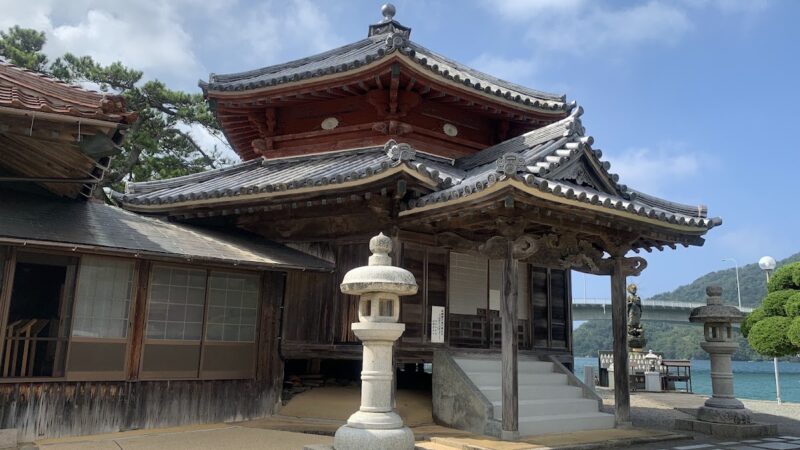
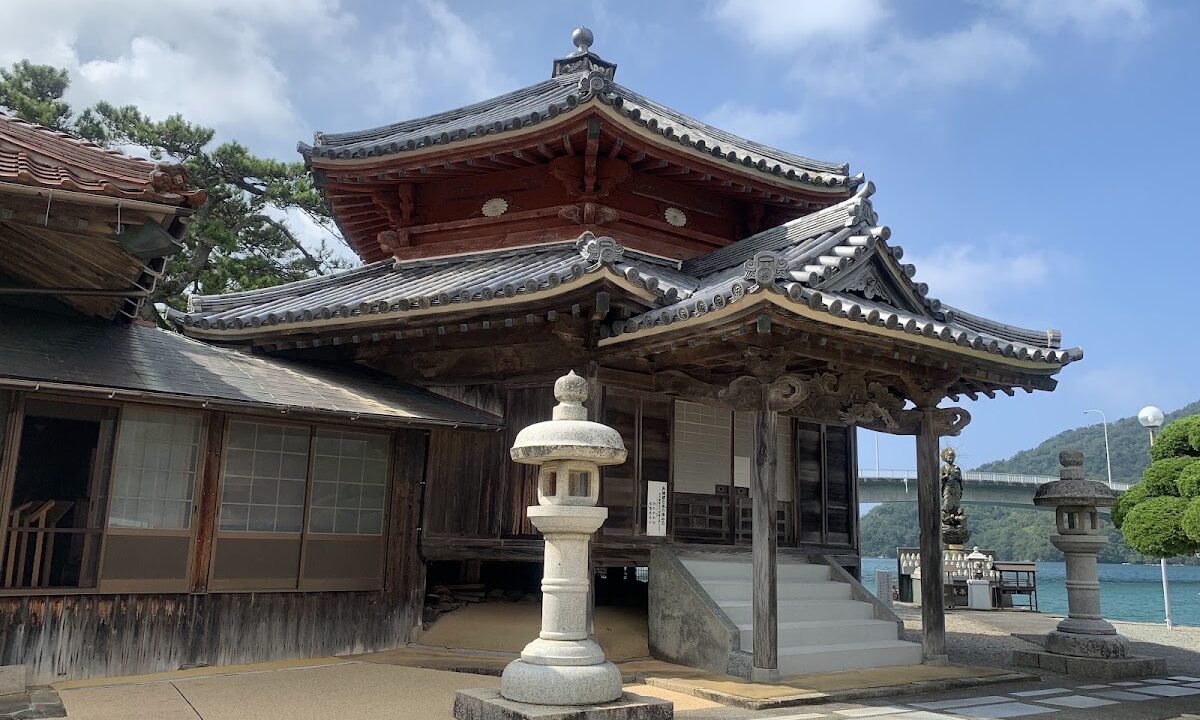
Seidoji Temple is a Soto Zen Buddhist temple located at 1281 Esaki, Hagi City, Yamaguchi Prefecture. Its most distinctive feature is its hexagonal temple built on a protruding rock in Esaki Bay. The view from the sea has long captivated many people as a “temple floating on the sea.”
Basic Information
- Sect: Soto Zen
- Location: 1281, Ezaki, Hagi City, Yamaguchi Prefecture 759-3113
- Cultural Property Designation: The hexagonal hall is a Yamaguchi Prefecture designated tangible cultural property
- Alternate Name: Ukishima Seidoji
Ezaki is a fishing village area in the northern part of Hagi City, facing the Sea of Japan. Seidoji Temple has a long history as the center of faith in this region. Even today, it is cherished by local residents and tourists alike, and its unique location and architectural beauty make it one of Yamaguchi Prefecture’s representative tourist spots.
History of Seidoji Temple: From the Oei Era to the Present
Founding and Medieval Prosperity
Seidoji Temple is believed to have been founded during the Oei era (1394-1428). During this period of the Muromachi era, the Ouchi clan expanded its power in the Chugoku region, and Seidoji Temple also developed under the patronage of the Ouchi clan.
The Oei era, spanning the reigns of Ashikaga Yoshimitsu and Yoshimochi, was a period of flourishing trade between Japan and the Ming Dynasty (the Kango trade). Yamaguchi prospered as the base of the Ouchi clan, and it is believed that Seidoji Temple played an important role as a temple where prayers for the safety of maritime traffic in the region were offered.
From the Ouchi Clan to the Mori Clan: Its Role as a Place of Prayer
From the Ouchi clan’s era to the Mori clan’s era, Seidoji Temple attracted widespread devotion as a place of prayer. It was during this period that it became known by the alternative name “Ukishima Seidoji” (Floating Island Seidoji). Its appearance, built on a rock jutting out into the sea, made it a spiritual haven for fishermen and shipping merchants praying for safe voyages.
Although the Ouchi clan fell in 1551, the Mori clan, who subsequently ruled the region, inherited the faith in Seidoji Temple and continued to provide its protection. After the Battle of Sekigahara in 1600, the Mori clan moved their base to Hagi and, throughout the Edo period, became one of the largest domains in western Japan as the Choshu Domain.
Reconstruction in the Genroku Era: The Birth of the Rokkakudo Hall
The current Rokkakudo Hall was built in 1696 (Genroku 9). For its reconstruction, the unique hexagonal shape was adopted to withstand strong winds from the sea. This design is a testament to excellent architectural technique, combining practicality and beauty.
The Genroku era was the reign of Tokugawa Tsunayoshi, the fifth shogun of the Edo shogunate, and a period when Genroku culture flourished. The architectural techniques and aesthetic sensibilities of this era are reflected in the Rokkakudo Hall of Seidoji Temple.
Seidoji Hexagonal Hall: Architectural Beauty of a Yamaguchi Prefecture Designated Tangible Cultural Property
Architectural Features and Structure
Seidoji Hexagonal Hall is a wooden hexagonal hall with the following features:
- Length of one side: 4.26 meters
- Height: 11 meters
- Structure: Single-story mokoshi (skirt roof)
- Roof: Pyramidal roof, tiled roof
- Columns: All hexagonal columns
A mokoshi is a canopy-like structure attached to the eaves of a building, protecting it from wind and rain while also adding elegance to its appearance. A pyramidal roof is a roof style that slopes in four directions, but in the case of Hexagonal Hall, it has a unique shape that slopes in six directions.
The Design Philosophy of the Hexagon
The hexagonal shape is not merely decorative, but a structural ingenuity against strong winds from the sea. A polygonal shape close to a circle distributes wind resistance, giving it the advantage of being more resistant to wind pressure than a square building. Furthermore, in Buddhist architecture, the hexagon is said to symbolize the “six realms of reincarnation,” suggesting a possible religious significance.
The fact that all the building’s pillars are uniformly hexagonal is also noteworthy. This brings a sense of unity to the entire building and can be seen as a thorough pursuit of the concept of a hexagonal hall.
Unique Location: A Temple Built on a Rock in the Sea
The Seidōji Hexagonal Hall is built on a protruding rock in Ezaki Bay, and at high tide, it appears to float on the sea. This location is the origin of its nickname, “Ukishima Seidōji” (Floating Island Seidōji), and is Seidōji’s most distinctive feature.
Temple architecture built on the sea is rare in Japan; the Itsukushima Shrine is famous, but Seidōji also boasts its own unique scenic beauty. The silhouette of the hexagonal hall against the backdrop of the sunset over the Sea of Japan is particularly breathtaking at dusk.
Highlights of Seidoji Temple: Sightseeing Points
The Beauty of the Rokkakudo Hall’s Exterior
When visiting Seidoji Temple, first take your time to admire the exterior of the Rokkakudo Hall. The hall, built on a rock, is picturesque from every angle. The following points are especially recommended:
- View from the Sea: The appearance of the hall seemingly floating on the sea is a unique view of Seidoji Temple.
- The Curve of the Roof: The elegant curves of the pyramidal roof.
- Arrangement of the Hexagonal Pillars: The harmony and unity of the entire building.
- The Heavy Feel of the Traditional Tile Roof: The beauty of traditional Japanese architecture.
The Legend of Jizo
Seidoji Temple houses a Jizo statue, and a legend is associated with this statue. It is said to be a story of forbidden love between a Jizo and a servant, and is linked to local folk beliefs. Such legends demonstrate that the temple was not merely a religious facility, but was deeply connected to the lives and emotions of the local people.
Surrounding Scenery: Ezaki Bay and the Sea of Japan
The area around Seidoji Temple offers beautiful views of the Sea of Japan. Ezaki Bay is a calm inlet, retaining the charm of a fishing port. On a sunny day, the contrast between the blue sea and sky, and the vermilion and wood colors of the hexagonal pavilion is magnificent.
Access and Tourist Information for Seidoji Temple
Transportation Access
Access by Car:
- Approximately 30 minutes north from central Hagi City via National Route 191
- Approximately 50 minutes from Edo IC via the Ogori-Hagi Road from Mine-Higashi JCT on the Chugoku Expressway
- Parking: Limited space available around the temple grounds (prior confirmation recommended)
Public Transportation:
- Take a bus or taxi from JR San’in Main Line “Nago Station”
- Bus service available from Hagi City (limited number of services, prior confirmation essential)
Visiting Information
- Visiting Hours: Temple grounds are freely accessible (the interior of the hexagonal hall is usually closed to the public)
- Admission Fee: Free
- Estimated Time Required: Approximately 30 minutes to 1 hour
Points to Note When Visiting
- Tides: The scenery differs significantly between high tide and low tide. The “floating island” feel is more pronounced at high tide.
- Weather: Due to its coastal location, it can be windy on some days. Take precautions against the cold and wind.
- Footwear: As you may be walking on rocky terrain, wear comfortable shoes.
- Photography: Please respect the fact that this is private property and a religious site, and take photos with proper etiquette.
Tourist Spots Around Hagi City
When visiting Seidoji Temple, we recommend combining it with other tourist spots in Hagi City.
Hagi Castle Town
Hagi Castle Town, a component of the World Heritage Site “Sites of Japan’s Meiji Industrial Revolution,” preserves the townscape of the Edo period. You can stroll through the charming streets lined with samurai residences and merchant houses.
Shokasonjuku
This private school, founded by Yoshida Shoin, is a historical place that nurtured the patriots of the late Edo period. Key figures of the Meiji Restoration, such as Takasugi Shinsaku, Ito Hirobumi, and Yamagata Aritomo, studied here.
Hagi Pottery Kilns
Hagi ware is one of Japan’s representative ceramics, often referred to as “First Raku, Second Hagi, Third Karatsu.” Many kilns exist within the city, offering opportunities for viewing and purchasing works, as well as pottery-making experiences.
Mt. Kasayama
Located in the northern part of Hagi City, this 112-meter-high volcano offers stunning views of the Sea of Japan from its summit. It’s also known for its camellia colonies, with the best viewing period being from late February to March.
Seidoji Temple and the History and Culture of Hagi
The Sea and Faith
The reason Seidoji Temple, known as “Ukishima Seidoji,” attracted so many worshippers is rooted in the deep connection between the Hagi region and the sea. The coastal areas of Hagi, including Ezaki, have long been thriving fishing centers and important hubs for maritime traffic.
While the sea brings blessings, it can also be turbulent, sometimes claiming lives. Therefore, prayers for safe voyages and abundant catches were highly valued, and Seidoji Temple, built near the sea, served as a place of such prayer.
The Legacy of Ouchi and Mori Cultures
The history of Seidoji Temple reflects the history of Yamaguchi itself. During the Ouchi clan’s era, Yamaguchi was known as the “Kyoto of the West” and flourished as a cultural city second only to Kyoto. The Ouchi clan amassed wealth through trade with the Ming Dynasty, and used that wealth to build and protect many temples and shrines.
The Mori clan was also known as a patron of culture, and the Hagi Domain, in particular, focused on education throughout the Edo period. The abundance of educational facilities, such as the domain school Meirinkan and the Shokasonjuku, contributed to the later success of the Choshu Domain in the Meiji Restoration.
Best Photo Spots
To capture the charm of Seidoji Temple in photographs, the following points are recommended:
Angle from the Sea
The composition that makes the hexagonal hall appear to float on the sea is a representative view of Seidoji Temple. At low tide, it may be possible to descend to the rocky area and take photos from a closer distance (safety checks are essential).
Sunset Photography
The silhouette of the hexagonal pavilion against the backdrop of the Sea of Japan is an excellent subject for photography. The sunsets, especially in the clear air from autumn to winter, are particularly spectacular.
Seasonal Expressions
- Spring: The contrast between fresh greenery and the blue sea
- Summer: The contrast between strong sunlight and deep shadows
- Autumn: Clear air and calm sea
- Winter: Rough waves and the majestic hexagonal pavilion
The Significance of Visiting Seidoji Temple
Seidoji Temple is not merely a tourist spot; it is a crossroads of Japanese history, architecture, and faith. For over 600 years since its founding during the Oei era, this temple has received the prayers of people in this place, and it speaks volumes to us living in the modern age.
Dialogue with History
Standing at the temple worshipped by the Ouchi and Mori clans, the rulers of the Chugoku region, we feel the weight of history. The hexagonal pavilion, more than 300 years after its reconstruction during the Genroku era, demonstrates the timeless power of architecture. ### Harmony with Nature
The hexagonal hall, built on a rock in the sea, embodies the harmony between nature and architecture. The design philosophy of deflecting natural forces like wind and waves with its hexagonal shape, rather than resisting them, offers valuable insights even for us today.
Understanding Local Culture
Visiting Seidōji Temple is an entry point to understanding the culture of the Hagi region. The lives, beliefs, and history of people who have lived in harmony with the sea are condensed within this single temple.
Summary: Key Points for Visiting Seidoji Temple
Seidoji Temple in Hagi City, Yamaguchi Prefecture, is a temple worth visiting for the following reasons:
- Unique Architecture: The hexagonal hall built on a rock in the sea is a rare sight in Japan.
- Historical Value: A historical temple founded during the Oei era and rebuilt during the Genroku era.
- Cultural Property Designation: Value as a Yamaguchi Prefecture designated tangible cultural property.
- Scenic Beauty: A spectacular view integrated with the beautiful scenery of the Sea of Japan.
- Place of Worship: Still attracts local faith as “Ukishima Seidoji” (Floating Island Seidoji).
When visiting Hagi City, in addition to the classic spots such as the castle town and Shokasonjuku school, be sure to visit Seidoji Temple. The sight of the hexagonal hall floating on the sea will surely be deeply etched in your memory.
For detailed tourist information and the latest visiting status, we recommend checking in advance on the Hagi City Tourism Association or the Hagi City official website. We hope that your experience at Seidoji Temple will be a valuable opportunity to deepen your understanding of the history and culture of Yamaguchi Prefecture.