Complete Guide to Koryuji Temple (Hikari City, Yamaguchi Prefecture) | History and Goshuin Information of the Jodo Shinshu Honganji School
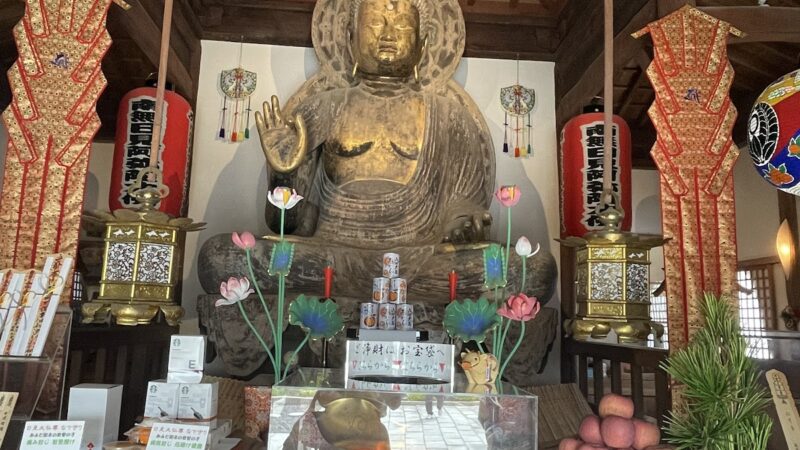
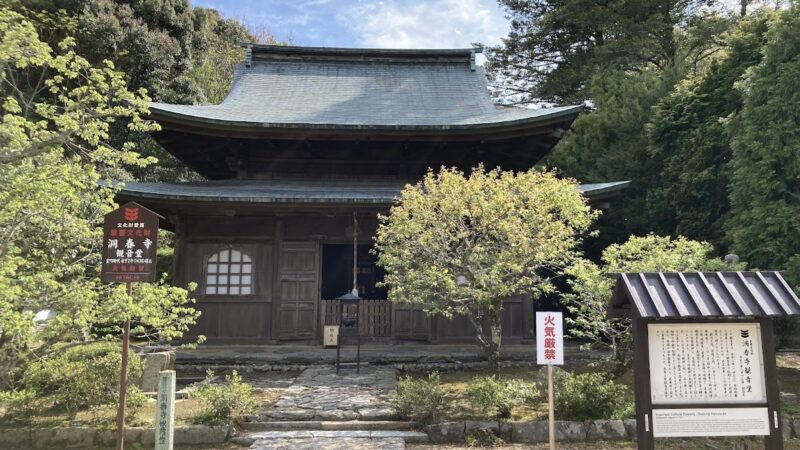
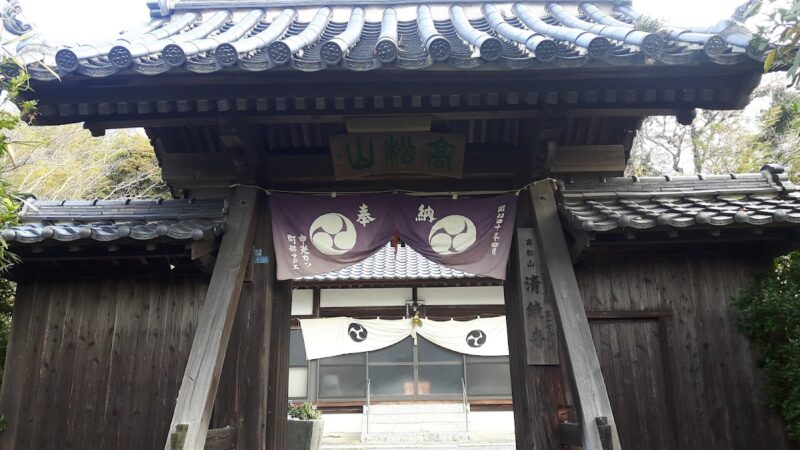
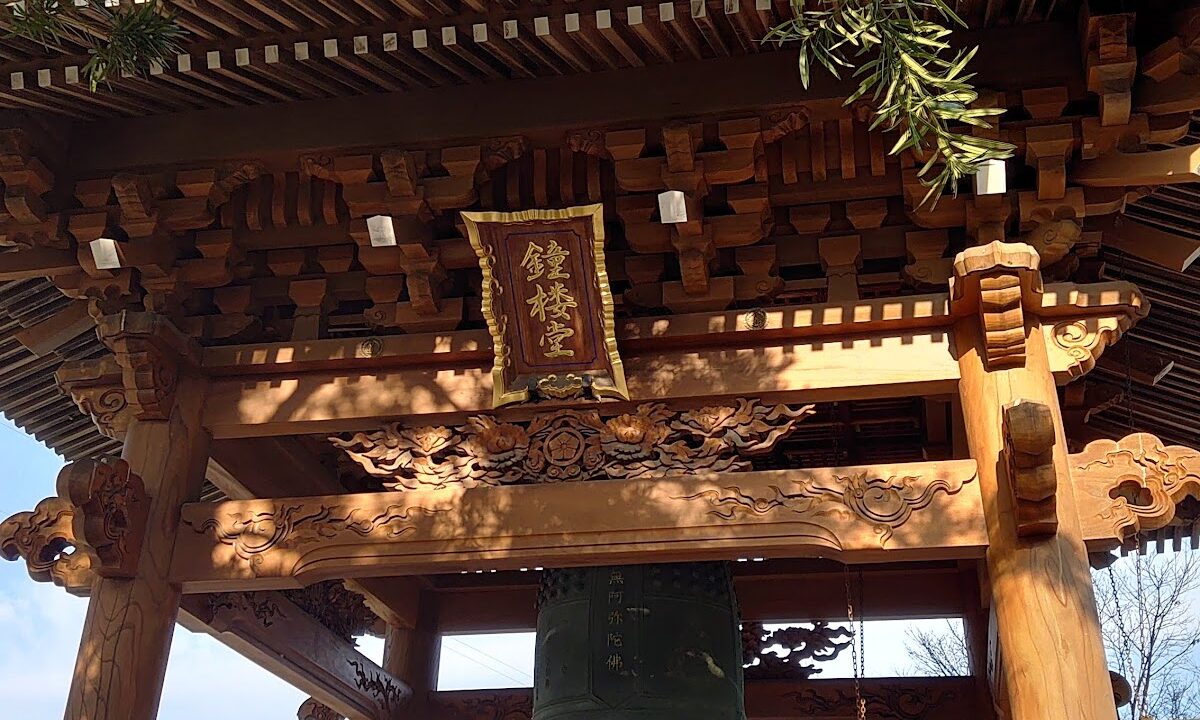
Koryuuji Temple, located in Mitsui, Hikari City, Yamaguchi Prefecture, is a historic temple belonging to the Jodo Shinshu Honganji School. It is a place of faith deeply rooted in the community and is cherished by many worshippers. This article provides detailed information you should know before visiting, including the history of Koryuji Temple, information on goshuin (temple stamps), how to worship, and access.
Basic Information about Koryuji Temple
Koryuuji Temple is a Jodo Shinshu Honganji School temple located at 3-5-26 Mitsui, Hikari City, Yamaguchi Prefecture. Its mountain name is Matsuo-san. It is easily accessible from the center of Hikari City, with Shimada Station on the JR Sanyo Main Line being the nearest station.
Location and Contact Information
- Official Name: Shobizan Koryuji Temple
- Sect: Jodo Shinshu Honganji School (Nishi Honganji School)
- Address: 3-5-26 Mitsui, Hikari City, Yamaguchi Prefecture 743-0011
- Phone Number: 0833-71-1139
- Chief Priest: Shoji Matsuo
- Visiting Hours: 10:00 AM – 6:00 PM
Access Information
Access by Train
- Approximately 10 minutes on foot or by car from JR Sanyo Main Line “Shimada Station”
- Approximately 15 minutes by taxi from JR Sanyo Main Line “Hikari Station”
Access by Car
- Approximately 15 minutes from Sanyo Expressway “Kumage IC”
- Approximately 10 minutes from the center of Hikari City via National Route 188
- Please inquire with the temple in advance regarding parking availability.
Access by Bus
- If using the Hikari City Community Bus, the temple is within walking distance from the nearest bus stop.
History and Origins of Koryuji Temple
About the Jodo Shinshu Honganji School
The Jodo Shinshu Honganji School, to which Koryuji Temple belongs, is a branch of Japanese Buddhism founded by Shinran Shonin. It is based on the teaching of salvation by the power of others, where reciting the Nembutsu “Namu Amida Butsu” promises rebirth in the Pure Land through the vow of Amida Buddha.
Its head temple is Nishi Honganji (official name: Ryukokuzan Honganji) in Kyoto, and it is one of the largest Buddhist sects in Japan, with over 10,000 temples nationwide. Characteristics of Jodo Shinshu include the fact that monks are allowed to marry, that faith is emphasized over precepts, and that there are strong ties with followers through funerals and memorial services.
The Role of Kōryūji Temple in Hikari City
Hikari City is a city of approximately 50,000 people located in the southeastern part of Yamaguchi Prefecture, blessed with a mild climate facing the Seto Inland Sea. Kōryūji Temple is located in the Mitsui district and has played an important role as a center of faith for the local people and as a place for ceremonies at important life events.
As a Jōdo Shinshū temple, it conducts Buddhist services such as funerals, memorial services, and perpetual memorial services, and continues to spread Buddhist teachings through interaction with its followers.
Information on Kōryūji Temple’s Goshuin (Temple Seal)
About the Dharma Saying Seal
Kōryūji Temple offers a “Dharma Saying Seal,” which differs from the typical temple seals. A Dharma Saying Seal is a seal inscribed with Buddhist teachings or the words of Shinran Shōnin, and is sometimes given out at Jōdo Shinshū temples.
New Dharma Saying Seals are regularly created at Kōryūji Temple, so there is a possibility of encountering a different Dharma saying each time you visit. It is a valuable item that allows you to connect with Buddhist teachings and use them as guidance for your daily life.
How to Receive a Goshuin (Temple Seal)
To receive a Goshuin at Kōryūji Temple, prior telephone contact is required. Please follow these steps:
- Prior Contact: Before your visit, call Kōryūji Temple (0833-71-1139) and inform them of your wish to receive a Goshuin.
- Confirm Visiting Hours: Confirm the available time slots (generally 10:00 AM to 6:00 PM).
- Visit on the Day: Visit the temple at the agreed time and receive your Goshuin.
- Donation: Generally around 300-500 yen (please follow the temple’s instructions).
About Goshuincho (Temple Seal Book)
If you do not have a Goshuincho, we recommend preparing one in advance. In Jōdo Shinshū temples, Goshuincho are treated with care as a symbol of faith in Amida Buddha, the principal deity.
Collecting temple stamps (Goshuin) should not be seen merely as a collection, but rather as an opportunity to forge a connection with temples and engage with Buddhist teachings.
Etiquette and Manners for Visiting Temples
Etiquette for Visiting Jodo Shinshu Temples
The etiquette for visiting Jodo Shinshu temples differs slightly from that of other Buddhist sects.
Worship in the Main Hall
- Bow slightly before entering the main hall.
- Join your hands in prayer before the principal image of Amida Buddha.
- Chant “Namu Amida Butsu” silently or aloud.
- Bow deeply.
- In Jodo Shinshu Buddhism, clapping your hands is not done.
Incense Offering Etiquette
- In Jodo Shinshu Honganji-ha, do not press the incense to your forehead; place it directly into the incense burner.
- Offering incense once or twice is common.
Attire and Manners During Worship
- Attire: There are no particularly strict regulations, but avoid revealing or flashy clothing.
- Photography: Photography is often permitted on the temple grounds, but please obtain permission beforehand for photography inside the main hall.
- Quietness: Please be quiet on the temple grounds and be considerate of other worshippers.
- Offerings: In Jodo Shinshu Buddhism, the concept of “offering money” is less prominent; instead, donations are offered as “donations” or “charities.”
Main Buddhist Rituals Held at Koryuji Temple
Annual Events
Jodo Shinshu temples hold various Buddhist services throughout the year. Koryuji Temple may also hold the following events:
Spring Memorial Services
- Spring Equinox Memorial Service (March)
- Birth Celebration (Gotan-e): A memorial service celebrating the birth of Shinran Shonin (around May 21st)
Summer Memorial Services
- Obon Memorial Service (August)
- Urabon-e
Autumn Memorial Services
- Autumn Equinox Memorial Service (September)
- Hoonko: The most important memorial service commemorating the anniversary of Shinran Shonin’s death (late November)
Winter Memorial Services
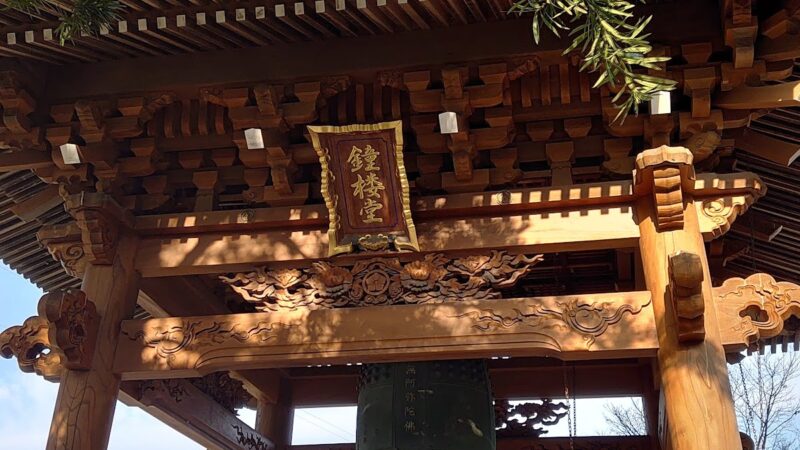
- New Year’s Eve Bell Ringing and Shusho-e (December 31st – January 1st)
For specific dates and details, please contact Koryuji Temple directly.
Funerals and Memorial Services
Koryuji Temple conducts funerals and memorial services for its parishioners.
- Funeral: Jodo Shinshu funerals are conducted as a ceremony to confirm “rebirth in the Pure Land.”
- Memorial Services: Annual memorial services such as the 7th day, 49th day, 1st anniversary, 3rd anniversary, and 7th anniversary.
- Perpetual Memorial Service: Perpetual memorial services for those without successors may be available upon consultation.
History and Culture of Hikari City
Overview of Hikari City
Hikari City is located in the southeastern part of Yamaguchi Prefecture, facing the Seto Inland Sea. It was established as Hikari Town in 1943 and became a city in 1955. Blessed with a mild climate and abundant nature, it has also developed as an industrial city.
Characteristics of Hikari City
- Population: Approximately 50,000
- Area: 92.13 square kilometers
- Local Products: Hikari City has declared itself a “Breastfeeding City” and is committed to supporting child-rearing.
- Tourism: Nijigahama Beach, Zouba-ga-misaki Cape, Ito Hirobumi Memorial Park, etc.
Temples and Shrines around Hikari City
When visiting Koryuji Temple, why not also visit other temples and shrines around Hikari City?
Main Temples in Hikari City
- Fugenji Temple: An ancient temple of the Shingon sect
- Ishijo Shrine: A representative shrine of Hikari City
Temples and Shrines in Neighboring Cities
- Kudamatsu City: Kudamatsu Shrine, Hanaoka Hachimangu Shrine
- Shunan City: Shunan City has many historical temples scattered throughout.
About the Mitsui District
The Mitsui district, where Koryuji Temple is located, is a residential area in the center of Hikari City. It is close to JR Shimada Station and has developed as an area with high living convenience.
Characteristics of the Mitsui Area
- Transportation: The nearest station is Shimada Station on the JR Sanyo Main Line.
- Commercial Facilities: Abundant supermarkets and convenience stores.
- Education: Elementary and junior high schools are nearby, making it popular with families.
- Living Environment: A quiet residential area, making it a comfortable place to live.
The Teachings of Jodo Shinshu Buddhism and Modern Life
The Teachings of Shinran Shonin
Shinran Shonin (1173-1263), the founder of Jodo Shinshu Buddhism, is known for advocating the “theory of salvation for the wicked.” This teaching states that ordinary people who cannot attain enlightenment through their own efforts are the very objects of Amida Buddha’s original vow.
Basic Teachings of Jodo Shinshu Buddhism
- Reliance on Other Power: Salvation is achieved not through one’s own power, but through the power of Amida Buddha’s vow.
- Nembutsu: Expressing gratitude to Amida Buddha by chanting “Namu Amida Butsu.”
- Equality: All people have the potential to be saved equally.
- Affirmation of This World: Practicing Jodo Shinshu Buddhism is possible while remaining a layperson, without the need for renunciation or rigorous training.
Jodo Shinshu Buddhism in Modern Times
Jodo Shinshu Buddhism continues to have many followers today and plays a central role in Japanese Buddhist culture.
Modern Significance
- Peace of Mind: Providing a sanctuary for the soul amidst the hustle and bustle of modern life
- Guidance for Life: Gaining guidance for living through Buddhist teachings
- Community: Forming a local community centered around the temple
- Preservation of Traditional Culture: Passing on Japanese traditional culture to future generations through Buddhist rituals
Visitor Voices and Experiences
The following are comments from visitors who have come to Kōryūji Temple:
Voices of Goshuin Enthusiasts
“I called first thing in the morning to request a Dharma teaching stamp. I am very satisfied to have received a new Dharma teaching stamp. The head priest was also very polite.”
“You need to contact them in advance, but in return, you will receive very courteous service. Unlike typical goshuin stamps, the Dharma teaching stamps contain Buddhist teachings, so I gain new insights every time I reread them.”
Voices of Local Residents
“My family has lived in this area for generations, and I have been familiar with Koryuji Temple since I was a child. We always rely on them for memorial services.”
“The head priest’s Dharma talks are easy to understand, and you can feel closer to the teachings of Buddhism. It is a warm temple deeply rooted in the community.”
Planning a Visit to Koryuji Temple
Preparations Before Your Visit
To ensure a smooth visit to Koryuji Temple, please make the following preparations.
- Advance Notice: If you wish to receive a Buddhist seal, please call in advance.
- Confirm Visiting Hours: Generally, hours are 10:00 AM to 6:00 PM, but these may change due to religious services, etc.
- Prepare Your Goshuincho (Stamp Book): Bring your Goshuincho if you wish to receive a Buddhist seal.
- Prepare Your Donation: Having small change ready is convenient.
- Confirm Access Methods: If using public transportation, please check the timetable.
Nearby Tourist Attractions
Why not enjoy sightseeing in Hikari City in conjunction with your visit to Kōryūji Temple?
Nijigahama Beach
- A representative beach of Hikari City
- Beautiful scenery of white sand and green pines
- Ideal for swimming in summer, and for strolling in other seasons
Ito Hirobumi Memorial Park
- Birthplace of Ito Hirobumi, the first Prime Minister of Japan
- Museum where you can learn about history
- Garden where you can enjoy flowers of all seasons
Zoubana Cape
- A scenic spot with a panoramic view of the Seto Inland Sea
- Popular for cycling and hiking
Hikari Hometown Museum
- A facility where you can learn about the history and culture of Hikari City
- Free admission
Accommodation Information
There are business hotels and inns in and around Hikari City.
- Hikari City: Several business hotels
- Shunan City: More accommodation options
- Kudamatsu City: Hotels near the station
If you are visiting from afar, we recommend planning a one-night, two-day itinerary that includes sightseeing in the surrounding area.
Kōryūji Temple and the Local Community
Engagement with the Community
Kōryūji Temple plays various roles not only as a religious facility, but also as an integral part of the local community.
Community Center
- A place for interaction with parishioners
- Participation in local traditional events
- Promotion of intergenerational exchange
Cultural Inheritance
- Transmission of Buddhist culture
- Preservation of traditional rituals
- Education for the next generation
The Role of Temples in Modern Society
In modern society, temples play the following roles:
- Mental Health Care: Providing peace of mind in a stressful society
- End-of-Life Support: Supporting preparations for the end of life
- Grief Care: Providing support for those who have lost loved ones
- Lifelong Learning: Providing a place for learning through Buddhism
Summary: Through Visiting Kōryūji Temple
Kōryūji Temple, located in Mitsui, Hikari City, Yamaguchi Prefecture, is a Jōdo Shinshū Honganji-ha temple that continues to support the faith of the local people. Known for bestowing the Dharma seal and providing courteous service, the temple conveys Buddhist teachings to its visitors.
To have a deeper experience, it is recommended to contact the temple by phone in advance and understand the customs of Jodo Shinshu Buddhism before visiting. The time spent quietly praying amidst the rich nature and history of Hikari City will be a precious moment away from the hustle and bustle of everyday life.
Why not take the opportunity to connect with the teachings of Jodo Shinshu Buddhism and reflect on yourself through a visit to Koryuji Temple? You may find peace of mind enveloped in the compassion of Amida Buddha.
Frequently Asked Questions (FAQ)
Q1: Can I get a Goshuin (temple stamp) at Koryuji Temple without a reservation?
A1: To receive the Dharma seal at Koryuji Temple, prior phone contact is required. Please be sure to contact Koryuji Temple (0833-71-1139) before your visit, state your wish to receive the Dharma seal, and arrange a visit time. Please note that we may not be able to accommodate you if you visit without a reservation.
Q2: What are the visiting hours for Kōryūji Temple?
A2: The visiting hours for Kōryūji Temple are generally from 10:00 AM to 6:00 PM. However, these hours may change due to memorial services or events, so we recommend calling ahead to confirm. Especially if you wish to receive a Dharma seal, please confirm the available visiting hours when you contact us in advance.
Q3: How do I get to Kōryūji Temple?
A3: The nearest station to Kōryūji Temple is Shimada Station on the JR Sanyo Main Line, and it’s about a 10-minute walk or drive from the station. By car, it’s about 15 minutes from Kumage IC on the Sanyo Expressway, and about 10 minutes from the center of Hikari City via National Route 188. Please contact the temple in advance regarding parking.
Q4: Does Kōryūji Temple also hold funerals and memorial services?
A4: Yes, Kōryūji Temple holds funerals and memorial services for its parishioners. We also handle annual memorial services such as the seventh day, forty-ninth day, first anniversary, third anniversary, and seventh anniversary. If you wish to arrange a funeral or memorial service, please contact Kōryūji Temple directly. We may also be able to discuss perpetual memorial services.
Q5: Are there any points to be aware of regarding Jōdo Shinshū temple etiquette?
A5: There are several differences in Jōdo Shinshū temple etiquette compared to other sects. Most importantly, you do not clap your hands (kashiwade) like at a Shinto shrine. You join your hands in prayer before the main image, recite “Namu Amida Butsu,” and bow. When offering incense, do not press the incense to your forehead; simply place it directly into the incense burner. Offering incense once or twice is common.
Q6: Please tell me about Kōryūji Temple’s annual events.
A6: As a Jōdo Shinshū temple, Kōryūji Temple holds various memorial services throughout the year. There are several important memorial services held at Koryuji Temple, including the Spring Equinox Service (March), the Buddha’s Birthday Celebration (May), the Obon Memorial Service (August), the Autumn Equinox Service (September), and the most important Hoonko (late November). For specific dates and participation details, please contact Koryuji Temple directly.
Q7: Are there any tourist attractions near Koryuji Temple?
A7: Hikari City has several tourist attractions, including Nijigahama Beach, Ito Hirobumi Memorial Park, Zoubana Cape, and the Hikari Hometown Museum. Visiting these attractions along with a visit to Koryuji Temple allows you to enjoy the nature and history of Hikari City. Nijigahama Beach, in particular, is known for its beautiful scenery of white sand and pine trees.
Q8: Can anyone visit Koryuji Temple?
A8: Yes, anyone can visit Koryuji Temple regardless of sect or faith. Even if you are not a follower of Jodo Shinshu Buddhism, you can still receive a Goshuin (temple stamp) and visit the temple. However, visitors are expected to observe proper temple etiquette and manners, and to worship in silence. Prior contact may be required, so it is recommended to check before visiting.