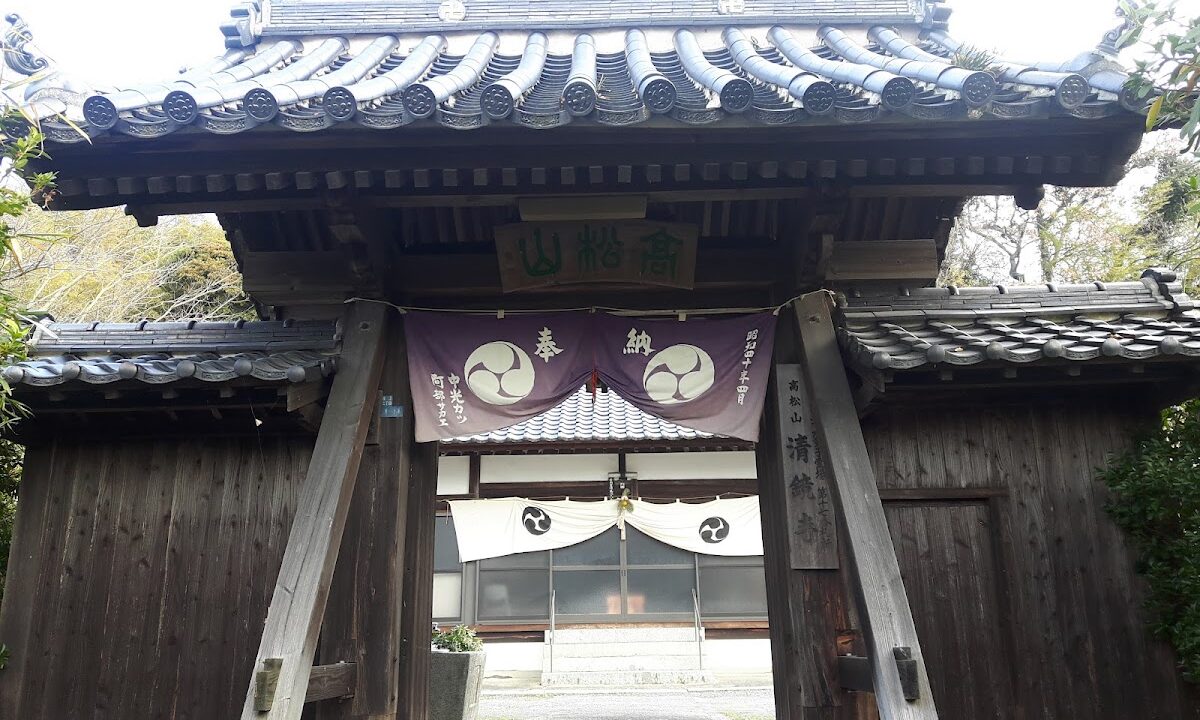
Complete Guide to Seikyo-ji Temple (Memorial Tower of Shimizu Muneharu): A Family Temple of a Sengoku Period Warlord Remaining in Hikari City, Yamaguchi Prefecture
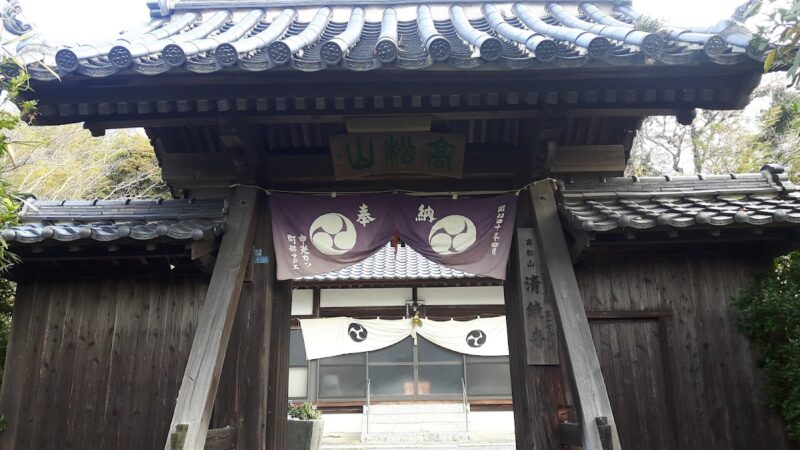
Standing quietly in Asae, Hikari City, Yamaguchi Prefecture, Seikyo-ji Temple is known as the family temple of Shimizu Muneharu, a famous general of the Sengoku period, and his retainers. It is a historical site that conveys the loyalty of Muneharu, who met a tragic end during Toyotomi Hideyoshi’s siege of Bitchu Takamatsu Castle. It is also designated as the 17th temple of the Yamaguchi Eighteen Fudo Thirty-Six Child Deities Pilgrimage and one of the Shunan Seven Lucky Gods pilgrimage sites (Ebisu).
History and Origin of Seikyo-ji Temple
From Kichijo-ji Temple to Seikyo-ji Temple
Seikyo-ji Temple was originally called “Kichijo-ji Temple,” but was renamed “Seikyo-ji Temple” in 1594 (Bunroku 3). This name change originates from Shimizu Muneharu’s posthumous Buddhist name, “Takamatsuin-dono Seikyo Soshin Daikoji,” and the temple’s mountain name is also “Takamatsu-san Seikyo-ji.”
The temple’s name itself expresses deep respect and remembrance for Shimizu Muneharu, and embodies a strong will to pass on his legacy to future generations.
Who was Shimizu Muneharu?
Shimizu Muneharu was a Sengoku period warlord known as the lord of Bitchu Takamatsu Castle, serving the Mori family. In 1582, when Hashiba Hideyoshi (later Toyotomi Hideyoshi), acting on orders from Oda Nobunaga, launched his campaign against the Chugoku region, Muneharu defended Bitchu Takamatsu Castle with approximately 3,000 to 5,000 men.
Hideyoshi surrounded the castle with a large army of approximately 30,000 men and used a tactic called “water siege,” diverting water from the Ashimori River to flood the castle. This famous “flood siege of Bitchu Takamatsu Castle” left the castle isolated and without support.
A Heroic End and a Spirit of Loyalty
On June 4th, 1582 (Tensho 10), Muneharu decided to surrender the castle in exchange for his own life to save the lives of the castle’s soldiers. Muneharu committed suicide along with seven of his brothers and retainers. One retainer had committed seppuku the day before, so a total of eight lords and retainers perished.
Muneharu’s death poem, “Now is the time to cross this fleeting world, leaving the name of a samurai in the moss of Takamatsu,” is still recounted today as a famous poem demonstrating his pride as a samurai and his loyalty to his lord.
Memorial Towers for Shimizu Muneharu and His Retainers
History Told by Eight Memorial Towers
Within the grounds of Seikyo-ji Temple, eight memorial towers, including their bases, have been erected. These are believed to be memorials for Shimizu Muneharu, his brothers and retainers who committed suicide with him, and a retainer who committed seppuku the day before—a total of eight lords and retainers.
The memorial towers are said to have been erected by Shimizu Kageharu (Muneharu’s surviving son), and embody his deep respect and admiration for his father and retainers. Each memorial tower exudes a dignified, aged appearance, quietly speaking to visitors about the history of the Sengoku period and the way of life of the samurai.
Characteristics and Arrangement of the Memorial Towers
The memorial towers are neatly arranged, with Muneharu’s memorial tower in the center. The stone towers have weathered with age, but this only enhances their sense of historical weight. Standing before the towers, one feels as if events from over 400 years ago are coming back to life before their eyes.
The Later History of the Shimizu Family and Their Connection to Hikari City
The Choice of Shimizu Kagetaka
Kagetaka (Kageharu), the orphaned son of Shimizu Muneharu, received an offer of service from Toyotomi Hideyoshi after his father’s death. However, Kagetaka refused Hideyoshi’s offer and chose to continue serving the Mori family, upholding his loyalty to the Mori family that his father had protected with his life.
This decision demonstrated that the spirit of loyalty of the Shimizu family had been passed down to his son, and the Mori family highly valued this.
Treatment in the Choshu Domain
The Choshu Domain (Mori family) praised the Shimizu family’s loyalty and granted them the rank of “Yorigumi,” the second highest rank after the main branch of the family, and a fiefdom of 2,500 koku, including Mitsui Village (the area around the present-day Hikari City Hall). This established a deep connection between the Shimizu family and Hikari City, and led to the establishment of Seikyo-ji Temple, Muneharu’s family temple, in this area.
Treasures and Highlights of Seikyo-ji Temple
Valuable Items Associated with Muneharu
Seikyo-ji Temple possesses valuable treasures related to Shimizu Muneharu. Of particular note are the “Norikura” (mountain saddle) believed to have been used by Muneharu himself, and the “Jinsho” (battle bell) used at Bitchu Takamatsu Castle.
These items are valuable historical materials that convey the spirit of the era in which Muneharu lived, and are of great significance for understanding the armor and castle culture of the Sengoku period.
Role as a Pilgrimage Site
Seikyo-ji Temple is designated as the 17th temple of the Yamaguchi Eighteen Fudo Thirty-Six Child Deities Pilgrimage and as one of the Shunan Seven Lucky Gods pilgrimage sites (Ebisu), playing an important role as a place of worship.
Especially for pilgrims on the Seven Lucky Gods pilgrimage, Ebisu at Seikyo-ji Temple is believed to bring blessings of business prosperity and family safety, and is beloved by the local people.
Access and Basic Information
Location and Transportation
Address: 2-1-14 Asae, Hikari City, Yamaguchi Prefecture 743-0021
Access by Train:
Approximately 14 minutes on foot from JR Sanyo Main Line “Hikari Station”. Head northeast from the station towards the Asae area.
Access by Car:
Approximately 15 minutes from Sanyo Expressway “Kumage IC”. Head towards Hikari city center and aim for the Asae area.
Parking and Surrounding Facilities
Seikyoji Temple has a parking lot for visitors, but space is limited, so caution is advised during busy periods such as long holidays. The surrounding area is the city center of Hikari, with restaurants and convenience stores within walking distance.
Visiting Information
Seikyoji Temple is generally open to visitors, but it is recommended to contact the temple in advance for viewing the interior of the main hall and temple treasures. Advance reservations are especially necessary for group visits or those requesting detailed explanations.
Phone Number: 0833-71-0023 (Information is also available at the Hikari City Tourism Association)
Nearby Tourist Spots
Asae Shrine and Rhododendron Garden
Asae Shrine, located within walking distance of Seikyo-ji Temple, has long been revered as the local guardian deity. Especially in spring, the rhododendron garden on the shrine grounds blooms beautifully, attracting many tourists. Visiting both Seikyo-ji Temple and Asae Shrine allows you to enjoy both the history and nature of Hikari City.
Hikari City Tourism Association and Tour Guides
The Hikari City Tourism Association offers a guided tour service called “Tour Guide Hikari,” which takes you to historical spots in the city, including Seikyo-ji Temple. By touring with a professional guide who provides detailed explanations, you can gain a deeper understanding of the story of Shimizu Muneharu and the history of Hikari City.
Historical Walk in the Murozumi District
The Murozumi district of Hikari City is a historic port town that flourished as the largest fishing port in Suo Province. This area, associated with figures like Hirobumi Ito and Yosuke Matsuoka, is a charming district with well-preserved old townscapes. It’s about a 10-minute drive from Seikyoji Temple, offering a glimpse into the diverse history of Hikari City.
Points to consider when visiting Seikyoji Temple
Best time to visit
Seikyoji Temple is open year-round, but spring and autumn are particularly recommended. Spring brings beautiful cherry blossoms and fresh greenery, while autumn brings vibrant fall foliage to the temple grounds. Avoiding the summer heat allows for a more tranquil reflection on history.
Etiquette for visiting
Seikyoji Temple is an active temple and a place of worship for the local community. Please observe the following manners when visiting the temple:
- Be quiet on the temple grounds and refrain from loud conversations.
- Do not touch the memorial towers or temple treasures.
- Take photographs only in designated areas.
- Take all your trash with you.
- Obtain prior permission before taking photographs inside the main hall.
Estimated Time Required
A visit to Seikyo-ji Temple and viewing the memorial towers usually takes 30 minutes to an hour. If you wish to delve deeper into the history or explore the surrounding Asae Shrine, it is recommended to allow about two hours.
What the Story of Shimizu Muneharu Teaches Us
The Meaning of Loyalty and Determination
The story of Shimizu Muneharu is not merely a historical episode; it offers many lessons for us living in the modern age. His loyalty to his lord, his self-sacrifice to protect the lives of his subordinates, and his unwavering pride as a samurai until the very end are highly insightful for considering modern leadership and responsibility.
Historical Memories Rooted in the Region
The existence of Seikyoji Temple in Hikari City, and its careful preservation for over 400 years, demonstrates the importance of local communities in passing on their history. The history of the Shimizu family’s unwavering loyalty to the Mori family, and the Choshu Domain’s recognition of this loyalty by granting them land in Hikari City, illustrates a Japanese culture where loyalty was valued across generations.
History and Culture of Hikari City
Tateishi Magoichiro and Modern Hikari City
Hikari City is not only a place associated with Shimizu Muneharu, but has also produced many notable figures since the Meiji era. The footsteps of people who contributed to the region’s development, such as businessman Tateishi Magoichiro, are an important part of Hikari City’s history.
The Relationship Between the Kobayakawa and Mori Families
The Mori family, whom Shimizu Muneharu served, was a leading daimyo family in the Chugoku region during the Sengoku period. The Sengoku history of this region, including its relationship with the Kobayakawa family, is complex and fascinating. Visiting Seikyoji Temple can serve as an entry point to learning about this history of the Chugoku region during the Sengoku period.
Summary: The Historical Weight Conveyed by Seikyo-ji Temple
Seikyo-ji Temple stands quietly in Hikari City, Yamaguchi Prefecture, as the family temple dedicated to Shimizu Muneharu, a renowned general of the Sengoku period, and his eight retainers. Muneharu’s spirit of loyalty, which led to his tragic end during the siege of Bitchu Takamatsu Castle, speaks to us even more than 400 years later through the memorial towers and temple treasures that remain at this temple.
Renamed from Kichijo-ji Temple to Seikyo-ji Temple in 1594 (Bunroku 3), the temple’s name derives from Muneharu’s posthumous Buddhist name, “Takamatsu-in-dono Seikyo Soshin Daikoji,” and the name itself expresses deep respect for him. The eight memorial towers lined up on the temple grounds, along with temple treasures such as the saddle used by Muneharu and the battle bell from Bitchu Takamatsu Castle, are still carefully preserved as living witnesses to history.
Located just a 14-minute walk from JR Hikari Station, Seikyoji Temple, designated as the 17th temple of the Yamaguchi Eighteen Fudo Thirty-Six Child Deities Pilgrimage and one of the Shunan Seven Lucky Gods pilgrimage sites (Ebisu), is an important spot not only for history buffs but also for pilgrims on a pilgrimage.
Nearby, there are numerous tourist attractions that showcase the diverse charms of Hikari City, such as the rhododendron garden at Asae Shrine and the historic townscape of the Murozumi district. Using the Hikari City Tourism Association’s tour guide service allows you to learn more about the story of Shimizu Muneharu and the history of Hikari City.
The story of Shimizu Muneharu’s son, Kagetaka, who refused to serve Toyotomi Hideyoshi and remained loyal to the Mori family that his father protected, and the history of the Choshu Domain, which recognized his loyalty and granted the Shimizu family a fiefdom in Hikari City, symbolizes the Japanese samurai culture where loyalty is respected across generations.
Visiting Seikyoji Temple is not just about sightseeing historical sites; it’s a valuable opportunity to reflect on the lives of the samurai who lived during the Sengoku period, their spirit of loyalty, and the meaning of the region’s continued preservation of its history. When you visit Yamaguchi Prefecture, be sure to stop by this tranquil temple and contemplate the story of Shimizu Muneharu and his retainers.