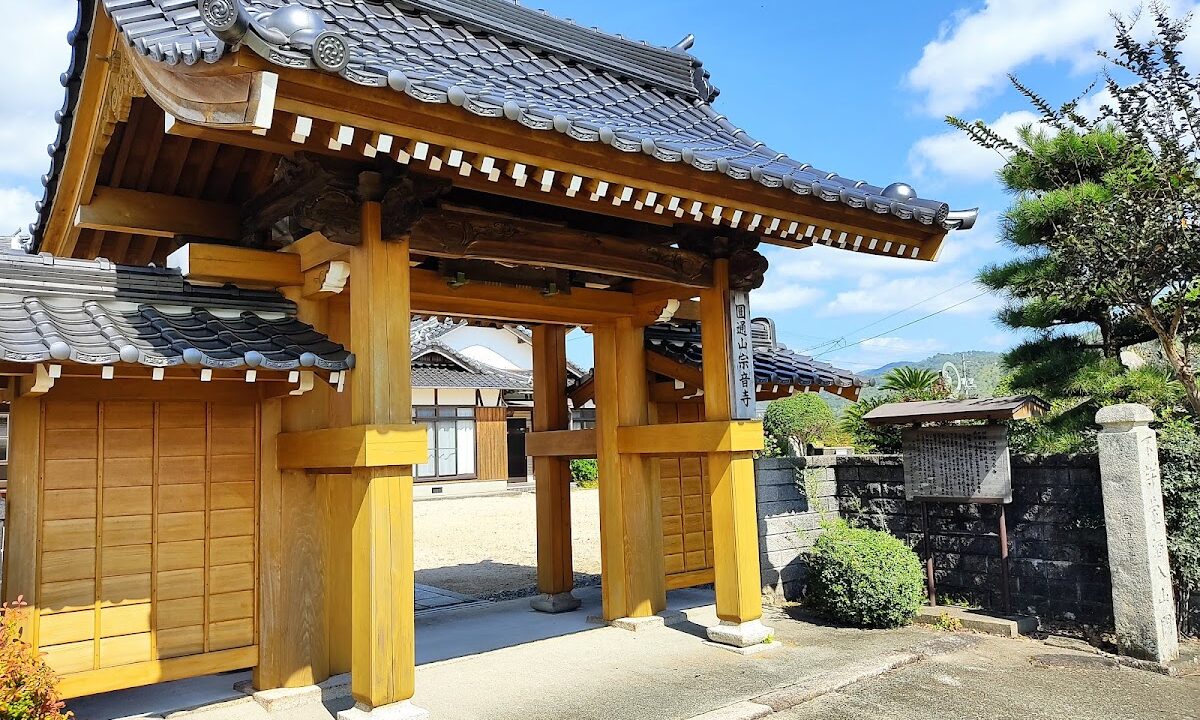
Complete Guide to Sōonji Temple (Hofu City, Yamaguchi Prefecture) | The Charm and Access Information of a Historic Sōtō Zen Temple
Sōonji Temple, located in Suzunoya, Hofu City, Yamaguchi Prefecture, is a historic temple belonging to the Sōtō Zen sect. It is a beloved place for locals to visit and pray in a tranquil environment. This article comprehensively introduces detailed information useful for those considering a visit, including the history, characteristics, visiting information, and access methods of Sōonji Temple.
About Sōonji Temple
Sōonji Temple is a Sōtō Zen temple located at 1023 Suzunoya, Hofu City, Yamaguchi Prefecture. The Sōtō Zen sect is a branch of Zen Buddhism, known for its emphasis on the practice of “Shikantaza,” or simply sitting meditation. Based on the teachings of the Sōtō Zen sect, Sōonji Temple has continued to serve as a spiritual center for the local community for many years.
What is the Sōtō Zen Sect?
The Sōtō Zen sect boasts the largest number of temples among the Zen Buddhist sects in Japan. The Soto Zen sect was introduced to Japan during the Kamakura period by Zen Master Dogen and spread throughout the country by Zen Master Keizan. It has two head temples: Eihei-ji in Fukui Prefecture and Soji-ji in Kanagawa Prefecture.
A key characteristic of the Soto Zen sect is its teaching of “Shusho Itto” (修証一等). This posits that practice and enlightenment are not separate entities, but rather that the practice of zazen (seated meditation) itself is enlightenment. Based on this teaching, Soonji Temple conducts daily practice and missionary activities in the local community.
History and Origins of Soonji Temple
Soonji Temple is known for its long history as a temple deeply rooted in the local community. Hofu City is a historical region where the capital of Suo Province was located, and many temples and shrines are scattered throughout. Soonji Temple is one of the temples that has walked hand in hand with the history of this region.
Yamaguchi Prefecture flourished as the base of the Mori clan, and many temples were built there from the Sengoku period to the Edo period. Soto Zen temples are spread throughout the prefecture and have played an important role as places of worship for local residents.
Features and Highlights of the Temple Grounds
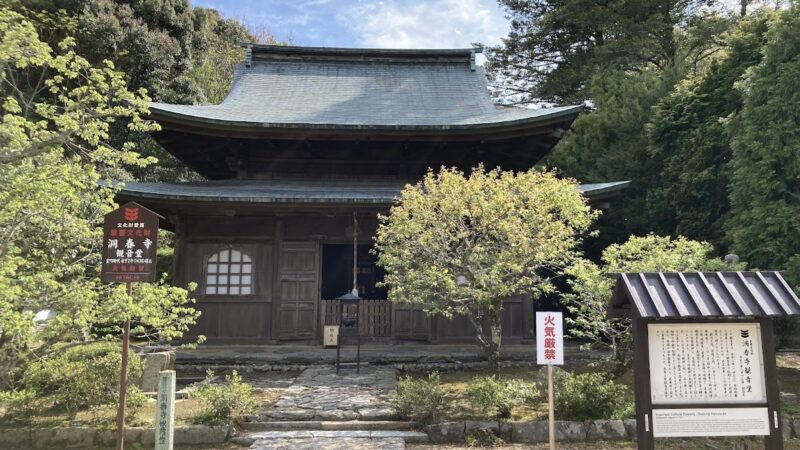
The grounds of Soonji Temple maintain a tranquil atmosphere despite being located in a quiet residential area. Typical of Soto Zen temples, it is characterized by its simple yet solemn appearance.
Main Hall
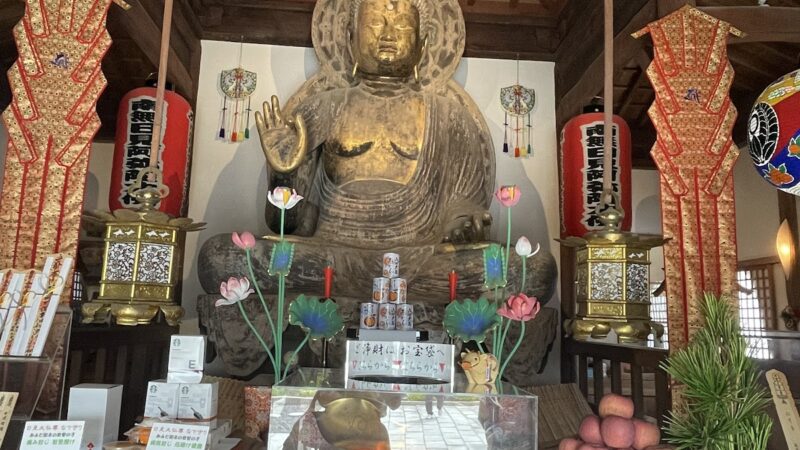
The main hall is the central building of the temple and houses the principal image. In Soto Zen temples, Shakyamuni Buddha is generally the principal image. Daily services and religious ceremonies are held in the main hall, and it serves as a gathering place for parishioners and visitors.
Zen Meditation Hall
Many Soto Zen temples have a dedicated space for Zen meditation. Zen meditation sessions are sometimes held there as a place for practicing “Shikantaza” (just sitting). Those interested in Zen meditation are advised to inquire with the temple in advance.
Natural Environment of the Temple Grounds
The Suzuya district of Hofu City is blessed with a rich natural environment. The temple grounds feature plants and trees that display different appearances with each season. Cherry blossoms in spring, lush greenery in summer, vibrant autumn leaves, and a tranquil landscape in winter welcome visitors.
Etiquette and Manners for Visiting
When visiting Sōonji Temple, it is important to observe basic temple etiquette.
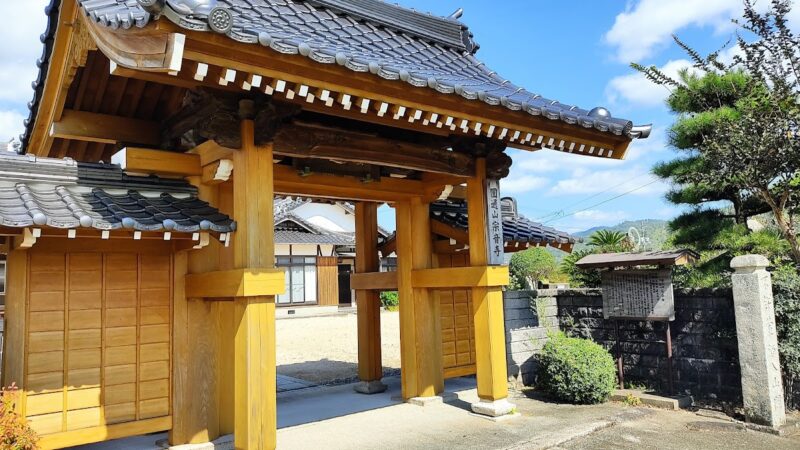
Bowing at the Temple Gate
When entering the temple, bow before the temple gate. This shows respect to the Buddha and signifies a mental shift from the secular world to a sacred space.
Worship at the Main Hall
Before the main hall, quietly join your hands in prayer and bow. Unlike Shinto shrines, clapping is not done at temples. The basic principle is to calm your mind and quietly join your hands.
Photography
Photography is permitted on the temple grounds as long as it does not disturb other visitors. However, permission is required before photographing the interior of the main hall or Buddha statues.
Dress Code
There are no specific dress code requirements, but clean and subdued attire appropriate for a sacred temple is desirable. ## Main Events Held at Sōonji Temple
Sōtō Zen temples hold various events throughout the year.
Spring and Autumn Equinox Ceremonies
The week centered around the spring and autumn equinoxes is the Higan period. During this time, memorial services are held for ancestors.
Obon Memorial Service
In August, the Urabon-e (Obon Festival) is held to welcome and honor the spirits of ancestors.
Year-End and New Year Events
On New Year’s Eve, the temple bell is rung, and in the new year, the Shūshō-e (New Year’s service) is held.
Zen Meditation Sessions
Sōtō Zen temples often hold regular Zen meditation sessions. Beginners are often welcome, so those interested are encouraged to inquire with the temple.
Basic Information
Basic information about Sōonji Temple is summarized below. Please use this as a reference before your visit.
Temple Name: Soonji Temple
Sect: Soto Zen Buddhism
Address: 1023 Suzuya, Hofu City, Yamaguchi Prefecture 747-0105
Phone Number: Please check the latest information on Soto Zen Navi before visiting.
Visiting Hours: Visiting is generally during the daytime, but may not be possible during religious services.
Admission Fee: Regular visits are free.
Parking: Please inquire in advance for details.
Official Website: Information is available on Soto Zen Navi (the official Soto Zen temple portal site).
Access Information
We will guide you on how to access Soonji Temple.
Access by Car
Access from Sanyo Expressway:
- Approximately 15-20 minutes from Sanyo Expressway “Hofu East IC” or “Hofu West IC”
- Enter the address “1023 Suzuya, Hofu City, Yamaguchi Prefecture” into your car navigation system.
Access from Hofu City Center:
- Approximately 10-15 minutes from Hofu city center via prefectural roads
- Suzuya area is located in the northeastern part of Hofu City.
Access by Public Transportation
Using the JR Sanyo Main Line:
- The nearest station is JR Sanyo Main Line “Hofu Station”
- Approximately 15-20 minutes by taxi from Hofu Station
- If using the bus, take a Bocho Kotsu bus bound for Suzuya from Hofu Station, get off at the nearest bus stop, and walk for a few minutes.
Landmarks in the Surrounding Area
Suzuya area is located in a residential area of Hofu City. The surrounding area is a quiet environment with a rural landscape. When visiting, it is recommended to check the exact location using a map app beforehand.
Other Temples and Shrines in Hofu City
Besides Sōonji Temple, Hofu City has many other historical temples and shrines.
Hofu Tenmangu Shrine
Hofu Tenmangu Shrine, one of Japan’s three great Tenjin shrines, is dedicated to Sugawara no Michizane, known as the god of learning. It is bustling with many worshippers during New Year’s and exam season.
Amidaji Temple
A Kegon sect temple, founded by Chōgen Shōnin, who served as the chief fundraiser for the reconstruction of Tōdaiji Temple. It is a renowned temple possessing numerous national treasures and important cultural properties.
Suō Kokubunji Temple
One of the Kokubunji temples established throughout Japan by order of Emperor Shōmu during the Nara period. It is a historical temple that still retains traces of its former glory.
Soto Zen Teachings and Practices
Knowing the basic teachings of Soto Zen will lead to a deeper understanding and experience when visiting Soonji Temple.
Shikan Taza (Just Sitting)
The core of Soto Zen practice is zazen (seated meditation). “Shikan Taza” means simply sitting. It is not a means to attain enlightenment, but rather a teaching that zazen itself is the form of Buddha.
Practice in Daily Life
In Soto Zen, not only zazen, but all aspects of daily life are considered practice. Emphasis is placed on approaching each daily action, such as eating, cleaning, and sleeping, with mindfulness.
Memorial Services and Gratitude
Expressing gratitude and offering prayers for the deceased, such as ancestral memorial services and Segaki (feeding of hungry ghosts) services, are also important practices in Soto Zen. Soonji Temple also regularly holds memorial services for its parishioners.
Temple Experiential Activities
In recent years, many Soto Zen temples offer various experiential activities that the general public can participate in.
Zen Meditation Experience
Beginner-friendly Zen meditation sessions offer thorough instruction on the proper way to practice Zen meditation. This quiet time spent reflecting on oneself provides a valuable escape from the hustle and bustle of everyday life.
Sutra Copying Experience
Copying Buddhist scriptures has the effect of calming the mind and improving concentration. You can begin with shorter scriptures such as the Heart Sutra.
Dharma Talk
Dharma talks by the head priest offer insights into Buddhist teachings and wisdom applicable to daily life.
Vegetarian Cuisine
Some temples offer opportunities to sample vegetarian cuisine. Made solely from plant-based ingredients without meat or fish, vegetarian cuisine is healthy and environmentally friendly.
The Significance of Temple Visits
What is the significance of visiting temples in modern society?
Peace of Mind
Spending time in the quiet grounds of a temple, away from the hustle and bustle of daily life, brings peace of mind. Even simply taking deep breaths in a natural environment can have a refreshing effect.
Learning about History and Culture
Temples are treasure troves of cultural assets with long histories. You can experience various works of art, including architecture, sculpture, and painting.
Gratitude to Ancestors
Ancestor worship is a traditional Japanese custom. By praying at a temple, you can reaffirm your roots and renew your feelings of gratitude.
Connection with the Community
Local temples have played a central role in their communities. By participating in temple events, you can deepen your connections with local people.
Buddhist Culture in Yamaguchi Prefecture
Yamaguchi Prefecture is a region where Buddhist culture has historically flourished.
The Mori Clan and Buddhism
The Mori clan, a powerful daimyo family during the Sengoku period, protected Buddhism and built many temples. At one time, Yamaguchi City was so densely populated with temples that it was called “the Kyoto of the West.”
Spread of Zen Buddhism
Zen Buddhism, such as the Soto and Rinzai schools, was widely accepted by the samurai class. Many Zen temples exist within Yamaguchi Prefecture, and they have had a significant influence on the region’s spiritual culture.
Role in Modern Times
Even today, temples in Yamaguchi Prefecture play a vital role in the local community. They are active in a wide range of fields, including not only funerals and memorial services, but also education, welfare, and cultural activities.
Recommended Time to Visit Sōonji Temple
Sōonji Temple can be visited throughout the year, but each season offers a different charm.
Spring (March-May)
During cherry blossom season, the temple grounds are enveloped in a vibrant atmosphere. Memorial services are also held during the spring equinox.
Summer (June-August)
The greenery is lush, and the season is full of vitality. Memorial services for ancestors are held during the Obon period.
Autumn (September-November)
This is a season of beautiful autumn foliage. It is also the time for the autumn equinox and autumn memorial services.
Winter (December-February)
The temple, enveloped in silence during winter, offers a deeper spiritual experience. The New Year’s Eve bell ringing and the first shrine visit of the New Year are also highly recommended.
Notes for Visitors
Please note the following points when visiting Sōonji Temple:
Advance Contact
We may not be able to accommodate you due to religious services or events, so we recommend contacting us in advance, especially if it is your first visit or if you wish to participate in a Zen meditation session.
Maintaining a Quiet Environment
Temples are places of training and prayer. Please refrain from speaking loudly or making noise.
Eating and Drinking on the Temple Grounds
Please refrain from eating and drinking except in designated areas.
Bringing Pets
Please check in advance regarding bringing pets.
Take Your Trash Home
To keep the temple grounds clean, please be sure to take your trash home with you.
Utilizing Sōtō Zen Navi
The official Sōtō Zen temple portal site, “Sōtō Zen Navi,” allows you to search for information on Sōonji Temple and other Sōtō Zen temples nationwide. By using this site, you can obtain the latest and most detailed temple information. ### Temple Search Function
This function allows you to search by region or temple name, making it easy to find other Soto Zen temples in Yamaguchi Prefecture.
Event Information
Information on events and activities held at each temple is also posted.
Soto Zen Official Instagram
The official Instagram account of the Soto Zen sect features beautiful photos of Soto Zen temples nationwide, as well as information on Zen teachings and seasonal events. Following this account will allow you to learn more about the charm of the Soto Zen sect.
Summary
Sōonji Temple is a Soto Zen temple located in Suzunoya, Hofu City, Yamaguchi Prefecture. It is a place where people can find peace of mind and tranquility during their visit, and is cherished by the local community. The temple continues to practice the Soto Zen teaching of “Shikantaza” (just sitting) and contribute to the local community.
When visiting Hofu City, why not visit Sōonji Temple along with other famous temples and shrines such as Hofu Tenmangu Shrine and Amidaji Temple? Taking time away from the hustle and bustle of everyday life to quietly reflect on yourself is sure to bring new insights to your heart.
Before your visit, please check the latest information on Soto Zen Navi and observe proper temple etiquette to ensure a more fulfilling experience. We hope your time at Soonji Temple will be a peaceful and relaxing experience.