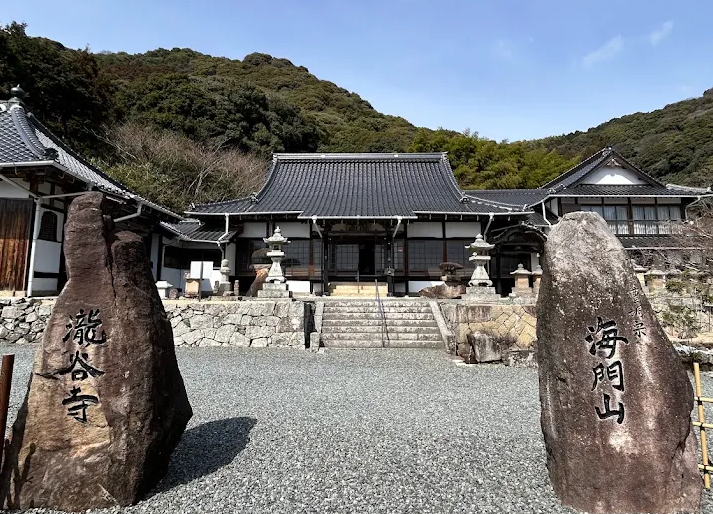
Takitani-ji Temple (Yamaguchi Prefecture) | Complete Guide to History, Highlights, and Access
Yamaguchi Prefecture is home to numerous historical temples, but among them, Takitani-ji Temple captivates visitors with its tranquil atmosphere in harmony with nature. This article provides a detailed explanation of Takitani-ji Temple, from its historical background to its highlights within the temple grounds and practical information for visitors.
What is Takitani-ji Temple?
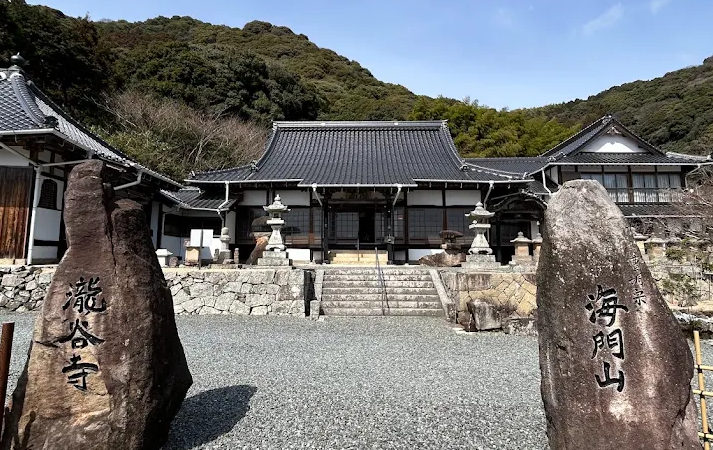
Takitani-ji Temple is a Buddhist temple located in Yamaguchi Prefecture, with a long history as a center of local faith. Situated in a quiet mountainous area, it creates a space where the beauty of nature in each season and historical buildings harmonize.
The temple’s name, “Takitani,” is thought to originate from the surrounding topography and water flow, and it has long been revered as a sacred place deeply connected to water. Even today, it stands quietly as a spiritual haven for local residents and tourists alike.
History of Takitani-ji Temple
Origin of Founding
There are several local legends regarding the founding of Takitani-ji Temple. According to records dating back to the medieval period, the temple’s origins lie in a monk who, while training in the mountains, felt a spiritual presence in this place and built a temple.
Yamaguchi Prefecture has long been under the rule of powerful daimyo such as the Ouchi and Mori clans, and temple culture developed within the context of these samurai relationships. It is believed that Takitani-ji Temple, too, has developed deep ties with the local community within this historical background.
Changes Through the Ages
From the Sengoku period to the Edo period, many temples in Yamaguchi Prefecture were affected by war and political upheaval. Takitani-ji Temple was no exception, and it has reached its current form after several reconstructions and restorations.
During the Edo period, the temple’s foundation was solidified with the establishment of the local danka system (parishioner system). Although it was affected by the anti-Buddhist movement after the Meiji Restoration, it has continued to preserve its Buddhist traditions, supported by the deep faith of the local residents.
Progress in Modern Times
As times have changed from Showa to Heisei and then to Reiwa, Takitani-ji Temple has maintained its traditions while adapting to modern society. The preservation and repair of the buildings and the maintenance of the temple grounds are progressing, and its value as a cultural property is being re-evaluated.
Highlights of the Temple Grounds
Main Hall
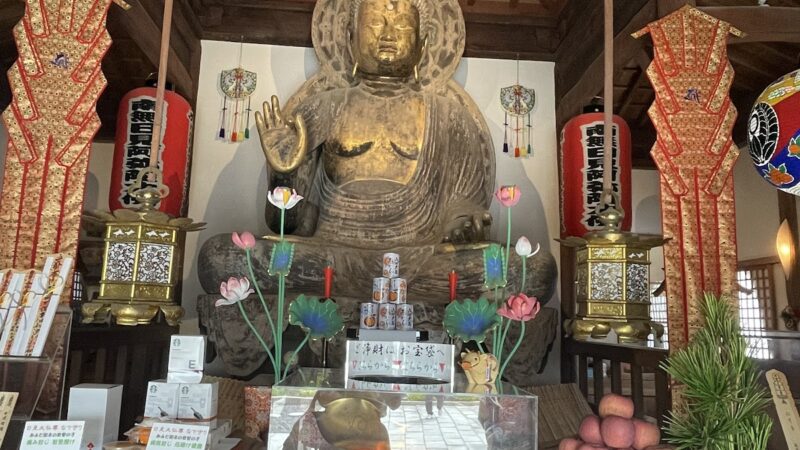
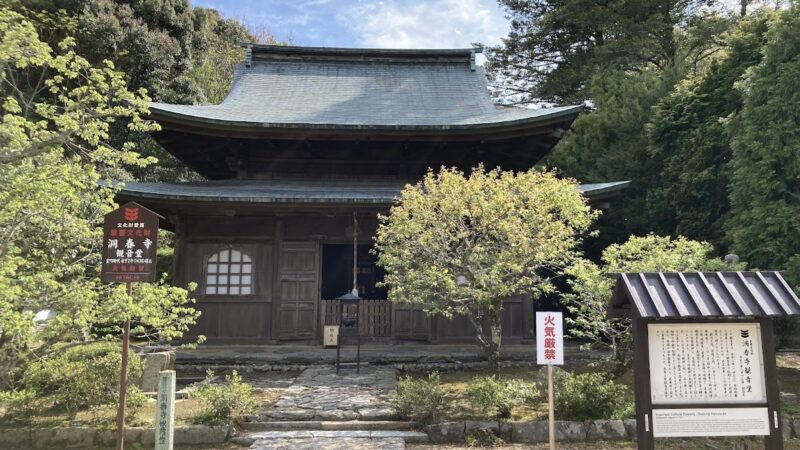
The main hall of Takitani-ji Temple is a valuable building that conveys the style of traditional Japanese architecture to the present day. The warm atmosphere unique to wooden architecture and the detailed decorations catch the eye of visitors.
The principal image is enshrined inside the main hall, and visitors can be seen quietly offering their prayers. The carvings on the transoms and the ceiling paintings inside the hall are also highlights, showcasing the high level of craftsmanship of the time.
Gardens and Natural Environment
One of the charms of Takitani-ji Temple is the rich natural environment surrounding it. Seasonal flowers bloom within the temple grounds, and the cherry blossoms in spring, the fresh greenery in early summer, and the autumn leaves create particularly magnificent scenery.
A waterfall and stream, which are the origin of the temple’s name, are nearby, and the sound of water brings tranquility and a sense of freshness to the temple grounds. This sense of unity with nature is a major characteristic of Takitani-ji Temple.
Stone Sculptures and Cultural Heritage
Within the temple grounds, numerous stone Buddha statues and stone pagodas, donated by successive chief priests and parishioners, are scattered. These are not merely religious relics, but also valuable cultural heritage that tells the story of the region’s history.
Particularly noteworthy are the stone sculptures created during the Edo period, which serve as important historical documents for understanding the religious practices and stonemasonry techniques of that time.
Annual Events and Memorial Services
Regular Memorial Services
Takidani-ji Temple holds various memorial services and events throughout the year. Monthly memorial services bring together parishioners and local residents for ancestral veneration and prayers.
The spring and autumn equinox services and the Obon memorial service are particularly important events, attracting many visitors.
Special Events
Several special memorial services and festivals are held throughout the year. These events also serve as venues for the transmission of local traditional culture and provide opportunities for intergenerational exchange.
On the founding anniversary and the anniversary of the principal deity’s festival, special ceremonies and events may be held on the temple grounds.
Etiquette and Manners for Visiting
Basic Way to Visit
When visiting Takitani-ji Temple, first bow at the main gate before entering the grounds. If there is a water basin, purify your hands and mouth before proceeding to the main hall.
In front of the main hall, quietly join your hands in prayer and offer your prayers with sincerity. If you wish to make an offering, quietly place it in the offering box. After visiting, return the way you came, bow again at the main gate, and exit.
Manners on the Temple Grounds
Temples are sacred places, and silence is required. Please refrain from loud conversations and noisy behavior. Photography is only permitted in designated areas; in particular, photography may be prohibited inside the main hall.
Please be careful not to touch the plants or stone structures on the temple grounds, and be sure to take your trash with you or dispose of it in the designated area.
Access Information
Access by Public Transportation
To visit Takitani-ji Temple using public transportation, you will need to take a bus or taxi from the nearest train station. While some major train stations in Yamaguchi Prefecture have bus routes, the number of services may be limited, so it is recommended to check the timetable in advance.
If you are walking from the bus stop, you can reach the temple by following the signs, but since there are sections of mountain trails, wearing comfortable walking shoes is recommended.
Access by Car
Access by car is the most convenient. You can reach the temple via local roads from major expressway interchanges in Yamaguchi Prefecture. Entering the temple name into your car’s navigation system will provide route guidance.
While there may be parking available on the temple grounds or nearby, spaces may be limited, so it is advisable to arrive early, especially on event days.
Landmarks and Access Points
For temples located in mountainous areas, road signs may be scarce. Signposts to the temple are often installed at points where the road branches off from major regional roads, so proceed carefully while checking these signs.
During winter, there is a possibility of snow and icy roads, so please check weather information and install winter tires or chains as needed.
Best Time and Season for Visiting
Charms of Each Season
Spring (March-May)
Spring is a beautiful season with cherry blossoms and fresh greenery. The mild climate makes for a refreshing visit. The temple grounds are especially vibrant during the cherry blossom season.
Summer (June-August)
Summer is covered in deep green, and the sound of the stream provides a refreshing coolness. However, temperatures rise, so remember to stay hydrated to prevent heatstroke.
Autumn (September-November)
Autumn is the season when the temple is most visited, as it is a famous spot for autumn foliage. The contrast between the red and yellow trees and the temple architecture creates a magnificent landscape.
Winter (December-February)
Winter has fewer visitors, allowing for a peaceful and tranquil visit. Temples amidst snowy landscapes possess a fantastical beauty.
Visiting Hours
Temples are generally open from sunrise to sunset, but specific times may vary depending on the season. To ensure a visit, it is recommended to arrive between 9:00 AM and 4:00 PM.
On days when religious services or events are held, general visits may be restricted, so it’s best to check in advance.
Nearby Tourist Attractions
Historical Sites
Yamaguchi Prefecture has many historical sites besides Takitani-ji Temple. Nearby, there are numerous temples and shrines with long histories, as well as historical sites dating from the Sengoku period to the Edo period.
When visiting Takitani-ji Temple, it’s a good idea to plan a historical walking tour that includes these historical sites. Understanding the historical background of the entire region will deepen your understanding of Takitani-ji Temple.
Natural Scenery
Yamaguchi Prefecture is blessed with abundant nature, and beautiful natural scenery surrounds Takitani-ji Temple. You can enjoy the beauty of nature throughout the seasons, including valleys, waterfalls, and forests. There are well-maintained hiking trails in some areas, allowing you to spend a day combining nature walks with temple visits.
Local Specialties and Dining Options
After visiting the temple, enjoying local specialties is another pleasure of travel. Yamaguchi Prefecture is rich in both seafood and mountain produce, and there are many restaurants serving dishes made with local ingredients.
In particular, local cuisine using seasonal vegetables, wild plants, and locally caught seafood is well worth visiting. You can also purchase local agricultural products and processed goods at roadside stations and other locations.
Guidelines for Visiting Takitani-ji Temple
Respect as a Religious Site
Takitani-ji Temple is both a tourist destination and an active religious site. Visitors are expected to respect its character as a place of worship and visit with a reverent attitude.
Especially during religious services and when monks are practicing, please maintain silence and be considerate so as not to disturb them.
Cooperation in Cultural Heritage Preservation
The buildings, stone structures, and natural environment within the temple grounds are precious cultural heritage that has been preserved over many years. Damaging or removing them must be strictly avoided.
Graffiti and littering also harm cultural heritage and the environment. Each individual’s awareness of preservation and their actions will contribute to passing it on to future generations.
Harmony with the Local Community
Takidani-ji Temple is deeply connected to the local community. Visitors must respect the living environment of local residents and be considerate of noise and traffic manners.
Interacting with local people will also enrich your travel memories. Exchanging greetings and asking about local history will lead to a deeper understanding.
To Deeply Understand the Charms of Takidani-ji Temple
Recommendation for Pre-Visit Study
Before visiting Takidani-ji Temple, acquiring basic knowledge about the history of Yamaguchi Prefecture and Buddhist culture will make your visit more meaningful. Utilize local history books, tourist guidebooks, and information on the internet.
In particular, knowing about the architectural styles of temples, the types of Buddhist statues, and the differences between sects will broaden your perspective when visiting the temple grounds.
Utilizing Guided Tours
In some areas, volunteer guides or tourist associations offer temple tours. Listening to explanations from knowledgeable guides allows you to learn about historical background and architectural features that you might not notice on your own.
Multiple Visits
To truly understand the charm of Takitani-ji Temple, one visit may not be enough. Visiting in different seasons allows you to experience the beauty of the temple grounds as they reveal different facets.
The cherry blossoms of spring, the greenery of summer, the autumn leaves, and the snowscapes of winter each have their own unique charm. Furthermore, the atmosphere changes depending on the time of day—morning, noon, and evening—so you’ll discover something new each time you visit.
What to Bring and Attire for Visiting
Recommended Attire
For visiting temples, clean and understated clothing is appropriate. Avoid overly flashy or revealing clothing. Especially when entering the main hall, it is advisable to wear clothing that minimizes skin exposure.
Temples located in mountainous areas may have lower temperatures than urban areas. Don’t forget to prepare appropriate cold weather gear and rain gear. Wearing comfortable walking shoes is also important.
Useful items to bring
- Camera: To record the beautiful scenery of the temple grounds (be aware of areas where photography is prohibited)
- Goshuincho (stamp book): Don’t forget if you collect Goshuin stamps
- Drinking water: Especially in summer, to prevent heatstroke
- Insect repellent spray: There can be many insects in mountainous areas during the summer
- Rain gear: To be prepared for changes in weather
- Handkerchief/towel: To use after purifying your hands at the water basin
Goshuin and gifts
About Goshuin
At Takitani-ji Temple, you may be able to receive a Goshuin stamp as proof of your visit. A Goshuin stamp is not merely a commemorative stamp, but a symbol of a connection with Buddha, and should be treated as something sacred. When receiving a Goshuin (temple stamp), first complete your prayers at the main hall, then present your Goshuincho (stamp book) at the temple office or sutra copying office. Pay the Goshuin fee (usually around 300-500 yen) and make your request respectfully.
Items Offered
Sometimes, items such as amulets, talismans, and prayer beads are available. These are not merely souvenirs, but should be treated with care as objects of faith.
When receiving these items, you can ask about their meaning and how to use them. Knowing how to handle them properly will allow you to use them more meaningfully.
Takitani-ji Temple and Local Culture
As a Center of Local Faith
Takitani-ji Temple is not merely a tourist spot; it has functioned as a center of faith for the local residents. It has played an important role in weddings, funerals, and annual events, supporting the cohesion of the local community.
Through the danka system (parishioner system), the temple and local residents are bound by strong ties. This relationship remains the foundation of the local community even today.
A Place for Cultural Inheritance
Takidani-ji Temple is a place for the inheritance of not only Buddhist culture but also local traditional culture. Through festivals and events, traditional performing arts and crafts are passed down to the next generation.
Traditional architectural techniques are also utilized in the maintenance and repair of the temple buildings, making it a place for the transmission of skills among craftsmen.
Photography Tips
Photography Permissions and Restrictions
Photography is generally permitted within the temple grounds, but it may be prohibited inside the main hall or in certain cultural properties. Always check before taking photos, and refrain from taking pictures in prohibited areas.
Avoid taking photos that may disturb religious ceremonies or other visitors. Note that the use of tripods may be restricted.
Tips for Taking Beautiful Photos
To capture the charm of Takidani-ji Temple in photographs, pay attention to lighting conditions and composition. The soft light of early morning or evening is ideal for beautifully photographing the architecture and nature.
By photographing temple architecture against the backdrop of the changing seasons, you can capture impressive photos that reflect the season. Especially during the autumn foliage season, you can expect to take vibrant and colorful photographs.
Sample Course for Visiting Takitani-ji Temple
Half-Day Course
This half-day course, visiting Takitani-ji Temple in the morning, is suitable for those with limited time.
- Arrive around 9:00 AM and park your car in the parking lot.
- Enter the temple grounds through the main gate and purify yourself at the water basin.
- Visit the main hall for prayer (approximately 15 minutes).
- Stroll around the temple grounds, viewing the stone structures and gardens (approximately 30 minutes).
- Obtain a temple stamp (if time permits).
- Explore the surrounding nature (approximately 30 minutes).
- Depart around noon.
Full-Day Course
This full-day course, which thoroughly explores Takitani-ji Temple and its surroundings, is recommended for those who want to gain a deeper understanding of the region.
- Arrive around 9:00 AM
- Relax and visit Takitani-ji Temple (1 hour)
- Enjoy nature walks and hikes in the surrounding area (1-2 hours)
- Lunch (Enjoy local cuisine at a local restaurant)
- Visit nearby historical sites and tourist spots (2 hours)
- Purchase local specialties at roadside stations, etc.
- Return home in the evening
Fun Facts about Takitani-ji Temple
Characteristics of Temple Architecture
Japanese temple architecture has various styles depending on the era and sect. By observing the architectural style of Takitani-ji Temple, you can infer its founding period and the history of its renovations.
Paying attention to details such as the shape of the roof, the arrangement of the pillars, and the style of decoration will allow you to understand the charm of the architecture more deeply.
Types and Meanings of Buddhist Statues
Various Buddhist statues are enshrined in temples. Buddhas, Bodhisattvas, Myoo, and Devas each have different roles and meanings. Knowing what type of Buddhist statue the main image is will help you understand the character of the temple.
Mountain Name and Temple Name
Japanese temples have both a mountain name (sangō) and a temple name (jigō). The mountain name represents the mountain or region where the temple is located, while the temple name is the temple’s unique name. Knowing the official name of Takitani-ji Temple will provide a more accurate understanding.
How to Spend Time After Visiting
Take Some Quiet Time
After visiting the temple, instead of immediately heading to your next destination, we recommend spending some quiet time in the temple grounds or surrounding area. If there are benches or rest areas, sit down, calm your mind, and savor the lingering feeling of your visit.
Listening to the sounds of nature or slowly gazing at the scenery of the temple grounds can be a refreshing experience.
Keep a Record of Your Visit
Keeping a record of your visit will create enjoyment to look back on later. Recording in a goshuincho (stamp book), writing your impressions in a diary or blog, or organizing photos will help keep your memories vivid.
When sharing on social media, remember to be considerate of other visitors and local residents. Please avoid posting information that could excessively identify personal details.
Contributions to Takiya-ji Temple
Donations and Offerings
Maintaining a temple incurs significant costs. Donations and offerings from visitors are used for building repairs, grounds maintenance, and the performance of religious ceremonies.
Beyond monetary donations, participation in cleaning activities and cooperation with temple events are also important contributions to supporting the temple.
Understanding Cultural Property Protection
Understanding the cultural value of Takiya-ji Temple and cooperating in its protection is also important. Communicating the importance of cultural property protection to others is also an indirect contribution.
Summary
Takiya-ji Temple is a historic temple nestled amidst the rich natural beauty of Yamaguchi Prefecture. Throughout its long history, it has been deeply connected to the local community, playing a vital role as a center of faith and a place for cultural transmission.
The temple grounds offer numerous attractions, including the main hall and other historical buildings, beautiful gardens, and valuable stone structures. The ever-changing natural environment throughout the seasons is one of the great attractions of Takitani-ji Temple.
When visiting, it is important to respect its nature as a religious site and observe appropriate manners. Learning about its history and culture beforehand will lead to a deeper understanding and appreciation.
A visit to Takitani-ji Temple is not merely sightseeing; it is a valuable opportunity to experience traditional Japanese culture and spirituality. By calming your mind in the tranquil temple grounds and taking time to reflect on yourself, you will surely gain insights and healing that you cannot find in everyday life.
When you visit Yamaguchi Prefecture, be sure to visit Takitani-ji Temple and experience its history and charm.