Nanbara-ji Temple (Mine City, Yamaguchi Prefecture) Complete Guide | A Mountain Temple Adorned with Seasonal Flowers and History
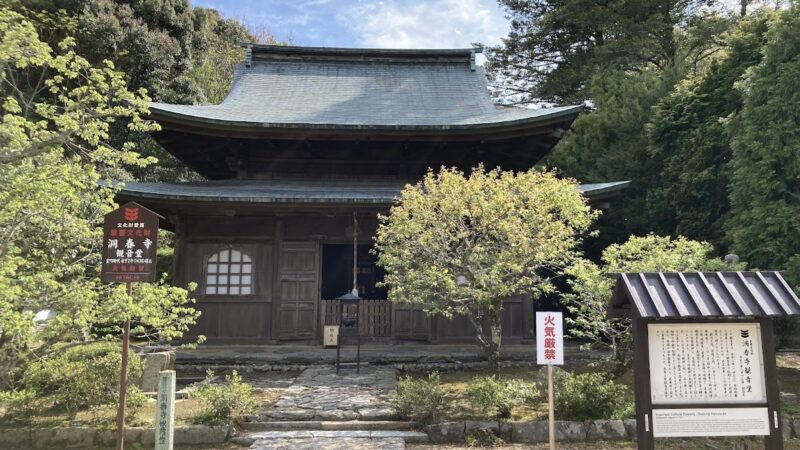
Nanbara-ji Temple, located at the ninth station of Mt. Sakura in Mine City, Yamaguchi Prefecture, is an ancient temple of the Omuro branch of Shingon Buddhism, affectionately known as the “Mountain Temple of Flowers.” From this temple, built on a mountainside at an altitude of approximately 300 meters, visitors can enjoy panoramic views of the Seto Inland Sea and even the distant Kunisaki Peninsula, captivating them with its seasonal flowers and breathtaking scenery.
History and Origins of Nanbara-ji Temple
History as the Oldest Temple in the Prefecture
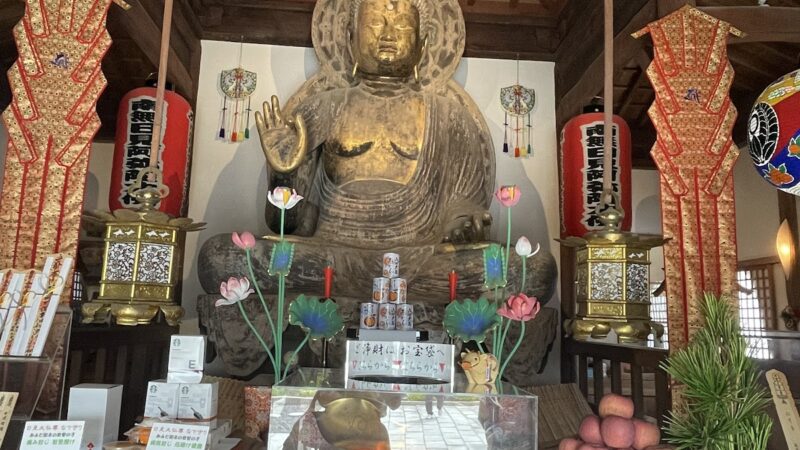
Nanbara-ji Temple is known as one of the oldest temples in Yamaguchi Prefecture. Belonging to the Omuro branch of Shingon Buddhism, it has long been a place of worship as the 17th temple on the Nagato Thirty-Three Kannon Pilgrimage. While attracting many pilgrims as a Kannon pilgrimage site, it also serves as a place of worship that resonates with modern people’s wishes, such as the “Kannon for Preventing Dementia” and the “Naru Jizo.”
Shingon Buddhism Teachings and Kannon Worship
Nanbara-ji Temple, a Shingon Buddhist temple, has continuously upheld the teachings of Esoteric Buddhism. The principal image, Kannon Bodhisattva, a symbol of compassion, brings peace to the hearts of visitors. As one of the centers of Kannon worship in the Nagato region, its history as a spiritual support for the local people is still alive in the tranquil atmosphere of the temple grounds.
Temple Grounds Adorned with Seasonal Flowers
Spring Highlight: Breathtaking Weeping Cherry Blossoms
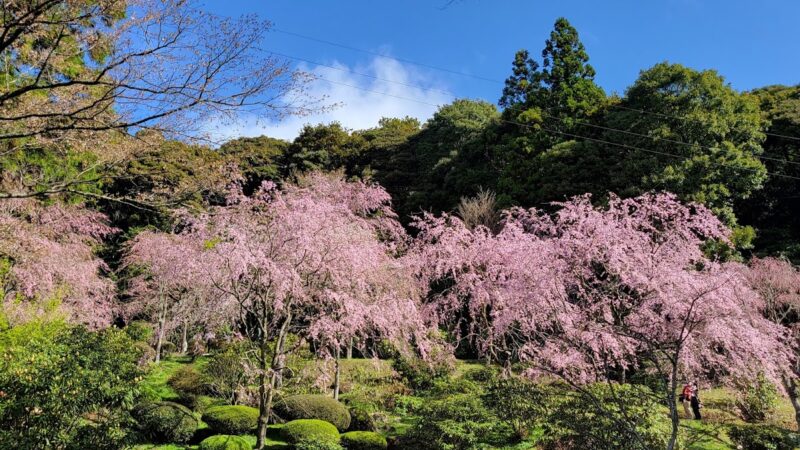
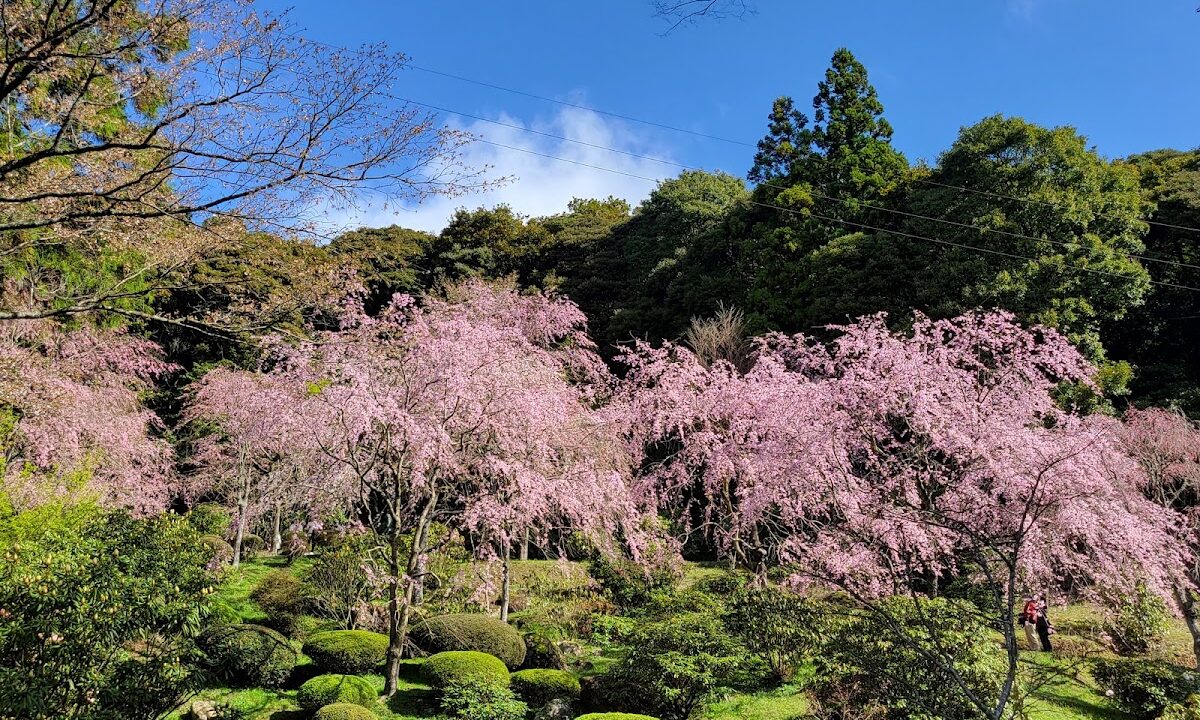
Nanbara-ji Temple is at its most vibrant during the spring cherry blossom season. Every year from early to mid-April, the weeping cherry blossoms that adorn the temple grounds reach their peak. Multiple varieties, including red weeping cherry blossoms and double-flowered red weeping cherry blossoms, bloom at staggered times, allowing visitors to enjoy the cherry blossoms for a relatively long period.
The cherry trees planted along the mountain slopes cover the temple grounds like a waterfall of blossoms, deeply moving visitors. The cherry blossoms illuminated by the early morning light, and their fantastical appearance at dusk, continue to captivate many photography enthusiasts.
Spring to Early Summer: The Splendor of Rhododendrons
After the cherry blossom season ends, rhododendrons adorn the temple grounds. From late April to May, large pink and white flowers bloom in profusion. Rhododendrons are also known as the “Queen of Flowering Trees,” and their magnificent blossoms are breathtaking. The rhododendrons, well-suited to the mountain climate, speak to the richness of the natural environment at Nanbara-ji Temple.
Autumn Tradition: The Competition of Spider Lilies and Autumn Leaves
Nanbara-ji Temple shows a different face in autumn. From late September to early October, bright red spider lilies bloom profusely throughout the temple grounds and along the approach. Also known as “Manjushage,” these flowers have a deep connection to Buddhism and add a unique charm to the temple landscape.
From late October to mid-November, the temple grounds are ablaze with autumn colors, turning red and yellow. The carpet of autumn leaves created by maple and other trees is truly a work of art created by nature. As one of the most famous autumn foliage spots in Yamaguchi Prefecture, it attracts many tourists during this time.
Winter Silence and the Breath of Early Spring
In winter, Nanbara-ji Temple presents a quiet atmosphere, but on snowy days, a beautiful landscape like an ink painting unfolds. The bare winter grounds also possess a Zen-like beauty, making it the perfect season for quiet worship. Then, in early spring, the plum blossoms begin to bloom, announcing the arrival of a new season.
Highlights and Benefits of Nanbara-ji Temple
The Kannon of Dementia Prevention
One of the distinctive objects of worship at Nanbara-ji Temple is the “Kannon of Dementia Prevention.” In today’s aging society, many worshippers visit to pray for dementia prevention and healthy longevity. The sight of people clasping their hands together before the Kannon statue, praying for physical and mental health, represents the heartfelt wishes of people across generations.
Naru Jizo
The “Naru Jizo” is also an important object of worship at Nanbara Temple. It is a beloved Jizo statue for praying for wishes to “come true,” attracting people with various wishes such as passing exams, business prosperity, and finding a good partner. Many worshippers come not only from the local area but also from far away.
Spectacular Panoramic Views from the Temple Grounds
Taking advantage of its location at the ninth station of Mount Sakura, Nanbara Temple offers magnificent views from its grounds. On clear days, you can see the Seto Inland Sea, and sometimes even as far as the Kunisaki Peninsula. This view, offering a panoramic view of Yamaguchi Prefecture’s rich natural beauty, is one of the major attractions of visiting the temple.
The scenery is especially spectacular in the early morning and at dusk; the beauty of the mountains illuminated by the morning sun and the Seto Inland Sea bathed in the setting sun leaves a deep impression on the hearts of visitors.
Access and Visiting Information
Basic Information
Location 759-2131 Horikoshi Minamihara, Isa-cho, Mine City, Yamaguchi Prefecture
Sect Shingon-shu Omuro-ha
Pilgrimage Site 17th Temple of the Nagato Thirty-Three Kannon Pilgrimage
Inquiries TEL: 0837-53-1594
Access by Car
Nanbara-ji Temple is easily accessible by car. It is approximately 15 minutes from the Mine IC on the Chugoku Expressway, and approximately 20 minutes from the Mine-Higashi JCT via the Ogori-Hagi Road. While it requires driving up a mountain road, the road is well-maintained and accessible by regular cars without problems.
The temple grounds have a parking lot for visitors, and parking is relatively easy even during cherry blossom and autumn foliage seasons. However, it can get crowded on weekends and during peak seasons, so it is recommended to visit with plenty of time to spare.
Access by Public Transportation
It’s about a 15-minute taxi ride from Mine Station on the JR Mine Line. Access by public transportation alone is somewhat inconvenient, so consider renting a car.
Points to Note When Visiting
Because it’s located on a mountainside, there are temperature differences depending on the season. Especially in spring and autumn, it can get chilly in the mornings and evenings, so it’s recommended to bring a jacket or cardigan. Also, since there are slopes and stairs within the temple grounds, it’s important to wear comfortable shoes.
During the flower season, many visitors come, so visiting earlier in the day, especially during the peak of cherry blossoms and autumn leaves, will allow you to stroll through the grounds at your leisure.
Nearby Tourist Attractions
Akiyoshidai and Akiyoshido Cave
Akiyoshidai, located about 20 minutes by car from Nanbara-ji Temple, is famous as one of Japan’s largest karst plateaus. Its unique landscape, with limestone pillars scattered across a vast grassland, is designated as a Special Natural Monument of Japan. Beneath Akiyoshidai lies numerous limestone caves, including Akiyoshido Cave, offering a mystical underground world to explore.
After enjoying the seasonal flowers at Nanbara-ji Temple, a course that allows you to fully appreciate the magnificent nature of Akiyoshidai is a classic sightseeing route in Mine City.
Mine City Historical and Folk Museum
This facility allows you to learn about the history and culture of Mine City. Historical materials from the Mine region, from ancient times to the present day, are on display, allowing for a deeper understanding of the historical background of Nanbara-ji Temple.
Michi-no-Eki Ofuku
This roadside station offers local specialties and fresh agricultural products. It also features a restaurant serving dishes made with ingredients from Mine City, making it an ideal rest stop for tourists.
Photography Tips at Nanbara-ji Temple
Best Time for Cherry Blossom Photography
For photographing weeping cherry blossoms, it’s recommended to do so in the soft light of early morning. On days with morning mist, you can capture fantastical photographs. Furthermore, the cherry blossoms against a blue sky are also beautiful, and you can enjoy various expressions depending on the weather.
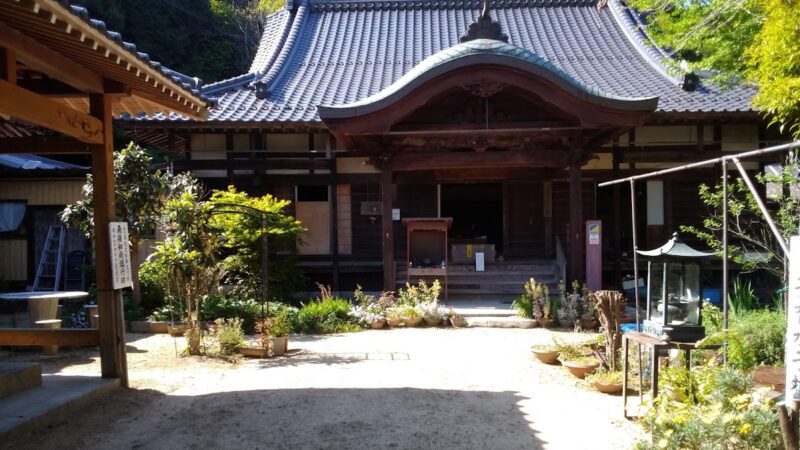
By utilizing the elevation differences within the temple grounds, you can take diverse shots, such as angles looking up at the cherry blossoms or compositions that include the distant scenery. In particular, compositions combining the main hall and cherry blossoms are popular as a unique landscape of Nanbara-ji Temple.
Tips for photographing autumn leaves
When photographing autumn leaves, using the afternoon’s oblique light will make the leaf colors appear more vibrant. The path covered with fallen leaves also makes an excellent subject. Combining the stone steps and lanterns within the temple grounds with the autumn leaves will allow you to take photographs full of Japanese atmosphere.
Please observe proper etiquette when photographing
While we understand your desire to take beautiful photos, Nanbara-ji Temple is also a place of worship. Please be considerate of other visitors, and when using a tripod, be careful not to obstruct the passage of others. Also, it is important not to enter restricted areas and to be careful not to damage the plants.
Goshuin (Temple Seals) and Amulets
About Goshuin
At Nanbara-ji Temple, you can receive a Goshuin (temple seal). As a pilgrimage site for the 33 Kannon temples of Nagato, the Goshuin is a precious memento for pilgrims. The carefully written calligraphy and red seal are cherished by many as a memento of their visit.
When receiving a Goshuin, please bring your Goshuincho (stamp book) and request it at the temple office after your visit. It may take some time during busy periods, so it is recommended to visit with plenty of time to spare.
Amulets and Offerings
Nanbara-ji Temple offers various amulets, including those for warding off dementia, promoting health and longevity, and ensuring traffic safety. The dementia-prevention amulet is particularly popular as a souvenir for elderly family members. There are also seasonal offerings, so it’s a good idea to check at the temple office when you visit.
Enjoying the Charms of Mine City
Nature and History of Mine City
Mine City is blessed with abundant nature, including Akiyoshidai Plateau. It once flourished as a coal mining town, and traces of that history remain in various places throughout the city. Mine City, where nature and history harmonize, is a fascinating area that you’ll want to explore at a leisurely pace.
Enjoy Local Cuisine
Mine City is dotted with restaurants where you can enjoy dishes made with local ingredients. Dishes using Akiyoshidai Plateau beef and local vegetables, as well as Yamaguchi Prefecture’s regional cuisine, will broaden your travel enjoyment. Enjoying Mine City’s cuisine before or after visiting Nanbara-ji Temple is highly recommended.
Refreshing in Hot Springs
Around Mine City are some of Yamaguchi Prefecture’s leading hot spring resorts, such as Yuda Onsen and Tawarayama Onsen. A popular way to spend your time is to relax your body in a hot spring after finding peace of mind at Nanbara-ji Temple. In particular, a hot spring tour combined with sightseeing at Akiyoshidai is a classic Yamaguchi Prefecture tourist route.
Annual Events and Festivals
Spring Cherry Blossom Festival
During the cherry blossom season, many worshippers and tourists visit. While there isn’t an officially named “Cherry Blossom Festival,” this is the most vibrant time of year for the temple grounds. On weekends, local residents may provide guidance, and temporary tea stalls may be set up.
Autumn Foliage Season
From late October to mid-November, when the autumn leaves are at their peak, the temple is also bustling with many worshippers. The weather is pleasant during this time, making it ideal for hiking and exploring the surrounding area.
Regular Buddhist Services and Events
As a Shingon Buddhist temple, various Buddhist services are held throughout the year. For information on special event dates, it is recommended to inquire with the temple in advance.
Visitor Feedback and Reputation
Impressions of the Beauty of Flowers
Many visitors to Nanbara-ji Temple have expressed their awe at the beauty of the flowers throughout the seasons. The overwhelming beauty of the weeping cherry blossoms, in particular, has garnered many comments such as “It was beyond my expectations” and “I want to come again.” Numerous beautiful photos are posted on social media using hashtags like “#Nanbara-ji” and “#Hana no Yama-dera” (Flower Mountain Temple).
Quiet Atmosphere and Healing Space
Outside of the flower season, the temple is relatively quiet, allowing for a peaceful visit, which is also highly appreciated. The tranquil atmosphere of the temple grounds and the sense of openness derived from its mountainside location provide deep healing to visitors.
Access and Facilities
The convenient access by car and the availability of parking are popular features. However, some caution is advised for those unfamiliar with driving, as it involves driving up a mountain road. While the temple grounds are well-maintained, there are slopes and stairs, so those with mobility issues are advised to take their time and explore slowly.
Quiet Atmosphere and Healing Space
Outside of the flower season, the temple is relatively quiet, allowing for a peaceful visit. ## Model Course for Visiting Nanbara-ji Temple
Half-Day Course: Nanbara-ji Temple and Akiyoshidai
Morning
9:00 Arrive at Nanbara-ji Temple, visit and stroll around the grounds (1.5 hours)
10:30 Travel to Akiyoshidai (20 minutes)
11:00 Enjoy the spectacular view from Akiyoshidai Observatory
12:00 Visit Akiyoshido Cave
Afternoon
13:00 Lunch in the surrounding area
14:00 Shopping at Michi-no-Eki Ofuku
Full-Day Course: Mine City Full Enjoyment Plan
Morning
8:30 Arrive at Nanbara-ji Temple, visit in the morning tranquility (2 hours)
10:30 Visit Mine City Historical and Folk Museum
12:00 Lunch at a local restaurant
Afternoon
13:30 Sightseeing at Akiyoshidai and Akiyoshido Cave (3 hours)
16:30 Purchase local specialties at a roadside station
17:30 Relax in a hot spring
Photography-Focused Course
Early Morning
6:00 Arrive at Nanbara-ji Temple, photograph cherry blossoms and autumn leaves in the morning mist
8:00 Breakfast break
Morning
9:00 Landscape photography at Akiyoshidai
11:00 Explore surrounding natural spots
Afternoon
13:00 Lunch
14:00 Return to Nanbara-ji Temple, photograph in the afternoon light
16:00 Prepare for sunset photography
17:00 Sunset photography
Summary: A memorable mountain temple experience with flowers
Nanbara-ji Temple, a “mountain temple of flowers” that Mine City, Yamaguchi Prefecture, is proud of, offers inspiration and healing to visitors throughout the four seasons. Spring’s weeping cherry blossoms, early summer’s rhododendrons, autumn’s spider lilies and autumn leaves, and winter’s tranquility. Each season shows a different face, and there are new discoveries to be made no matter how many times you visit. Nanbara-ji Temple boasts historical significance as the 17th temple on the Nagato Thirty-Three Kannon Pilgrimage, reverence for its Kannon and Jizo statues believed to ward off senility, and breathtaking panoramic views from its grounds. Beyond the beauty of its flowers, Nanbara-ji Temple offers a multifaceted charm.
Experience the rich nature and history of Mine City, tranquilize your visit, and be soothed by the seasonal flowers. Nanbara-ji Temple is a must-visit spot when traveling to Yamaguchi Prefecture. Combining a visit with a trip to Akiyoshidai will allow you to enjoy a fulfilling journey where nature, history, and faith harmonize.
The view from the ninth station of Sakurayama Mountain and the flowers adorning the temple grounds are sure to create lasting memories. Choose your season, or visit multiple times, to experience the diverse charms of Nanbara-ji Temple.