Complete Guide to Tōryūji Temple (Ube City, Yamaguchi Prefecture) | History, Highlights, and Access Information
Tōryūji Temple, located in Kōtō-ku, Ube City, Yamaguchi Prefecture, is an ancient temple of the Rinzai sect, Nanzenji school, associated with the Kōtō clan, a powerful daimyo family of the medieval period. Founded in 1339, it boasts a history of approximately 680 years and is known as a prestigious temple housing nationally important cultural properties. This article comprehensively introduces information you should know before visiting Tōryūji Temple, from its history, highlights, and access methods to surrounding tourist information.
History and Origins of Tōryūji Temple
Founding and Deep Connection to the Kōtō Clan
Tōryūji Temple was founded in 1339 by Kōtō Takezane, who served as the governor of Nagato Province. The Koto clan was a powerful samurai family that held sway in Nagato Province (present-day western Yamaguchi Prefecture) from the Kamakura period to the Nanboku-cho period. Toryuji Temple was built as their family temple.
Takezane invited the renowned Zen master Nanrei Shietsu Zenji to be the temple’s founding abbot. Nanrei Shietsu Zenji was a high-ranking priest of the Rinzai school, widely known for his scholarship and virtue, and he laid the spiritual foundation for Toryuji Temple.
Status as an Ankoku-ji Temple
In 1345 (Kokoku 6), Toryuji Temple was designated as one of the Ankoku-ji temples established throughout Japan by Ashikaga Takauji. As a result, it received the imperial plaque “Ankoku Toryuji Zenji” from Emperor Sukō, significantly raising its status. Ankoku-ji temples were official temples established to comfort the souls of those who died in war, and they played a central role in Buddhist culture in Nagato Province.
In 1351 (Shohei 6), by imperial decree, it was added to the rank of “Shosan” (a high rank in the system indicating the status of temples), further solidifying its religious and social position.
History of Abandonment and Restoration
In the late Muromachi period, when the Koto clan was destroyed by the Ouchi clan, Toryuji Temple lost its patron and gradually declined. It is said that during the chaos of the Sengoku period, it was at one point almost in ruins.
However, in 1688 (Genroku 1), Toryuji Temple was restored through the cooperation of Abbot Un’an of Sorinji Temple and local influential figures (Jigashū). This restoration ensured that the historical legacy of the Koto clan and Buddhist culture were passed down to future generations. The current Toryuji Temple, having been restored during the Edo period, continues to thrive today, protected by the local community.
Highlights of Tōryūji Temple
National Important Cultural Property: “Nanrei Shietsujū Chikuzen Shōfukuji Shozan Sosei Kōkosho”
Tōryūji Temple’s greatest cultural property is the “Nanrei Shietsujū Chikuzen Shōfukuji Shozan Sosei Kōkosho,” a nationally designated Important Cultural Property.
This document was created when Zen Master Nanrei Shietsu took up the position of abbot at Shōfukuji Temple in Chikuzen Province (present-day Fukuoka Prefecture). It is considered an extremely valuable historical document for studying the history of medieval Zen Buddhism. It is a first-class resource that provides insight into the organization and personnel of Zen temples at the time, as well as the relationships among Zen monks.
Burial Grounds of the Kōtō Clan
Within the grounds of Tōryūji Temple are the burial grounds of the Kōtō clan, who served as the governors of Nagato Province. The tombs of the Koto clan are remarkably well-preserved for a medieval samurai family, making them a valuable historical site that conveys the glory and history of the Koto clan.
The burial grounds are enveloped in a tranquil atmosphere, allowing visitors to reflect on the medieval warriors and offer their respects with a sense of solemnity. It is a particularly recommended spot for history buffs.
Atmosphere of the Main Hall and Temple Grounds
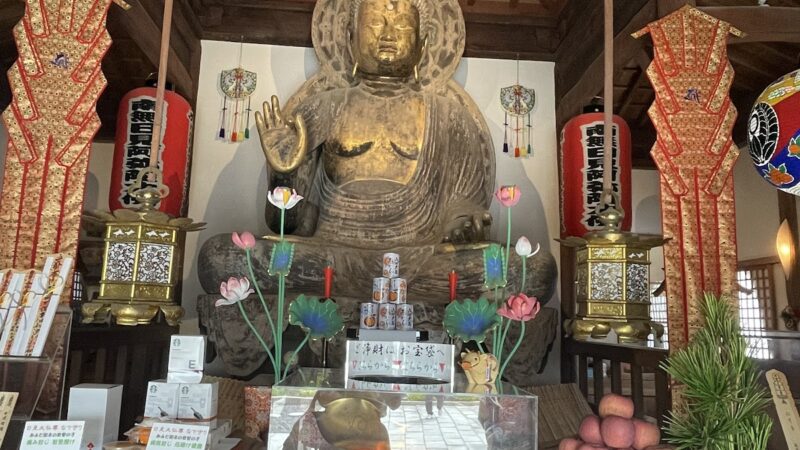
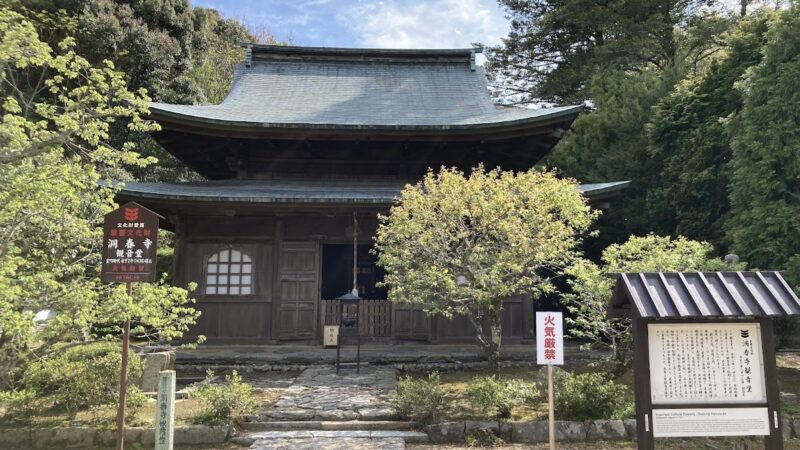
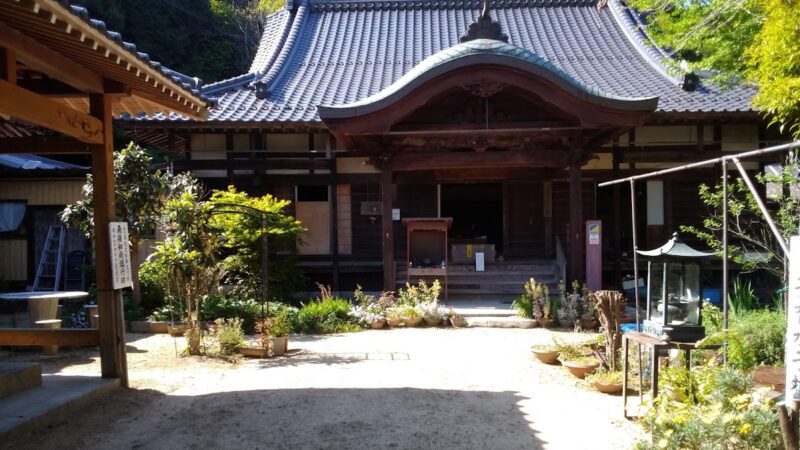
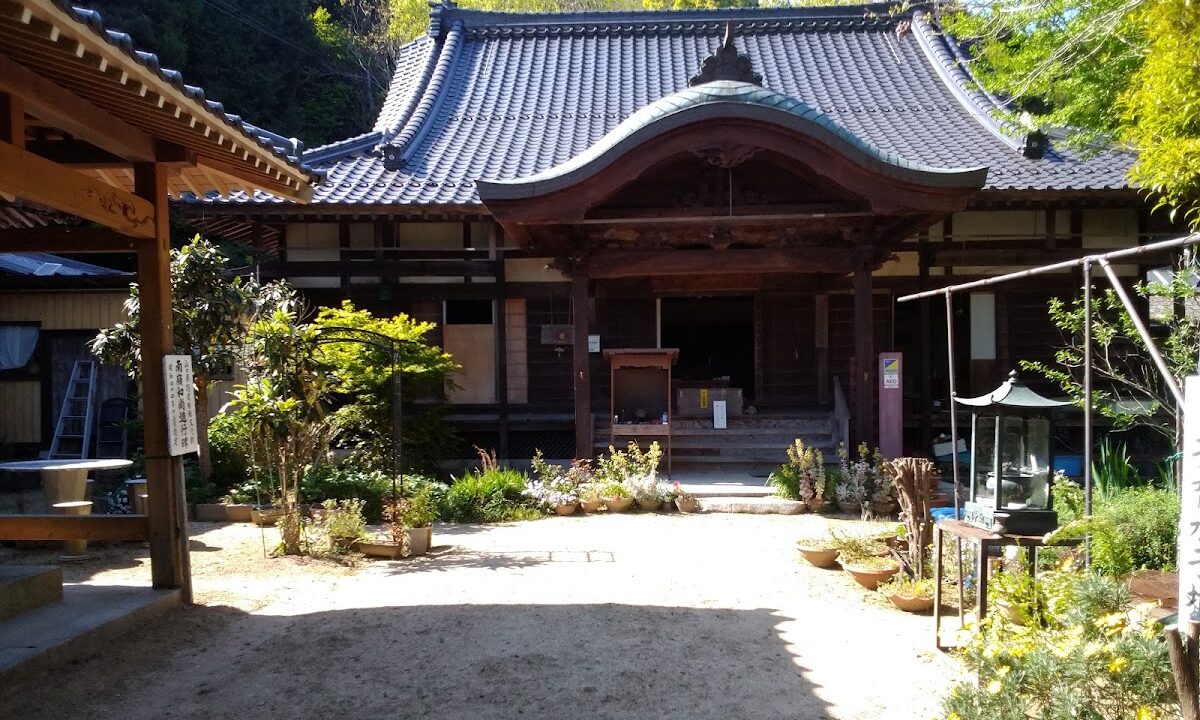
The main hall of Toryuji Temple, while simple, presents a dignified presence. As befits a Rinzai Zen temple, a serene space with minimal ornamentation unfolds, creating an environment conducive to peaceful worship.
The temple grounds are meticulously maintained, allowing visitors to experience the beauty of nature throughout the seasons. Especially during the fresh greenery of spring and the vibrant autumn foliage, beautiful scenery awaits visitors. Located slightly away from the hustle and bustle of Ube city center, it offers a peaceful space to escape the noise.
Spirituality as a Zen Temple
Belonging to the Nanzenji branch of the Rinzai school, Toryuji Temple is a temple that conveys the spirit of Zen to the present day. While it’s necessary to check in advance whether activities like Zen meditation or sutra copying are available, simply being on the temple grounds allows you to feel the spirituality of Zen Buddhism, such as simplicity, tranquility, and harmony with nature.
Basic Information about Tōryūji Temple
Location and Access
Address
647 Tanai, Kōtō-ku, Ube City, Yamaguchi Prefecture 759-0121
Phone Number
0836-41-5851
Sect
Rinzai Zen, Nanzenji School
Principal Image
(Please contact the temple for details)
Founder
Nanrei Shietsu Zenji
Established
En’en 4 (1339)
Transportation Access
Access by Train
- Approximately 15 minutes by car from JR Sanyo Main Line “Ube Station”
- Approximately 15 minutes by car from JR Ube Line “Ube Station”
- Approximately 10 minutes by car from JR Sanyo Main Line “Kōtō Station”
Access by Car
- Approximately 15 minutes from Sanyo Expressway “Ube IC”
- Approximately 20 minutes from Yamaguchi Ube Airport
Access by Bus
If using Ube City Bus or Funaki Railway Bus, you will need to walk from the nearest bus stop. Please check Ube City’s public transportation information for details.
Parking
There is some parking space on the temple grounds, but the number is limited, so please contact the temple in advance if you are visiting in a large group.
Visiting Information
Visiting Hours
The temple grounds are generally open for free worship, but if you wish to view the interior of the main hall or view important cultural properties, please contact us by phone in advance.
Admission Fee
Regular temple grounds visits are free. Special viewings may require an additional fee.
Important Notes
- Please observe quiet and respectful behavior within the temple grounds.
- Photography is permitted, but consideration is required inside the main hall and in the cemetery.
- Please take all your trash with you.
- The head priest may be absent at times, so we recommend contacting the temple in advance if you wish to receive a Goshuin (temple stamp).
Recommended Tourist Spots Around Tōryūji Temple
Kōtō Clan Residence Ruins
Located about a 5-minute drive from Tōryūji Temple, the Kōtō Clan Residence Ruins were once the site of the Kōtō clan’s residence. Some remains still exist, allowing visitors to imagine what a medieval samurai residence looked like. Visiting both Tōryūji Temple and the Ruins will provide a deeper understanding of the Kōtō clan’s history.
Kotozaki Hachimangu Shrine
Located in the heart of Ube City, Kotozaki Hachimangu Shrine is a representative shrine of Ube City. With its beautiful shrine buildings and vast grounds, it is a popular destination for locals for New Year’s visits and Shichi-Go-San (a traditional Japanese rite of passage for children). It is approximately a 20-minute drive from Tōryūji Temple.
Tokiwa Park
This is a representative comprehensive park in Ube City, featuring a vast Tokiwa Lake as its centerpiece, along with a zoo, amusement park, art museum, and more. It’s ideal for family sightseeing and is approximately a 25-minute drive from Tōryūji Temple. It’s a popular place to relax and enjoy seasonal flowers.
Sōrinji Temple
This temple is associated with Abbot Un’an, who dedicated himself to the restoration of Tōryūji Temple. As a Rinzai Zen temple, it has supported Ube City’s Buddhist culture alongside Tōryūji Temple. Visiting both will allow you to gain a deeper understanding of Ube City’s Zen Buddhist culture.
Act Village Ono
This is an experiential tourism facility located in the Ono district in northern Ube City. It features an observatory, campground, and workshops, allowing visitors to enjoy various activities in nature. It’s approximately a 30-minute drive from Tōryūji Temple.
Gourmet Information Around Tōryūji Temple
Ube Ramen
Ube City has a well-established local ramen culture, and there are many ramen restaurants throughout the city. The soup is particularly characterized by its pork bone base, and there are several popular restaurants around Tōryūji Temple.
Ube Kamaboko
Ube City is a major producer of processed fish products, and kamaboko (fish cake) is especially known as a local specialty. It can be purchased at fish shops and supermarkets in the city, and you can also enjoy freshly fried kamaboko at specialty shops.
Local Agricultural Products Direct Sales Outlets
There are agricultural products direct sales outlets around the Kōtō area where you can purchase fresh vegetables, fruits, and local processed goods. You can enjoy seasonal flavors, and they make great souvenirs.
Points to Note When Visiting Tōryūji Temple
Recommended Time to Visit
Tōryūji Temple is open for worship throughout the year, but the following times are especially recommended:
Spring (March-May)
The fresh greenery is beautiful, and the pleasant weather makes it ideal for strolling. The surrounding scenery is especially vibrant during cherry blossom season.
Autumn (October-November)
This is a beautiful season for autumn foliage, with the trees on the temple grounds changing color, creating a picturesque landscape. The weather is mild, making it ideal for sightseeing.
New Year’s Visit (January)
Many locals visit for New Year’s prayers, creating a solemn atmosphere for worship.
Estimated Time Required
A visit to Tōryūji Temple takes approximately 30 minutes to 1 hour if you take your time to look around the grounds. If you want to fully appreciate the atmosphere of the temple grounds and the tombs of the Kōtō clan, it is recommended to allow at least 1 hour.
Clothing and Items to Bring
Please wear appropriate attire for visiting a temple. Especially in summer, the sun is strong, so it’s a good idea to bring a hat, parasol, and drinks. In winter, don’t forget to dress warmly. Also, since some parts of the temple grounds are unpaved, it is recommended to wear comfortable walking shoes.
Regarding Photography
Photography is generally permitted within the temple grounds, but consideration is required inside the main hall and in the cemetery. Please observe proper etiquette when taking photos, ensuring you do not disturb other visitors and that the temple maintains its dignity as a religious site.
The History of Ube City and the Position of Tōryūji Temple
The Origins of Ube City
Ube City is located in the southwestern part of Yamaguchi Prefecture and has developed as an industrial city facing the Seto Inland Sea. During the Edo period, it flourished as part of the Chōshū Domain, and from the Meiji era onward, it developed significantly through the coal industry. Currently, it is an industrial city centered on the chemical industry, while also being an attractive city where rich nature and historical culture coexist.
The Historical Importance of the Kōtō District
The Kōtō district, where Tōryūji Temple is located, was a region that flourished as the base of the Kōtō clan during the medieval period. The Kōtō clan served as the governor of Nagato Province from the Kamakura period to the Nanboku-chō period, functioning as the political, economic, and cultural center of the region.
Tōryūji Temple, as the family temple of the Kōtō clan, was not merely a religious facility, but a symbol of the authority and culture of the samurai class. Even today, historical sites related to the Kōtō clan are scattered throughout the Kōtō area, making it an important region for studying medieval history.
Buddhist Culture in Ube City
Ube City is home to many historical temples, including Tōryūji Temple. Temples of various sects, such as Rinzai, Sōtō, Shingon, and Jōdo, exist, each supporting the faith and culture of the region.
Tōryūji Temple, in particular, served as a center of Zen Buddhist culture, functioning as a place of learning and art from the medieval to the early modern period. It was a place of exchange among Zen monks and a hub for cultural information exchange.
Significance of Visiting Tōryūji Temple
An Opportunity to Experience History
Visiting Tōryūji Temple is not merely sightseeing; it is a valuable opportunity to directly experience medieval history from approximately 680 years ago. You can feel firsthand the rise and fall of the Koto clan, a samurai family, the turmoil of the Nanboku-cho period, and the weight of the cultural heritage that has been preserved by the local people.
A Place of Tranquility and Meditation
Taking time to quietly reflect on oneself, away from the hustle and bustle of modern society, is extremely important for mental health. The tranquil grounds of Toryuji Temple are the perfect place to spend such time introspection. In the simple and calm atmosphere characteristic of a Zen temple, you can find peace of mind.
Understanding Local Culture
Visiting Toryuji Temple allows you to gain a deeper understanding of the history and culture of Ube City and Yamaguchi Prefecture. Learning how the local people cherish history and have continued to protect cultural heritage deepens your understanding of and affection for the land.
Voices of Visitors to Toryuji Temple
The following are some comments from people who have actually visited Toryuji Temple.
“This temple houses the tombs of successive generations of the Koto clan, who served as the governors of Nagato Province. It was a quiet and peaceful place to pay my respects. I felt the weight of history.”
“Although it’s a little far from the center of Ube City, it has a quiet and tranquil atmosphere. It’s especially recommended for those interested in medieval history.”
“I visited because it’s a prestigious temple that houses a nationally important cultural property. The grounds are meticulously maintained, conveying how much the local people cherish it.”
Summary
Toryu-ji Temple in Ube City, Yamaguchi Prefecture, is a historical temple associated with the Koto clan, a powerful daimyo family of the medieval period. Since its founding in 1339, it has remained a center of local faith and culture for approximately 680 years.
Housing the nationally important cultural property “Nanrei Koshiju Chikuzen Shofuku-ji Shozan So Iko Ko So” and the tombs of successive generations of the Koto clan, Toryu-ji Temple is a recommended spot not only for history buffs but also for those seeking quiet solace.
When visiting Ube City, be sure to visit Tōryūji Temple and experience the weight of its history, which dates back to the Middle Ages, and the serene atmosphere of a Zen Buddhist temple. It will surely be a memorable visit.
Frequently Asked Questions (FAQ)
Q1: How much is the entrance fee for Tōryūji Temple?
A1: Regular temple grounds visits are free. However, if you wish to view the interior of the main hall or important cultural properties, please contact the temple in advance. Special viewings may require an additional fee.
Q2: How do I get to Tōryūji Temple?
A2: By train, it’s about a 15-minute drive from JR Sanyo Main Line “Ube Station” or JR Ube Line “Ube Station,” and about a 10-minute drive from JR Sanyo Main Line “Kōtō Station.” By car, it’s about a 15-minute drive from the Sanyo Expressway “Ube IC.” Access by public transport alone is difficult, so we recommend using a taxi or rental car.
Q3: Can I get a Goshuin (temple stamp) at Tōryūji Temple?
A3: Availability of Goshuin may vary depending on the presence or absence of the head priest. If you wish to be sure to receive a Goshuin, we recommend contacting us in advance by phone (0836-41-5851).
Q4: How long does it take to visit Tōryūji Temple?
A4: A leisurely stroll through the temple grounds takes approximately 30 minutes to 1 hour. If you wish to fully appreciate the atmosphere of the temple grounds and the burial site of the Kōtō clan, we recommend allowing at least 1 hour.
Q5: Who founded Tōryūji Temple?
A5: It was founded in 1339 (Engen 4) by Kōtō Takezane, who served as the governor of Nagato Province, who invited the renowned monk Nanrei Shietsu Zenji to establish it. It was built as the ancestral temple of the Kōtō clan and later designated as an Ankoku-ji (a temple of high status), making it a highly prestigious temple.
Q6: Is there parking at Tōryūji Temple?
A6: There is some parking space on the temple grounds, but the number of spaces is limited. If you are planning a large group visit or pilgrimage, please contact the temple in advance.
Q7: What are the nationally designated important cultural properties at Tōryūji Temple?
A7: The document “Nanrei Shiketsu Jū Chikuzen Shōfukuji Shozan Sojōkōko Sho” is designated as a national important cultural property. This document was created when the temple’s founder, Zen Master Nanrei Shiketsu, was assigned to Shōfukuji Temple in Chikuzen Province, and is an extremely valuable historical document for studying the history of medieval Zen Buddhism.
Q8: Are there any other tourist spots around Tōryūji Temple?
A8: There are the Kōtō Clan Residence Ruins (approximately 5 minutes by car), Kotozaki Hachimangu Shrine (approximately 20 minutes by car), Tokiwa Park (approximately 25 minutes by car), etc. If you are interested in the history of the Kōtō clan, it is recommended to visit the Kōtō Clan Residence Ruins along with these other attractions.
Q9: When is the best time to visit Tōryūji Temple?
A9: You can visit throughout the year, but the spring (March to May) season with its fresh greenery and the autumn (October to November) season with its vibrant autumn leaves are especially recommended. The weather is mild, and you can enjoy the beautiful nature of the temple grounds while you visit.
Q10: Is it possible to experience Zen meditation at Tōryūji Temple?
A10: The availability of experiences such as Zen meditation and sutra copying may vary depending on the temple’s circumstances and the time of year. If you are interested, please inquire by phone in advance. As it is a Rinzai Zen temple, they may be able to accommodate your request.