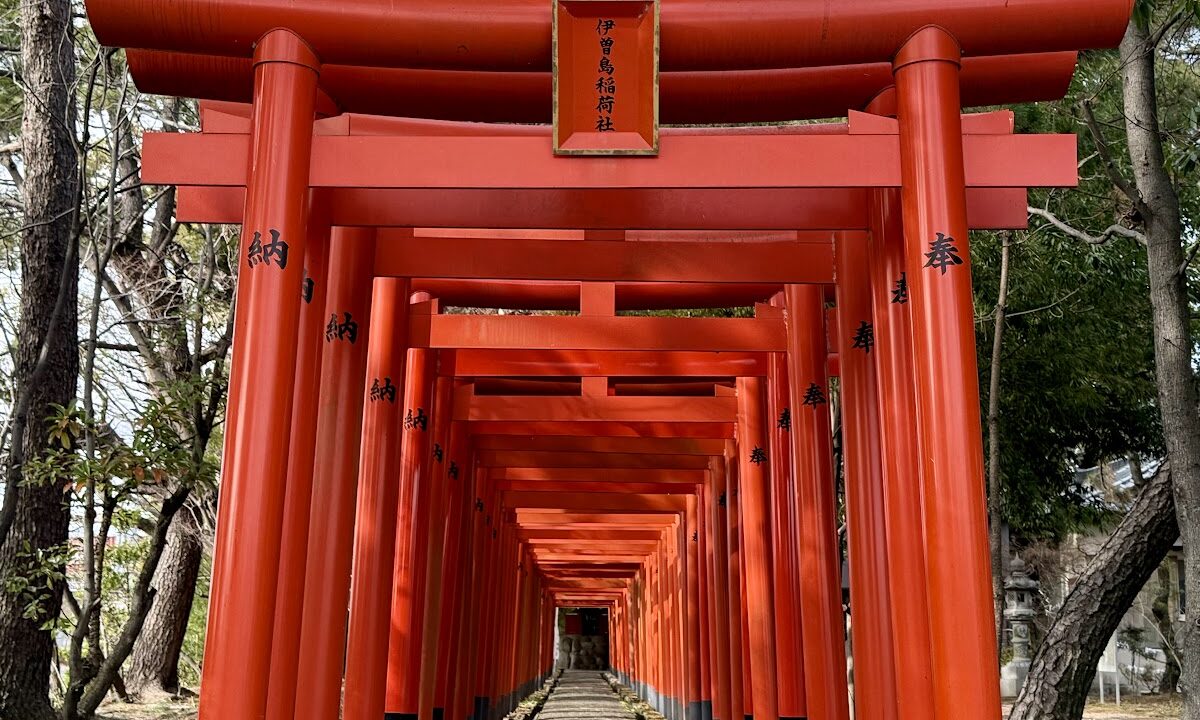
Isojima Shrine (Tsu City, Mie Prefecture) Complete Guide: History, Deities, Access, and Goshuin Information
Isojima Shrine, located in Tsu City, Mie Prefecture, is a historic shrine that has been cherished by the local people as the main shrine of the former Isojima Village. This guide provides detailed information about the shrine, which enshrines Amaterasu Omikami as its principal deity and eight other gods, from its history to information for visitors.
Overview and Basic Information of Isojima Shrine
Isojima Shrine is located in Tsu City, Mie Prefecture, and has long been revered as the local tutelary deity. Tsu City is the capital of Mie Prefecture and is located close to Ise Grand Shrine, resulting in the presence of many shrines with deep connections to Ise faith.
Location and Basic Data
Location: Tsu City, Mie Prefecture
Former Shrine Rank: Village Shrine
Former Region: Isojima Village
Main Deity: Amaterasu Omikami
Isojima Shrine has a history of being enshrined as the tutelary deity in each village of the area, which was developed from around 1684 (Jōkyō 1), and has functioned as the spiritual center of the local community.
Deities Enshrined: A Grand Shrine Enshrining Eight Deities
A major characteristic of Isojima Shrine is its character as a grand shrine, enshrining a total of eight deities, with Amaterasu Omikami as the main deity.
Main Deity
Amaterasu Omikami
The supreme deity in Japanese mythology, a goddess considered the ancestral deity of the Imperial family as the sun goddess. Known as a deity enshrined in the Inner Shrine of Ise Grand Shrine, this deity is worshipped as the principal deity or an important subordinate deity in many shrines throughout Mie Prefecture.
Enshrined Deities (Seven Deities)
- Amenomahitotsu-no-Mikoto
- A one-eyed god known as the god of blacksmithing and ironmaking.
- Possesses characteristics as a god of technology and craftsmanship.
- Takemikazuchi-no-O-no-Mikoto
- A warrior god known as the god of thunder and swords.
- Also the principal deity of Kasuga Taisha Shrine and the tutelary deity of the Fujiwara clan.
- Futsunushi-no-Mikoto
- A warrior god who played an active role in the transfer of the land alongside Takemikazuchi-no-O-no-Mikoto.
- The principal deity of Katori Shrine.
- Amenokoyane-no-Mikoto
- A god who presides over rituals and the god of Kotodama (the power of words).
- One of the principal deities of Kasuga Taisha Shrine.
- Hime-Okami
- Often refers to the fierce spirit of Amaterasu-Omikami or the Munakata Three Goddesses.
- Also possesses the characteristics of a guardian deity for women.
- Takehayasusano-no-Mikoto
- The younger brother of Amaterasu-Omikami, transformed from a fierce god to a heroic god.
- Worshipped as a god of protection against misfortune and disease.
- Ukanomitama-no-Kami
- Known as Inari-sama, the god of grain and food.
- God of business prosperity and abundant harvests.
These gods each possess different divine virtues and collectively play a role in protecting the lives of the people in the region.
The Origin and History of Isojima Shrine
Founding and Development
The exact founding date of Isojima Shrine is unclear, but it has long been enshrined in the region as the main shrine of the former Isojima Village. Around 1684 (Jōkyō 1), full-scale regional development progressed, and along with it, local tutelary deities began to be enshrined in each district.
The Jōkyō era corresponds to the early Edo period, a time when land reclamation was flourishing throughout Japan. In the Isojima region, as agricultural development progressed and the population increased, the importance of the shrine as a guardian deity of the area likely grew.
Role as a Sōsha (General Shrine)
A “Sōsha” refers to a shrine that enshrines multiple deities worshipped within a specific region. The fact that Isojima Shrine enshrines eight deities is due to this characteristic as a Sōsha.
By integrating the tutelary deities worshipped in each district, it strengthened the spiritual unity of the entire region and enabled more efficient religious ceremonies. This is one of the typical forms of shrines in Edo-period village communities.
Changes Since the Modern Era
Due to the Meiji-era reform of the shrine system, Isojima Shrine was designated a village shrine. Following the enactment of the Religious Corporations Act after World War II, it is now operated as a religious corporation.
Despite regional development and demographic changes, Isojima Shrine has been passed down to the present day as a spiritual anchor for the local residents.
Highlights and Facilities within the Shrine Grounds
Shrine Buildings
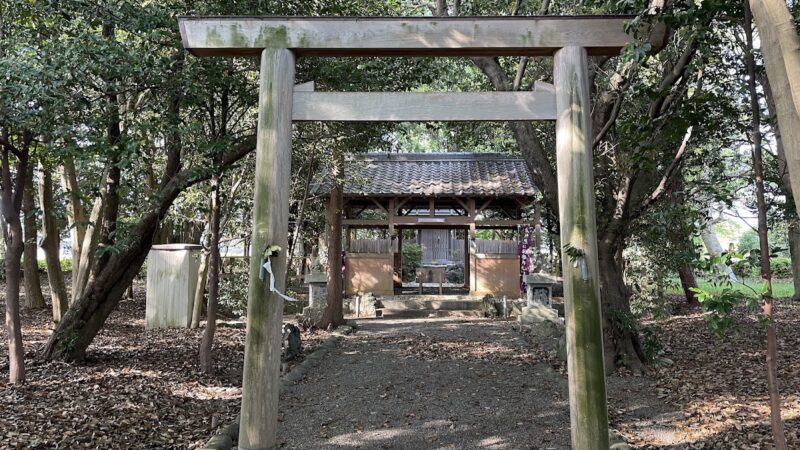
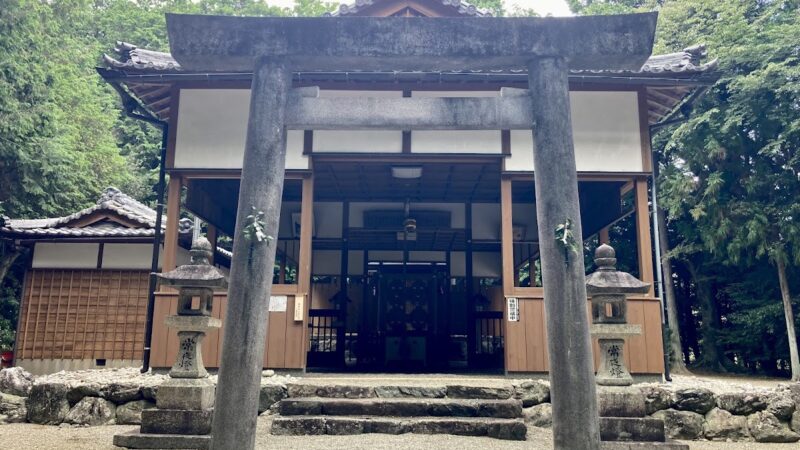
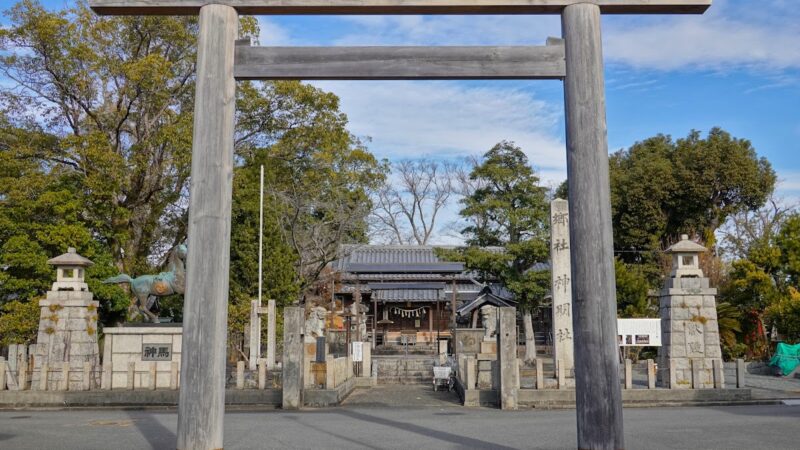
The shrine buildings of Isojima Shrine inherit the traditional style of shrine architecture. They consist of the main hall and worship hall, and are carefully maintained by the local parishioners.
Subsidiary Shrines and Auxiliary Shrines
Like many shrines, Isojima Shrine may have subsidiary shrines and auxiliary shrines. These are small shrines dedicated to deities other than the main deity, reflecting the diversity of local beliefs.
Atmosphere of the Sacred Grounds
As a general shrine enshrining many deities, the grounds of Isojima Shrine have a friendly atmosphere, serving as a place of daily worship for local residents. Through seasonal festivals and daily visits, it fosters the bonds of the local community.
Annual Events and Festivals
Annual Festival
The annual festival, the most important festival of the shrine, is held once a year. Local parishioners gather, and traditional events such as a portable shrine procession and Kagura (sacred dance) performances may take place.
Monthly Festivals and Daily Rituals
Through monthly festivals and daily rituals, the shrine plays a vital role as the spiritual center of the community.
Life Cycle Rituals
Rituals for significant life events such as a baby’s first shrine visit, Shichi-Go-San (a traditional rite of passage for children), exorcism, and weddings are also performed. As the local guardian deity, it is a presence that accompanies residents throughout their lives.
Goshuin (Shrine Seals) and Gifts
About Goshuin
Collecting Goshuin has become popular in recent years, but it is recommended to check in advance whether Goshuin are available at Isojima Shrine and for details. Smaller shrines may not have a resident priest, so it is advisable to contact them before visiting.
Amulets and Gifts
Various amulets and gifts may be available, corresponding to the divine virtues of each of the eight deities. A characteristic of a general shrine is that it can accommodate a variety of wishes, such as traffic safety, family safety, business prosperity, and academic success.
How to Access Isojima Shrine
Access by Public Transportation
Tsu City, Mie Prefecture can be accessed via the JR Kisei Main Line or Kintetsu Nagoya Line. From Tsu Station to Isojima Shrine, it is convenient to use a bus or taxi.
Nearest Station: JR/Kintetsu Tsu Station
Travel Time: Approximately 15-30 minutes by bus or taxi from the station (varies depending on the specific location)
Access by Car
Expressway: Use the Ise Expressway
Nearest Interchange: Tsu Interchange
Parking: Parking may be available on the shrine grounds or nearby.
For detailed access information and parking availability, it is recommended to check with the Mie Prefectural Shrine Association or Tsu City Tourist Information Center before visiting.
Visiting Other Shrines in the Area
Major Shrines in Tsu City
Besides Isojima Shrine, Tsu City has many other historically significant shrines.
Karasu Shrine
- A famous shrine known for the saying, “Visiting Karasu Shrine after visiting Ise Shrine is an incomplete pilgrimage.”
- Famous for its relocation ceremony held once every 20 years.
- Home to the “Karasu Town Shrine Dance,” a prefecturally designated intangible folk cultural property.
Yuki Shrine
- Known for its plum blossoms.
- Dedicated to Yuki Munehiro, a meritorious retainer of the Kenmu Restoration.
Famous Shrines in Mie Prefecture
Ise Grand Shrine
- The spiritual home of the Japanese people.
- A collective term for 125 shrines centered around the Inner and Outer Shrines.
- Approximately 40 minutes by car from Tsu City.
Tsubaki Grand Shrine
- The head shrine of Sarutahiko-no-Okami.
- Located in Suzuka City.
Inatomi Shrine
- Located in Ino, Suzuka City.
- Houses a seated statue of a male deity, a designated Important Cultural Property.
Manners and Etiquette for Worship
Basic Etiquette for Worshiping a Shrine
- Bow Before Passing Through the Torii Gate
- As a sign of respect before entering the sacred area.
- Purify Yourself at the Water Basin
- Purify your left hand, then your right hand, then your mouth.
- Purify the ladle and return it to its original position.
- Walking Along the Path
- Walk along the sides, as the center is the path for the gods.
- Etiquette at the Main Hall
- The basic ritual is two bows, two claps, and one bow.
- Gently place your offering in the offering box, do not throw it.
- When Leaving
- Turn around and bow after leaving the torii gate.
Clothing and Belongings
For everyday worship, no special attire is necessary, but please dress in a clean and respectful manner. For formal worship or prayers, formal attire is preferable.
The Faith and Divine Virtues of Isojima Shrine
Diverse Divine Virtues
Isojima Shrine enshrines eight deities, resulting in the following diverse divine virtues:
- Amaterasu Omikami: National peace and security, good fortune, vitality
- Amenomehitotsu-no-Mikoto: Skill improvement, mastery of crafts
- Takemikazuchi-no-Mikoto and Futsunushi-no-Mikoto: Military fortune, success in competitions, protection from evil
- Amenokoyane-no-Mikoto: Academic success, power of words
- Hime-no-Okami: Protection of women, safe childbirth
- Takehaya Susanoo-no-Mikoto: Protection from evil, eradication of disease
- Ukanomitama-no-Kami: Business prosperity, abundant harvests
As a Guardian Deity of the Region
As a local guardian deity, Isojima Shrine watches over all aspects of the lives of the local residents. It has received people’s prayers in all aspects of agriculture, commerce, and family life.
History of Tsu City and the Isojima Area
Overview of Tsu City
Tsu City is the capital of Mie Prefecture and has flourished since ancient times as the central city of Ise Province. During the Edo period, it developed as a castle town of the Tsu Domain, and remains a center of politics, economy, and culture today.
Characteristics of the Isojima Area
The Isojima area, a district within Tsu City, has developed primarily through agriculture. Since its development during the Jōkyō era, rice paddies and field crops have flourished, and a strong community has formed.
While it has developed as a residential area in modern times, the traditional community bonds centered around Isojima Shrine are still preserved.
Shrine Culture in Mie Prefecture and Isojima Shrine
Influence of Ise Faith
Mie Prefecture, being the home of Ise Grand Shrine, is a region where Ise faith is deeply rooted. Many shrines enshrine Amaterasu Omikami as the principal deity or an important subordinate deity, and Isojima Shrine is one such example.
Regional Characteristics and Diversity
On the other hand, shrines within Mie Prefecture have unique histories and beliefs depending on the region. Diverse forms can be seen, such as the Sosha style, which enshrines multiple deities like Isojima Shrine, and shrines associated with specific clans or professional groups.
The Role of Isojima Shrine in Modern Times
As a Community Center
In modern society, shrines go beyond being mere religious institutions, playing a crucial role in maintaining the cohesion of local communities. Isojima Shrine also serves as a place for intergenerational exchange through festivals and events.
Inheritance of Traditional Culture
Shrine festivals and rituals are valuable opportunities to pass on Japanese traditional culture to the next generation. By participating in festivals, children can naturally learn about the history and culture of their region.
A Place of Peace of Mind
Even in today’s increasingly urbanized world, the tranquil space of shrines provides peace of mind to people. Taking time away from the hustle and bustle of everyday life to connect with nature and the gods leads to mental refreshment.
Notes on Visiting the Shrine
Shrine Office Hours
At smaller shrines, the chief priest may not be present at all times. If you wish to receive a Goshuin (shrine stamp) or prayer, it is recommended to contact the shrine in advance to confirm their operating hours.
Photography
Photography is generally permitted on the shrine grounds, but it is considered good manners to refrain from taking pictures inside the main hall or during Shinto rituals. If you are unsure, please check with the shrine office.
Bringing Pets
Policies regarding bringing pets into sacred areas vary by shrine. Please check in advance or follow the notices posted on the shrine grounds.
Summary: The Significance of Visiting Isojima Shrine
Isojima Shrine is a shrine with a long history, serving as the main shrine of the former Isojima Village, enshrining eight deities with Amaterasu Omikami as the principal deity. It developed alongside regional development during the Jōkyō era and has watched over the lives of local residents as a tutelary deity.
Because it enshrines a diverse array of deities, Isojima Shrine offers various divine blessings and is said to grant the wishes of worshippers in all aspects of life. When visiting Tsu City in Mie Prefecture, consider visiting Isojima Shrine as an opportunity to experience local history and faith.
By visiting shrines within Tsu City before or after visiting Ise Grand Shrine, you can gain a deeper understanding of Mie Prefecture’s diverse shrine culture. Even small, locally rooted shrines possess their own rich history and beliefs. Isojima Shrine is a prime example of this.
We hope that through your visit, you will experience the bonds of traditional Japanese culture and local community, finding peace of mind and new insights.