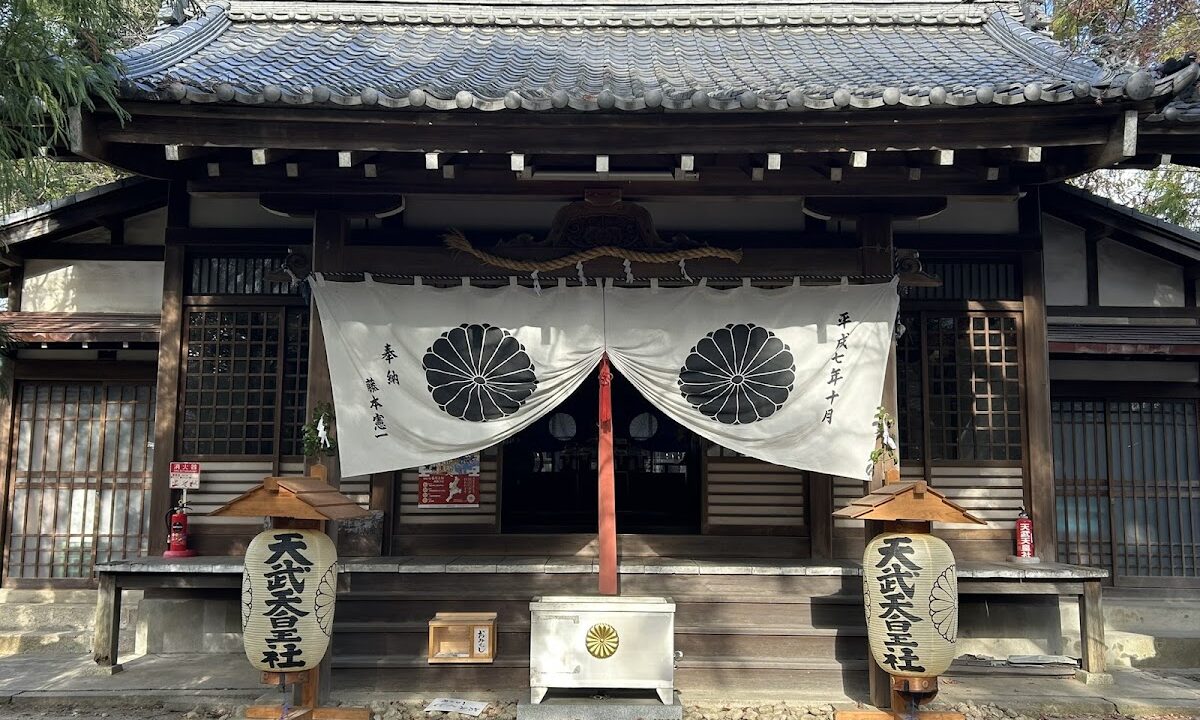
Tenmu Tenno Shrine (Kuwana City, Mie Prefecture) Complete Guide | A Unique Shrine Associated with the Jinshin War
Located in Higashi-Nabeya-cho, Kuwana City, Mie Prefecture, Tenmu Tenno Shrine holds an extremely important position in Japanese history. Known as the only shrine in Japan dedicated to Emperor Tenmu as its principal deity, and deeply connected to the Jinshin War, the largest civil war in ancient Japan, it is a special place of worship for history enthusiasts and those who enjoy visiting shrines.
What is Tenmu Tenno Shrine? | Unique Historical Value
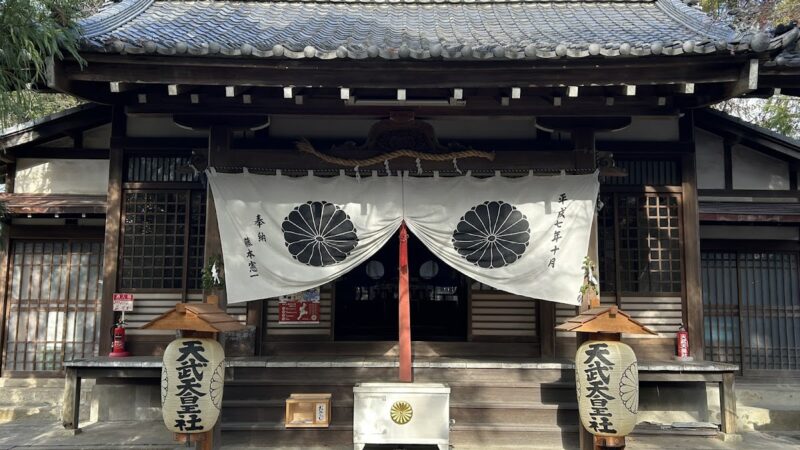
Tenmu Tenno Shrine is a shrine dedicated to Emperor Tenmu (Tenmu Nakahara Okihito no Tenno), the 40th emperor of Japan. Among the numerous shrines throughout Japan, this Kuwana shrine is the only one that enshrines Emperor Tenmu as its principal deity, making it an extremely rare existence.
Emperor Tenmu was an emperor of the Asuka period, who ascended to the throne after winning the Jinshin War and was an important monarch who laid the foundation for the Ritsuryo state. He commissioned the compilation of the Kojiki and Nihon Shoki, profoundly influencing the formation of Japanese history and culture. The most distinctive feature of the Tenmu Emperor Shrine is that it is the only shrine that enshrines such a great emperor as its principal deity.
Deities and Divine Virtues
The following deities are enshrined at the Tenmu Emperor Shrine:
- Tenmu Tenno Nakahara Okihito no Sumeragi (Emperor Tenmu): Main deity
- Takamagahara Hironohime no Sumeragi (Empress Jito): Empress of Emperor Tenmu
- Takechi no Oji: Son of Emperor Tenmu, who played an active role in the Jinshin War
- Homusubi no Kami: God of Fire
Based on these enshrined deities, the Tenmu Emperor Shrine is believed to possess the following divine virtues:
- Improved Luck in Competitions: By drawing on Emperor Tenmu’s victory in the Jinshin War
- Business Start-ups and Entrepreneurial Success: By commemorating his achievement in building a new nation
- Peace for the Land: By ensuring the peace and prosperity of the region
- Academic Achievement: By commemorating his cultural achievement of commissioning the compilation of the Kojiki and Nihon Shoki
The Deep Connection Between the Jinshin Rebellion and Kuwana
The founding of the Tenmu Emperor Shrine is closely related to the Jinshin Rebellion, which occurred in 672. Understanding this largest civil war in ancient Japan is key to deeply understanding the historical significance of the Tenmu Emperor Shrine.
Prince Oama’s Stay in Kuwana
In 671, after the death of Emperor Tenji, Prince Oama (later Emperor Tenmu) and Prince Otomo (Emperor Tenji’s son) clashed over the succession to the throne. Prince Oama, who raised an army in Yoshino, stopped at Kuwana County Office (Kuwana-gunga) on his way to the eastern provinces with his Empress (later Empress Jito).
Kuwana County Office was the site of the Kuwana County government office at the time, and Prince Oama used it as an important base to prepare for battle against the Omi court army. Following the advice of Prince Takechi, Prince Oama traveled from Kuwana to Mino Province, ultimately winning the Jinshin Rebellion and ascending to the throne as Emperor Tenmu.
History of the Founding of the Emperor Tenmu Shrine
The Emperor Tenmu Shrine was founded in later times to commemorate Prince Oama’s stay in Kuwana during the Jinshin Rebellion and to honor the achievements of Emperor Tenmu. Initially located near Shin’yashiki, it was moved to its current location in Higashi-Nabeya-cho during the Edo period.
This relocation is thought to be related to the development of Kuwana and the improvement of the old Tokaido road. The current shrine grounds are located along the old Tokaido road, and it is said that many travelers once visited the shrine.
Detailed Information | Access and Visiting Guide
For those planning a visit to the Emperor Tenmu Shrine, we have compiled detailed access information and practical information regarding visiting the shrine.
Basic Information
- Location: 89 Higashi-Nabeya-cho, Kuwana City, Mie Prefecture 511-0053
- Phone Number: 0594-22-1913 (Kuwana Sōsha/Kasuga Shrine)
- Shrine Office: Operated by Kuwana Sōsha (Kasuga Shrine)
- Visiting Hours: Grounds are open freely (Please check with the shrine office for availability)
- Parking: None (Please use nearby paid parking)
- Admission Fee: Free
Access Methods
Access by Train
- Approximately 15 minutes on foot from JR/Kintetsu “Kuwana Station”
- Head towards the old Tōkaidō road from the east exit of Kuwana Station, towards the Higashi-Nabeya-cho area
Access by Car
- Approximately 10 minutes from the Tomeihan Expressway “Kuwana IC”
- Enter the old Tōkaidō road from National Route 1
- There is no dedicated parking lot, so please use a nearby coin-operated parking lot.
Access by Bus
- Get off at the “Nabeyamachi” bus stop on the Mie Kotsu bus line, then walk for about 3 minutes.
Points to Note When Visiting
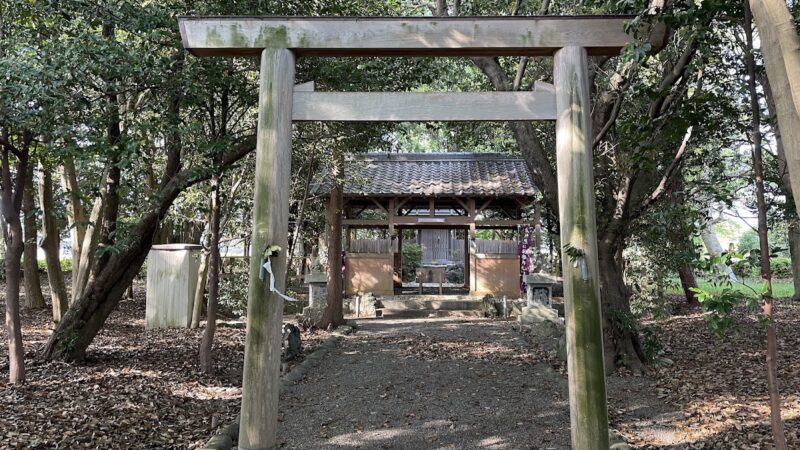
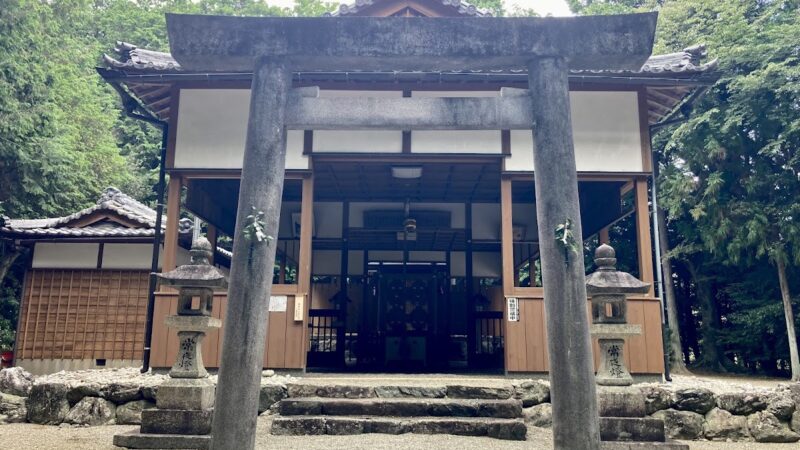
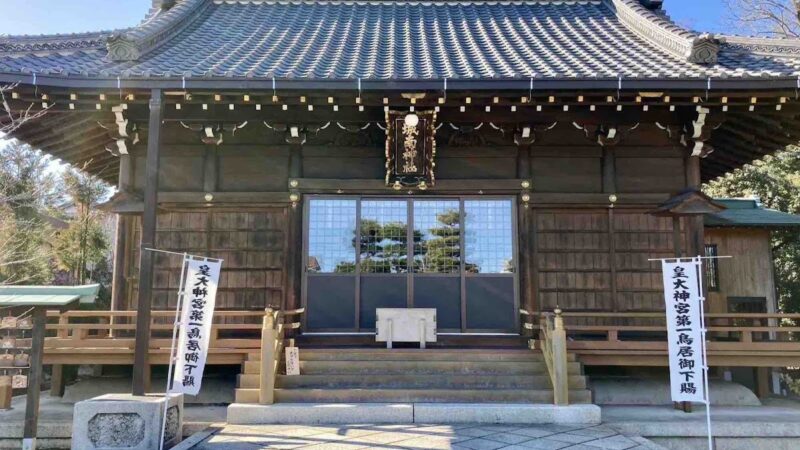
The grounds of Tenmu Tenno Shrine are not large, but they are a tranquil space with a peaceful atmosphere. Located along the old Tokaido road, you can feel the breath of history while visiting.
The shrine buildings retain the style of the Edo period and are carefully maintained despite their compact size. For goshuin (shrine stamps) and amulets, please contact Kuwana Sōsha (Kasuga Shrine), which is managed by the same shrine, by phone in advance.
Highlights and Charms of Tenmu Tenno Shrine
Tenmu Tenno Shrine is a small shrine, but it possesses historical value and a unique atmosphere. Here are some points to note when visiting.
Shrine Buildings and Architectural Style
The current shrine buildings are thought to have been built when the shrine was relocated to Higashi Nabeyamachi during the Edo period. The shrine’s simple yet dignified design reflects the characteristics of shrine architecture rooted in the Kuwana region.
Relationship with the Old Tokaido Road
Higashi-Nabeya-cho, where the Tenmu Tenno Shrine is located, is a town that developed along the old Tokaido Road during the Edo period. It is said that many travelers passed through this road at that time and prayed for safe journeys at the Tenmu Tenno Shrine. Even today, it stands amidst a townscape that retains the atmosphere of the old Tokaido Road, making it worthwhile to visit as part of a historical walk.
Quiet Worship Environment
Although the shrine grounds are not large, they offer an intimate and quiet environment for worship. Located slightly away from the hustle and bustle of the city, it is a precious space where one can slowly reflect on history while worshipping.
Relationship with Kuwana Sōsha (Kasuga Shrine)
The Tenmu Tenno Shrine is a shrine managed by Kuwana Sōsha (commonly known as Kasuga Shrine). Kuwana Sōsha is a major shrine known as the guardian shrine of Kuwana, and is responsible for the management and operation of the Tenmu Tenno Shrine.
About Kuwana Sōsha Shrine
Kuwana Sōsha Shrine is an ancient shrine located in the heart of Kuwana City. It is also known as “Kasuga Shrine” because it enshrines the four deities of Kasuga. It manages several other shrines, including the Tenmu Tenno Shrine, and is a central figure in Kuwana’s Shinto faith.
For information on the Tenmu Tenno Shrine’s goshuin (seal) and other details, please inquire at the Kuwana Sōsha Shrine office. The phone number is 0594-22-1913.
Nearby Historical Spots and Tourist Information
When visiting the Tenmu Tenno Shrine, you can enjoy a more fulfilling historical exploration by also visiting other historical spots in Kuwana City.
Kuwana Castle Ruins
Kuwana Castle Ruins, located about a 15-minute walk from the Tenmu Tenno Shrine, was the residence of the Kuwana Domain during the Edo period. Currently, it is maintained as Kyūka Park and is known as a famous cherry blossom viewing spot. While the castle tower no longer exists, parts of the stone walls and moats remain, allowing visitors to experience the atmosphere of the past.
Site of the Shichiri no Watashi Ferry
Nearby is the site of the “Shichiri no Watashi” ferry crossing, which crossed from Kuwana-juku (the 42nd post town on the Tokaido highway) to Miya-juku (present-day Atsuta Ward, Nagoya City) by sea. Located about a 20-minute walk from the Tenmu Tenno Shrine, this spot allows you to experience the importance of Kuwana as a transportation hub during the Edo period.
Rokkakuen Garden
Designated as a National Important Cultural Property, Rokkakuen Garden is a valuable architectural structure from the Meiji and Taisho periods. You can admire the beautiful blend of Japanese and Western architectural styles and gardens. It’s about a 25-minute walk from the Tenmu Tenno Shrine.
Kuwana’s Local Cuisine
Kuwana City is famous for its clams. Around the Tenmu Tenno Shrine, there are many restaurants serving grilled clams and clam simmered in soy sauce. Enjoying Kuwana’s local cuisine after your visit is highly recommended.
Annual Events and Festivals
At the Tenmu Tenno Shrine, under the management of Kuwana Sōsha, various Shinto rituals are performed throughout the year. The main annual events include:
- New Year’s Day Festival: Praying for happiness and peace in the new year
- Annual Grand Festival: An important annual festival commemorating Emperor Tenmu and praying for the prosperity of the region
- Monthly Festival: A festival held regularly every month
For specific dates and attendance, it is recommended to contact Kuwana Sōsha by phone.
Historical Achievements of Emperor Tenmu
Knowing the historical achievements of Emperor Tenmu, the main deity enshrined at the Tenmu Tenno Shrine, deepens the meaning of the visit.
Establishment of the Ritsuryo State
After his victory in the Jinshin War, Emperor Tenmu dedicated himself to the construction of a centralized Ritsuryo state. He established the Eight Ranks of Titles and clarified the hierarchy of powerful clans, thus promoting the development of a national system centered on the emperor.
Promotion of Cultural Projects
Emperor Tenmu ordered the compilation of the *Kojiki* and *Nihon Shoki*, initiating the systematic compilation of Japanese history. These historical texts are among the most important sources for understanding ancient Japanese history.
Enactment of the Asuka Kiyomihara Code
Under the reign of Emperor Tenmu, the compilation of the Asuka Kiyomihara Code, Japan’s first full-fledged legal code, began. This was an important legal framework that later led to the Taihō Code.
Commencement of Construction of Fujiwara-kyō
Emperor Tenmu began the construction of Fujiwara-kyō as the new capital. Although construction was temporarily interrupted by the emperor’s death, Empress Jitō continued his wishes, and the relocation of the capital to Fujiwara-kyō was realized in 694.
Visitor Feedback and Reviews
Visitors who have come to Tenmu Tenno Shrine have shared the following comments:
- “As the only shrine dedicated to Emperor Tenmu, it was a deeply moving visit for a history enthusiast like myself.”
- “Although it’s a small shrine, it has a quiet and peaceful atmosphere, allowing for a leisurely visit.”
- “Its location along the old Tokaido road is also interesting, and I was able to enjoy a historical stroll while feeling the atmosphere of the Edo period.”
- “It’s a valuable place where you can truly feel the connection to the Jinshin War, an important event in ancient history.”
Other Imperial Shrines in Mie Prefecture
Besides Tenmu Tenno Shrine, there are several other shrines in Mie Prefecture that are associated with emperors.
Shomu Tenno Shrine (Yokkaichi City)
Located in the Matsubara district of Yokkaichi City, Shomu Tenno Shrine is a shrine dedicated to the 45th Emperor Shomu. It is said to have been founded during the Kamakura period, and the “Matsubara Stone-Taking Festival” is held there every July. Visiting the Tenmu Tenno Shrine, which enshrines a different emperor, would be interesting.
Ise Grand Shrine
Needless to say, Ise Grand Shrine, the most representative shrine of Mie Prefecture, is Japan’s highest-ranking shrine with deep ties to successive emperors. Emperor Tenmu also deeply revered Ise Grand Shrine and is said to have established the system of Shikinen Sengu (periodic rebuilding of the shrine).
The Significance of Visiting Tenmu Tenno Shrine
Visiting Tenmu Tenno Shrine is a historical experience that goes beyond mere shrine hopping. By tracing the footsteps of Emperor Tenmu, who accomplished the great undertaking of the Jinshin War, a turning point in ancient Japan, and the establishment of the Ritsuryo state, you can touch upon the depths of Japanese history.
This shrine, the only one in Japan that enshrines Emperor Tenmu as its main deity, can be considered a must-visit pilgrimage site for history enthusiasts. Its location in Kuwana, a key transportation hub, makes it easily accessible as part of a historical walk along the Tokaido road or sightseeing in Mie Prefecture.
Although the shrine grounds are small, they hold important memories of ancient Japanese history. At Tenmu Tenno Shrine, you can have a special pilgrimage experience in a tranquil environment, reflecting on the Jinshin War of over 1300 years ago and paying homage to the great achievements of Emperor Tenmu.
Summary
Tenmu Tenno Shrine in Kuwana City, Mie Prefecture, is historically extremely valuable as the only shrine in Japan that enshrines Emperor Tenmu as its main deity. It was founded based on the historical fact of Prince Oama’s stay at the Kuwana County Office during the Jinshin War, and was later relocated to its current location along the old Tokaido road.
Despite its compact grounds, it condenses important history of ancient Japan, attracting many visitors seeking divine blessings for success in competitions and business ventures. Its convenient location within walking distance of Kuwana Station is also a major draw, and combining a visit with nearby spots such as the Kuwana Castle ruins and the Shichiri-no-Watashi ferry crossing site allows for a more fulfilling historical exploration.
Whether you’re a history buff, someone facing a challenge or embarking on a new venture, or simply seeking tranquility and peace of mind, the Tenmu Emperor Shrine will be a special place of worship. When you visit Mie Prefecture, be sure to stop by this one-of-a-kind shrine.