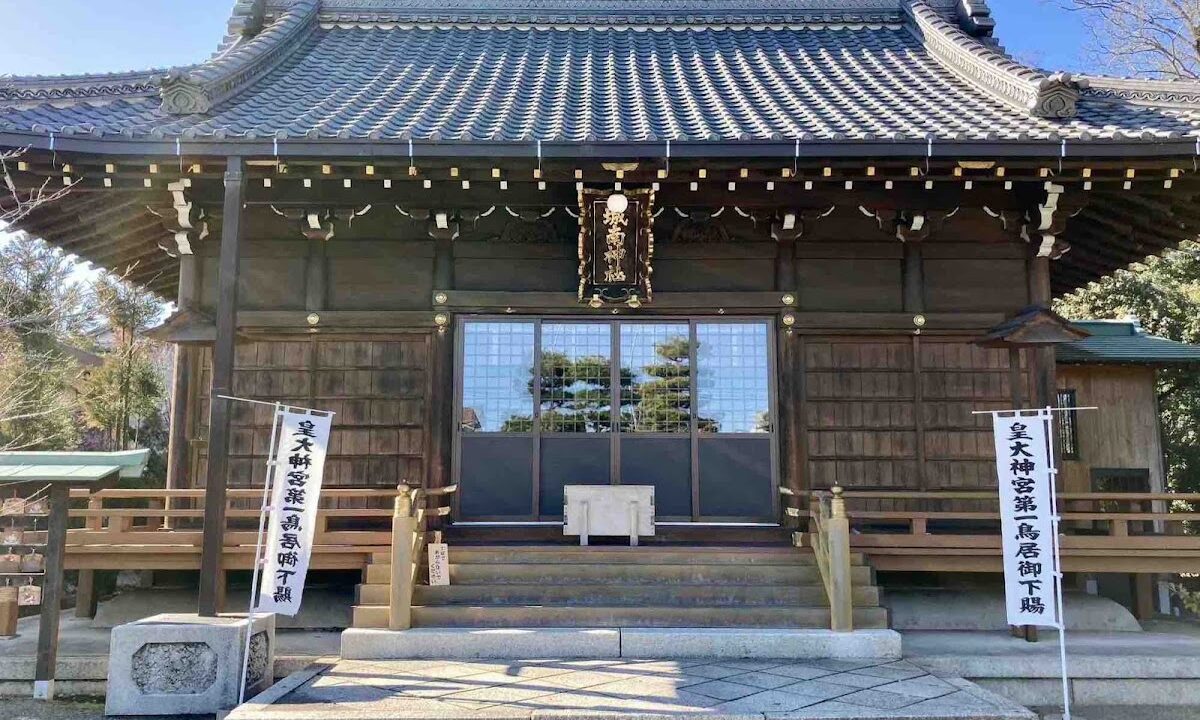
Jonan Shrine (Kuwana City, Mie Prefecture) Complete Guide | A Shrine Associated with Yamato-hime no Mikoto and Connected to the Ise Grand Shrine’s Shikinen Sengu (Periodic Relocation Ceremony)
Located in Yasunaga, Kuwana City, Mie Prefecture, Jonan Shrine is known as a shrine associated with Yamato-hime no Mikoto, who played a crucial role in ancient Japanese history. It has a deep connection with Ise Grand Shrine and is a special shrine that receives a new torii gate each time the shrine is relocated, attracting the faith of the local community. This article provides a detailed introduction to Jonan Shrine, including its history, enshrined deities, highlights within the grounds, and access information.
History and Origins of Jonan Shrine
A Sacred Site of Yamato-hime no Mikoto’s Pilgrimage
The history of Jonan Shrine dates back to the reign of Emperor Suinin, the eleventh emperor. According to legend, Princess Yamato-hime no Mikoto, daughter of the Emperor, traveled from Yamato (present-day Nara Prefecture) through Omi (Shiga Prefecture) and Mino (Gifu Prefecture) to Ise in search of a suitable location to permanently enshrine Amaterasu Omikami, the ancestral deity of the Imperial family. It is said that she temporarily stopped at this location during her journey.
Following the divine will of Amaterasu Omikami, Princess Yamato-hime no Mikoto traveled to various places in search of an ideal location. Her travel route is recorded in ancient documents such as the “Yamato-hime no Mikoto Seiki,” and Jonan Shrine is considered one of the important stops along this route. Due to this historical background, the shrine has been revered as a special sacred place since ancient times.
Origin as a Former Shinmei-gu Shrine
Jonan Shrine was originally founded as a “Shinmei-gu Shrine.” A Shinmei-gu Shrine is a general term for shrines that enshrine Amaterasu Omikami, and it is believed that the shrine’s origin lies in Princess Yamato-hime no Mikoto’s visit to this area, leading to the enshrinement of Amaterasu Omikami as the principal deity.
Due to this history, Jōnan Shrine has developed a deep connection with Ise Grand Shrine and has been deeply rooted in the region as a center of Ise faith throughout its long history.
Special Relationship with Ise Grand Shrine’s Shikinen Sengu (Periodic Relocation Ceremony)
Custom of the Bestowal of the First Torii Gate
The most noteworthy feature of Jōnan Shrine is its deep connection with the Ise Grand Shrine’s Shikinen Sengu. Every 20 years, during the Ise Grand Shrine’s Shikinen Sengu, it has been a long-standing custom for the first torii gate of the Kōtaijingu (Inner Shrine) to be bestowed upon Jōnan Shrine.
This custom is based on the historical connection of Princess Yamato-hime’s residence in this area and is an extremely rare privilege nationwide. Only a limited number of shrines are able to inherit the sacred torii gate of Ise Grand Shrine, illustrating the significant position Jōnan Shrine holds.
Parts of the Old Shrine Buildings are Also Bestowed
Not only the torii gate, but also parts of the old shrine buildings of Ise Grand Shrine are bestowed upon Jonan Shrine during the Shikinen Sengu (periodic rebuilding of the shrine). These sacred building materials are used in the reconstruction of Jonan Shrine’s buildings, and are utilized in a way that inherits the divine power of Ise Grand Shrine.
In particular, important components such as the ridgepole are sometimes bestowed, and it is believed that this imbues Jonan Shrine’s buildings with the spiritual energy of Ise Grand Shrine. This custom is a valuable tradition that conveys the historical and spiritual connection between the two shrines to the present day.
Deities and Divine Virtues
Main Deity: Amaterasu Omikami
The main deity of Jonan Shrine is Amaterasu Omikami, the supreme deity of Japan. She is a goddess who personifies the sun and is revered as the ancestral deity of the Imperial Family and the tutelary deity of all Japanese people.
Amaterasu Omikami is worshipped as an all-powerful goddess who grants all wishes, including national peace and security, abundant harvests, good fortune, and protection from evil. At Jonan Shrine in particular, it is believed that her divine power is strongly manifested due to the connection of Yamato-hime no Mikoto directly enshrining Amaterasu Omikami in this place.
Expected Divine Blessings
The divine blessings you can expect from visiting Jonan Shrine are diverse:
- Good Fortune and Prosperity: Bringing good fortune to all aspects of life
- Family Safety: Health and peaceful living for family members
- Business Prosperity: Development and success of business
- Protection from Evil and Disaster: Protection from all kinds of calamities
- Academic Success: Improvement in academics and passing exams
- Matchmaking: Success in finding a good partner and smooth interpersonal relationships
Especially as a shrine that inherited the torii gate of Ise Grand Shrine, it is said to possess the same spiritual power as a pilgrimage to Ise.
Highlights of the Shrine Grounds
The First Torii Gate, Bestowed from Ise Grand Shrine
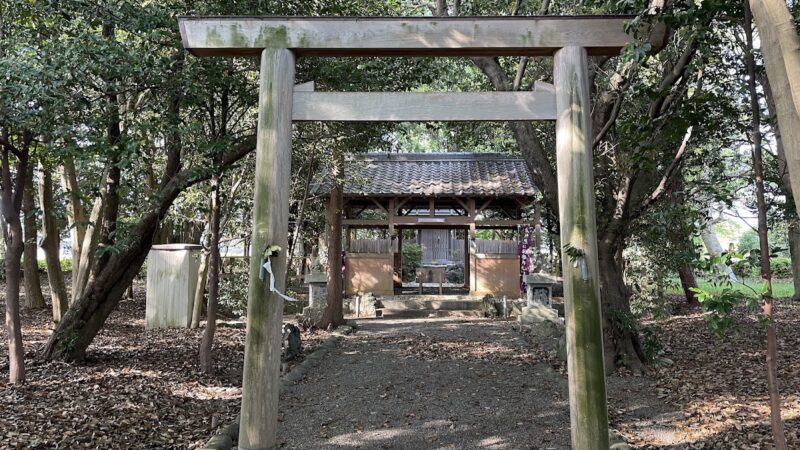
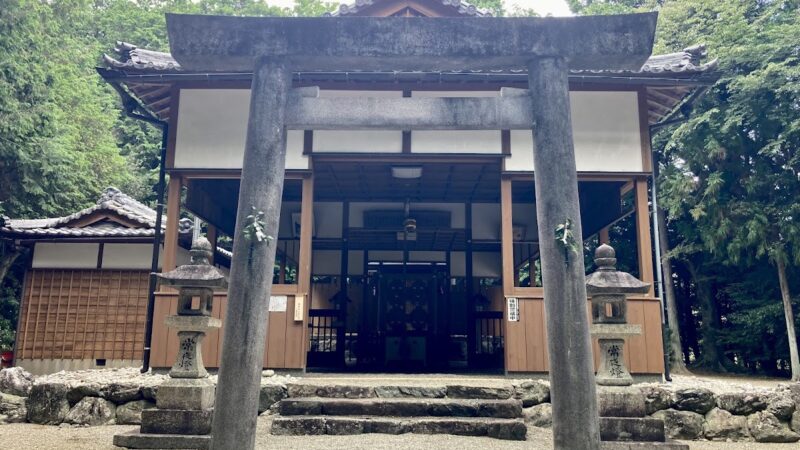
The first thing that catches the eye upon entering the shrine grounds is the magnificent torii gate bestowed from Ise Grand Shrine. This gate was relocated from the Inner Shrine of Ise Grand Shrine during the Shikinen Sengu (periodic rebuilding of the shrine) which takes place once every 20 years, and it displays a solemn presence in the Shinmei Torii style.
It is believed that the sacred energy of Ise Grand Shrine resides in the wood of the torii gate, and that simply passing through it allows one to receive a sense of purity. When visiting, it is recommended to pass through this historic torii gate while reflecting on its history.
The Approach and Shrine Buildings
After passing through the torii gate, a serene approach continues. The approach is neatly maintained, lined with trees on both sides, allowing visitors to enjoy the beauty of nature throughout the seasons. The approach is particularly adorned with beautiful colors during the fresh greenery of early summer and the vibrant autumn foliage.
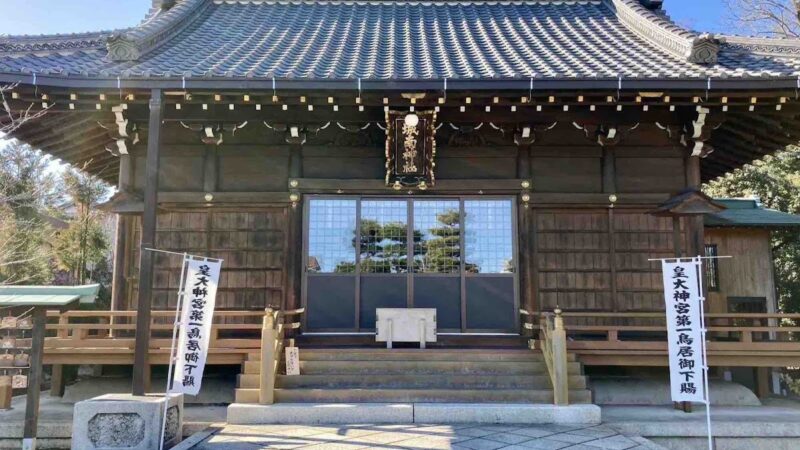
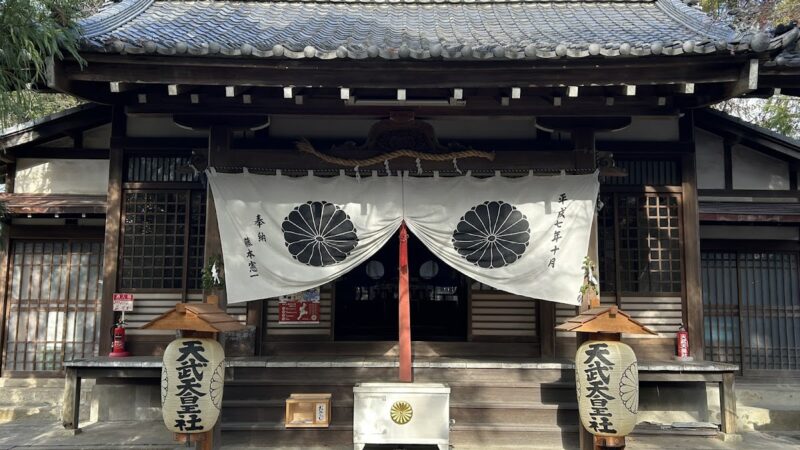
The shrine building, located at the end of the approach path, was constructed using materials from an ancient shrine bestowed by Ise Grand Shrine, resulting in a refined and dignified building in the Shinmei-zukuri style. Standing before the shrine, one can almost picture the ancient scene of Princess Yamato-hime’s journey.
Subsidiary Shrines and Auxiliary Shrines
Besides the main shrine, several subsidiary shrines are enshrined within the grounds of Jonan Shrine. These subsidiary shrines also attract local devotion and each possesses its own unique divine virtues. Visiting not only the main shrine but also the subsidiary shrines will make your pilgrimage more fulfilling.
Goshuin (Shrine Seal) Information
Issuance of Goshuin
Jonan Shrine offers goshuin to visitors. The goshuin features the calligraphy of “Jonan Shrine” and the shrine’s seal, and is a popular memento of one’s visit.
The goshuin is proof of your visit and a symbol of your connection with the deities. If you have a goshuincho (stamp book), please be sure to get a goshuin (stamp) from Jonan Shrine. Combined with its historical significance as a place visited by Princess Yamato-hime, this goshuin will hold special meaning.
Goshuin of Shrines under the Shrine’s jurisdiction
Jonan Shrine is also responsible for several surrounding shrines, and goshuin from these shrines may also be available at Jonan Shrine. For those who wish to enjoy a goshuin pilgrimage visiting multiple shrines in Kuwana City, we recommend checking in advance.
Annual Events and Festivals
Main Annual Events
Jonan Shrine holds various festivals and events throughout the year. The main events include the following:
- New Year’s Day Festival (January 1st): Celebrating the New Year and praying for peace throughout the year
- Setsubun Festival (around February 3rd): A ritual to ward off evil spirits through bean-throwing
- Spring Grand Festival: A festival celebrating the arrival of spring
- Summer Purification Ceremony (June 30th): A ceremony to cleanse away the sins and impurities accumulated over the past six months
- Autumn Grand Festival: A festival to give thanks for the harvest
- Year-End Purification Ceremony (December 31st): A ceremony to cleanse away the sins and impurities accumulated over the past year
These festivals are cherished by the local community, and the Grand Festivals, in particular, attract many worshippers.
Detailed Information and Access
Basic Information
Name: Jonan Shrine
Location: 787-1 Yasunaga, Kuwana City, Mie Prefecture
Deity Enshrined: Amaterasu Omikami
Shrine Rank: Former Village Shrine
Founded: Ancient Times (During the Imperial Visit of Princess Yamato-hime)
Access Methods
Access by Train:
- Approximately 8 minutes on foot (approx. 600m) from Masuo Station on the Sangi Railway Hokusei Line
- Approximately 12 minutes on foot (approx. 926m) from Umamichi Station on the Sangi Railway Hokusei Line
Access by Car:
- Head north on National Route 1 from Kawagoe Town, near the intersection with National Route 258 after crossing the Inabe River
- Approximately 10 minutes from Kuwana-Higashi IC on the Tomeihan Expressway
- Parking: There is parking available for visitors on the shrine grounds (limited number of spaces).
Points to Note When Using Public Transportation:
The Sangi Railway Hokusei Line can be boarded from Kintetsu/JR Kuwana Station. Known as a narrow-gauge (light railway) line, a pilgrimage while enjoying the peaceful rural scenery is also appealing.
Visiting Hours
While you can generally visit the shrine grounds freely, there may be time restrictions for receiving Goshuin (shrine stamps) and accepting prayer requests at the shrine office. If you want to be sure to receive a Goshuin or request prayers, it is recommended to inquire in advance.
Nearby Tourist Attractions
Attractions in Kuwana City
When visiting Jonan Shrine, you can also visit other tourist attractions in Kuwana City:
Tado Taisha Shrine: An ancient shrine revered as the principal guardian shrine of the Hokusei region. Famous for its Ageuma Shinto ritual. Approximately 15 minutes by car from Jonan Shrine.
Kuwana Castle Ruins (Kyuka Park): The ruins of the castle of the Kuwana Domain. In spring, it becomes a popular spot for cherry blossom viewing, attracting many visitors.
Rokkaen: A beautiful residence with a Western-style building and Japanese garden designated as a National Important Cultural Property. You can experience the culture of the Meiji and Taisho periods.
Shichiri no Watari Ruins: A historical site that tells the history of Kuwana, which flourished as a post town on the Tokaido Fifty-Three Stations route.
Nearby Sites Associated with Princess Yamato-hime
Besides Jonan Shrine, there are many sacred sites along Princess Yamato-hime’s pilgrimage route. The “Pilgrimage to the Sites Associated with Princess Yamato-hime” is also popular, offering a journey filled with historical romance.
Manners and Points for Visiting Shrines
Basic Visiting Etiquette
When visiting Jonan Shrine, please observe the following basic etiquette:
- Bow Before the Torii Gate: Before entering the shrine grounds, bow before the torii gate.
- Walk along the edge of the path: The center of the path is considered the path of the gods, so walk along the edge.
- Purify yourself at the water basin: If there is a water basin, purify your hands and mouth.
- Two bows, two claps, one bow: Before the shrine, bow deeply twice, clap twice, and finally bow deeply once.
Regarding photography
Photography is generally permitted on the shrine grounds, but you should refrain from taking pictures inside the shrine buildings or in sacred areas. Also, be considerate of other worshippers.
Regarding attire
While casual attire is acceptable, please be mindful that it is a sacred place and dress cleanly and appropriately. Formal attire is especially desirable for formal worship or prayers.
A Summary of the Charms of Jonan Shrine
Jonan Shrine is a historical sacred site where Princess Yamato-hime stopped during her pilgrimage to find a suitable place for Amaterasu Omikami to reside. It is a special shrine with deep ties to Ise Grand Shrine. The rare practice of receiving the first torii gate from Ise Grand Shrine during the Shikinen Sengu (periodic rebuilding of the shrine) every 20 years speaks to the shrine’s prestige and profound history.
The shrine grounds are enveloped in a tranquil and pure atmosphere, making it an ideal place to escape the hustle and bustle of the city and find peace of mind. Passing through the torii gate inherited from Ise Grand Shrine, walking along the approach, and offering prayers at the shrine—this entire experience of worship will be a precious opportunity to experience the ancient form of Japanese faith.
When visiting Kuwana City, Mie Prefecture, be sure to visit Jonan Shrine and experience the divine virtues of Princess Yamato-hime and Amaterasu Omikami. Visiting before or after a visit to Ise Grand Shrine will provide an even deeper religious experience.
Filled with history, tradition, and a sacred atmosphere, Jonan Shrine is a precious cultural heritage site that conveys Japan’s spiritual culture to the present day. We hope that through your visit, you will be able to touch a part of Japanese history and find peace of mind.