Igo Shrine (Mie Prefecture) Complete Guide | History, Deities, Access, and Festival Information for this Engishiki-Listed Shrine
Igo Shrine, located in Asahi-cho, Mie-gun, Mie Prefecture, is a historical shrine with a history dating back to the early Heian period. As a Shikinaisha (shrine listed in the Engishiki Jinmyocho), it enshrines Takaokami-no-kami, the god of water, and has been deeply revered by the local people. This article provides detailed information useful for visitors, including the history of Igo Shrine, its enshrined deities, highlights of the grounds, festivals, and access methods.
What is Igo Shrine? | Its Status as an Engishiki-Listed Shrine
Igo Shrine is located at 2567 Kaki, Asahi-cho, Mie-gun, Mie Prefecture, and is identified as one of the “24 shrines in Asake-gun, Ise Province” listed in the Engishiki Jinmyocho. The Engishiki Jinmyocho is a list of official shrines throughout Japan compiled in 927 (Enchō 5) during the mid-Heian period. Shrines listed in this list are considered to be of high status, recognized by the imperial court since ancient times.
Igo Shrine, despite its convenient location just a 3-minute walk from Asahi Station on the JR Kansai Main Line, maintains a tranquil atmosphere due to its location on a small hill. The solemn space, unexpected for a shrine so close to a station, evokes a special feeling in visitors.
Origin of the Shrine Name
There are several theories regarding the origin of the name “Igo,” but as it is a place name related to water, it suggests that this area has long been blessed with abundant water sources. The inclusion of the character “井” (i), meaning well or water source, also indicates a deep connection to water deity worship.
Deity Enshrined | Takaokami-no-Kami, the God of Water
The deity enshrined at Igo Shrine is Takaokami-no-Kami. Takaokami is a water deity appearing in Japanese mythology, particularly known as a dragon/serpent god who presides over rain and water sources.
Mythology and Characteristics of Takaokami
According to the Kojiki and Nihon Shoki, Takaokami is said to have been born when Izanagi-no-Mikoto slew Kagutsuchi-no-Kami, the god of fire. “Okami” is an archaic word meaning dragon or snake, and Takaokami has been worshipped as a serpent-bodied god who controls water.
Takaokami is also famous as the enshrined deity of Kifune Shrine in Kyoto, and is believed to have miraculous powers for rainmaking, protection of water sources, and agricultural prosperity. Similarly, many worshippers visit Igo Shrine to pray for water-related blessings and abundant harvests.
Divine Virtues and Benefits
Igo Shrine, which enshrines Takaokami, is believed to offer the following divine virtues and benefits:
- Abundant Harvest: Brings the blessings of rain and water essential for the growth of crops.
- Business Prosperity: Guides things to proceed smoothly, like the flow of water.
- Protection from Misfortune and Disaster: Protects against water-related disasters and fires.
- Matchmaking: Brings good relationships, just as water connects all things.
- Fulfillment of Wishes: Purifies and fulfills wishes, like pure water.
History of Igo Shrine | A Faith Continuing from the Heian Period
Origin of the Shrine
Igo Shrine is said to have been founded in 806 (Daido 1) during the early Heian period. This was about 10 years after the relocation of the capital to Heian-kyo, a time when Japan’s Ritsuryo system was being established. While there are no clear records of its original location, it is believed to have been a central figure in water deity worship in Asake District (present-day Asahi-cho area) since ancient times.
Listing in the Engishiki Jinmyocho (Register of Shrines in the Engi Era)
The Engishiki Jinmyocho, compiled in 927, lists Igo Shrine as “Igo Shrine, Asake District, Ise Province,” indicating that it was recognized as an official shrine at least by the mid-Heian period. This shows that Igo Shrine was an important object of worship in the region and its status was recognized by the imperial court.
Relocation in the Meiji Era
A major turning point in the history of Igo Shrine was its relocation in 1875 (Meiji 8). In that year, the shrine moved to its current location on a small hill at 2567 Kaki, Asahi-cho. The Meiji era was a period of significant change in the environment surrounding shrines, including the separation of Shinto and Buddhism and the establishment of the shrine ranking system. It is believed that Igo Shrine also evolved into its current form within the flow of this era.
The relocation resulted in a convenient location near JR Asahi Station, making it easily accessible for worshippers.
From Modern to Contemporary Times
Since the Meiji era, Igo Shrine has been revered by local residents as the guardian deity of the region and as a shrine dedicated to the god of water. Even as Asahi Town developed through the post-war period of rapid economic growth, the shrine has continued to play its role as a spiritual pillar of the community.
Highlights of the Shrine Grounds | Zuishin-mon Gate and Magnificent Komainu (Guardian Dogs)
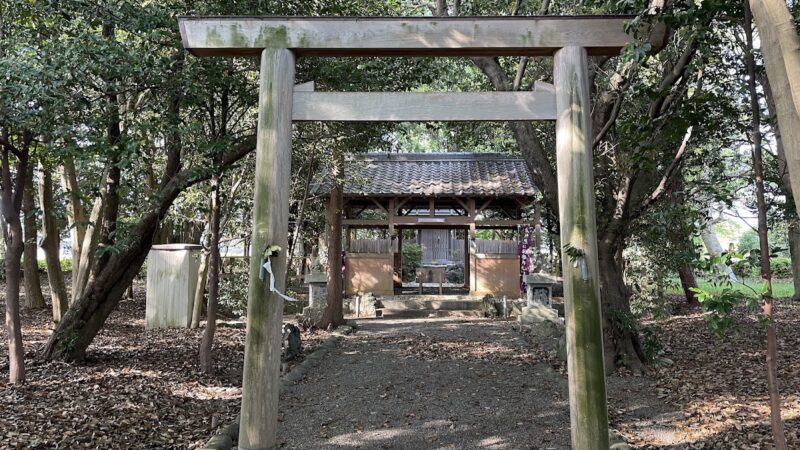
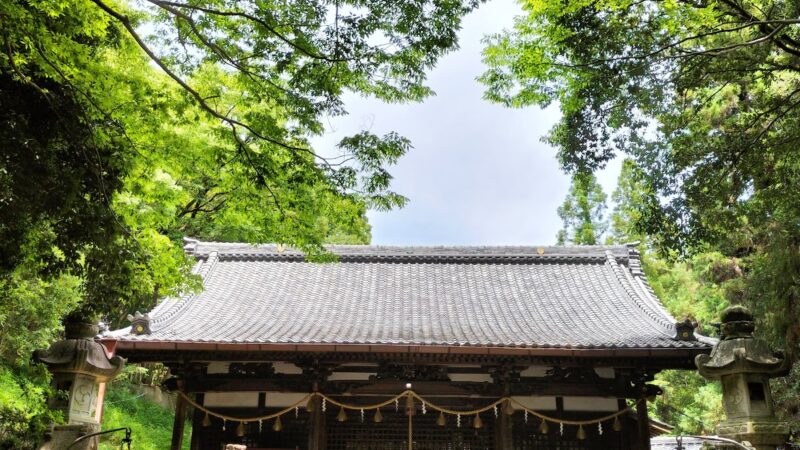
The grounds of Igo Shrine retain numerous buildings and stone structures that evoke a sense of history and prestige. Combined with its location on a small hill, the entire grounds are enveloped in a sacred atmosphere.
Zuishin-mon Gate (Shrine Gate)
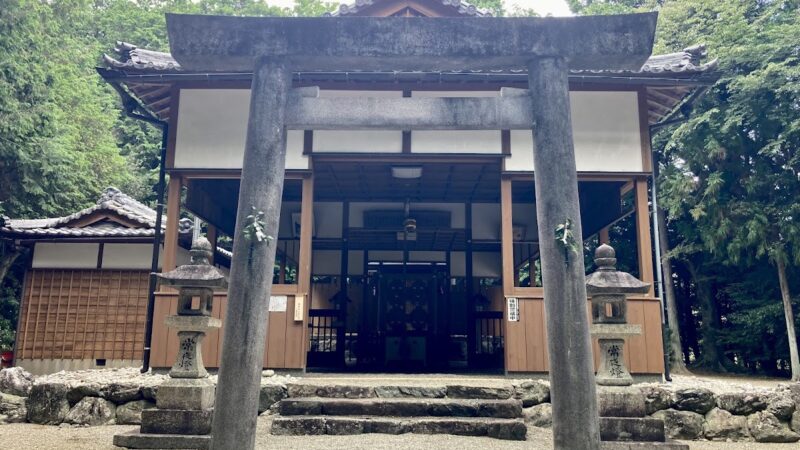
At the entrance to the shrine grounds stands a magnificent shrine gate called a Zuishin-mon. A Zuishin-mon is a gate with Zuishin (armed gods guarding the gate) on either side, and is an architectural style seen in high-ranking shrines. The scale and exquisite craftsmanship of Igo Shrine’s Zuishin-mon speak to its high status as a Shikinaisha (a shrine listed in the Engishiki, an ancient Japanese legal code).
When passing through the gate, it is considered proper etiquette to bow to the guardian statues before proceeding.
Komainu and Lanterns
Visitors to Igo Shrine are often surprised by the large scale of the komainu (guardian lion-dogs) and lanterns. The komainu placed within the shrine grounds are larger than those found at typical shrines, and are characterized by their powerful forms. These komainu have watched over the shrine for many years as sacred beasts protecting the divine area.
The stone lanterns are equally impressive, reflecting the deep faith of those who donated them. Many of these stone structures were donated during the Edo and Meiji periods, showcasing the high level of stonemasonry skills of that time.
Main Hall and Worship Hall
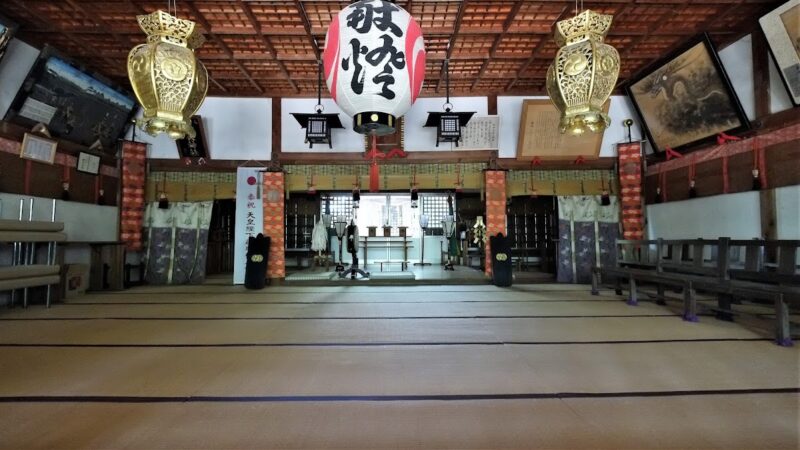
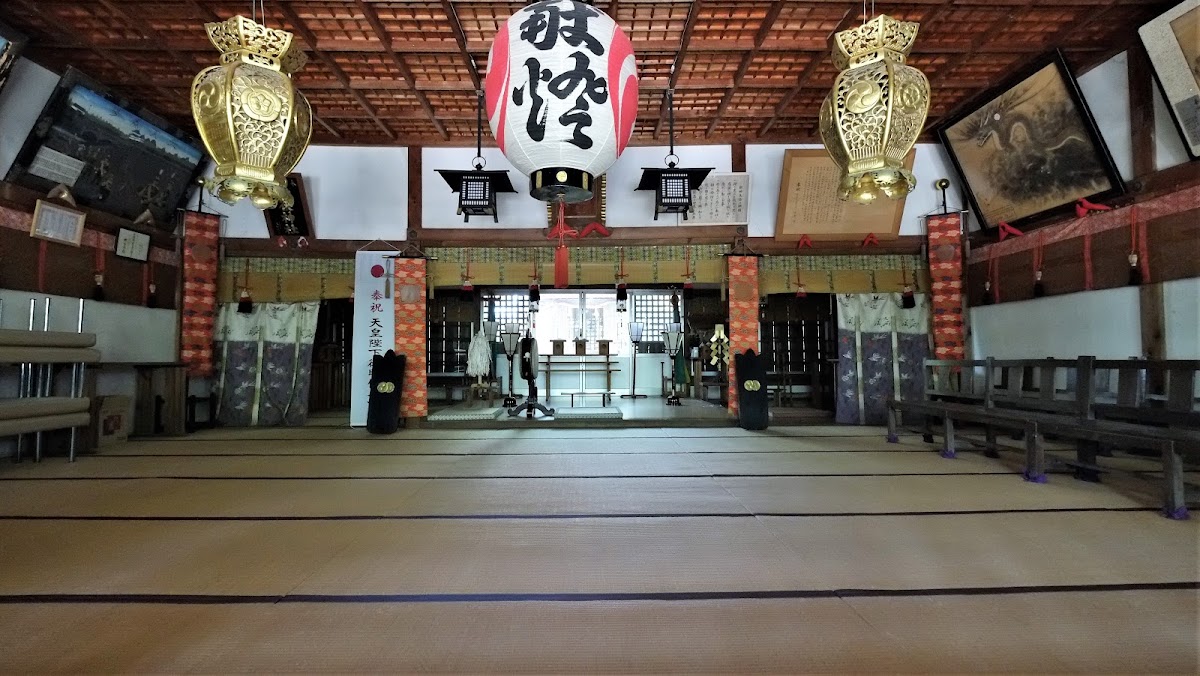
The main hall is located at the top of a hill, reached by climbing stone steps from the worship hall. The architectural style of the main hall is influenced by the Shinmei-zukuri style, a simple yet dignified structure typical of shrines in Ise Province. The worship hall is a place where worshippers offer prayers, and many people visit daily. ### Shrines within the Precincts
Besides the main shrine, several smaller shrines are enshrined within the grounds of Igo Shrine. These small shrines also attract local devotion, and each is believed to possess different divine virtues. When touring the shrine grounds, visiting these smaller shrines will allow for a deeper pilgrimage experience.
Annual Festival (Autumn Grand Festival) | Traditional Event in October
Igo Shrine’s annual festival is held on October 17th every year. This Autumn Grand Festival is the most important annual event at Igo Shrine and is celebrated grandly with the entire community participating.
Contents of the Annual Festival
The annual festival includes the following traditional Shinto rituals and events:
Mikoshi Togyo (Portable Shrine Procession)
This is a Shinto ritual in which the sacred object is transferred to a portable shrine and paraded through the parish area. The procession of the deity through the community is meant to pray for a bountiful harvest and safety in the coming year, and to purify the entire community. The sight of the portable shrine parading through the town accompanied by the spirited shouts of the bearers is truly impressive.
Lion Dance Dedication
A traditional lion dance is dedicated within the shrine grounds. The lion dance is considered an auspicious performance, believed to ward off evil spirits and bring about a bountiful harvest and good health. Unique dances passed down through the region are showcased, attracting many spectators.
Drum Dedication
Powerful performances of Japanese drums are dedicated before the shrine. The sound of the drums is believed to summon the gods and ward off evil spirits, making it an important element in enlivening the festival.
Kagura and Dance Dedication
Kagura and traditional dances are sometimes dedicated by shrine maidens, offering graceful movements to comfort the gods.
Significance of the Annual Festival
The annual festival is not merely an annual event, but also an important opportunity to deepen the bonds of the local community. From preparation to operation and cleanup on the day of the event, the cooperation of parishioners and local residents fosters intergenerational exchange. It also plays an important role as a place for passing on traditional culture to the next generation.
Access Information | Conveniently located just a 3-minute walk from the station
Basic Information
Location
2567 Kaki, Asahi-cho, Mie-gun, Mie Prefecture 510-8102
Nearest Station
JR Kansai Main Line, Asahi Station
Access by Train
The shrine is very conveniently located, just a 3-minute walk from JR Kansai Main Line’s “Asahi Station.” Upon exiting the station and heading northeast, you will see Igo Shrine, situated on a small hill. Its proximity to the station makes it easily accessible from Nagoya and Yokkaichi.
Travel Time from Major Stations
- From Nagoya Station: Approximately 30 minutes by JR Kansai Main Line Rapid Service
- From Yokkaichi Station: Approximately 10 minutes by JR Kansai Main Line
- From Kuwana Station: Approximately 15 minutes by JR Kansai Main Line
Access by Car
If using the Tomeihan Expressway, exit at “Yokkaichi East IC” or “Kuwana East IC” and drive for approximately 15-20 minutes via National Route 1.
Parking
Igo Shrine has a parking lot for visitors. However, congestion is expected during events such as festivals, so using public transportation is recommended. Since the number of available parking spaces is limited, it is recommended to check in advance.
Manners and Etiquette for Visiting Shrines
When visiting Igo Shrine, please observe basic shrine visiting manners.
How to Pass Through the Torii Gate
The torii gate is the entrance to the sacred area. Bow before passing through the torii gate and walk while avoiding the center of the approach path (the path of the gods).
Proper Ritual of Watering Hands
- Take the ladle with your right hand and purify your left hand.
- Switch the ladle to your left hand and purify your right hand.
- Switch the ladle back to your right hand, receive water in your left hand, and rinse your mouth.
- Finally, stand the ladle upright to purify the handle and return it to its original place.
Worship at the Main Hall
- Quietly place your offering in the offering box.
- Ring the bell (if present).
- Perform the two bows, two claps, one bow ritual (bowing deeply twice, clapping twice, bowing deeply once).
- Offer your prayers quietly in your heart.
Attractions Around Igo Shrine
Here are some sightseeing spots in the surrounding area that you might want to visit along with your visit to Igo Shrine.
History and Culture of Asahi Town
Asahi Town is a region that has flourished since ancient times as a post town on the Tokaido road. The town is dotted with historical buildings and sites, making it a pleasant place to stroll around.
Nearby Shrines and Temples
There are many other historical shrines and temples in Asahi Town and the surrounding Mie County area. If you have time, a “shrine pilgrimage” visiting several shrines is highly recommended.
Yokkaichi City Center
Yokkaichi City, located a few stations away from JR Asahi Station, is the central city of northern Mie Prefecture. It boasts numerous facilities for shopping and dining, making it an ideal stop after visiting the shrine.
Annual Events at Igo Shrine
In addition to the annual festival, various Shinto rituals are held at Igo Shrine throughout the year.
New Year’s Day Festival (January 1st)
This is the first Shinto ritual of the new year, praying for peace and prosperity throughout the year. It is bustling with worshippers making their first shrine visit of the year.
Setsubun Festival (around February 3rd)
Events such as bean-throwing are held, praying for protection from evil and good fortune. ### Summer Purification Ceremony (June 30th)
This is a Shinto ritual to purify oneself of the impurities accumulated over the past six months. A ritual of passing through a ring of reeds may also be performed.
Autumn Grand Festival (October 17th)
As mentioned above, this is the most important festival at Igo Shrine.
Niiname-sai Festival (November 23rd)
This is a Shinto ritual to give thanks for the year’s harvest and celebrate a bountiful harvest.
Goshuin (Shrine Seals) and Amulets
Goshuin (Shrine Seals)
Goshuin are available at Igo Shrine. Goshuin are proof of your visit and serve as a tangible record of your connection with the deity. Bring your goshuincho (seal book) and request one at the shrine office after your visit.
Amulets and Gifts
Igo Shrine, which enshrines the water deity, offers amulets related to protection from water-related disasters, bountiful harvests, and business prosperity. You can choose an amulet that suits your individual wishes.
Visitor Voices and Experiences
Visitors who have actually visited Igo Shrine have shared the following impressions:
“Despite being close to the station, the shrine grounds are quiet and have a peaceful atmosphere. I felt like my soul was being cleansed.”
“I was surprised by the magnificence of the Zuishinmon gate and the guardian lions. It has a scale that you wouldn’t expect from a shrine in a small town.”
“I watched the portable shrine procession during the annual festival, and I felt the enthusiasm of the local people and the weight of tradition.”
“As it is a shrine dedicated to the god of water, I visited to pray for business prosperity. I felt that a pure energy flows through this place.”
These visitor posts show that Igo Shrine is beloved by many people and attracts their faith.
Recommended Points for Visiting Igo Shrine
Convenient Location Near the Station
Its location, just a 3-minute walk from JR Asahi Station, is a major attraction for visitors from afar. You can easily visit even without a car.
Status as a Shikinaisha Shrine
The historical value of being a Shikinaisha shrine listed in the Engishiki Jinmyocho (a list of shrines compiled in the Heian period) is a point that cannot be overlooked by those who enjoy visiting shrines.
Divine Virtues of the Water God
The divine virtues of Takaokami-no-kami, the god who presides over water, relate to “water,” which is important in all aspects of agriculture, commerce, and daily life. It possesses a broad range of blessings that can accommodate the diverse wishes of worshippers.
Charm of the Annual Festival
The annual festival in October is a valuable opportunity to experience traditional culture. You can feel the Japanese festival culture firsthand through the portable shrine procession and lion dance.
Summary
Igo Shrine is an Engishiki-listed shrine located in Asahi-cho, Mie-gun, Mie Prefecture, with a history of over 1200 years since its founding in the early Heian period. It enshrines Takaokami-no-kami, the water god, and is believed to offer various blessings such as abundant harvests, business prosperity, and protection from evil.
Located just a 3-minute walk from JR Asahi Station, this shrine boasts excellent accessibility, numerous points of interest such as the Zuishinmon gate and large guardian lion-dogs, and traditional events held during its annual festival on October 17th, making it well worth a visit. Since its relocation to its current location in 1875, it has maintained its status as the local guardian shrine and a Shikinaisha (a shrine listed in the Engishiki, an ancient Japanese legal code), attracting the faith of many worshippers.
When visiting Mie Prefecture or planning a shrine tour, be sure to consider visiting Igo Shrine. While its convenient location near the station makes it easily accessible, stepping onto the grounds reveals a sacred space steeped in long history and tradition. You’ll feel the pure spirit of the water deity and find refreshment in both mind and body.