Tsumie Shrine (Iga City, Mie Prefecture) Complete Guide | Goshuin (Shrine Seal), History, and Access Information
Tsumie Shrine, located in Tsuge-cho, Iga City, Mie Prefecture, is a historic shrine that has attracted local worship since ancient times. Known as a place visited by Princess Yamato-hime, it holds a historically significant position as a Shikinaisha (a shrine listed in the Engishiki Jinmyocho, a historical record of shrines). This article comprehensively introduces information useful for visiting Tsumie Shrine, including its history, goshuin information, highlights within the grounds, and access methods.
Tsumie Shrine, located in Tsuge-cho, Iga City, Mie Prefecture, is a venerable shrine that has attracted local worshippers since ancient times. ## Basic Information about Tomie Shrine
Location: 2280 Tsuge-cho, Iga City, Mie Prefecture
Phone Number: 0595-45-3636
Main Deities: Okuninushi-no-Mikoto, Sukunahikona-no-Mikoto
Former Shrine Rank: Shikinaisha (Minor Shrine), Village Shrine
Founding: Said to be during the reign of Emperor Bidatsu (late 6th century)
Tomie Shrine is conveniently located about a 10-minute walk from Tsuge Station on the JR Kansai Main Line, and about a 5-minute drive from the Kami-Tsuge IC or Iga IC on the Meihan Expressway. The shrine grounds are adjacent to Tsuge Elementary School and Tsuge Nursery School, and it is a beloved shrine deeply rooted in the local community.
History and Origins of Tsumie Shrine
History of Faith from Ancient Times
While there are various theories regarding the founding date of Tsumie Shrine, according to old records, it is said that “during the reign of Emperor Bidatsu, the head of this village enshrined a deity and named it Anaishi Daimyojin.” Its origins may date back to the 2nd or 3rd century AD, and it is believed to have begun when a northern people (Izumo tribe) who migrated to Japan enshrined a deity in Anashi Valley on the mountainside of Mount Reizan.
Initially, it was called “Anaishi Daimyojin,” “Anashi Myojin,” or “Isonokami Myojin,” and was located in Anashi Valley on the mountainside of Mount Reizan (766m above sea level). Records indicate that during the reign of Emperor Konin, the shrine grounds and buildings were established by imperial decree, indicating that it was a shrine with deep ties to the imperial court from ancient times.
Status as a Shikinaisha Shrine
Tsumie Shrine is considered a candidate for the “Anashi Shrine” listed in the Engishiki Jinmyocho (a list of shrines compiled in the Heian period) in Volumes 9 and 10, under the section for shrines along the Tokaido Road in Abai District, Iga Province. The Engishiki is a legal code compiled in the mid-Heian period (927 AD), and shrines listed within it hold special status as “Shikinaisha.”
Iga Province has 25 Shikinaisha shrines, and Tsumie Shrine has played a central role in the region as one of them. Its history as a Shikinaisha shrine is evidence of its importance since ancient times.
History as a Site Visited by Princess Yamato-hime
Tsumie Shrine is also known as a site visited by Princess Yamato-hime. Princess Yamato-hime was the daughter of Emperor Suinin, the 11th emperor, and traveled throughout Japan in search of an eternal sacred site to enshrine Amaterasu Omikami.
According to the *Yamato-hime no Mikoto Seiki* (Chronicle of Princess Yamato), Princess Yamato-hime is said to have stayed at “Anaho-no-miya” in Iga Province for four years. There is a theory that this Anaho-no-miya was the predecessor of Tsumie Shrine, and it holds significant importance as a sacred site before Princess Yamato-hime moved to the shrine. For this reason, Tsumie Shrine is also noteworthy as a shrine with deep ties to Ise Grand Shrine.
Relocation to the Current Location and the Legend of the Great Flood
Originally located on the mountainside of a sacred mountain, Tsumie Shrine was relocated to its current location at some point. A legend remains that the reason for this relocation was that the shrine buildings were washed away by a great flood.
By relocating from the mountainous area to a hilltop overlooking the present-day town of Tsuge, Tsumie Shrine became a more familiar presence to the local residents as the tutelary deity of the Tsuge region. Even today, it remains deeply intertwined with the lives of the people of Tsuge as the local guardian deity.
Highlights of the Shrine Grounds
Approach and Stone Steps
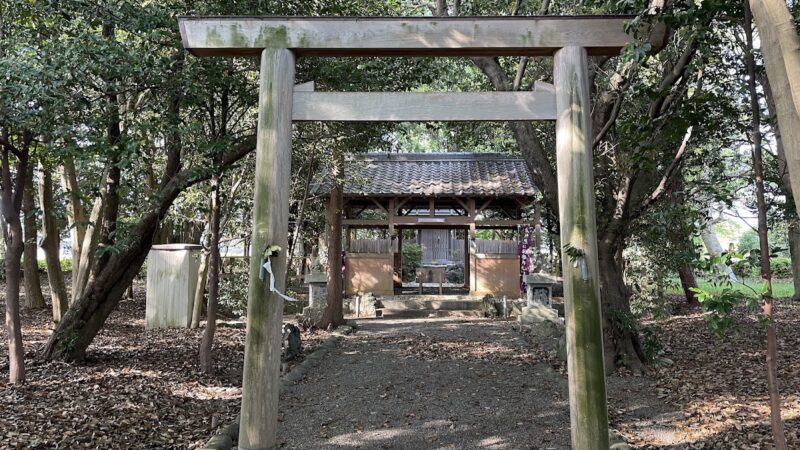
The approach to Tomie Shrine extends north from the road. There is a large torii gate at the entrance, but since cars cannot pass through it, visitors use the parking lot to the side.
As you proceed along the approach, a long stone staircase appears. Climbing these steps offers a refreshing view of the town of Tsuge and Mount Reizan. Trees grow on both sides of the steps, creating an environment where visitors can feel the changing seasons while praying.
Worship Hall and Main Shrine
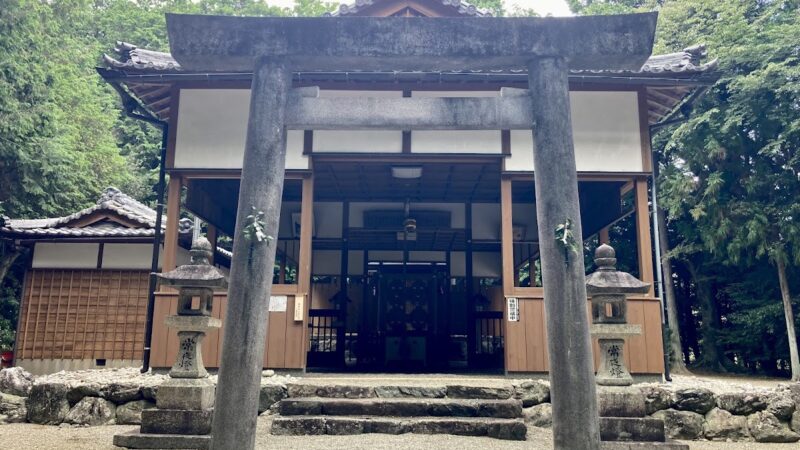
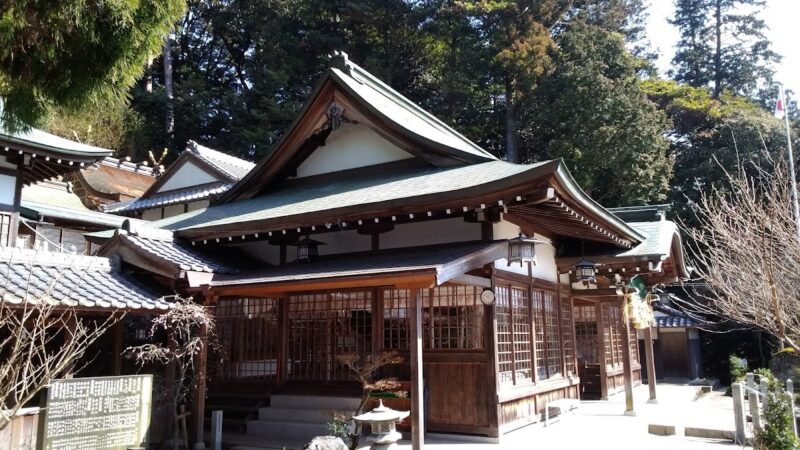
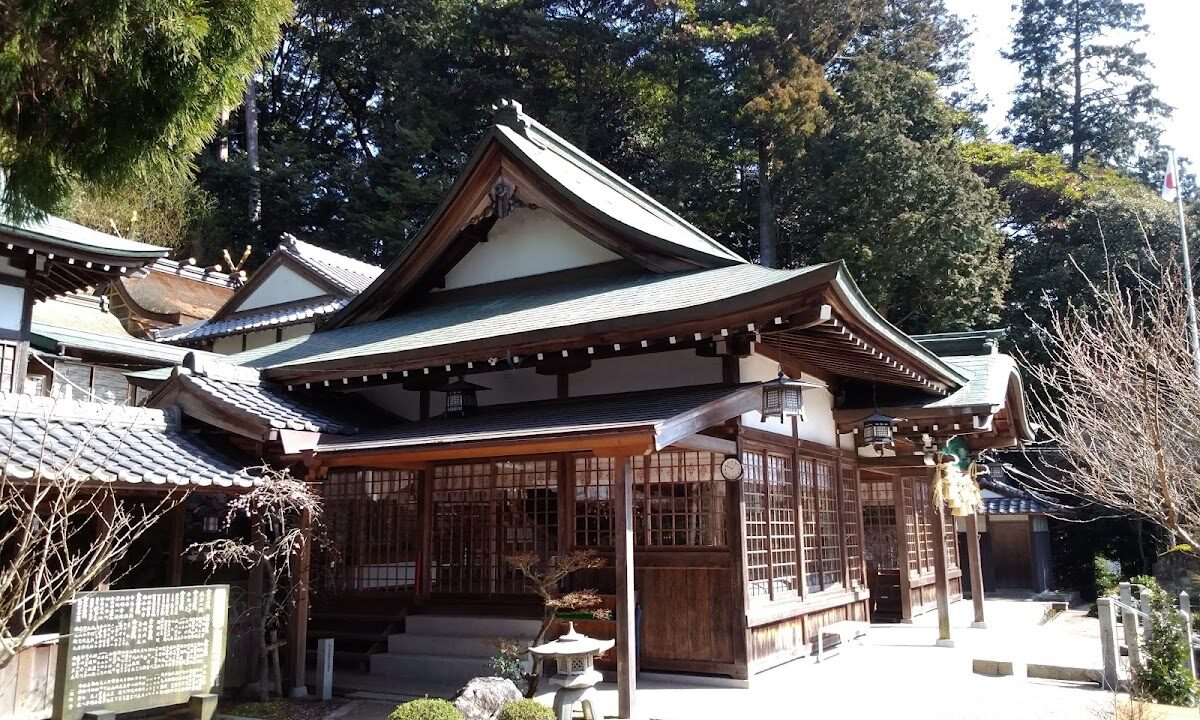
At the top of the stone steps stands a beautiful worship hall. Facing south, the worship hall has a bright, sunny atmosphere. The architectural style of the worship hall features traditional shrine architecture, giving it a sense of local history.
Behind the worship hall is the main shrine, where Okuninushi-no-Mikoto and Sukunahikona-no-Mikoto are enshrined. The area surrounding the main shrine is also home to subsidiary shrines, and the entire grounds are maintained as a sacred space. The view of the main shrine from the worship hall is one of the highlights of Tsumie Shrine.
Water Basin and Shrine Facilities
A water basin is located on the shrine grounds, allowing visitors to purify themselves before praying. Restrooms are also available on the grounds, ensuring a comfortable visit.
To the left of the grounds is Tsuge Nursery School, and next to it is Tsuge Elementary School, indicating the shrine’s function as a central hub for the local community. The sounds of children’s voices create a vibrant atmosphere on the grounds.
Shrine Office and Souvenirs
A shrine office is located on the grounds, where visitors can receive goshuin (shrine stamps) and other souvenirs. The office building is situated in a corner of the grounds and is where visitors are served. Goshuin are usually given as pre-printed stamps, as will be explained later.
Goshuin Information
About Goshuin Issuance
Tsumie Shrine offers goshuin. This is a popular shrine where many worshippers come seeking Goshuin (shrine stamps). Goshuin can be obtained at the shrine office, but staff may not always be present, so it’s recommended to call ahead to confirm availability.
Goshuin Reception Location: Shrine Office
Format: Pre-printed (standard)
Donation Fee: Approximately 300-500 yen (subject to change)
Goshuin Design
The Goshuin of Tsumie Shrine features the shrine’s name, “Tsumie Shrine,” written in ink, and stamped with the shrine’s seal. The simple yet dignified design reflects its history as a Shikinaisha (a shrine listed in the Engishiki, an ancient Japanese legal code).
Pre-printed Goshuin are available at the shrine office, and worshippers attach them to their Goshuin notebooks themselves. If you wish to have a handwritten Goshuin, it’s best to contact the shrine in advance to confirm availability.
Goshuin Pilgrimage Information
Tsumie Shrine is often included in shrine pilgrimage routes in the Iga region. Nearby, there are other Shikinaisha (shrines listed in the Engishiki) and historically significant shrines such as Hikumo Shrine, making it possible to plan a tour of multiple shrines.
When planning a shrine tour within Iga City, we recommend using Tsumie Shrine as a base to create an efficient route.
Annual Events and Festivals
Saio Procession
At Tsumie Shrine, the “Saio Procession” is held annually around mid-September. This event recreates the procession of Princess Yamato-hime, with a procession of people dressed in Heian period costumes parading through the town.
The Saio Procession is an important event commemorating Tsumie Shrine as a place visited by Princess Yamato-hime, and it is a valuable opportunity to convey the history and culture of the region. It is a representative cultural event of the Tsuge region, attracting many tourists and history enthusiasts.
Other Annual Events
At Tsumie Shrine, various Shinto rituals are performed throughout the year, including the New Year’s Day Festival, the Spring Festival, and the Autumn Festival. These events are preserved in traditional forms with the participation of local residents.
Especially during the annual festival, local people gather, and events such as the portable shrine procession and offering ceremonies are sometimes held. As the local tutelary shrine, Tsumie Shrine is deeply rooted in the lives of the people of Tsuge.
Access and Parking Information
Access by Train
Nearest Station: JR Kansai Main Line, Tsuge Station
Distance from Station: Approximately 10 minutes on foot (approximately 800m)
Tsuge Station is a station on the Kansai Main Line and also a junction station for the JR Kusatsu Line. It is easily accessible from both Nagoya and Osaka. From the station to the shrine, you can enjoy a stroll through the townscape of Tsuge.
After leaving the station, head west and aim for Tsuge Elementary School to reach Tsumie Shrine. There are signs along the way, so even first-time visitors are unlikely to get lost.
Access by Car
Nearest Interchange: Meihan Expressway, Kamitsuge IC, Iga IC
Travel Time from IC: Approximately 5 minutes
Parking: Available (Free)
If using the Meihan Expressway, exit at either Kamitsuge IC or Iga IC and head towards Tsuge via National Route 25. Setting your car navigation system to “Tsumie Shrine” or the address “2280 Tsuge-cho, Iga City, Mie Prefecture” will ensure a smooth arrival.
While parking is available adjacent to the shrine grounds, you cannot pass through the large torii gate; please use the parking spaces to the side. Parking is limited, so please consider using public transportation on days when congestion is expected, such as during festivals.
Location in Relation to Surrounding Facilities
Tsumie Shrine is adjacent to Tsuge Elementary School and Tsuge Nursery School. There are also restaurants and convenience stores around Tsuge Station, making it possible to rest or eat before or after your visit. Located about 30-40 minutes by car from other tourist spots in Iga City (such as Iga Ueno Castle and the Ninja Museum), it can be visited as part of an Iga sightseeing trip.
Deities and Divine Virtues of Tsumie Shrine
Okuninushi-no-Mikoto
Okuninushi-no-Mikoto, the principal deity of Tsumie Shrine, is a god of nation-building, also known as the principal deity of Izumo Taisha Shrine. Appearing in the Kojiki and Nihon Shoki, he is believed to possess a wide range of divine virtues, including national management, agriculture, commerce, and medicine.
Okuninushi-no-Mikoto is also affectionately known as “Daikoku-sama” and is believed to bring blessings for matchmaking, family safety, and business prosperity. This deity aligns with the tradition that Tsumie Shrine was founded by a northern people (Izumo tribe).
Sukunahikona-no-Mikoto
Sukunahikona-no-Mikoto is known as a god who, along with Okuninushi-no-Mikoto, built the nation. Despite his small stature, he excelled in wisdom and skill, and is worshipped as the god of medicine, hot springs, and sake brewing.
Sukunahikona-no-Mikoto’s divine virtues include healing from illness, health and longevity, and the bestowal of wisdom. It is believed that worshipping him alongside Okuninushi-no-Mikoto brings even broader blessings.
Role as a Local Deity
Tsumie Shrine serves as the local deity of the Tsuge region, protecting the lives of the local residents. A local deity is a god who protects those born in a particular area throughout their lives, and it is customary to visit the shrine at important life events such as a baby’s first shrine visit, Shichi-Go-San (a traditional rite of passage for children), and exorcism.
As the local guardian deity, Tsuie Shrine is a cornerstone of the Tsuge people’s identity, and its faith has been passed down through generations.
Attractions Around Tomie Shrine
Ryōzen (Sacred Mountain)
Ryōzen, the former site of Tomie Shrine, is a 766m-high mountain cherished as a watchful presence overlooking the town of Tsuge. From the summit, you can enjoy a panoramic view of the Iga Basin, and it’s a popular hiking destination.
On the slopes of Ryōzen, in Anashi Valley, lies the site believed to be the original shrine of Tomie Shrine, worth a visit for those interested in history. However, some parts of the mountain trail are not well-maintained, so it’s recommended to visit with proper hiking gear.
The Townscape of Tsuge
Tsuge has long flourished as a transportation hub, located at the intersection of the Tōkaidō and Iga Kaidō roads. During the Edo period, it was a bustling post town, and buildings that retain its historical character can still be found scattered throughout the town.
When visiting Tomie Shrine, it’s also recommended to stroll through the town of Tsuge and enjoy its historic streetscape. You can also visit local history museums and old merchant buildings.
Other Tourist Spots in Iga City
Within a 30-minute drive from Tomie Shrine, you’ll find Iga Ueno Castle, the Iga-ryu Ninja Museum, and the Danjiri Museum, all representative tourist spots of Iga City. You can fully enjoy the charm of Iga City, known as the home of ninjas.
You can also create a shrine pilgrimage course visiting other Shikinaisha shrines, such as Hikumo Shrine, allowing for a journey to deeply learn about history and culture.
Manners and Points for Visiting a Shrine
Basic Worship Etiquette
- When passing through the torii gate: Bow before entering the shrine grounds.
- Walking along the approach: Walk along the sides of the approach, as the center is considered the path for the gods.
- Purification at the water basin: Purify your left hand, then your right hand, then your mouth, and finally purify the handle of the ladle.
- Worship at the main hall: Two bows, two claps, and one bow are the basic rituals.
Photography
Photography is generally permitted on the shrine grounds, but may be restricted inside the main hall or during religious ceremonies. Please check with the shrine office if you have any questions. It is also important to be considerate of other worshippers.
Clothing and Belongings
There are no strict dress code regulations, but please wear clean clothing appropriate for visiting a shrine. Comfortable shoes are recommended as you will be climbing stone steps. In summer, be sure to take precautions against the sun, and in winter, take precautions against the cold.
If you wish to receive a Goshuin (temple/shrine stamp), bring your Goshuincho (stamp book). It’s also convenient to have some small change ready for offerings.
Summary
Tsumie Shrine is a historic shrine located in Tsuge-cho, Iga City, Mie Prefecture. It possesses multifaceted charm, combining the status of a Shikinaisha (a shrine listed in the Engishiki, an ancient Japanese legal text), its history as a place visited by Princess Yamato-hime, and its role as the local tutelary deity.
The refreshing grounds that unfold after climbing the long stone steps, the beautiful main hall, and the view overlooking the town of Tsuge leave a deep impression on visitors. Goshuin are also available, making it a popular spot for shrine enthusiasts.
Its convenient access, being within walking distance of JR Tsuge Station and close to the Meihan National Highway, is another attractive feature. When visiting Iga City, be sure to visit Tsuie Shrine. The ancient history of faith and the warm, community-rooted atmosphere will surely provide a memorable pilgrimage experience.
Annual events, including the Saio procession in September, are also highlights. Why not experience the profound depth of Japanese shrine culture at Tsumie Shrine, where history and tradition thrive?