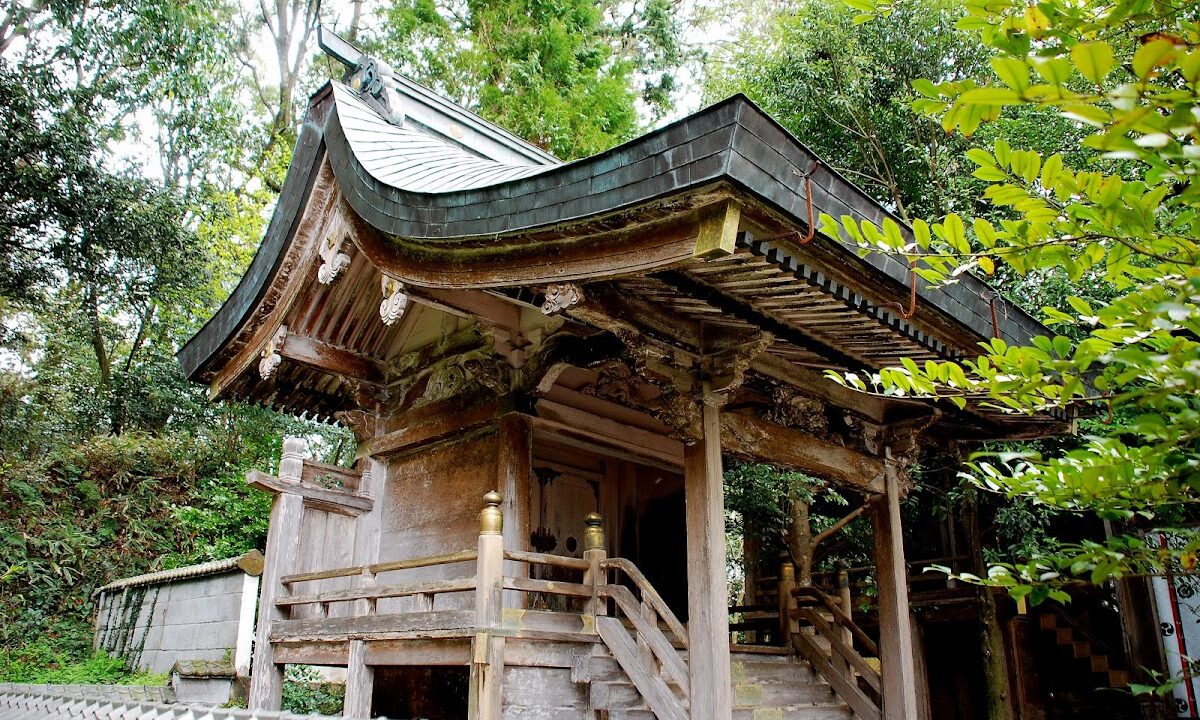
About Yofuta Shrine (Mie Prefecture)
Yofuta Shrine is a historic shrine located in Meiwa-cho, Taki-gun, Mie Prefecture. Affectionately known as “Yofuta-san” by the local people, it is a shrine that has long been revered by the local community.
Located in Meiwa-cho, near Ise Grand Shrine, it has deep ties to Ise faith, and its grounds, nestled amidst a tranquil rural landscape, offer visitors a peaceful atmosphere.
History and Origins of Yofuta Shrine
The exact founding date of Yofuta Shrine is unclear, but it is considered an ancient shrine that has been located in the area since ancient times. There are various theories about the origin of the place name “Yofuta,” but it is believed to be deeply connected to the development and agriculture of this region.
Records from the Edo Period
Edo period documents record that the shrine was revered by the local residents as the guardian shrine of Yofuta Village. From that time, the shrine was an integral part of the villagers’ lives, serving as a place to pray for abundant harvests and family safety.
Changes Since the Meiji Era
Due to the reform of the shrine system during the Meiji era, it was designated a village shrine. Since then, it has continued to play a central role in the local community as the tutelary deity of the region, through festivals and annual events. Even today, it is carefully protected and maintained by the local parishioners.
Deities and Benefits
Main Deities
The deities enshrined at Yobuta Shrine are said to be the local agricultural and land deities. The specific names of the deities are based on local traditions.
Expected Benefits
Yobuta Shrine is believed to offer the following benefits:
- Abundant Harvest: As a shrine in an agricultural region, it is deeply revered for prayers for a bountiful harvest.
- Family Safety: As the local guardian deity, it protects the peace and well-being of families.
- Regional Peace and Tranquility: Prayers are offered for the peace and prosperity of the entire village.
- Protection from Misfortune: The shrine is believed to have the divine power to protect against disasters.
Highlights of the Shrine Grounds
Main Hall and Worship Hall
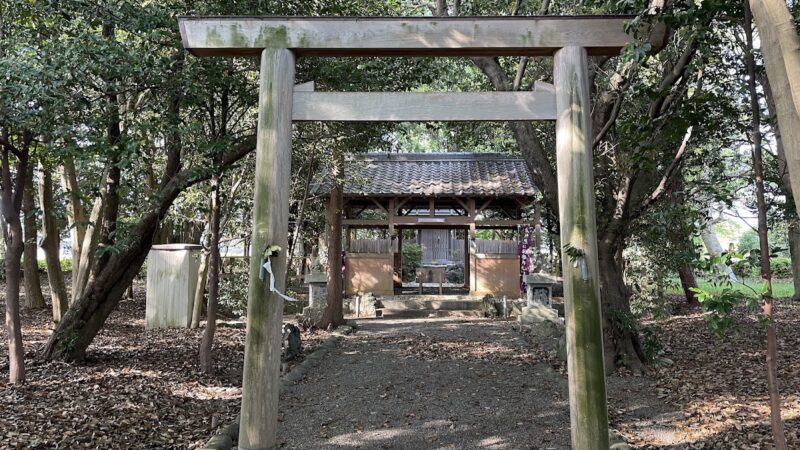
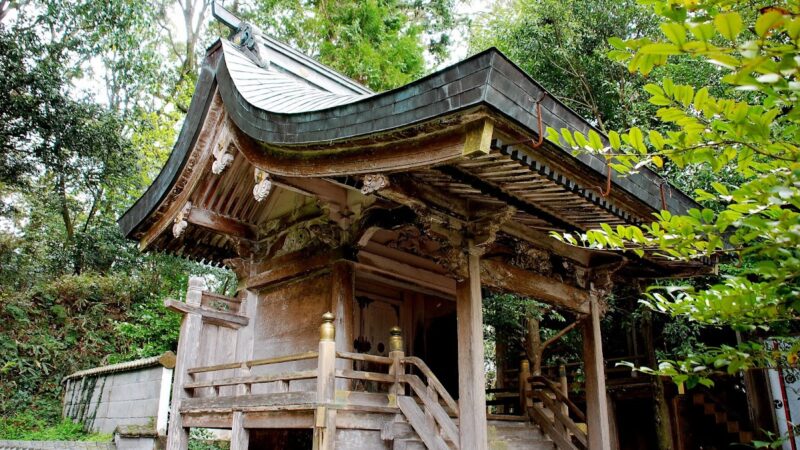
The main hall of Yobuta Shrine is a building that preserves the traditional style of shrine architecture. Although not large in scale, the carefully maintained shrine reflects the faith of the local people.
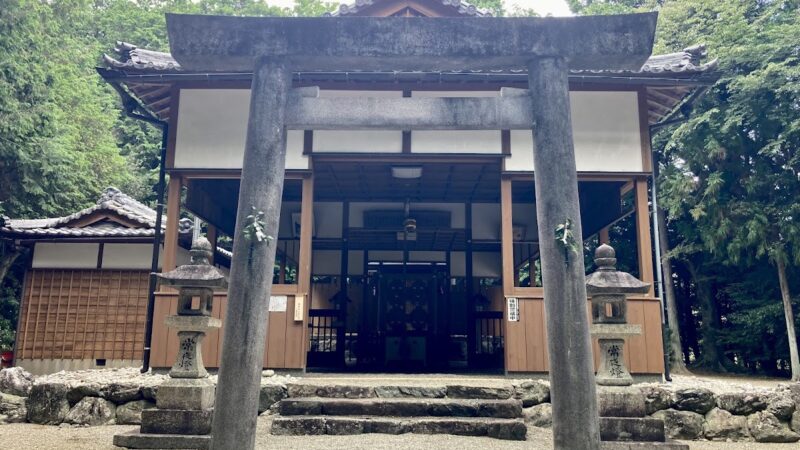
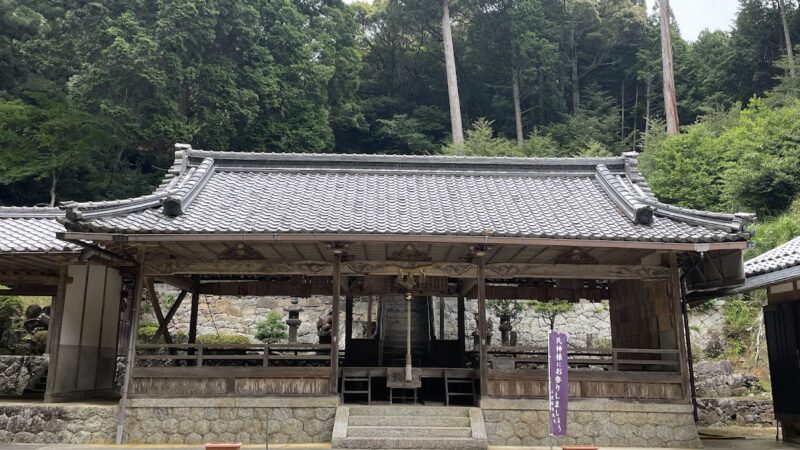
The worship hall is kept clean as a place for worshippers to offer prayers. The quiet atmosphere of the grounds provides a sense of peace when one clasps their hands together in prayer.
Subsidiary Shrines
Several subsidiary shrines and stone monuments are located around the main hall. These items were donated over a long history through the faith of the local people.
Shrine Grove and Natural Environment
The trees surrounding the shrine grounds are a valuable natural asset that tells the story of the shrine’s history. The nature of the shrine grounds, which changes with the seasons, allows visitors to feel the changing seasons.
Annual Events and Festivals
Grand Festival
At Yobuta Shrine, the Grand Festival is held every autumn. It is an important festival where local parishioners gather for the procession of the portable shrine and various offerings. It is an important opportunity to deepen the bonds of the local community.
Monthly Festivals
Monthly festivals are held regularly, and prayers are offered for the safety and prosperity of the community. The maintenance of the shrine and the continuation of its traditions are carried out mainly by the parishioner representatives.
New Year’s Events
At the start of the new year, worshippers visit for their first shrine visit of the year, praying for a safe year ahead. It is an important place for local people to welcome the new year.
About Goshuin (Shrine Seals)
Issuance of Goshuin
Because Yobuta Shrine is a small shrine, it may not always issue Goshuin. If you wish to receive a Goshuin, we recommend checking in advance.
Precautions for Visiting Shrines and Temples
When visiting small local shrines, please keep the following points in mind:
- As they are often unattended, please be prepared to visit solely for the purpose of worship.
- Please be considerate of maintaining the cleanliness of the shrine grounds.
- As they are close to the living spaces of local residents, please worship quietly.
- When taking photographs, please be mindful of those around you.
Access Methods
Location
Address: Yofuta, Meiwa-cho, Taki-gun, Mie Prefecture
Access by Public Transportation
By Train:
- The nearest stations are Kintetsu Yamada Line’s “Myojo Station” or “Saigū Station”.
- You will need to walk or take a taxi from the station.
- As it is a distance, it is recommended to check the route in advance.
By Bus:
- Mie Kotsu bus routes may be available.
- As the number of buses is limited, checking the timetable is essential.
Access by Car
Route from Major Roads:
- Approximately 15-20 minutes by car from the Tamaki IC or Seiwa-Taki IC on the Ise Expressway.
- Accessible from National Route 23.
- Search for “Yobuta Shrine” or its address on your car navigation system.
Parking
There may be parking spaces for visitors within the shrine grounds or nearby, but there is no large parking lot. Parking for a few cars is likely possible outside of festival times.
Manners and Points for Visiting a Shrine
Basic Shrine Visit Etiquette
- Bow before passing through the torii gate: This is a courtesy when entering the sacred area.
- Avoid walking in the center of the approach: The center is considered the path of the gods.
- Purify yourself at the water basin: Cleanse your hands and mouth before praying.
- Two bows, two claps, one bow: This is the general etiquette for visiting a shrine.
Tips for Visiting Small Shrines
At small local shrines like Yobuta Shrine:
- Worship quietly: Often located near residential areas.
- Take your trash with you: Maintaining cleanliness is important.
- Do not touch anything on the shrine grounds without permission: Remember that it is a sacred place.
- Take photos sparingly: Consideration is especially needed in sacred areas such as the main hall.
Nearby Tourist Attractions
Saigu Historical Museum
Located about 10 minutes away by car, the Saigu Historical Museum is a facility where you can learn about the history of the Saio (imperial princesses who served at Ise Grand Shrine). Valuable materials from ancient to medieval times are on display.
Ise Grand Shrine (Naiku and Geku)
Ise Grand Shrine, one of Japan’s most representative shrines, is located about 20-30 minutes by car from Yobuta Shrine. Meiwa Town is situated at the foot of Ise Grand Shrine and has a long history of deep ties with the shrine.
Historical Walks in Meiwa Town
Meiwa Town is dotted with historical sites, including the Saigu ruins. You can enjoy exploring the local history in conjunction with a visit to Yobuta Shrine.
How to Enjoy a Visit to Yobuta Shrine
Spend a Quiet Time
Because it’s a local shrine that hasn’t been commercialized for tourism, you can spend a quiet and peaceful time there. It’s the perfect place to escape the hustle and bustle of the city and calm your mind.
Feel the Local History
Even small shrines have their own unique history and stories. The stone monuments and offerings within the shrine grounds offer a glimpse into the history of the local people’s faith.
Enjoying the Rural Landscape
Around the Yobuta Shrine, located in the rural area of Meiwa Town, you can enjoy a peaceful rural landscape. The scenery of the fields, which changes with the seasons, evokes the quintessential Japanese landscape.
Precautions When Visiting
Things to Check Before Visiting
- Presence of Shrine Office: There may not be a permanent Shinto priest.
- Visiting Hours: Visiting during the daytime is generally recommended.
- Festival Schedule: Consideration should be given to days with local events.
Seasonal Precautions
- Summer: Take precautions against insects and heatstroke.
- Winter: Visit during daylight hours due to early sunset.
- Rainy Weather: The ground may be slippery.
Connection with the Community
Parishioner Organization
Yobuta Shrine is maintained and managed by the local parishioner organization. As a central hub of the local community, it plays a vital role in strengthening the bonds among residents.
Collaboration with Local Events
The shrine’s festivals are positioned as important annual events in the community. Children’s participation contributes to the transmission of traditional culture.
Summary
Yobuta Shrine is a community-based shrine located in Meiwa Town, Mie Prefecture. Due to its location near Ise Grand Shrine, it has a long history of attracting worshippers.
While not a large-scale tourist shrine, it possesses a unique simplicity and tranquility. Visiting this shrine, preserved by the faith of the local people, allows you to experience the origins of Japanese regional culture and shrine worship.
Why not visit Yobuta Shrine when visiting Ise Grand Shrine or as part of a historical exploration of Meiwa Town? The time spent praying in the quiet grounds will surely bring peace to your heart.
When visiting, please remember that it is a local shrine and strive to worship quietly and respectfully.