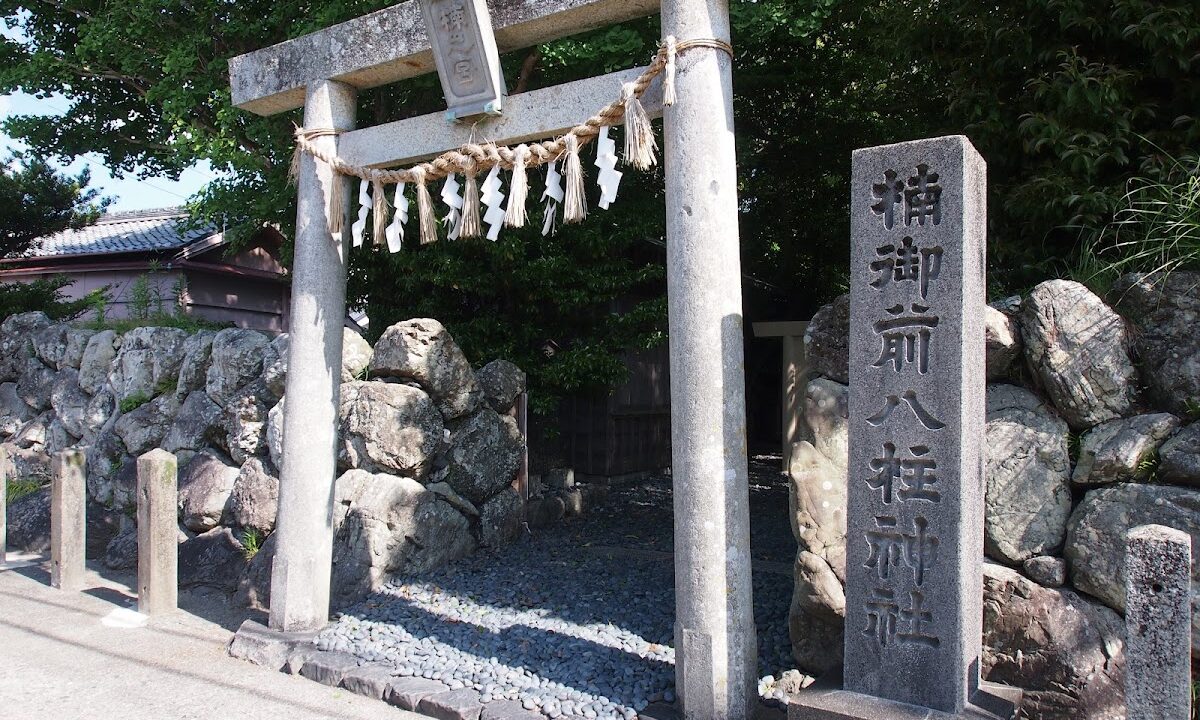
Complete Guide to Kusunomiya Hachibashira Shrine (Shima City, Mie Prefecture) | Deities, Blessings, Access, and Annual Festival Information
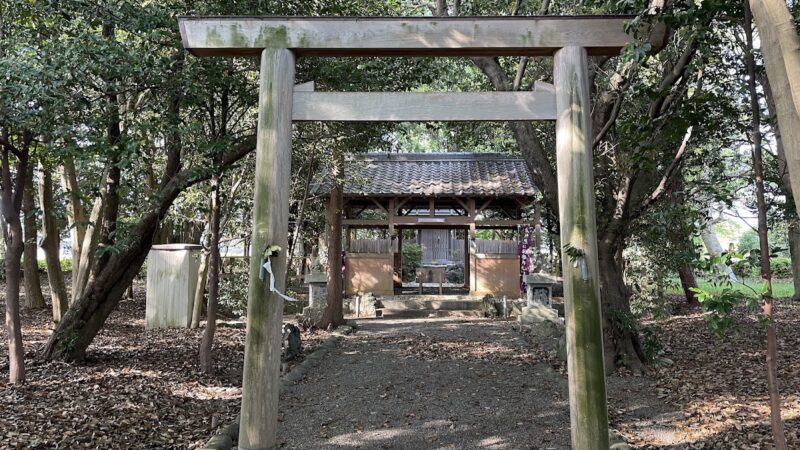
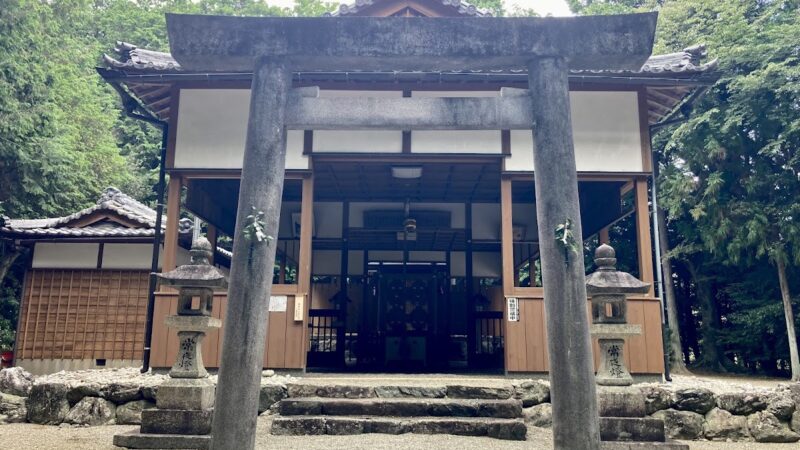
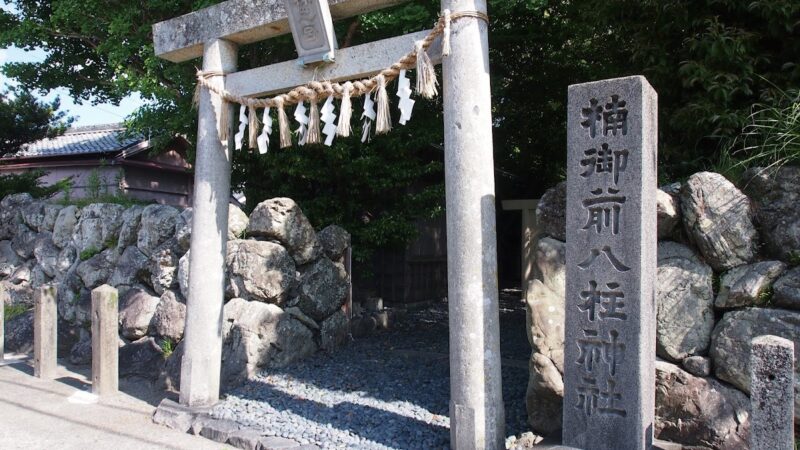
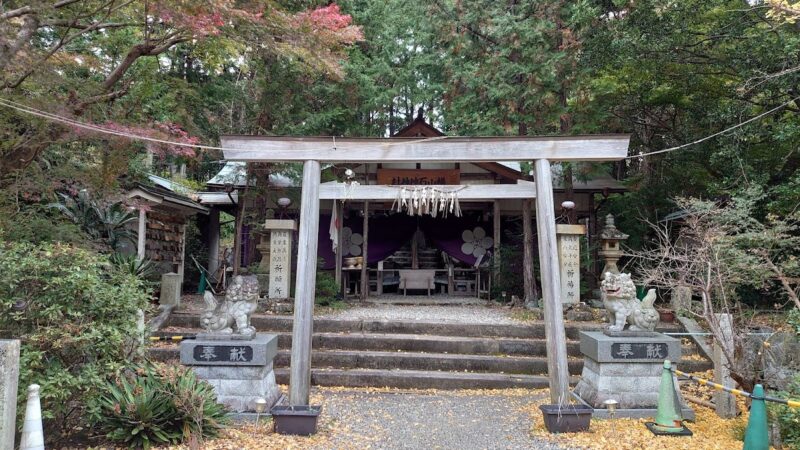
Kusunomiya Hachibashira Shrine, located in Minami-Hari, Hamajima-cho, Shima City, Mie Prefecture, is a shrine affectionately known as “Kusunomiya-san” by locals and has been cherished for centuries. It is widely revered not only in the Shima region but also beyond as a guardian deity of longevity, fertility, and safe childbirth.
This article comprehensively introduces information you should know before visiting Kusunomiya Hachibashira Shrine, including its history, deities, blessings, annual festival, and access methods.
Basic Information on Kusunoki Gozen Yahashira Shrine
Location
Address: 1592 Minamihari, Hamajima-cho, Shima City, Mie Prefecture 517-0405
Phone Number: 0599-53-1655
Located in the Minamihari district of Hamajima-cho, in the southern part of the Shima Peninsula, the shrine enjoys a quiet environment close to the sea. The surrounding area is a thriving fishing region, and the shrine is deeply revered by fishermen who pray for maritime safety and abundant catches.
Official Name and Common Name
The official name is “Kusunoki Gozen Yahashira Shrine,” but it is affectionately known locally as “Kusunomiya.” This common name originates from the main deity, Kusunoki Gozen (Kusuhime-no-Mikoto), and it is common for local residents to refer to it as “Kusunomiya-san” in everyday conversation.
Deities Enshrined ※
The following deities are enshrined at Kusunoki Gozen Hachihashira Shrine:
Main Deity: Kusuhime-no-Mikoto
Kusuhime-no-Mikoto was an imperial princess and the elder sister of Yamato Takeru-no-Mikoto. She is believed to be the same person as Iono-no-Hime-Mikoto, the seventh daughter of Emperor Keiko, the 12th emperor.
It is said that after serving at Ise Grand Shrine as the Saio (high priestess) of Amaterasu-Omikami, she resided in this area. After her death, in order to repay her kindness, local fishermen built a tomb and planted a camphor tree, enshrining her as “Kusunoki Daimyojin,” which is the origin of this shrine.
Other Deities Enshrined
- Izanagi-no-Mikoto: God of Creation, God of Land Creation
- Izanami-no-Mikoto: God of Creation, God of Land Creation
- Other Deities Enshrined Together
History and Origin of the Shrine
Origin of Founding
The founding of Kusunoki Gozen Hachihashira Shrine is ancient. After the death of Kusuhime-no-Mikoto, local people built a tomb and planted a camphor tree to express their gratitude. The camphor tree is considered a symbol of longevity and became a symbol of Kusuhime-no-Mikoto’s divine virtues in this area.
Consolidation of Deities in the Meiji Era
The current Kusunoki Gozen Hachihashira Shrine was formed through the Meiji era’s policy of consolidating shrines.
- November 21, 1907 (Meiji 40): Yahashira Shrine, Wakamiya Shrine, and Yaegaki Shrine were merged.
- February 22, 1908 (Meiji 41): Kusunoki Gozen Shrine was merged, and the shrine became known as “Kusunoki Gozen Yahashira Shrine.”
As a result, the divine virtues of multiple shrines were consolidated into one, and the shrine continues to be known today as a place that bestows a wider range of blessings.
Deep Connections with the Community
Since ancient times, the shrine has been widely worshipped by the people of the Shima and Watari regions, and has been especially revered as a guardian deity of longevity, fertility, and safe childbirth. Its most notable miraculous power is said to be the protection of the growth and development of children, and the fact that many people in this region, both male and female, have the characters “Kusunoki” or “Kusu” in their names demonstrates the depth of faith in this shrine.
Blessings
Kusunoki Gozen Yahashira Shrine is said to offer a variety of blessings, including the following:
Longevity and Longevity
Because the camphor tree is a symbol of longevity, this shrine is believed to grant blessings for longevity and long life. Many worshippers visit to pray for good health and a long life.
Fertility and Safe Childbirth
Due to the divine virtues of Kusuhime-no-Mikoto, this shrine is frequently visited by couples praying for children and pregnant women praying for safe childbirth. It has been worshipped as a guardian deity of fertility and safe childbirth since ancient times.
Child Growth and Development
The most notable divine benefit is considered to be the protection of healthy growth and development of children. Many families visit for life ceremonies such as baby’s first shrine visit and Shichi-Go-San (a traditional Japanese rite of passage for children).
Maritime Safety and Abundant Catch
Located in Hamajima Town, a town with a thriving fishing industry, this shrine is also deeply revered by fishermen praying for maritime safety and abundant catches. It is also worshipped as a guardian deity for people working in sea-related industries.
Kusunoki-no-Miya Grand Festival
Festival Date
The Grand Festival of Kusunoki-no-Miya Hachihashira Shrine is held on the 22nd day of the 1st month of the lunar calendar. It is affectionately known locally as the “Kusunoki-no-Miya Festival” and attracts many worshippers.
Festival Characteristics
During the Grand Festival, Shinto rituals are performed, and prayers are offered for regional prosperity, abundant harvests, and maritime safety. Not only local residents, but also worshippers from far away visit, and the shrine grounds are bustling with people seeking to receive the divine blessings of Kusuhime-no-Mikoto.
While traditional Shinto rituals are performed solemnly, the festival also plays an important role as a place for community interaction.
Access Information
Nearest Station/Line*
Nearest Station: Kintetsu Shima Line “Ugata Station”
Ugata Station is the central station of Shima City, and it is convenient to use the Kintetsu Limited Express from the Nagoya area. Accessible from Osaka via Kintetsu Limited Express trains.
Nearest Bus Stop and Route ※
Bus Stop: Mie Kotsu “Minamihari” Bus Stop
Route: Mie Kotsu Route Bus “bound for Shukura”
Travel Time: Approximately 25 minutes from Kintetsu Ugata Station
Walking Distance from Bus Stop: Approximately 5 minutes on foot after alighting at Minamihari bus stop
Access by Car
- Approximately 50km from Ise Expressway “Ise-Nishi IC”, about 1 hour by car
- Approximately 45km from Ise Expressway “Ise IC”, about 55 minutes by car
- Accessible via National Route 260 on the Shima Peninsula
Regarding parking, there is some space around the shrine, but caution is advised during crowded times such as the annual festival. It is recommended to check in advance.
Notes on Access
Due to its location in the southern part of the Shima Peninsula, public transportation is limited. Bus service is infrequent, so it’s recommended to check the timetable beforehand. Access by car is the most convenient.
Nearby Tourist Attractions
Hamajima Town Coastline
Hamajima Town, where Kusunoki Gozen Yahashira Shrine is located, boasts a beautiful coastline. Enjoy the scenery created by the complex topography unique to ria coastlines.
Shima’s Ama (Female Diver) Culture
Shima City is a region where the culture of female divers (ama) still thrives. You can experience traditional fishing culture through activities such as visiting an ama hut.
Shima Marine Land
This aquarium, easily accessible from Ugata Station, is known for its sunfish exhibit. It’s ideal for family sightseeing.
Yokoyama Observatory
A scenic spot offering panoramic views of Ago Bay, and one of Shima’s representative tourist attractions. Visiting it in conjunction with Kusunoki Gozen Yahashira Shrine is also recommended.
Manners and Points for Visiting a Shrine
Basic Worship Etiquette
- Bow before passing through the torii gate: This is a courtesy before entering the sacred area.
- Purify yourself at the water basin: Purify your left hand, right hand, and mouth in that order.
- Worship at the main hall: Two bows, two claps, and one bow is the basic procedure.
- Bow upon leaving: After leaving the torii gate, turn around and bow.
Appropriate Attire for Worship
For shrine visits, clean and subdued attire is desirable. Especially during Shinto rituals such as the annual festival, avoid overly casual clothing.
Photography
Photography is generally permitted within the shrine grounds, but it may be restricted inside the main hall or during Shinto rituals. If unsure, check with shrine staff.
The Name “Kusunoki” and Regional Beliefs
In the Shima and Watari regions, many people, both men and women, have the characters “Kusunoki” or “Kusu” in their names. This is a manifestation of deep faith in Kusunoki Gozen Yahashira Shrine, and embodies the parents’ wish for their children’s healthy growth, drawing on the divine virtues of Kusuhime-no-Mikoto.
This custom is an interesting cultural feature that demonstrates the strong connection between the shrine and the local community.
Summary
Kusunoki Gozen Yahashira Shrine (Kusunoki-no-Miya) is a historic shrine located in Hamajima-cho, Shima City, Mie Prefecture. It enshrines Kusuhime-no-Mikoto, the sister of Yamato Takeru, as its main deity, and has been revered by the local people since ancient times as a guardian deity of longevity, fertility, safe childbirth, and the growth and development of children.
Many worshippers visit the annual festival on the 22nd day of the first month of the lunar calendar, demonstrating the enduring traditions and faith of the region. It is a quiet shrine surrounded by the beautiful nature of the Shima Peninsula, a place where one can worship with peace of mind.
While it is accessible by bus from Kintetsu Ugata Station, the number of buses is limited, so visiting by car is more convenient. When you visit Shima, be sure to stop by Kusunoki Gozen Yahashira Shrine. It will be a memorable pilgrimage where you can feel the divine blessings of Kusuhime-no-Mikoto.