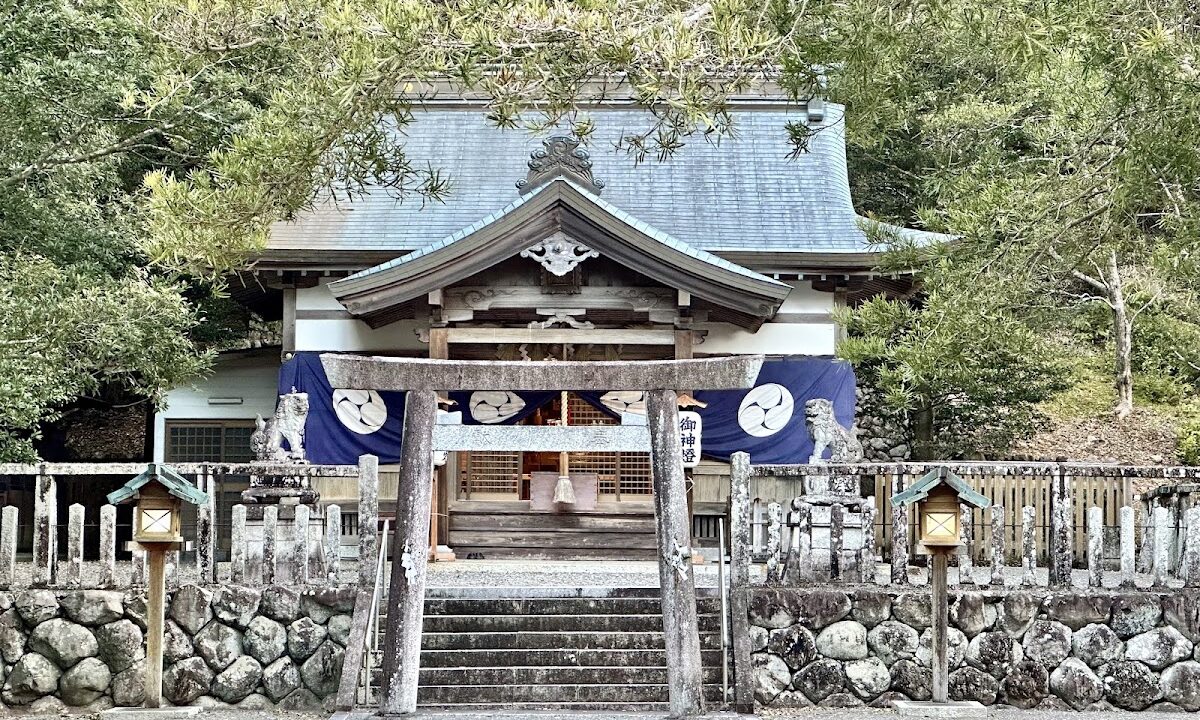
Complete Guide to Nigo Shrine (Mie Prefecture) | History, Goshuin (Shrine Seal), Sacred Tree, and Access Information
Nigo Shrine, located in Kihoku-cho, Kitamuro-gun, Mie Prefecture, is a historical shrine said to have been founded in 1282 (Koan 5). Established to pray for peace in Japan after the Mongol invasions, it has been revered as the local guardian deity and tutelary god for over 700 years. This article comprehensively introduces all the information you need to know before visiting Nigo Shrine, including its detailed history, blessings, goshuin information, the sacred tree for marital harmony, and access methods.
History and Origins of Nigo Shrine
Background of Founding and its History from the Kamakura Period
Nigo Shrine is said to have been founded in 1282 (Koan 5). This period falls immediately after the Mongol invasions of Japan, specifically the Bun’ei War (1274) and the Kōan War (1281). Historically, the shrine was founded by local people out of gratitude for the protection of Japan from foreign enemies.
Since ancient times, it has been known as “Yamamoto Shrine” or “Niten Hachioji Shrine,” and has been revered by the local residents as the tutelary deity and guardian deity of Nigo Village. This region, located on the eastern side of the Kii Peninsula, has long fostered its own unique religious culture, influenced by Kumano faith.
Consolidation and Renaming to Nigo Shrine in the Meiji Era
In the Meiji era, a nationwide policy of shrine consolidation was implemented. Nigo Shrine was no exception, and in 1914 (Meiji 47), many surrounding shrines and smaller shrines were consolidated. Following this merger, the shrines previously known as “Yamamoto Shrine” and “Niten Hachioji Shrine” were renamed “Nigo Shrine,” resulting in its current form.
This merger led to Niigo Shrine taking on the role of a broader center of faith in the region, becoming an important spiritual pillar in the Higashi-Nagashima district of Kihoku Town, Mie Prefecture.
Characteristics of the Deities and Faith
Nigo Shrine enshrines multiple deities, reflecting its history of mergers. In addition to the main deity, various gods worshipped in the region are enshrined, attracting worshippers seeking diverse blessings.
Blessings and Faith of Niigo Shrine
Sacred Tree of Marital Harmony and Longevity
Nigo Shrine is particularly famous for its “Sacred Tree of Marital Harmony” located within the shrine grounds. This sacred tree has long been revered in the region as a source of blessings for marital harmony and longevity. Its appearance, with two trees growing close together, symbolizes the bond between husband and wife and family harmony, and is therefore revered.
Many visitors pray for marital harmony and family safety in front of this sacred tree, making it a popular spot for couples about to get married or celebrating their wedding anniversary.
Other Benefits
Besides marital harmony and longevity, Nigo Shrine is believed to offer the following benefits:
- Family Safety: As a guardian deity of the local area, it protects the safety of families.
- Protection from Evil and Good Fortune: A benefit of protection from evil based on ancient beliefs.
- Business Prosperity: As a shrine that has grown alongside the development of the region.
- Prosperity of Descendants: As a guardian deity of the local area, it offers benefits for fertility and child-rearing.
- Traffic Safety: As a shrine that watches over the safety of the region.
Highlights of the Shrine Grounds
Spacious Grounds and Magnificent Shrine Building
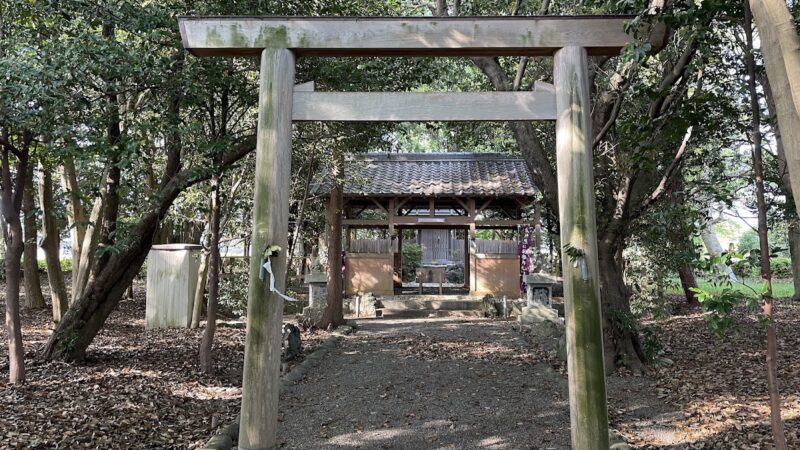
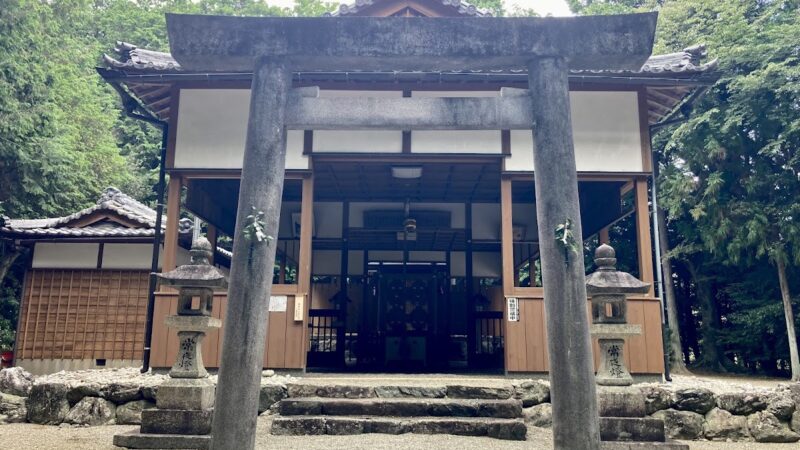
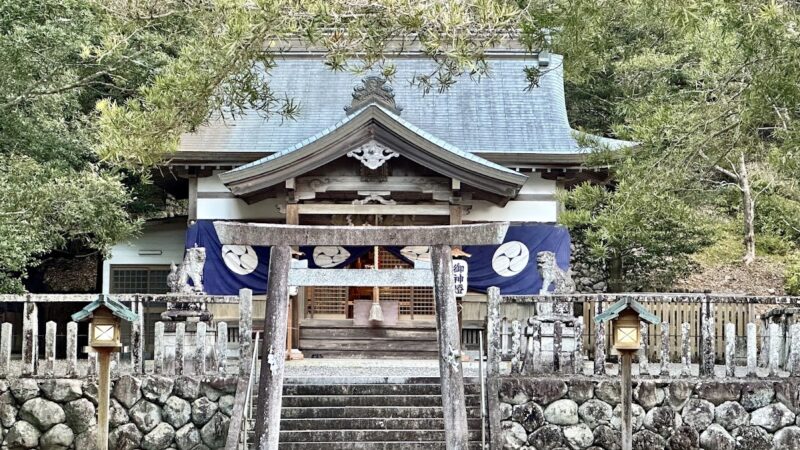
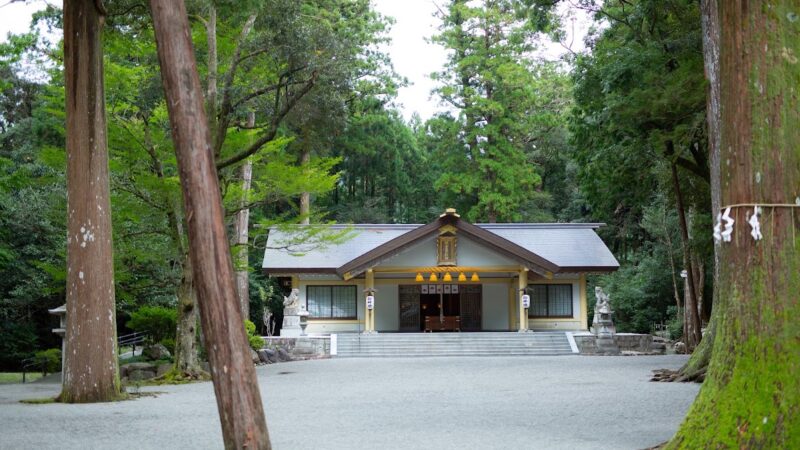
The grounds of Nigo Shrine are spacious, allowing for a peaceful atmosphere during worship. The shrine building is splendidly constructed, conveying the dignity of a local shrine. The shrine grounds are meticulously maintained, allowing for a refreshing and peaceful visit.
The layout, from the approach to the worship hall and main sanctuary, follows traditional shrine architecture, creating an environment where visitors can respectfully observe proper worship practices.
Subsidiary Shrines and Stone Monuments
Due to the Meiji-era consolidation of shrines, several subsidiary shrines and monuments exist within the grounds. These are valuable cultural assets that tell the story of the region’s history, allowing visitors to truly appreciate the depth of Nigo Shrine’s history.
A stroll through the grounds reveals stone monuments and lanterns from various eras, conveying how this shrine has been cherished by the local people for many years.
The Beauty of Nature in Each Season
The shrine grounds are home to various trees, including the sacred tree, allowing visitors to enjoy the beauty of nature throughout the seasons. From the fresh greenery of spring, the deep green of summer, the vibrant autumn leaves, to the tranquil atmosphere of winter, each season offers a different facet of the landscape.
Goshuin Information
About Receiving Goshuin
Goshuin (temple/shrine stamps) are available at Nigo Shrine. Goshuin are a traditional Japanese custom that records one’s connection with a shrine and serves as a memento of one’s visit. For those visiting shrines in Mie Prefecture, the goshuin from Nigo Shrine will be a valuable keepsake.
When receiving a goshuin, please note the following:
- Receive the goshuin after completing your prayers.
- Bring your goshuincho (stamp book) (If you don’t have one, you may receive a paper stamp).
- Prepare a donation (generally around 300-500 yen).
- Request politely.
Features of the Goshuin
The goshuin from Nigo Shrine includes the shrine’s name and the date of visit. The combination of ink writing and red stamp is beautiful, making it a cherished memento of your visit.
Annual Events and Festivals
New Year’s Visit
Nigo Shrine is known as one of the New Year’s visit spots in Kihoku Town, Mie Prefecture. From New Year’s Day to the third day of the year, local people visit to offer New Year’s greetings and pray for peace throughout the year.
During the New Year’s visit period, the shrine is bustling with more worshippers than usual, allowing visitors to pray in the refreshing atmosphere of the new year. Checking the weather forecast and visiting on a sunny day is recommended.
Annual Grand Festival and Local Festivals
Nigo Shrine holds various festivals throughout the year. Especially during the annual grand festival, local people gather and traditional Shinto rituals are performed. It is a valuable opportunity to experience local culture and traditions firsthand.
Access Information
Basic Information
Address: 841-1 Higashinagashima, Kihoku-cho, Kitamuro-gun, Mie Prefecture 519-3204
Nearest Station: Kii-Nagashima Station, JR Kisei Main Line
Access by Train
The nearest station is Kii-Nagashima Station on the JR Kisei Main Line. The shrine is within walking distance from the station, allowing you to enjoy the local scenery on your way. The route from the station to the shrine is relatively easy to follow, and locals are happy to provide directions.
From Nagoya:
- Take the JR Kisei Main Line via Taki Station and get off at Kii-Nagashima Station.
From Osaka/Kyoto:
- Take the JR Kisei Main Line via Matsusaka Station or Taki Station and get off at Kii-Nagashima Station.
Access by Car
Access by private car is also convenient. If using the Kisei Expressway, take the nearest interchange and head towards Higashi-Nagashima in Kihoku Town via the national highway.
Parking: There is parking space on the temple grounds or in the surrounding area. During busy periods such as New Year’s Day, early arrival is recommended.
Combining with nearby sightseeing
Kihoku Town is known for its Kumano Kodo pilgrimage routes and beautiful coastline. In addition to visiting Nigo Shrine, we also recommend visiting the following tourist spots:
- Kumano Kodo Iseji: A pilgrimage route registered as a World Heritage Site
- Kii-Nagashima Coastline: Beautiful ria coast scenery
- Michi-no-Eki Kii-Nagashima Manbo: Local specialties and fresh seafood
- Hajimegami Pass: A pass on the Kumano Kodo offering spectacular views
Etiquette and Manners for Worship
Basic Worship Etiquette
When visiting Nigo Shrine, please observe the following basic etiquette:
- Bow before passing through the torii gate: As a sign of respect when entering the sacred area
- Walk along the edge of the approach: The center is considered the path for the gods
- Purify yourself at the water basin: Cleanse your hands and mouth before praying
- Etiquette at the main hall: Two bows, two claps, and one bow are the basics
- Bow upon leaving: When leaving the torii gate, turn around and bow.
Photography Etiquette
Photography is generally permitted on the shrine grounds, but please observe the following:
- Do not enter areas where photography is prohibited, such as inside the main hall.
- Be considerate of other worshippers.
- Remember that this is a sacred place and photograph with respect.
- When photographing the sacred tree, be mindful of its sacredness.
Attractions around Nigo Shrine
History and Culture of Kihoku Town
Kihoku Town is located in the southern part of Mie Prefecture and has flourished since ancient times as a transit point for pilgrims visiting Kumano. The Higashi-Nagashima district, where Nigo Shrine is located, is on the eastern side of the Kii Peninsula and is an area with beautiful nature and a rich history.
Local Specialties
Kihoku Town is known for its abundant seafood. Sunfish dishes and fresh seafood are particularly famous local specialties. Enjoying a meal at a local restaurant after your visit is also recommended.
Best Time to Visit
Spring (March-May)
The season of fresh greenery envelops the shrine grounds in beautiful green. The pleasant weather makes it ideal for visiting.
Summer (June-August)
The shrine grounds, enveloped in deep green, have a cool atmosphere. However, southern Mie Prefecture can be humid, so don’t forget to take precautions against heatstroke.
Autumn (September-November)
The shrine grounds are beautifully colored during the autumn foliage season. The weather is mild, making it a good time to enjoy a leisurely visit.
Winter (December-February)
The shrine is bustling with many visitors during the New Year’s visit period. The tranquil winter grounds also have their own charm.
Guidelines for Visiting Nigo Shrine
As the Local Guardian Deity
Nigo Shrine has been the guardian deity of the local community for over 700 years. When visiting this shrine, please understand that it is an irreplaceable presence for the local people and offer your prayers with respect.
Respect for the Sacred Tree
The sacred tree, which symbolizes marital harmony, is a sacred presence that has grown over many years. Please touch it carefully and remember to show respect when taking photographs.
Strive for Quiet Worship
The shrine grounds are a sacred space. Please strive for quiet worship without speaking loudly or making noise.
Shrine Pilgrimage in Mie Prefecture and Nigo Shrine
Relationship with Ise Grand Shrine
While Ise Grand Shrine is famous in Mie Prefecture, there are many locally rooted shrines like Nigo Shrine within the prefecture. When visiting Ise Grand Shrine, it would be a good idea to extend your trip a little and visit Nigo Shrine in Kihoku Town.
Connection with Kumano Faith
Kihoku Town is an area through which the Kumano Kodo Iseji pilgrimage route passes, and is a region influenced by Kumano faith. The history of Nigo Shrine can be understood as part of the faith and culture of this region.
How to Check the Latest Information
Before visiting Nigo Shrine, we recommend checking the latest information:
- Weather Forecast: Check the weather forecast for Kihoku-cho, Mie Prefecture, and choose a suitable day for your visit.
- Transportation Information: Check the operating status of the JR Kisei Main Line and road conditions.
- Festival Information: Checking the dates of special events such as the annual festival will allow for a more fulfilling visit.
Summary: The Charm of Nigo Shrine
Nigo Shrine is a historical shrine that has attracted the faith of the people of Kihoku-cho, Mie Prefecture, for over 700 years since its founding in 1282. It was founded in gratitude for peace after the Mongol invasions, and after the Meiji Restoration, it took on its current form through the consolidation of shrines.
It boasts many attractions, including a sacred tree known for its blessings of marital harmony and longevity, spacious grounds, and magnificent shrine buildings. Easily accessible from Kiinagashima Station, it can be visited in conjunction with sightseeing in the Kumano Kodo pilgrimage route and Kihoku Town.
Nigo Shrine, cherished as the local guardian deity and tutelary shrine, is one of the shrines you should definitely visit when visiting Mie Prefecture. Why not take some time to calm your mind in the tranquil grounds and reflect on its long history while offering your prayers?