Tsu Hachimangu Shrine (Mie Prefecture) Complete Guide | History, Deities, Goshuin (Shrine Seal), and Access Information
Tsu Hachimangu Shrine is a historic shrine located in Fujikata, Tsu City, Mie Prefecture. Since its founding during the Kenmu era, it has been the guardian deity of Tsu for approximately 700 years, affectionately known as “Hachiman-san” by the local people. This article provides detailed information useful for visitors, including the history of Tsu Hachimangu Shrine, its enshrined deities, festivals, goshuin information, and access methods.
About Tsu Hachimangu Shrine
Tsu Hachimangu Shrine is located at 2339 Fujikata, Tsu City, Mie Prefecture. Under the modern shrine ranking system, its former rank was Prefectural Shrine. As the first Hachimangu shrine established in Ise Province (present-day Mie Prefecture), it holds a historically significant position.
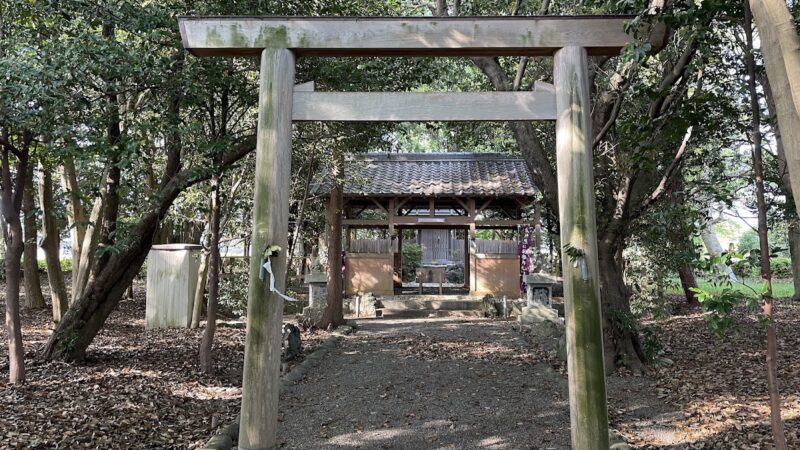
The long, approximately 200-meter-long approach, covered with trees, exudes a mystical atmosphere, inviting visitors from everyday life into a sacred realm. As one of the oldest shrines in Tsu City, and as a shrine dedicated to the guardian deity protecting the port of Anotsu, one of Japan’s three major ports, it has long been a center of local faith.
The Rank and Status of Tsu Hachimangu Shrine
Under the modern shrine ranking system of the Meiji era, Tsu Hachimangu Shrine was ranked as a prefectural shrine. This indicates that it was recognized as a highly prestigious shrine within Mie Prefecture. Previously simply called “Hachiman Shrine,” it is now officially known and loved as Tsu Hachimangu Shrine.
The History of Tsu Hachimangu Shrine
Founding and Enshrinement
The founding of Tsu Hachimangu Shrine dates back to the Kenmu era (around 1334). At that time, it is said that a divided spirit of Iwashimizu Hachimangu Shrine in Kyoto was enshrined on Mount Chitose, making this the first Hachimangu shrine established in Ise Province.
The Kenmu era was the early period of the Nanboku-cho period, a time when Emperor Go-Daigo implemented the Kenmu Restoration. The fact that a divided spirit was invited from Iwashimizu Hachimangu Shrine, a powerful shrine in Kyoto, during this turbulent period, speaks to the important strategic location of Tsu at that time.
Relationship with the Todo Clan
During the Edo period, Tsu Hachimangu Shrine received deep reverence from successive lords of the Todo clan. In particular, Todo Takatora, the founder of the Tsu clan, is still enshrined as one of the deities, as a pioneer of the town of Tsu.
During the Kan’ei era (1624-1644), under the protection of the Todo clan, improvements were made to the shrine buildings and the festivals were enhanced. The lord himself visited the shrine, and the Hachimangu Shrine’s festivals were held as important rituals for the clan, demonstrating the close relationship between the Tsu clan and Tsu Hachimangu Shrine.
Changes in the Modern Era
With the Meiji-era separation of Shinto and Buddhism, Tsu Hachimangu Shrine underwent significant changes. During the Meiji era, it was designated a prefectural shrine, establishing its position as a central shrine in the region.
However, during the Pacific War, the shrine suffered a tragedy when its long-standing buildings were destroyed by air raids. After the post-war reconstruction period, the current shrine buildings were rebuilt in 1967. With this reconstruction, Tsu Hachimangu Shrine recovered from the ravages of war and once again functioned as a center of local faith.
Deities Enshrined
The following four deities are enshrined at Tsu Hachimangu Shrine:
Emperor Ōjin
He is the principal deity enshrined at Hachiman shrines throughout Japan. He is considered the 15th Emperor and is revered as a god of war and archery. He is also worshipped as a god of industrial development and national protection.
Empress Jingū
She was the mother of Emperor Ōjin. Known for the legend of her expedition to Silla, she is worshipped as a goddess of safe childbirth, child-rearing, and martial prowess. This deity is often worshipped alongside Emperor Ōjin in Hachiman worship.
Sumiyoshi Ōkami
Specially enshrined as the guardian deity of the port of Tsu (Anotsu), one of Japan’s three major ports. As the guardian deity of safe voyages and maritime traffic, it has watched over the prosperity of the port town of Tsu. Sumiyoshi Ōkami is a collective name for three deities: Sokotsutsuo-no-Mikoto, Nakatsutsuo-no-Mikoto, and Omotsutsuo-no-Mikoto, and has been worshipped as a god of the sea since ancient times.
Tōdō Takatora
Included as a deity as a pioneer of Tsu and the founder of the Tsu Domain. Takatora-no-Mikoto is known as a master castle builder and dedicated himself to the development of Tsu Castle and the surrounding castle town. Due to his contributions to the development of Tsu, he is revered as a pioneering deity of the region.
These four deities, each possessing different divine virtues, are collectively worshipped as protectors of Tsu and its people.
Festivals and Annual Events
The Origin of the Tsu Festival
The festival held annually in mid-October at Tsu Hachimangu Shrine is considered the origin of the Tsu Festival, a representative festival of Tsu City. This festival is a traditional event that has continued since the Edo period, centering on the Shinkosai (procession of the deity) and the Mikoshi Junko (procession of the portable shrine).
During the Shinkosai, the portable shrine is carried through the parish area, praying for peace and prosperity in the community. In the past, under the patronage of the Todo clan, a grand festival was held, and it was the largest event in the castle town of Tsu. Even today, it remains an important local festival, attracting many worshippers and spectators.
Regular Festivals
Tsu Hachimangu Shrine holds regular monthly festivals. As a monthly festival, special prayers are offered on the 1st and 15th of each month, praying for the safety and prosperity of the parishioners and worshippers.
Other Annual Events
- Hatsumode (First Shrine Visit of the New Year): The shrine is bustling with worshippers welcoming the New Year.
- Setsubun Festival: A festival to pray for protection from evil and for good fortune.
- Shichi-Go-San (Seven-Five-Three Festival): A shrine visit to celebrate the growth of children.
- Natsukoshi no Oharae (Summer Purification Ceremony): A Shinto ritual to purify oneself of the impurities accumulated over the past six months.
- Toshikoshi no Oharae (Year-End Purification Ceremony): A Shinto ritual to purify oneself of the impurities accumulated over the past year.
Through these festivals, Tsu Hachimangu Shrine has become deeply connected to the local community and has been an integral part of people’s lives.
Goshuin (Shrine Seals) and Goshuincho (Shrine Seal Books)
About Goshuin
At Tsu Hachimangu Shrine, you can receive a goshuin as proof of your visit. The goshuin will have the words “Tsu Hachimangu” written in ink and stamped in red, and the date of your visit will be recorded.
Goshuin (temple/shrine stamps) are available at the shrine office upon payment of a donation (usually around 300-500 yen). It is customary to visit the shrine office after completing your prayers.
Goshuincho (Stamp Book)
Original goshuincho from Tsu Hachimangu Shrine may also be available. Please inquire at the shrine office regarding designs and availability during your visit.
Goshuin Reception Hours
The shrine office is generally open from 9:00 AM to 4:00 PM, but this may vary depending on festivals and events. If you want to be sure to receive a goshuin, it is recommended to call ahead to confirm.
Highlights of the Shrine Grounds
Long Approach
One of the most distinctive features of Tsu Hachimangu Shrine is its long approach, stretching approximately 200 meters. After passing through the torii gate, a gravel path surrounded by trees continues, creating a mystical atmosphere. Walking along this approach allows you to escape the hustle and bustle of everyday life, purify your mind, and approach the sacred grounds.
Shrine Buildings
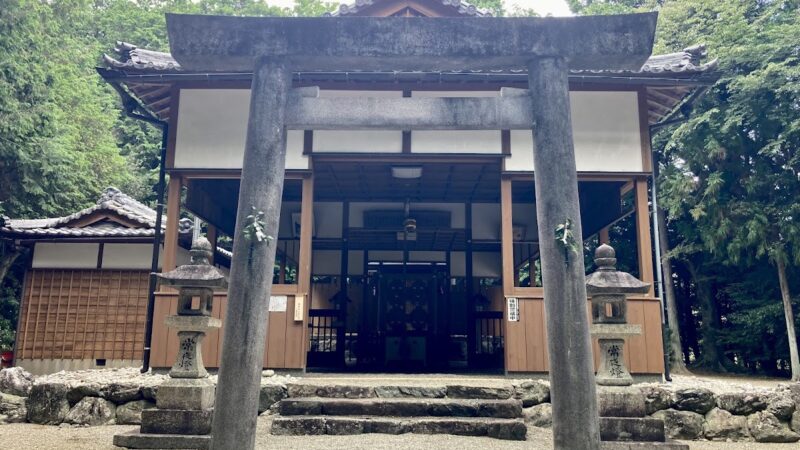
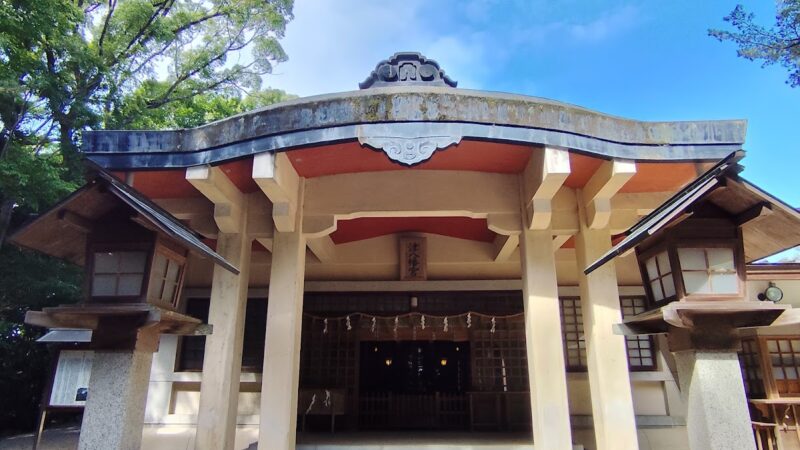
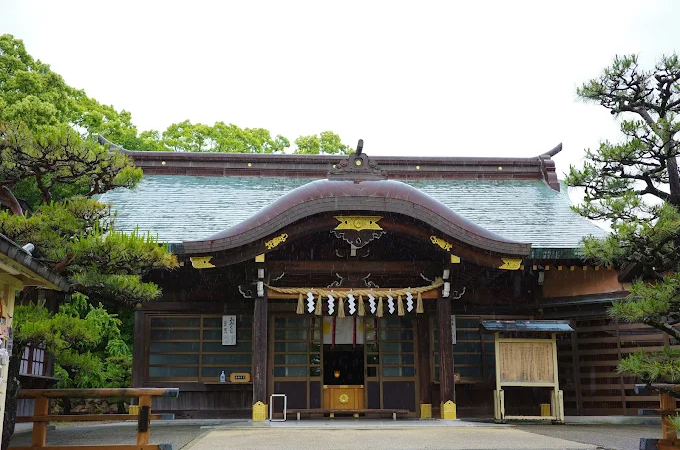
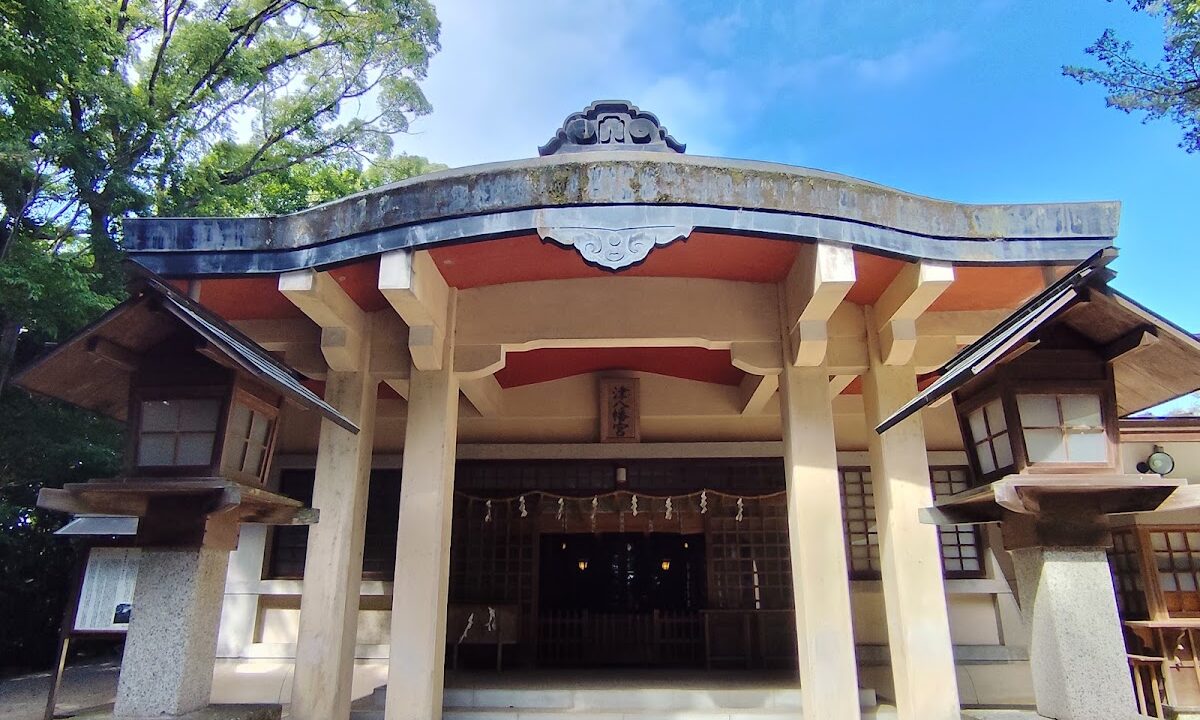
The current shrine buildings were rebuilt in 1967. While inheriting the design of the historical shrine buildings lost in the war, they are magnificent structures built with modern technology. Both the main hall and the worship hall maintain the beautiful form while preserving the style of traditional shrine architecture.
Subsidiary Shrines
In addition to the main shrine, several subsidiary shrines are enshrined within the grounds. Each shrine possesses different divine virtues, responding to the various wishes of worshippers.
Access to Tsu Hachimangu Shrine
Location
Address: 2339 Fujikata, Tsu City, Mie Prefecture 514-0815
Access by Train
- From JR Kisei Main Line/Kintetsu Nagoya Line “Tsu Station”:
- By Bus: Approximately 15 minutes by Mie Kotsu bus, get off at “Hachimancho” bus stop, then approximately 5 minutes on foot.
- By Taxi: Approximately 10 minutes
- From Kintetsu Nagoya Line “Akogi Station”:
- Approximately 20 minutes on foot
- By Taxi: Approximately 5 minutes
Akogi Station is the nearest station, but it is also possible to visit on foot.
Access by Car
- From Ise Expressway “Tsu IC”: Approximately 15 minutes
- Via National Route 23: Approximately 10 minutes from Tsu city center
Parking
Parking is available for visitors on the shrine grounds. Due to limited parking, we recommend using public transportation during peak times such as festivals and New Year’s Day.
Manners and Points for Visiting a Shrine
How to Visit a Shrine
- When passing through the torii gate: Bow before entering the shrine grounds.
- Purifying yourself at the water basin: Purify your left hand, right hand, and mouth in that order.
- Worship: Worship using the two bows, two claps, and one bow method.
- When leaving: Turn around and bow after leaving the torii gate.
Recommended Time to Visit
Early mornings and weekday mornings are relatively quiet, allowing for a peaceful visit. To calm your mind while walking along the long approach to the shrine, it’s recommended to visit during less crowded times.
Attire
There are no specific dress code requirements, but please dress in clean clothing appropriate for a sacred place like a shrine.
Nearby Tourist Attractions
Tsu Castle Ruins
The site of Tsu Castle, built by Todo Takatora, is now a park. Located about 10 minutes by car from Tsu Hachimangu Shrine, it’s a place where you can feel the history of Tsu.
Yuki Shrine
Known for its plum blossoms, this shrine enshrines Yuki Munehiro, who contributed greatly to the Kenmu Restoration. Like Tsu Hachimangu Shrine, it’s a shrine with ties to the Kenmu era, and visiting both is recommended.
Gotemba Coast
A beautiful coastline stretching along the coastline of Tsu City, it’s bustling with beachgoers in the summer. It’s a place where you can feel the atmosphere of the port town of Tsu.
Faith and Divine Virtues of Tsu Hachimangu Shrine
Long-lasting Military Fortune and Victory
Hachiman has been worshipped as a god of war since ancient times, and many worshippers visit to pray for success in competitions and contests.
Safe Childbirth and Child-Rearing
As it enshrines Empress Jingu, it is also revered by worshippers praying for safe childbirth and the healthy growth of their children.
Maritime Safety and Traffic Safety
As it enshrines Sumiyoshi Okami, it is believed to bring blessings for safe voyages and, in modern times, traffic safety.
Good Fortune and Business Prosperity
As it enshrines Todo Takatora, the pioneering deity of Tsu, it is also revered by worshippers praying for the success of new businesses and the development of the region.
Prayers and Supplications at Tsu Hachimangu Shrine
Tsu Hachimangu Shrine accepts prayers and supplications from individuals and groups.
Main Prayers Offered
- Family Safety
- Business Prosperity
- Traffic Safety
- Protection from Evil Spirits
- Safe Childbirth
- First Shrine Visit for a Newborn
- Shichi-Go-San (7-5-3 Festival)
- Success in Exams
- Victory in Competitions
Reservations
If you wish to have a prayer performed, we recommend making a reservation by phone in advance. Especially during Shichi-Go-San and New Year’s visits, it gets crowded, so early reservations are recommended.
Shrine Weddings
At Tsu Hachimangu Shrine, you can have a traditional Shinto wedding ceremony. The ceremony, held along the long approach to the shrine and within the magnificent shrine buildings, will be a solemn and memorable event.
The sight of the bride and groom walking along the 200-meter approach is exceptional, and the ceremony, held in a mystical atmosphere surrounded by trees, provides a fitting setting for the start of a new life together. For details about weddings, please inquire at the shrine office.
The Charm of Tsu Hachimangu Shrine
History as Tsu City’s Oldest Shrine
With a history of approximately 700 years, Tsu Hachimangu Shrine is one of the oldest shrines in Tsu City, preserving the region’s history and culture to this day. Since its founding during the Kenmu era, it has witnessed the changing times, and its historical value is immeasurable.
A Faith Rooted in the Community
Affectionately known as “Hachiman-san,” Tsu Hachimangu Shrine is deeply rooted in the lives of local residents. The custom of visiting the shrine at life’s milestones, such as New Year’s visits, Shichi-Go-San (a traditional rite of passage for children), and exorcisms, is still practiced today.
Deep Connection to the Tsu Festival
As the shrine that originated the Tsu Festival, one of Tsu City’s representative festivals, it has played a central role in local culture. Through the festival, it also functions as a place to strengthen the bonds of the local community.
Four Diverse Deities
Tsu Hachimangu Shrine is characterized by its diverse divine blessings, encompassing military success, safe childbirth, maritime safety, and pioneering, thanks to its enshrinement of four deities: Emperor Ōjin, Empress Jingū, Sumiyoshi Ōkami, and Lord Tōdō Takatora. It possesses a profound capacity to welcome worshippers with a wide range of wishes.
Detailed Information
Basic Information
- Official Name: Tsu Hachimangu Shrine
- Former Shrine Rank: Prefectural Shrine
- Deities Enshrined: Emperor Ojin, Empress Jingu, Sumiyoshi Okami, Todo Takatora
- Founded: Kenmu Era (around 1334)
- Annual Festival: Mid-October
- Location: 2339 Fujikata, Tsu City, Mie Prefecture 514-0815
Visiting Hours
While entry to the shrine grounds is generally free, the shrine office is open from 9:00 AM to approximately 4:00 PM. Hours may change due to festivals and events; please inquire directly for details.
Inquiries
For inquiries regarding Goshuin (shrine stamps), prayers, weddings, etc., please contact the shrine office. Calling in advance will ensure a smoother visit.
Summary
Tsu Hachimangu Shrine is the first Hachimangu shrine in Ise Province, founded during the Kenmu era by inviting a divided spirit from Iwashimizu Hachimangu Shrine. With a history of approximately 700 years, it is one of the oldest shrines in Tsu City and has long been a center of local faith.
It enshrines four deities: Emperor Ojin, Empress Jingu, Sumiyoshi Okami, and Todo Takatora, and is believed to bestow various divine blessings, including military success, safe childbirth, maritime safety, and good fortune. Having received reverence from the Todo clan, the festival, which is the origin of the Tsu Festival, is still an important local event.
The approximately 200-meter-long approach surrounded by trees creates a mystical atmosphere, inviting visitors from everyday life into a sacred realm. The shrine buildings, which were destroyed by fire during wartime, were rebuilt in 1967 and still welcome worshippers with their majestic presence.
It is easily accessible from Tsu Station and Akogi Station, and its location is convenient for those visiting by car. This shrine offers Goshuin (temple/shrine stamps), prayers, and Shinto wedding ceremonies, making it a worthwhile place to visit at various milestones in life.
Tsu Hachimangu Shrine, affectionately known as “Hachiman-san,” is the guardian deity of Tsu city. Its history, tradition, and deeply rooted community faith remain vibrant even today, serving as a spiritual anchor for many. When visiting Tsu city in Mie Prefecture, be sure to pay your respects at Tsu Hachimangu Shrine and experience its solemn atmosphere and historical significance.