Takachaya Shrine (Tsu City, Mie Prefecture) Complete Guide | Goshuin (Shrine Seal), Deities, History, and Access Information
Takachaya Shrine, located in Takachaya, Tsu City, Mie Prefecture, is a historic shrine situated on a hill along the Ise Kaido road. It has a long history as a local guardian shrine and a watchful watchover for travelers on their pilgrimage to Ise. This article provides detailed information useful for visiting Takachaya Shrine, including its enshrined deities, history, goshuin (shrine seal), highlights of the grounds, and access methods.
Basic Information on Takachaya Shrine
Takachaya Shrine is located at 1-29-27 Takachaya, Tsu City, and is adjacent to Takachaya Elementary School. It is conveniently located about a 7-10 minute walk from Takachaya Station on the JR Kisei Main Line and is a beloved local guardian shrine.
Location: 1-29-27 Takachaya, Tsu City, Mie Prefecture 514-0819
Nearest Station:
- Approximately 7-10 minutes on foot from JR Kisei Main Line “Takachaya Station”
- Also accessible from Kintetsu Nagoya Line “Momozono Station”
The shrine grounds are located on a hill along the Ise Highway and were formerly known as “Jussha no Mori” (Ten Shrines Forest). While the surrounding area is residential, the shrine grounds maintain a quiet and peaceful atmosphere.
Deities and Divine Virtues
Takachaya Shrine enshrines multiple deities, offering various divine blessings.
Main Deity
Tamabashirayahime no Mikoto
Tamabashirayahime no Mikoto, the main deity, is believed to bestow blessings such as family safety, business prosperity, and matchmaking.
Deities Enshrined Together
- Susanoo-no-kami: God of protection against misfortune and disaster
- Hayatamao-no-kami: God of purification and regeneration
- Tomihime-no-mikoto: God of good fortune and prosperity
- Gonan-sanjo-shin: Eight deities including the Munakata Three Goddesses and Five Male Deities
- Ukanomitama-no-kami: God of abundant harvests and business prosperity (Inari god)
Because so many deities are enshrined here, the shrine is cherished by the local community as a place where various wishes can be granted.
History and Origins of Takachaya Shrine
History as “Jissha-no-mori”
Takachaya Shrine has long been known as “Jissha-no-mori” (Ten Shrines Forest). This is thought to originate from the fact that multiple shrines were enshrined together here. Within the shrine grounds, a stone pillar from Kurishima Shrine remains, testifying to the history of several small shrines once gathered there.
Connection to the Ise Road
The location of Takachaya Shrine was an important point along the Ise Road. The Ise Road was one of the main roads used by many pilgrims during the Edo period, and records show that Takachaya Shrine was also used as a “resting place for imperial envoys along the road.”
The fact that it was used as a resting place for imperial envoys (messengers of the Emperor) on their way to Ise Grand Shrine demonstrates the high status of this shrine.
Origin of the Place Name “Takachaya”
The intriguing place name “Takachaya” is believed to originate from the many teahouses that existed in the surrounding area for pilgrims to Ise. It is widely believed that the name “Takachaya” arose from the row of teahouses where travelers along the Ise Road could rest, with the teahouses on the hills serving as landmarks.
Even today, the name “Takachaya” remains in the surrounding area, such as Takachaya Komori-cho, conveying the bustling atmosphere of the Edo period.
Highlights of the Shrine Grounds
Torii Gate and Approach
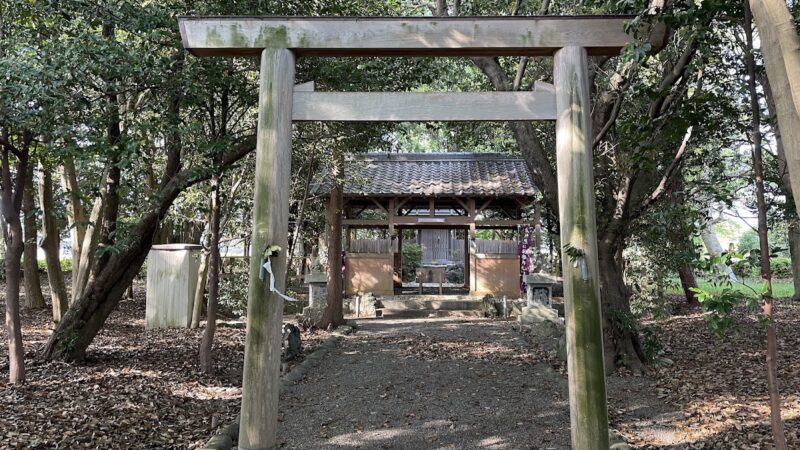
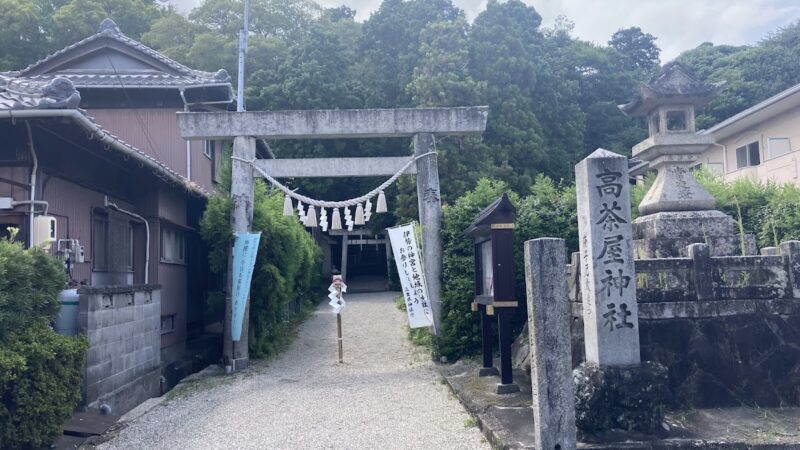
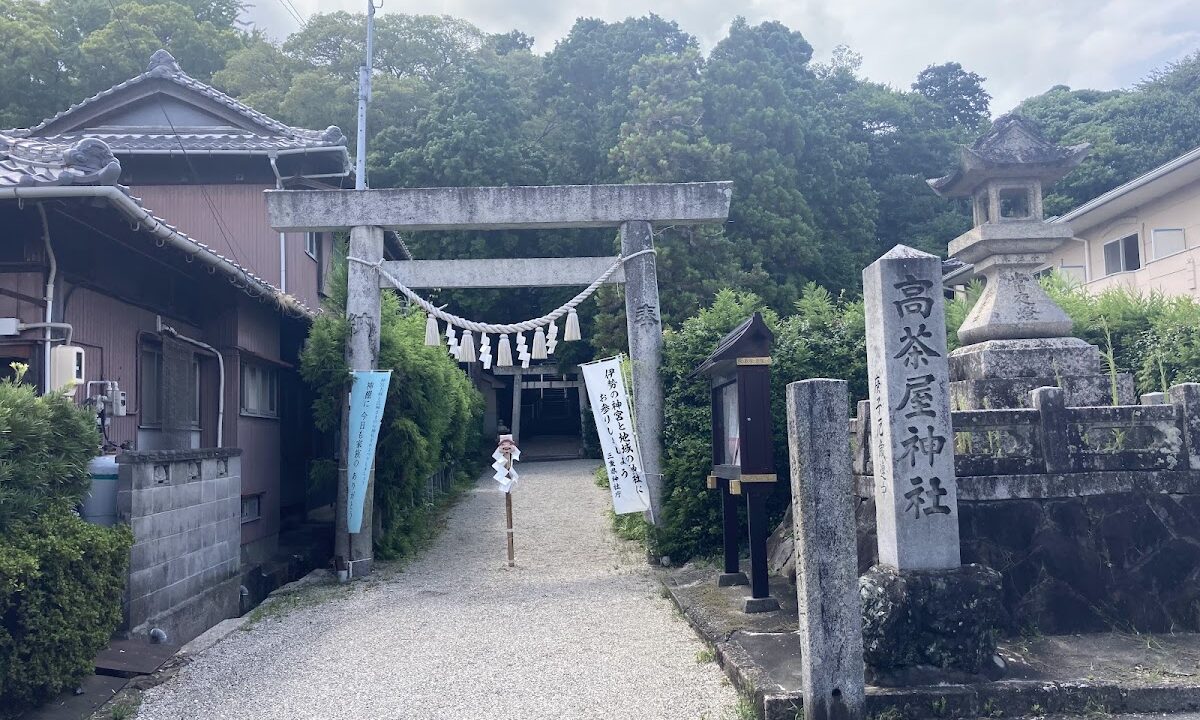
The torii gate of Takachaya Shrine, though situated in a residential area, stands proudly as an entrance to the sacred grounds. Passing through the gate, a quiet approach leads to the main shrine.
Main Shrine and Worship Hall
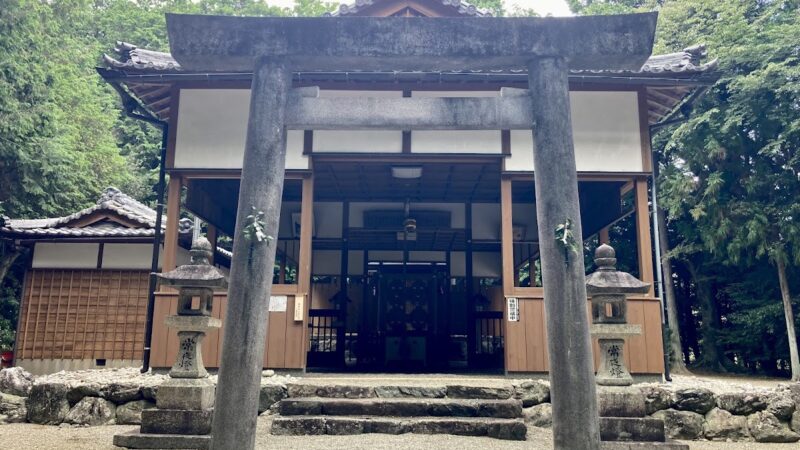
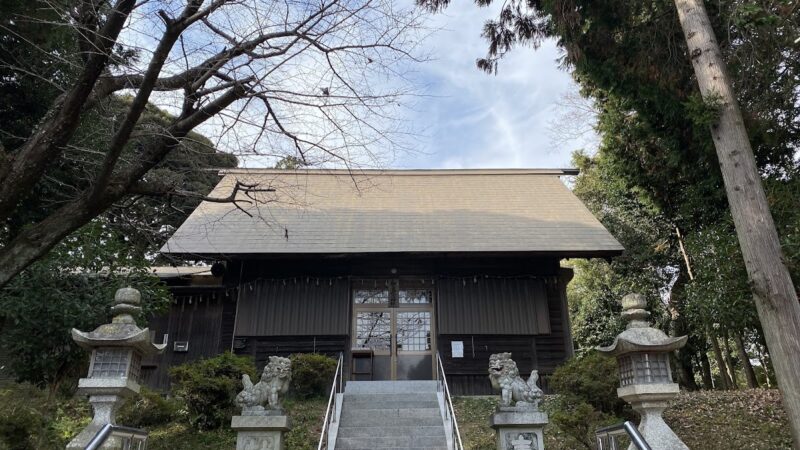
The main shrine maintains the traditional style of shrine architecture, exuding a sense of local history. In the worship hall, daily worshippers quietly offer their prayers.
Stone Pillar of Kurishima Shrine
A stone pillar of Kurishima Shrine remains on the grounds. This is evidence of Takachaya Shrine’s history of merging with multiple shrines, and is a valuable historical site that tells the story of the changing faith of the region.
Subsidiary Shrines and Stone Monuments
Several stone monuments and small shrines are scattered throughout the grounds, indicating that they have attracted the faith of local people over a long history.
About Goshuin (Shrine Seals)
Goshuin are available at Takachaya Shrine. Goshuin serve as proof of your visit and are important for establishing a connection with the shrine.
About the Issuance of Goshuin
Goshuin at Takachaya Shrine can be obtained when the chief priest is present. However, since the priest may not always be present, it is recommended to contact the shrine in advance if you wish to be sure to receive a goshuin.
Special Gifts
Some visitors have reported receiving special gifts from the chief priest. For example, one visitor received a miniature Chino-wa (a ring made of reeds), which they cherish as a memento of their visit. Chino-wa are sacred objects that have been used in Japanese shrines since ancient times as symbols of protection against evil and good health.
Access Methods
Access by Train
Using the JR Kisei Main Line
- Get off at “Takachaya Station,” approximately 7-10 minutes on foot.
- Approximately 526 meters on foot from the station exit.
Using the Kintetsu Nagoya Line
- Get off at “Momozono Station,” accessible on foot.
From Takachaya Station, the route is relatively easy to follow; head through the residential area towards Takachaya Elementary School, and you will arrive at the shrine.
Access by Car
If visiting by car, you can access the shrine from National Route 23 or Ise Kaido (National Route 163). However, parking is a concern.
Parking Information
Takachaya Shrine does not have its own parking lot. While there is information that there is a small space for one car in front of the torii gate, it is generally recommended to use public transportation.
If visiting by car, it is best to use a nearby coin-operated parking lot or a parking lot near Takachaya Station and walk to the shrine.
Manners and Points for Visiting a Shrine
Basic Etiquette for Visiting a Shrine
- Bow Before the Torii Gate: Before entering the sacred area, bow before the torii gate.
- Walking Along the Path: The center of the path is considered the path of the gods, so walk along the sides.
- Purify at the Water Basin: If there is a water basin, purify your hands and mouth.
- Worship at the Main Hall: Two bows, two claps, and one bow is the basic form of worship.
Recommended Time to Visit
Takachaya Shrine is located in a residential area, so it is recommended to visit during the quiet hours of early morning or evening. Visiting in the refreshing morning air is especially a refreshing experience.
Exploring the Surrounding Area
The area around Takachaya Shrine retains traces of the former Ise Road. After visiting the shrine, it is recommended to explore the surrounding area. Walking through areas with historically significant place names, such as Takachaya Komori-cho, allows you to imagine the travelers of the Edo period.
Annual Events and Festivals
It is believed that various festivals are held throughout the year at Takachaya Shrine. Typical annual events at shrines include the following:
Main Annual Events (General Examples)
- Hatsumode (January 1st-3rd): New Year’s visit
- Setsubun Festival (Around February 3rd): Bean-throwing and exorcism
- Spring Grand Festival: Spring Grand Festival
- Natsukoshi no Harae (Around June 30th): Passing through a Chino-wa (reed ring)
- Autumn Grand Festival: Autumn Grand Festival
- Shichi-Go-San (Around November 15th): Celebrating children’s growth
- Yoshikoshi no Oharae (December 31st): Purifying the impurities of the year
For specific dates and details, we recommend checking during your visit.
The Charm of Takachaya Shrine
A Local Guardian Deity
The greatest charm of Takachaya Shrine lies in its role as a local guardian deity deeply rooted in the community. While not a large-scale tourist shrine, it is a beloved place that is an integral part of the daily lives of local people, visited at various milestones in their lives. ### Historical Value
This shrine is a valuable resource that tells the story of the region’s history, including its use as a resting place for imperial envoys on the Ise Road and its history of merging multiple shrines as part of the “Ten Shrines Forest.”
Quiet Worship Environment
Despite being located in a residential area, the shrine grounds maintain a quiet and peaceful atmosphere. This environment, where one can offer prayers in tranquility away from the hustle and bustle, is a precious space in modern times.
Diverse Divine Virtues from Multiple Deities
With Tamabashirahime-no-Mikoto as the main deity, and various other deities such as Susanoo-no-Mikoto, Hayatamao-no-Mikoto, and Ukanomitama-no-Mikoto enshrined, this shrine is said to grant a variety of wishes, including family safety, business prosperity, protection from evil, and abundant harvests.
Visitor Feedback
The following are comments from visitors who have actually visited Takachaya Shrine:
- “A community-oriented shrine where you can visit while taking a walk.”
- “Received warm hospitality from the chief priest.”
- “A small shrine, yet steeped in history.”
- “A quiet and peaceful atmosphere that is very pleasant.”
These comments show that Takachaya Shrine is loved and cherished by the local community.
Nearby Attractions
When visiting Takachaya Shrine, why not also explore the surrounding attractions?
Historical Sites of the Ise Road
Around Takachaya, there are numerous historical sites that retain the atmosphere of the former Ise Road. By walking along the road, you can trace the footsteps of travelers from the Edo period.
Other Shrines and Temples in Tsu City
Tsu City has many historical shrines and temples, including Yuki Shrine, Tsu Kannon Temple, and Shitennoji Temple. If you have time, it would be a good idea to visit these temples and temples as well.
Points to Note When Visiting
Parking
As mentioned above, there is no dedicated parking lot, so it is important to check parking locations in advance if you are visiting by car.
Goshuin (Shrine Seal)
If you wish to receive a Goshuin, it is recommended to check the priest’s attendance hours in advance.
Visiting Etiquette
As the shrine is adjacent to a residential area, please be especially careful about loud conversations and noise. Please strive to pray quietly.
Photography
Photography is generally permitted on the shrine grounds, but please be mindful of respectful behavior, such as refraining from taking photos inside the main hall or in sacred areas.
What You Can Gain from Takachaya Shrine
What you can gain from visiting Takachaya Shrine is more than just a tourist experience.
Peace of Mind
By praying in the quiet shrine grounds, you can find peace of mind away from the hustle and bustle of everyday life.
Understanding Local History
You can learn about the history of the Ise Road, the origin of the place name “Takachaya,” and other local history.
Divine Blessings
Because many deities are enshrined here, you can receive various divine blessings. You can offer prayers to the deity corresponding to your wishes, such as family safety, business prosperity, and protection from evil.
Connection to the Community
By visiting a local shrine rooted in the community, you can feel a connection to the land.
Summary
Takachaya Shrine is a historic shrine located in Takachaya, Tsu City, Mie Prefecture. It has a long history as part of the “Ten Shrines Forest” along the Ise Highway and as a resting place for imperial envoys.
With Tamabashirahime-no-Mikoto as the main deity, and many other deities such as Susanoo-no-Mikoto, Hayatamao-no-Mikoto, and Ukanomitama-no-Mikoto enshrined here, you can receive various divine blessings, such as family safety, business prosperity, and protection from evil.
Its appeal lies in its convenient access (approximately 7-10 minutes on foot from JR Takachaya Station), its quiet and peaceful atmosphere, and its warm, community-oriented feel. You can also receive a Goshuin (temple/shrine stamp), which makes a memorable souvenir of your visit.
While it’s not a large-scale tourist shrine, it offers a simple form of faith, a sense of local history, and a feeling of peace. When you visit Tsu City, be sure to stop by Takachaya Shrine. It will surely be a memorable pilgrimage experience.
Just as it has been watched over by countless travelers who traversed the Ise Road, Takachaya Shrine continues to warmly welcome visitors.