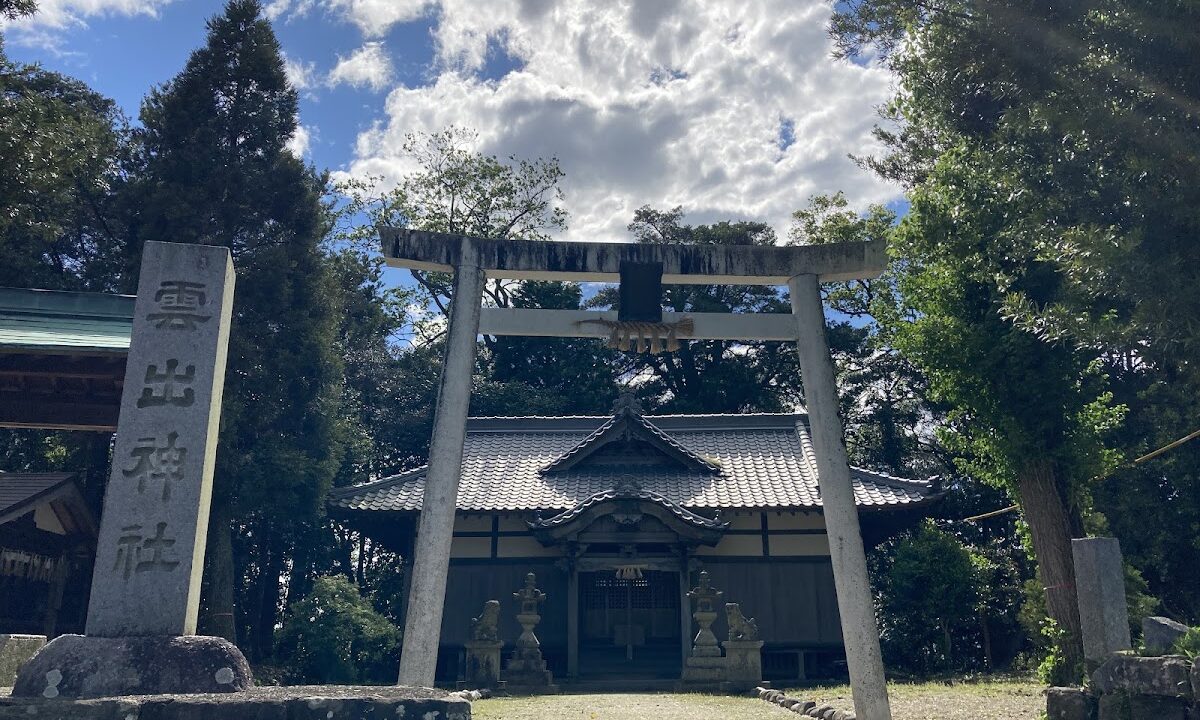
Kumozu Shrine (Tsu City, Mie Prefecture) Complete Guide | History, Deities, and Access Information for the Original Ise Shrine
Kumozu Shrine, located in Kumozu-Hongocho, Tsu City, Mie Prefecture, is a historically significant shrine known as the original Ise Shrine site where Princess Yamato-hime visited to enshrine Amaterasu Omikami. It is also a candidate for the Shikinaisha (shrine listed in the Engishiki) “Kawai Shrine” in Ichishi District, Ise Province, and is a historically valuable shrine with a long history, cherished by the local community.
This article comprehensively introduces all the information you need to know before visiting Kumozu Shrine, including its detailed history, enshrined deities, highlights within the grounds, access methods, and surrounding area information.
Basic Information about Kumozu Shrine
Location and Access
Location: 1211 Kumozu-Hongocho, Tsu City, Mie Prefecture 514-0304
Access from Nearest Station:
- Approximately 14-15 minutes on foot (approx. 1.1 km) from Kintetsu Nagoya Line “Takachaya Station”
- Approximately 7 minutes on foot (approx. 500 m) from the “Kumozu Elementary School” bus stop
Kumozu Shrine is located in the southern part of Tsu City, near the Kumozu River, and is accessible on foot from Takachaya Station. It is also possible to visit by car, and the surrounding area is a residential neighborhood.
Shrine Name and Pronunciation
The official name is “Kumozu Shrine,” and it is pronounced “Kumozu Jinja” or “Kumozu Jinja.” There are slight differences in pronunciation depending on the region, but both are recognized as correct.
History and Origins of Kumode Shrine
Traditional Site of the Former Ise Shrine “Fujikatakatahinomiya”
The most important historical significance of Kumode Shrine lies in its status as the traditional site of the Former Ise Shrine “Fujikatakatahinomiya” or “Asaka Fujikatakatahinomiya”.
According to the *Yamato-hime no Mikoto Seiki*, when Yamato-hime no Mikoto traveled around seeking an ideal location for the enshrinement of Amaterasu Omikami, she stayed in this area for four years. A “Former Ise Shrine” refers to a place where Amaterasu Omikami was temporarily enshrined before finally being enshrined at Ise Grand Shrine, and Kumode Shrine is considered one of the important candidate sites.
Candidate for the Shikinaisha “Kawanami Shrine”
Kumode Shrine is also a candidate for the Shikinaisha “Kawanami Shrine” listed in the Engishiki Jinmyocho (Register of Shrines in the Engi Era) in Ichishi District, Ise Province. A Shikinaisha is a historically significant shrine listed in the Engishiki, a compilation of laws and regulations from the Heian period, indicating its importance as an object of worship in this region since ancient times.
From Hachioji-gu Shrine to Kumode Shrine
While details of its founding are unknown due to a lack of oral traditions, the following changes in the shrine’s history are recorded:
- Before the Edo period: It was worshipped as “Hachioji-gu Shrine”
- 1870 (Meiji 3): Renamed “Kunitama Shrine”
- 1909 (Meiji 42): Eleven surrounding shrines, including Ebisu Shrine, were merged, and the shrine was renamed “Kumode Shrine”
Due to the Meiji-era shrine consolidation policy, several local shrines were integrated, establishing the current form of Kumode Shrine. This consolidation resulted in the shrine now enshrining a diverse array of deities.
Deities and Divine Virtues
Main Deity
The deities enshrined at Kumode Shrine are as follows:
Main Deity:
- Okunimitama-no-kami – Said to be another name for Okuninushi-no-Mikoto, the god of land development, agriculture, and commerce
- Ohirume-no-Mikoto – Another name for Amaterasu-Omikami, the sun goddess and imperial ancestral deity
- Gonan-sanjo-shin – Eight deities born from the oath between Amaterasu-Omikami and Susanoo-no-Mikoto
Deities Enshrined Together
Due to the merger in 1909 (Meiji 42), the deities of the following shrines are also enshrined:
- Deities of Ebisu Shrine
- Deities of 10 other shrines
Divine Virtues (Benefits)
The main divine virtues that can be prayed for at Kumode Shrine are as follows:
- National Peace and Prosperity, Regional Prosperity – Divine Virtue of Okunitama-no-Kami
- Abundant Harvests, Business Prosperity – As the Guardian Deity of Agriculture and Commerce
- Good Fortune, Protection from Evil – Divine Virtue of Amaterasu-Omikami
- Family Safety, Health, and Longevity – As the Local Guardian Deity
- Matchmaking, Prosperity of Descendants – Divine Virtue of the Five Males and Three Females
Highlights of the Shrine Grounds
Atmosphere of the Shrine and Grounds
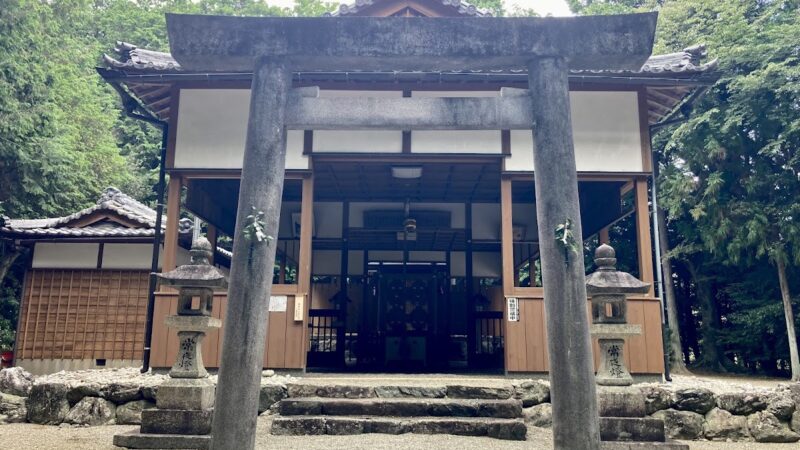
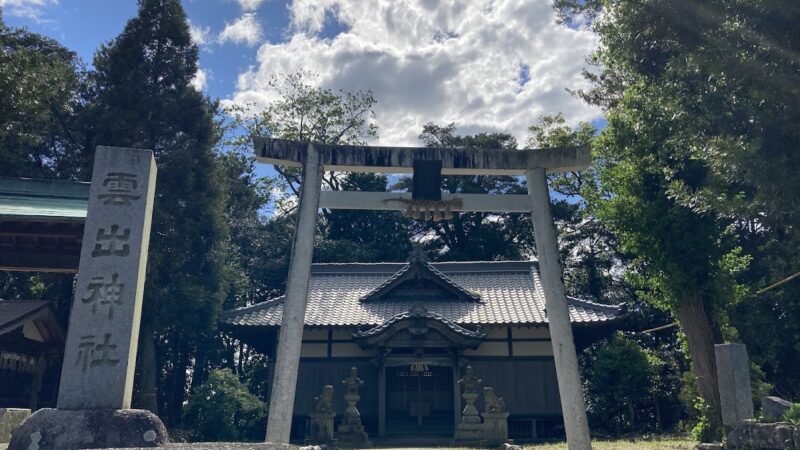
The grounds of Kumode Shrine, while located in a quiet residential area, maintain a sacred atmosphere. The main hall and worship hall are built in the traditional shrine architectural style and are carefully maintained as the center of local faith.
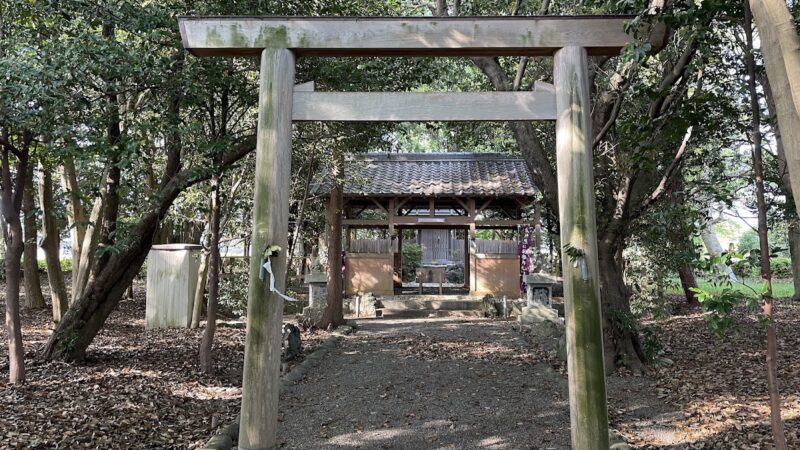
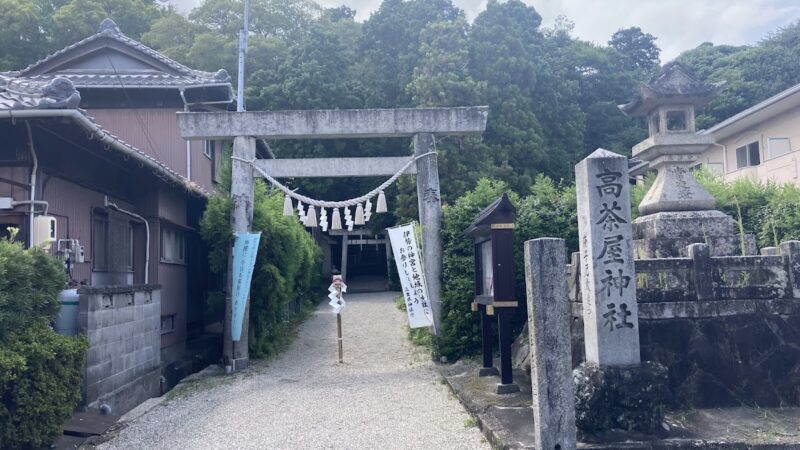
Torii Gate and Approach
A torii gate stands at the entrance to the shrine, and one proceeds along the approach to the shrine buildings. The approach is meticulously clean, reflecting the respect the local people have for the shrine.
Shrine Grounds and Stone Monuments
Within the shrine grounds, there are stone monuments commemorating the shrines that were merged with this one, as well as memorials that tell the history of the region. These tell the story of Kumode Shrine’s long history and its deep connection to the local community.
Sacred Trees and Nature
The shrine grounds are home to many ancient trees, allowing visitors to enjoy the beauty of nature throughout the seasons. The grounds are especially enveloped in beautiful colors during the fresh greenery of spring and the vibrant autumn foliage.
Etiquette and Manners for Visiting a Shrine
Basic Etiquette for Visiting a Shrine
When visiting Kumode Shrine, please observe the following basic etiquette:
- Bow before the Torii Gate – Bow before entering the sacred area.
- Purify yourself at the Water Basin – Purify your left hand, right hand, and mouth in that order.
- Pray in front of the Main Hall – Pray using the two bows, two claps, and one bow ritual.
- Visit the Shrines within the Grounds – If time permits, visit the shrines within the grounds as well.
- Bow upon Exit – Turn around and bow when leaving the Torii Gate.
Clothing and Items to Bring When Visiting a Shrine
There are no specific dress code requirements, but please wear clean clothing appropriate for visiting a shrine. Bringing a hat or parasol in the summer and warm clothing in the winter will make your visit more comfortable.
About Goshuin (Shrine Seals)
Issuance of Goshuin
Regarding the issuance of Goshuin at Kumode Shrine, it is recommended to check in advance. Generally, smaller shrines may not have a resident priest, so it’s best to inquire beforehand if you wish to receive a Goshuin.
Preparing Your Goshuincho (Shrine Seal Book)
When receiving a Goshuin, please bring your own Goshuincho. Remember that a Goshuin is proof of your visit, not a stamp rally, and it’s important to receive it with respect.
Annual Events and Festivals
Grand Festival
Kumode Shrine holds festivals throughout the year by local residents. During the Grand Festival, local residents gather to pray for the maintenance of the shrine and the prosperity of the community.
Seasonal Events
- New Year’s Day (First Shrine Visit of the Year) – Praying for good health and protection from illness in the new year
- Spring Festival – Praying for a bountiful harvest
- Autumn Festival – Offering thanks for the harvest
For specific dates, we recommend checking local bulletin boards or information from Tsu City.
Detailed Access Information
Access by Train
Using the Kintetsu Nagoya Line:
- Get off at Kintetsu “Takachaya Station”
- Walk southwest from the station for approximately 14-15 minutes
- Cross National Route 23 towards Kumode Hongō-chō
Takachaya Station is approximately 5 minutes from Tsu Station on the Kintetsu Nagoya Line. It is also directly accessible from Nagoya.
Access by Bus
If using Mie Kotsu Bus:
- Get off at the “Kumode Elementary School” bus stop and walk for approximately 7 minutes.
- Bus timetables can be found on the Mie Kotsu official website.
Access by Car
Route from Major Roads:
- Approximately 15 minutes from the Ise Expressway “Tsu IC”
- Accessible via National Route 23 and a prefectural road.
Parking:
There may be parking spaces for visitors within or around the shrine grounds, but please check details on-site. Since it is located in a residential area, please avoid street parking and be considerate of the neighbors.
Map and Navigation
Searching for “Kumode Shrine” or the address “1211 Kumode Hongō-chō, Tsu City, Mie Prefecture” in your smartphone map app or car navigation system will display the exact location. Searching for “Kumode Shrine” in a map app will show the location information.
Attractions Around Kumode Shrine
Kumode River
The Kumode River, which gives the shrine its name, is an important river flowing through Tsu City. A promenade is maintained along the river, allowing visitors to enjoy a stroll.
Tsu City Tourist Attractions
When visiting Kumode Shrine, consider exploring other tourist attractions in Tsu City:
- Tsu Castle Ruins (Castle Park) – A castle ruins park located in the heart of Tsu City
- Yuki Shrine – A shrine famous for its weeping plum blossoms
- Shitennoji Temple – An ancient temple in Tsu City
- Sakakibara Onsen – A hot spring resort counted as one of Japan’s three most famous hot springs
Nearby Restaurants
There are numerous restaurants and cafes around Takachaya Station. You can enjoy a meal before or after your visit to the shrine.
Moto-Ise Pilgrimage and Kumode Shrine
What is Moto-Ise?
Moto-Ise refers to the collective name for the places where Amaterasu Omikami was temporarily enshrined before her permanent residency at Ise Grand Shrine. According to the *Yamato-hime no Mikoto Seiki*, Yamato-hime no Mikoto is said to have traveled to various regions for approximately 90 years.
Significance of the Moto-Ise Pilgrimage
Kumode Shrine, as one of the Moto-Ise shrines, plays a part in the sacred path leading to Ise Grand Shrine. Visiting the Moto-Ise shrines is a spiritual journey tracing the history of the search for the enshrined place of Amaterasu Omikami.
Other Moto-Ise Candidate Sites in Mie Prefecture
Besides Kumode Shrine, there are several other sites in Mie Prefecture with Moto-Ise traditions:
- Ikuru Shrine (Tsu City)
- Kantsumie Shrine (Matsusaka City)
- Sakate Kunio Shrine (Matsusaka City)
A pilgrimage to these Moto-Ise shrines offers an opportunity to deeply understand the history and faith of Mie Prefecture.
Cultural and Academic Value of Kumode Shrine
Value as a Shikinaisha (Shrine Listed in the Engishiki)
Being a candidate for a Shikinaisha listed in the Engishiki Jinmyocho (a list of shrines compiled in the Heian period) indicates that Kumode Shrine is a historically significant shrine with a long history dating back to ancient times. In the study of Shikinaisha, Kumode Shrine is an important subject of research.
Position in Local History
Kumode Shrine is an indispensable part of the history of the Kumode area in Tsu City. It has played a vital role for many years as a center of local faith and a focal point for the local community.
Designation as a Cultural Property
It is registered in the Mie Prefecture Cultural Property Database and is recognized as a valuable cultural heritage of the region.
Visitor Voices and Experiences
Quiet Worship Environment
Many visitors to Kumode Shrine appreciate the quiet and peaceful environment for worship, despite its location in a residential area. Unlike large-scale tourist shrines, its appeal lies in the environment that allows for peaceful prayer.
The Charm of a Former Ise Shrine
Visitors on the Former Ise pilgrimage highly value this shrine as a precious place to trace the footsteps of Princess Yamato-hime. Some say that visiting it in conjunction with a visit to Ise Grand Shrine allows for a deeper religious experience.
The Warmth of the Local People
At Kumode Shrine, cherished as the local guardian shrine, you can feel the warm atmosphere of the local people. The well-maintained grounds convey the love the local people have for the shrine.
Practical Advice for Visiting Kumode Shrine
Best Time to Visit
While Kumode Shrine is generally open to visitors, early morning or late evening are recommended. Early morning visits, in particular, offer a refreshing experience, a truly cleansing experience for the soul.
Estimated Time Required
The shrine grounds themselves take about 15-30 minutes. If you plan to stroll leisurely through the grounds or walk along the nearby Kumode River, allow about an hour.
Seasonal Highlights
- Spring (March-May): Beautiful fresh greenery and pleasant weather
- Summer (June-August): Lush greenery and the sound of cicadas create a summery atmosphere
- Autumn (September-November): Beautiful autumn foliage and the season for the annual festival
- Winter (December-February): A crisp, serene atmosphere for peaceful worship
Photography Etiquette
Photography is generally permitted on the shrine grounds, but please observe the following etiquette:
- Refrain from taking photos inside the main hall
- Be considerate of other worshippers
- Pay attention to location information when posting on social media
Kumode Shrine and the Local Community
As the Local Guardian Deity
Kumode Shrine is revered by local residents as the guardian deity of Kumode Hongō-chō and the surrounding areas. It is cherished daily as a protector of the safety and prosperity of the community.
Connection to Local Events
Shrine festivals are important local events, providing an opportunity for residents to gather together. These events strengthen the bonds of the local community.
Shrine Maintenance
The shrine is cleaned and maintained with the cooperation of local residents. Visitors are also expected to visit with a respectful attitude towards the shrine.
Summary: The Significance of Visiting Kumode Shrine
Kumode Shrine, located in Tsu City, Mie Prefecture, is a shrine with a deep history dating back to ancient times, as the traditional site of the original Ise Shrine “Fujikata Katahi-no-miya” and as a candidate for the Shikinaisha (shrine listed in the Engishiki) “Kawai Shrine.” It enshrines Okunitama-no-kami, Ohirume-no-mikoto, and five male and three female deities, and has been cherished as a center of local faith to this day.
Kumode Shrine is attractive for its convenient access (within walking distance of Takachaya Station) and its tranquil worship environment. Visiting it as part of a pilgrimage to the original Ise Shrines, along with a visit to Ise Grand Shrine, will provide a deeper spiritual experience.
When you visit Tsu City, be sure to stop by Kumode Shrine and experience the spirit of ancient faith. The warm atmosphere of this shrine, cherished by the local community, is sure to soothe your soul.
Spend a peaceful moment of worship at Kumode Shrine, where you can experience the rich history and culture of Mie Prefecture.