Complete Guide to Shiwafuru Inari Shrine (Iwate Prefecture) | The White Fox Mummy and the Blessings of Good Fortune and Prosperity
Shiwafuru Inari Shrine, located in Shiwa-cho, Shiwa-gun, Iwate Prefecture, is a nationally renowned Inari shrine known for the white fox mummy that emerged from the sacred tree in 1954. Along with the neighboring Shiwa Inari Shrine, it is a shrine that attracts many worshippers and is a center of local faith. This article provides a detailed explanation of Shiwafuru Inari Shrine’s history, blessings, the legend of the white fox mummy, its goshuin (shrine stamp), access methods, and other information you should know before visiting.
What is Shiwafuru Inari Shrine?
Shiwafuru Inari Shrine is located at 108 Komori, Masuzawa, Shiwa-cho, Shiwa-gun, Iwate Prefecture. It enshrines Ukanomitama-no-Mikoto, revered as the god of good fortune, prosperity, and industry.
As its name “Furu” (古) suggests, this shrine has a long history of Inari worship in this region. The quiet grounds, surrounded by trees, provide a sacred space that offers peace of mind to visitors.
Relationship with Shiwa Inari Shrine
Shiwa Inari Shrine is located very close to Shiwa Furu Inari Shrine. Shiwa Inari Shrine is said to have been founded by Minamoto no Yoriyoshi and his son Yoshiie, and is a former prefectural shrine, now designated as a special shrine by the Association of Shinto Shrines. It is a highly prestigious shrine, sometimes considered one of the three or five greatest Inari shrines in Japan.
Although adjacent, the two shrines are independent and each has its own distinct history and characteristics. Shiwa Inari Shrine is known as the guardian deity of abundant harvests, bountiful catches, and traffic safety, while Shiwa Furu Inari Shrine is particularly famous for good fortune and a mummified white fox.
Deity and Benefits
Deity: Ukanomitama-no-Mikoto
The deity enshrined at Shiwako Inari Shrine is Ukanomitama-no-Mikoto. Ukanomitama-no-Mikoto is a god of grain appearing in Japanese mythology and is widely worshipped throughout Japan as the principal deity of Inari shrines.
“Uka” means grain or food, and “Mitama” represents spirit. Therefore, as the spirit of food and grain, Ukanomitama-no-Mikoto has been revered as a god who protects agriculture, commerce, and industry in general.
Main Benefits
The main benefits you can receive at Shiwa Koinari Shrine are as follows:
- Good Fortune and Prosperity: Opening up good luck and bringing good fortune
- Business Prosperity: Development of businesses and business success
- Industrial Development: Development of all industries
- Abundant Harvest: Abundant harvests
- Family Safety: Health and safety of family members
- Fulfillment of Wishes: Fulfillment of various wishes
The shrine is particularly known for its strong benefits of good fortune and prosperity, and many people visit when they are at a turning point in their lives or starting something new.
The Legend of the White Fox Mummy
What made Shiwa Koinari Shrine famous nationwide was the discovery of a white fox mummy in 1954. This discovery became one of the most important events in the shrine’s history.
The Story of the Mummy’s Discovery
In 1954, Typhoon Ione (Typhoon No. 15) struck the Tohoku region, causing a large cedar tree, a sacred tree standing in front of the Shiwako Inari Shrine, to fall. This cedar had been a sacred tree that had attracted worshippers for many years.
At the base of the fallen cedar was a large hollow, from which a white fox mummy emerged. This discovery became a major topic of conversation in the region, and the fox came to be revered as a divine messenger of the shrine.
The Belief in the White Fox Divine Messenger
At Inari shrines, foxes are important beings, considered divine messengers of the gods. At Shiwako Inari Shrine, this white fox mummy is carefully enshrined as a special divine messenger.
According to legend, if you make a wish to this white fox, that wish will be conveyed to Inari Okami (the great Inari deity), and your wish will be granted. Therefore, in addition to praying at the main hall, worshippers have the custom of offering prayers to this white fox, the guardian deity.
Guardian Deity Shrine in Front of the Main Hall
A distinctive feature of Shiwa Koinari Shrine is the presence of a guardian deity shrine in front of the main hall. This is an unusual arrangement among Inari shrines, and it was specially established to house the mummified white fox.
When worshipping, a unique method of worship is recommended: first, convey your wishes to the white fox at the guardian deity shrine, and then pray to Inari Okami at the main hall.
History and the Tradition of Shugendo
Hongu-ji Temple Era
Shiwa Koinari Shrine was formerly called “Hongu-ji Temple.” This indicates that during the era of syncretism of Shinto and Buddhism, the shrine also possessed characteristics of a temple.
Until the Meiji Restoration, Shugendo was flourishing, and a unique form of worship was observed, a fusion of mountain worship and Inari worship. Shugendo practitioners trained in this area, supporting the faith of the local people.
Changes Since the Meiji Era
Due to the Meiji-era separation of Shinto and Buddhism, Hongu-ji Temple became an independent shrine, Shiwako Inari Shrine. While Shugendo activities ended, the ancient traditions of faith still live on in the atmosphere of the shrine.
The tranquil atmosphere of the shrine grounds, surrounded by trees, conveys the feeling of its former status as a sacred site for Shugendo.
Highlights of the Shrine Grounds
Worship Hall and Main Hall
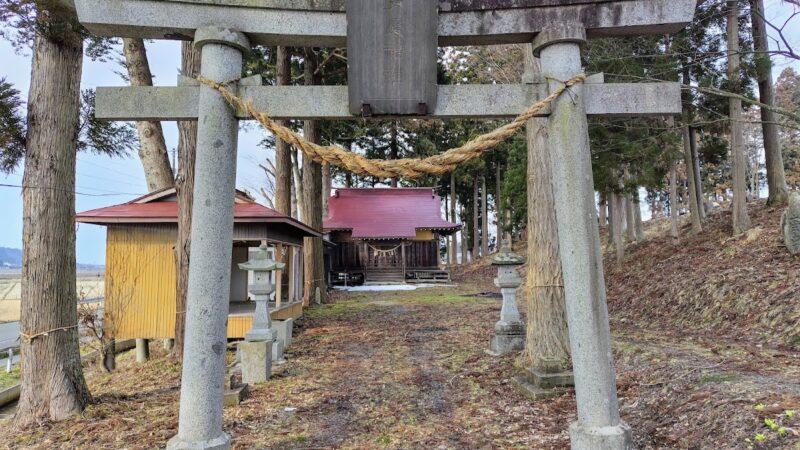
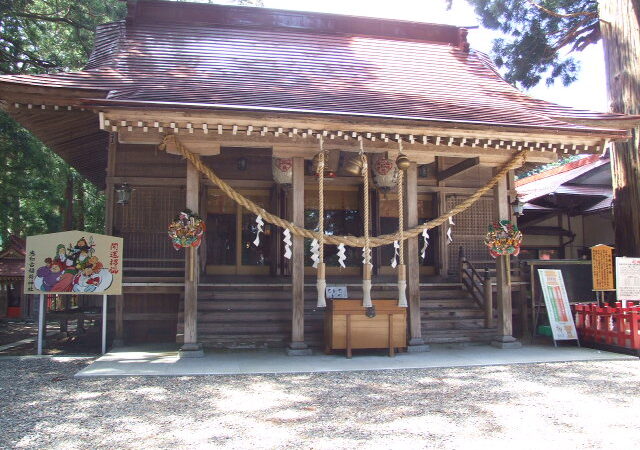
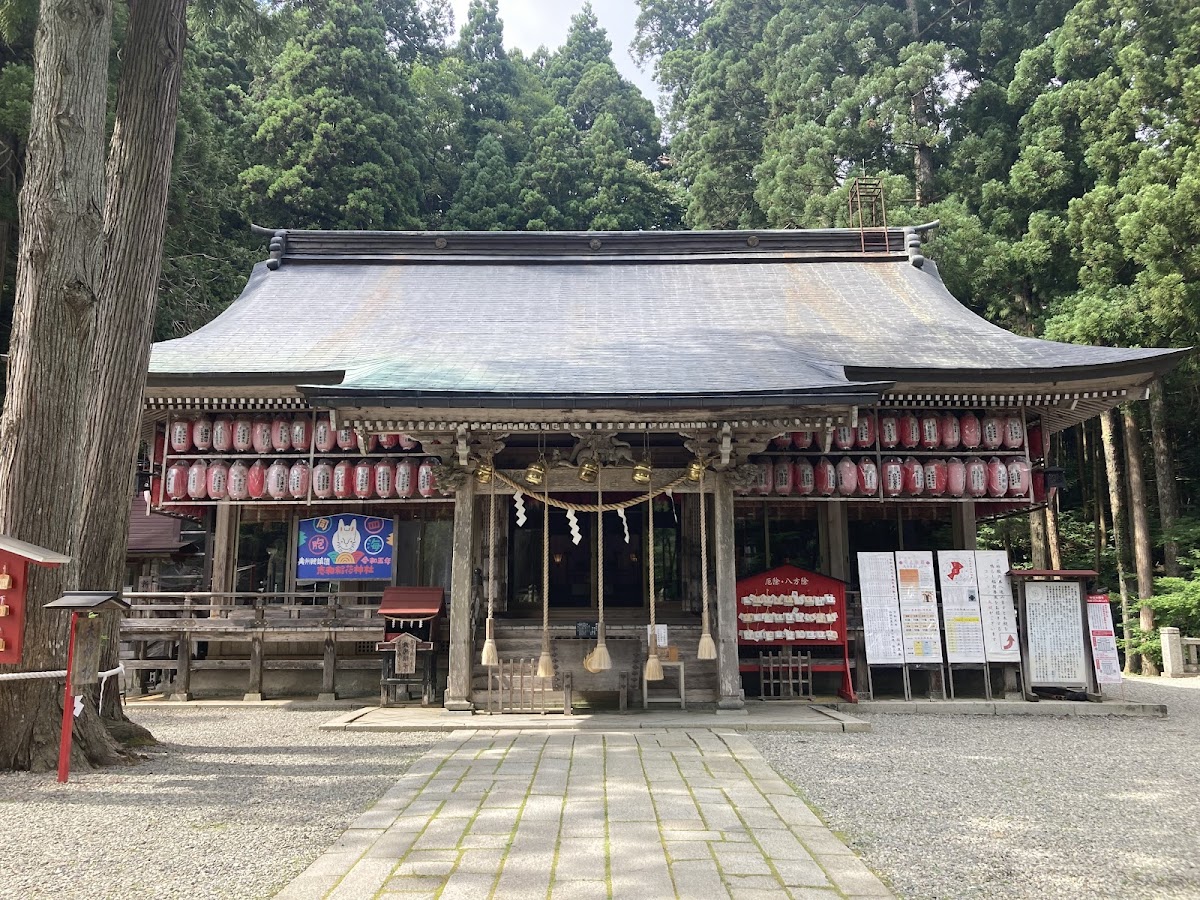
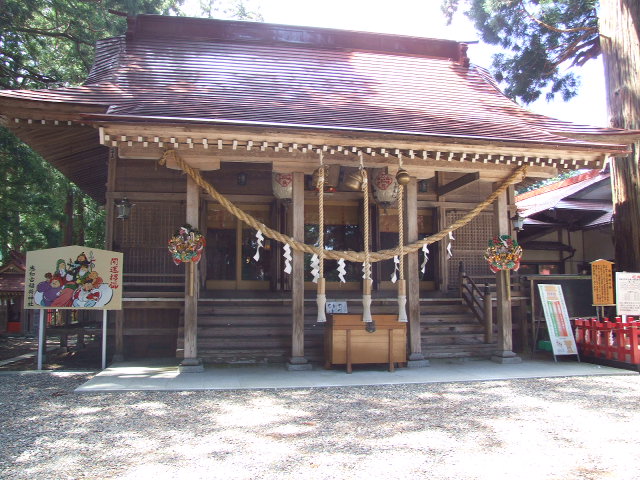
The worship hall of Shiwako Inari Shrine is a traditional wooden structure, nestled in a quiet forest. Behind the worship hall is the main hall, where the enshrined deity, Ukanomitama-no-Mikoto, is worshipped.
The shrine in front of the worship hall is the most distinctive feature of this shrine, where many worshippers convey their wishes to the white fox.
Sacred Forest
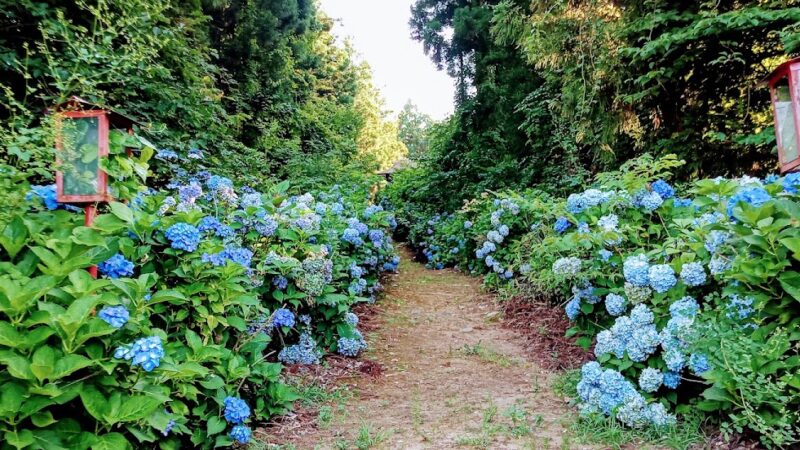
The shrine grounds are surrounded by a lush forest, allowing visitors to enjoy the beauty of nature throughout the seasons. The atmosphere of the shrine becomes even more mystical, especially during the seasons of fresh greenery and autumn leaves.
Walking through the quiet forest will allow you to escape the hustle and bustle of everyday life and calm your mind.
Komainu and Stone Sculptures
Within the shrine grounds are stone sculptures such as komainu (guardian lion-dogs) and stone lanterns that evoke a sense of history, telling the story of a long history of faith.
Goshuin (Shrine Seals) and Amulets
About Goshuin
Shiwa Koinari Shrine offers goshuin (shrine seals). The goshuin includes the shrine’s name and the date of visit, and is stamped with the shrine’s seal.
Especially in the Year of the Snake, limited edition lucky goshuin are sometimes distributed, making them popular among goshuin collectors. The snake is considered a messenger of Benzaiten (a goddess of fortune) and has a deep connection to Inari worship, making the Year of the Snake a special year.
Goshuincho (Shrine Seal Book)
Shiwa Koinari Shrine also offers its own original goshuincho. Featuring designs inspired by white foxes and Inari worship, these amulets are popular as souvenirs of visits.
Amulets and Souvenirs
At the shrine’s gift shop, you can receive a variety of amulets and souvenirs:
- Good Fortune Amulet: An amulet for improving your luck
- Business Prosperity Amulet: An amulet for business success
- Family Safety Amulet: An amulet to protect the safety of your family
- Traffic Safety Amulet: An amulet to protect the safety of your car and travels
Each amulet is imbued with the protection of Inari Okami and his divine messenger, the white fox.
How to Visit and Etiquette
Basic Worship Etiquette
To visit Shiwa Koinari Shrine, follow these steps:
- Bow at the Torii Gate: Bow at the torii gate before entering the shrine grounds.
- Purify at the Water Basin: Purify your hands and mouth.
- Pray at the Shrine of the Divine Messengers: First, convey your wish to the white fox at the shrine in front of the main hall.
- Worship at the Main Hall: Worship Inari Okami using the two bows, two claps, and one bow ritual.
- Express Gratitude: It is important to offer thanks when your wish is granted.
How to Pray to the White Fox
Praying to the white fox, the divine messenger, is a unique custom of this shrine. It is believed that by sincerely chanting your wish, it will reach Inari Okami.
It is important to be specific with your wish and to express it with gratitude.
About Prayers and Blessings
Shiwa Koinari Shrine accepts various types of prayers and blessings.
Prayer Reception Hours
Reception Hours: 8:00 AM – 5:00 PM
We recommend making a reservation by phone in advance. Especially on weekends, holidays, and during the New Year’s period, crowds are expected, so early reservations are recommended.
Main Types of Prayers
- Prayer for Good Fortune
- Prayer for Business Prosperity
- Prayer for Family Safety
- Prayer for Protection from Evil
- Prayer for Safety
- Prayer for Success in Exams
- Prayer for Fulfillment of All Wishes
Please contact the shrine directly regarding prayer fees.
Access Information
Address
108 Komori, Masuzawa, Shiwa-cho, Shiwa-gun, Iwate Prefecture 028-3442
Access by Car
From Tohoku Expressway:
- Approximately 10 minutes from Shiwa IC
- Approximately 15 minutes from Morioka Minami IC
Parking is available free of charge next to the shrine. It is a shared parking lot with Shiwa Inari Shrine.
Access by Public Transportation
JR Tohoku Main Line:
- Approximately 10 minutes by car from Shiwa Chuo Station
- Approximately 15 minutes by car from Hizume Station
Taking a taxi from the station is convenient. Bus routes are limited, so it is recommended to check in advance.
Opening Hours and Holidays
Visiting Hours: The shrine grounds are generally open for free worship.
Shrine Office/Prayer Reception: 8:00 AM – 5:00 PM
Holidays: Open all year round
However, opening hours may change due to weather or religious ceremonies.
Nearby Tourist Attractions
When visiting Shiwa Koinari Shrine, we recommend also visiting nearby tourist attractions.
Shiwa Inari Shrine
The adjacent Shiwa Inari Shrine boasts an ancient cedar tree said to be 1,000 years old and is a historical shrine believed to have been founded by Minamoto no Yoriyoshi and his son Yoshiie. It is revered as a guardian deity of abundant harvests, bountiful catches of fish, and traffic safety, and is particularly beneficial for car blessings, exorcism, and success in examinations.
Visiting both Shiwa Koinari Shrine and Shiwa Inari Shrine together is believed to bring even greater blessings.
Tourist Attractions in Shiwa Town
Shiwa Fruit Park: A roadside station where you can purchase fresh local produce and specialty products. The restaurant serves dishes made with local ingredients.
Shiroyama Park: Known as a famous cherry blossom viewing spot, it is bustling with many visitors in spring. It also offers a panoramic view of Shiwa Town.
Wineries: Shiwa Town is also known as a wine-producing region, and you can enjoy tours of local wineries and wine tastings.
Nearby Hot Springs
Shiwa Onsen: A day-trip hot spring facility located about 15 minutes away by car. It’s recommended to relax and soothe your fatigue in the hot springs after visiting the shrine.
Hot Springs in Morioka City: Morioka City has several hot spring areas, including “Tsunagi Onsen,” and offers a wide range of accommodations.
Annual Events and Festivals
Shiwa Koinari Shrine holds various Shinto rituals throughout the year.
First Shrine Visit of the New Year
Many worshippers visit the shrine for their first shrine visit of the year. It is bustling with people praying for good fortune and prosperity in the new year.
First Horse Day Festival
The First Horse Day Festival, an important festival of Inari shrines, is held on the first Horse Day of February. It is a traditional festival praying for a bountiful harvest and business prosperity.
Annual Grand Festival
The annual Grand Festival features the dedication of Kagura (sacred dance and music) and various Shinto rituals, attracting people from the local community.
Visitor Feedback
Visitors who have come to Shiwa Koinari Shrine have shared the following comments:
“Located in a quiet forest, it had a calming atmosphere. Hearing the story of the white fox mummy gave me a mystical feeling.”
“I visited to pray for good fortune, and since then, good things have been happening. I would like to visit again to express my gratitude.”
“I visited both Shiwa Inari Shrine and this shrine. Both are wonderful shrines, and I would definitely like to visit them again when I visit Iwate.”
“The goshuin (shrine stamp) was beautiful, and the goshuincho (stamp book) had a lovely design. The staff were also kind, and I had a pleasant visit.”
Points to Note When Visiting
Attire
Please wear clean and subdued clothing appropriate for visiting a shrine. Especially if you are receiving a prayer, formal attire or something similar is desirable.
Photography
Photography is generally permitted on the shrine grounds, but there are areas where photography is restricted, such as inside the main hall and the shrines of the guardian deities. Please check before taking photos or follow the signs.
Visiting in Winter
Iwate Prefecture experiences snowfall in winter. When visiting in winter, please wear non-slip shoes and take thorough precautions against the cold. The stone steps and paths within the shrine grounds may be icy, so please be careful of your footing.
Hotels near Shiwa-Koinari Shrine
For those visiting Shiwa-Koinari Shrine, the following hotels are convenient:
Hotels in Shiwa Town
There are several small accommodations in Shiwa Town. Local hot spring inns offer cuisine using Iwate ingredients and hot springs.
Hotels in Morioka City
Morioka City, about a 30-minute drive away, offers a variety of accommodations, from business hotels to city hotels and hot spring inns. The area around Morioka Station is particularly convenient and ideal as a base for sightseeing.
Main Hotel Areas in Morioka City:
- Around Morioka Station: Numerous business hotels with convenient access
- Tsunagi Onsen: Many inns offering hot springs
- Morioka City Center: Close to the entertainment district and offering plenty of dining options
Hanamaki Onsenkyo
Hanamaki Onsenkyo, about a 40-minute drive away, is also a popular accommodation option. It boasts multiple hot spring areas, abundant hot spring water, and a variety of accommodations.
Summary
Shiwa Koinari Shrine is an Inari shrine known for its blessings of good fortune and prosperity, possessing a nationally rare divine messenger: a mummified white fox. The white fox, which emerged from a sacred tree felled by a typhoon in 1954, is revered as a special being that conveys the wishes of worshippers to Inari Okami (the Inari deity).
The quiet grounds, surrounded by trees, are filled with a sacred atmosphere that evokes the history of Shugendo (mountain asceticism), a place where one can pray with peace of mind. Visiting both the shrine and the adjacent Shiwa Inari Shrine will provide a deeper religious experience.
When you visit Iwate Prefecture, be sure to stop by Shiwa Koinari Shrine and experience its blessings of good fortune and the mystical legend of the white fox. The shrine’s goshuin (stamped seal) and amulets are also attractive and are popular souvenirs for visitors.
Supported by the rich nature and history of Shiwa Town, and the warm faith of the local people, Shiwa Koinari Shrine is a hidden gem of Tohoku tourism and well worth a visit.