A Complete Guide to Oroheshi Izawagawa Shrine | History and Deities of a Shikinaisha Shrine in Oshu City, Iwate Prefecture
Oroheshi Izawagawa Shrine, located in Shimosekibukuro, Wakayanagi, Izawa Ward, Oshu City, Iwate Prefecture, is a historically significant shrine listed in the Engishiki Jinmyocho (a list of shrines compiled in the Heian period). It was formed in 1871 (Meiji 4) through the merger of Izawagawa Shrine, associated with Sakanoue no Tamuramaro, and Oroheshi Shrine, which enshrines the deity of agriculture on Saruiwa Mountain. This article provides a detailed explanation of the shrine’s history, deities, highlights within the grounds, and unique customs related to praying for a bountiful harvest.
Basic Information on Oroheshi Izawagawa Shrine
Oroheshi Izawagawa Shrine is located on the banks of the Izawa River, north of National Route 397. It is approximately 10 kilometers west of Mizusawa Station, situated in a quiet environment overlooking the Izawa Plain. Location: 48 Shimosekibukuro, Wakayanagi, Isawa-ku, Oshu City, Iwate Prefecture
Former Shrine Rank: Village Shrine
Access: Approximately 20 minutes by car from Mizusawa Station on the JR Tohoku Main Line; approximately 5 minutes on foot from the Wakayanagi bus stop.
Parking: Parking available for visitors on the shrine grounds.
About the Deities
Orobeshi Isawagawa Shrine enshrines the deities of both shrines before their merger, and enshrines a diverse array of gods.
Main Deities
Kanyai-mimi-no-mikoto: A prince of Emperor Jimmu and considered the ancestral deity of the Ta clan. He was the principal deity of Orobeshi Shrine.
Susanoo-no-mikoto: A heroic deity known from Izumo mythology, worshipped as a god of protection against misfortune and disease.
Ōhirume-no-Mikoto: Considered another name for Amaterasu Ōmikami, and revered as the sun goddess. Some records also refer to her as Kagutsuchi-no-Kami.
Honda-wake-no-Mikoto: The divine name for Emperor Ōjin, worshipped as Hachiman, the god of military fortune and national peace.
Ōyamatsumi-no-Mikoto: The supreme god of mountains, and the guardian deity of agriculture and forestry.
Ōnamochi-no-Mikoto: Another name for Ōkuninushi-no-Mikoto, known as the god of nation-building.
Mizuhayame-no-Mikoto: The principal deity of Izawagawa Shrine, worshipped as the water god of the Izawagawa River. She is the goddess who presides over the blessings of water and agricultural abundance.
History of Orohashi Izawagawa Shrine
Origins of Two Shikinaisha Shrines
To understand the history of Orohashi Izawagawa Shrine, it is necessary to know about the two shrines before their merger.
Founding of Izawagawa Shrine
Izawagawa Shrine is said to have been established in 807 AD by Sakanoue no Tamuramaro, the Shogun. Tamuramaro built Izawa Castle in 802 AD, using it as a base for his campaigns against the Emishi. Later, in 807 AD, he is said to have founded a shrine dedicated to Mizuhayame-no-Mikoto, the water deity of the Izawa River, to pray for regional stability and agricultural development.
The Izawa River is a major river originating in the Ou Mountains and is an important water source supporting agriculture in the Izawa Plain. Water deity worship has been prevalent in this region since ancient times, and Izawagawa Shrine has been deeply revered by the people of this area as the guardian deity of agriculture and daily life.
Origin of Oroheshi Shrine
Oroheshi Shrine is a shrine that enshrines Saruiwa Mountain (a cliff approximately 170 meters high), located about 10 kilometers west of the shrine, as its sacred object. Saruiwa was revered as “Sakugami” (the god of cultivation) and worshipped as the god of agriculture, especially the god who presides over abundant harvests.
There are various theories about the origin of the name “Oroheshi,” including theories that it originates from the Ainu language or from the topography. Saruiwa Mountain has long been a sacred place that has attracted the faith of people, and it had a unique form of worship that combined mountain worship and agricultural worship.
Listing in the Engishiki Jinmyocho (List of Shrines in the Engi Era)
The Engishiki Jinmyocho is a list of shrines throughout Japan completed in the 5th year of the Engi era (927 AD), and it lists historically significant shrines recognized by the imperial court at the time. Mutsu Province is listed as having 100 Shikinaisha shrines, and both Oroheshi Shrine and Izawagawa Shrine are included among them.
This indicates that both shrines were already established as important local shrines in the early Heian period. It is believed that these shrines played a particularly significant role in the development of the area around Izawa Castle and the promotion of agriculture.
Merger in the Meiji Era
In 1871 (Meiji 4), due to the Meiji government’s policy of consolidating shrines, Oroheshi Shrine and Izawagawa Shrine merged to form the current Oroheshi Izawagawa Shrine. After the merger, the shrine building was located at its current location on the banks of the Izawagawa River, and the deities of both shrines were enshrined together.
The former shrine rank was Village Shrine, and it has been revered as the local tutelary deity by people in the Wakayanagi area and surrounding settlements. Even after the merger, the traditions of both shrines have been passed down, and in particular, the Saru-iwa (Monkey Rock) worship and the custom of praying for a bountiful harvest at Oroheshi Shrine have been preserved to this day.
Highlights of the Shrine Grounds
Approach and Torii Gate
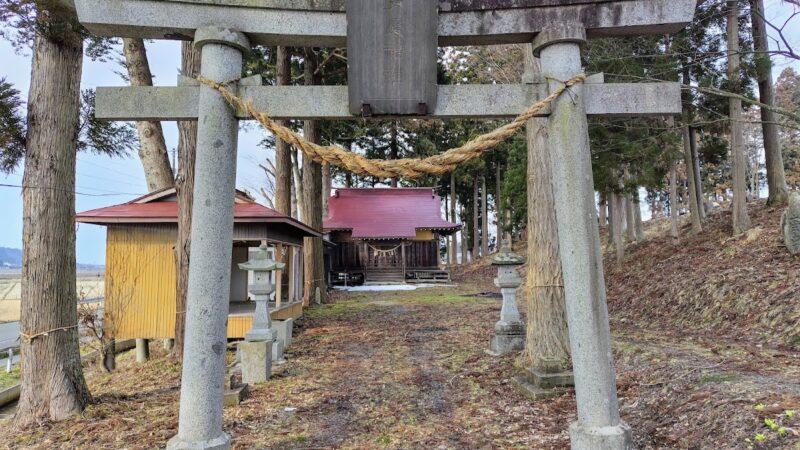
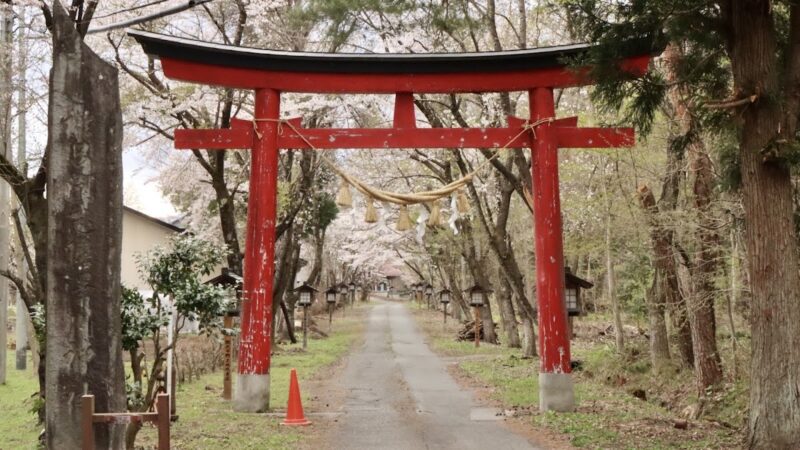
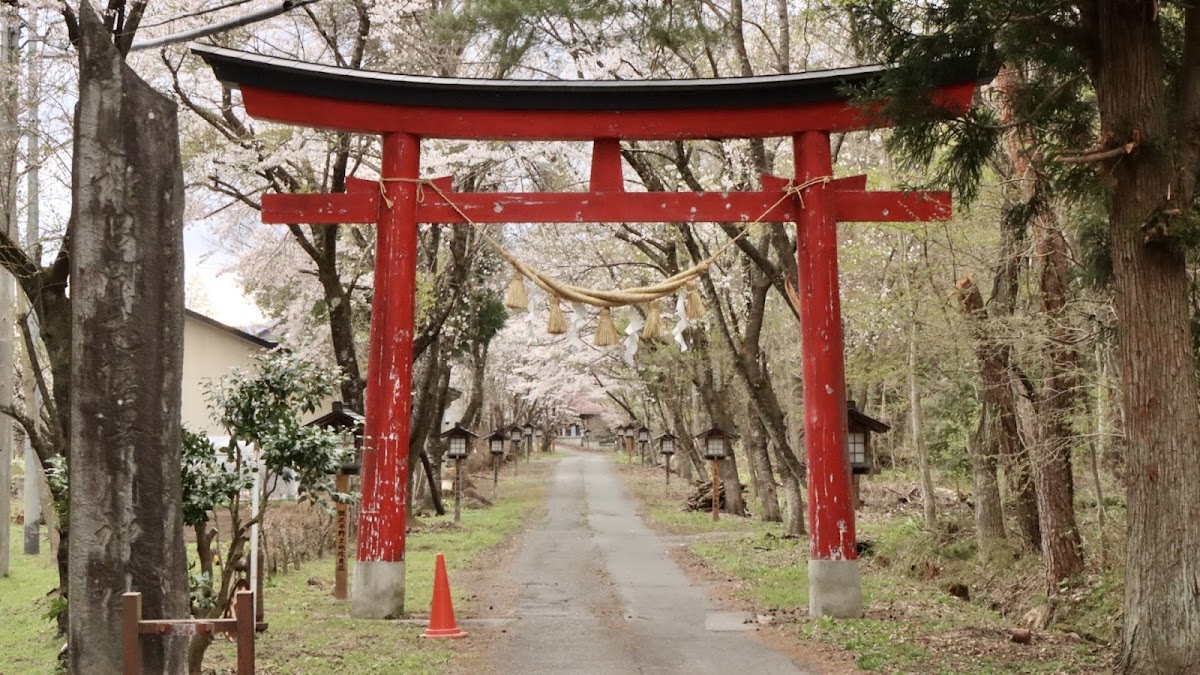
The entrance to the shrine is located a short distance from National Route 397, and a path leads from there. Passing through the torii gate, you enter a tranquil space where you can hear the sound of the clear waters of the Izawa River. The path is well-maintained, allowing you to enjoy the changing scenery of the shrine grounds throughout the seasons while you pray.
Shrine Buildings
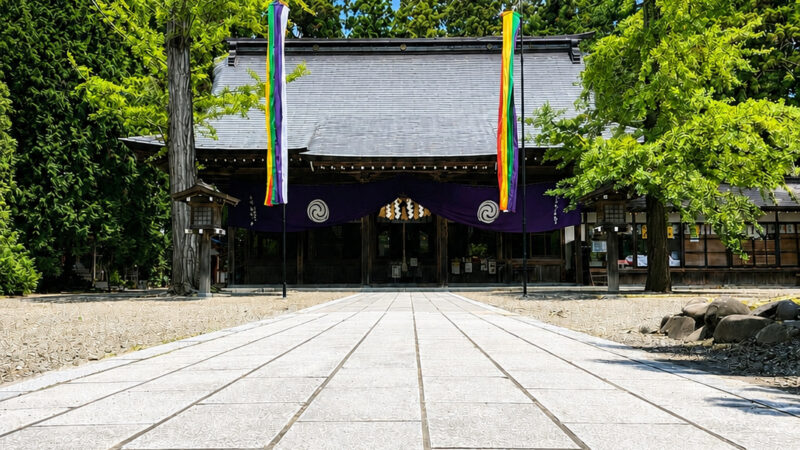
The main shrine building is constructed in the traditional style of Shinto shrine architecture and, along with the worship hall, is the center of local faith. The shrine buildings face the Izawa River, a configuration that reflects the remnants of water deity worship.
Stone Monuments and Subsidiary Shrines
Several stone monuments are erected on the grounds, indicating that it is a Shikinaisha (a shrine listed in the Engishiki, an ancient Japanese legal code), as well as monuments that tell the history of the region. Small shrines are also enshrined within the grounds, reflecting the diverse beliefs of the region.
Sacred Trees and Nature
Ancient trees flourish on the grounds, allowing you to appreciate the beauty of nature throughout the seasons. Especially in spring, the cherry blossoms bloom, and in autumn, the autumn leaves are beautiful, delighting the eyes of visitors.
Cultural Property: About the Shrine Cabinet
The shrine cabinet at Orohashi Izawagawa Shrine is a valuable work of art designated as a cultural property. A shrine cabinet is a small structure used to enshrine a deity or Buddhist statue, and it features exquisite woodworking techniques and decorations.
This shrine cabinet is believed to have been made during the Edo period, and it is a valuable cultural heritage that conveys the advanced skills of the craftsmen of that time. The detailed carvings and coloring speak to the deep faith and cultural richness of the region.
Custom of Praying for a Bountiful Harvest with Snow Camellias
The most distinctive religious custom at Orohashi Izawagawa Shrine is the prayer for a bountiful harvest using snow camellias from Saruiwa Mountain.
Spring Grand Festival (April 29th)
A unique Shinto ritual is performed at the Spring Grand Festival, held annually on April 29th. On this day, parishioners climb Saruiwa Mountain, a cliff 170 meters high, and bring back branches of the wild Saruyama Yukitsubaki (Saruma Mountain Snow Camellia) and bamboo grass.
Saruiwa Mountain is a sacred site considered the object of worship of the Orohashi Shrine, and the snow camellia that grows there has been revered as a vessel for the gods. It was believed that the mountain was the dwelling place of the gods, who descended from there to the villages, brought blessings to the crops, and then returned to the mountains.
Placement at the Water Inlet of Rice Fields
At the shrine, worshippers are given snow camellia branches with amulets. Farmers take these snow camellias and amulets home and place them at the water inlet (minakuchi: the entrance to the water) of their rice fields. This is a traditional custom that serves as a prayer for a bountiful harvest and a purification ritual to ward off insects.
The water inlet is a crucial point for drawing water into the rice paddies, and it was believed that by erecting a sacred snow camellia here, the blessings of the gods, along with the pure water, would spread throughout the entire field.
Fusion of Mountain and Agricultural Worship
This custom represents a unique form of belief in the Tohoku region, a fusion of mountain and agricultural worship. While the belief that mountains are the realm of the gods, and that the power of the gods descending from there to the villages brings agricultural abundance, is found throughout Japan, the snow camellia custom at Orohashi Izawagawa Shrine is particularly concrete and impressive in its continuation.
This custom continues to this day, becoming an important annual event symbolizing the agricultural culture of the Izawa Plain.
Annual Festivals and Events
Orohashi Izawagawa Shrine holds various festivals throughout the year.
Spring Grand Festival (April 29th): This is the most important festival, where snow camellias are distributed.
Autumn Festival (September 12th): This festival, which carries on the traditions of Izawagawa Shrine, features a harvest thanksgiving ceremony. It is an important festival offering gratitude to Mizuhayame-no-Mikoto, the water deity.
These festivals bring together local parishioners, providing an opportunity to reaffirm the shrine’s traditions and community bonds.
Historical Background of the Surrounding Area
Izawa Castle and Sakanoue no Tamuramaro
Izawa Ward in Oshu City, where Orohashi Izawagawa Shrine is located, is an important historical stage from ancient times. In 802 AD (Enryaku 21), Sakanoue no Tamuramaro, the Shogun, built Izawa Castle as a base for his campaign against the Emishi people.
Izawa Castle functioned as the political and military center of Mutsu Province, becoming a key point for the development and governance of the Tohoku region. It is believed that Tamuramaro invited the deity to Izawagawa Shrine in 808 AD (Daido 2) to pray for the stability and development of this region.
Agricultural Development in the Izawa Plain
Agricultural development utilizing the abundant water of the Izawa River has been practiced since ancient times, and the Izawa Plain has developed into one of the leading granaries in the Tohoku region. The Orohashi Izawagawa Shrine has supported the lives of the local people as a center of faith closely linked to this agricultural development.
Even today, the Izawa Plain is known as a producer of high-quality rice, and the shrine’s tradition of water deity worship and prayers for bountiful harvests forms the foundation of the region’s agricultural culture.
Points to Note When Visiting
Etiquette for Visiting
At the Orohashi Izawagawa Shrine, follow the general etiquette for visiting a shrine. Bow before passing through the torii gate, and walk along the edge of the path. Cleanse your hands and mouth at the water basin before proceeding to the main hall, and offer your prayers with two bows, two claps, and one bow.
About Goshuin (Shrine Seals)
The issuance of Goshuin may vary depending on the size and management system of the shrine. We recommend checking before your visit.
Photography
Photography is generally permitted on the shrine grounds, but may be restricted during festivals or inside the main hall. Please observe proper etiquette and be considerate of other visitors.
Seasonal Highlights
Spring (Late April): This is the time of the annual festival, and the cherry blossoms on the grounds are in full bloom. It is a special time when you can receive a snow camellia.
Summer: The gentle murmur of the Izawa River is refreshing, and the lush green grounds are a pleasant place to be.
Autumn: The autumn leaves are beautiful, and a Shinto ritual expressing gratitude for the harvest is held during the annual festival in September.
Winter: You can feel a solemn atmosphere in the tranquil, snow-covered grounds.
Nearby Tourist Attractions
Izawa Castle Ruins
A nationally designated historical site located about 15 minutes by car from Orohashi Izawagawa Shrine. The remains of an ancient castle built by Sakanoue no Tamuramaro still exist and have been developed into a historical park. Visiting in conjunction with a visit to the shrine will allow you to gain a deeper understanding of the history of this region.
Oshu City Archaeological Research Center
Located adjacent to the Izawa Castle ruins, this facility exhibits archaeological discoveries and historical materials from the region. It is an ideal facility for learning about the historical background of the Orohashi Izawagawa Shrine.
Izawa Dam
This is one of Japan’s largest rock-fill dams, located upstream of the Izawa River. The area around the dam lake is a scenic spot rich in nature and is a popular driving route.
Access Details
Public Transportation
The nearest station is Mizusawa Station on the JR Tohoku Main Line. From the station, you can take a bus or taxi.
Bus: From Mizusawa Station, take the Iwate Kotsu bus bound for “Izawa” and get off at the “Wakayanagi” bus stop, then walk for about 5 minutes. Since the number of buses is limited, it is recommended to check the timetable in advance.
Taxi: Approximately 20 minutes from Mizusawa Station, fare approximately 3,000 yen.
By Car
Tohoku Expressway: Approximately 25 minutes from Mizusawa IC via National Route 4, Prefectural Route 197, and National Route 397.
Parking: There is parking space for visitors on the shrine grounds. Please be aware of the surrounding conditions during busy times such as the annual festival.
Navigation Settings
You can search using the address “48 Shimosekibukuro, Wakayanagi, Isawa-ku, Oshu City, Iwate Prefecture”. There are signs along National Route 397.
The Modern Significance of Orohashi Isawagawa Shrine
Orohashi Isawagawa Shrine is not merely a historical relic, but a living place of faith deeply connected to the local community.
Center of the Local Community
The shrine serves as the local guardian deity, a spiritual anchor for residents. The annual festival and other annual events are important opportunities for local people to gather and reaffirm their bonds. ### Inheritance of Agricultural Culture
The custom of praying for a bountiful harvest with snow camellias is still practiced in modern agriculture. Even in today’s mechanized world, the traditional values of reverence and gratitude towards nature are preserved.
Re-evaluation of Cultural Value
In recent years, the value of unique regional beliefs, customs, and traditional cultures has been re-evaluated. The snow camellia custom at Orohashi Izawagawa Shrine is attracting academic attention as a unique culture of the Tohoku region, blending mountain worship and agricultural beliefs.
Potential as a Tourism Resource
With its historical value as a Shikinaisha (a shrine listed in the Engishiki), unique beliefs, and beautiful natural environment, Orohashi Izawagawa Shrine has great potential as a tourism resource. The number of visitors interested in history and culture is increasing, contributing to regional revitalization.
Summary
Orobeshi Izawagawa Shrine is a Shikinaisha (a shrine listed in the Engishiki, an ancient Japanese legal code) with a long history dating back to the time of Sakanoue no Tamuramaro. It is a valuable shrine that preserves a unique form of worship, a fusion of water deity worship and mountain worship.
The traditions of Orobeshi Shrine and Izawagawa Shrine, which merged in 1871 (Meiji 4), are still carefully preserved today. In particular, the prayer for a bountiful harvest of snow camellias during the spring festival is noteworthy as a beautiful custom unique to this region.
Nestled quietly on the banks of the Izawagawa River, this shrine is a special place where ancient history, abundant nature, and the deep faith of the local people come together. It is one of the shrines we highly recommend visiting when you come to Iwate Prefecture.
We hope that through your visit, you will feel a sense of awe towards the history, culture, and nature of the Tohoku region.