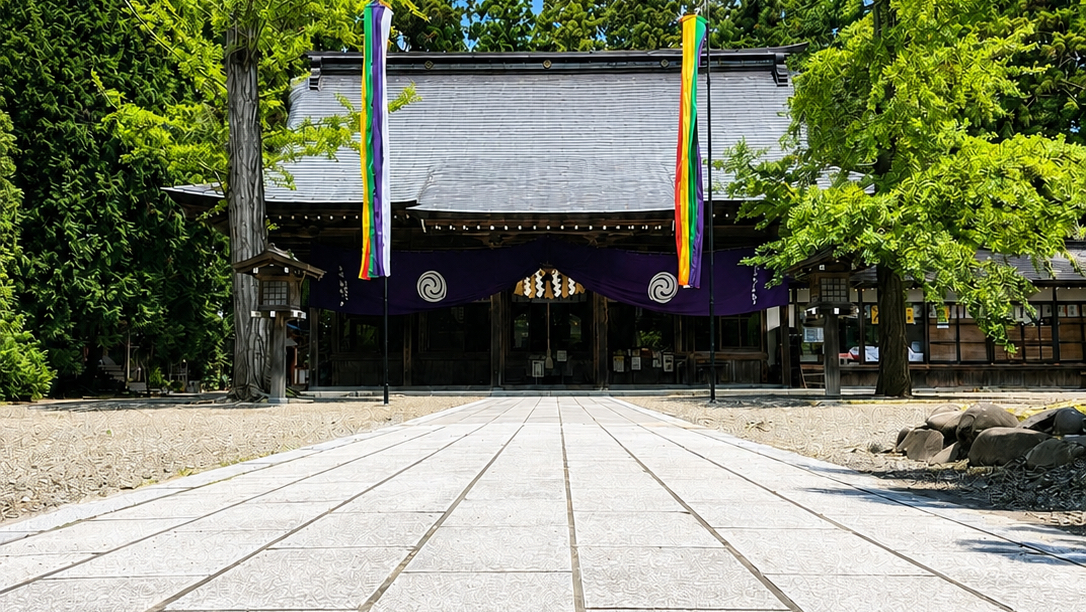
Chinjufu Hachimangu Shrine (Oshu City, Iwate Prefecture) Complete Guide | History, Goshuin (Shrine Seal), and Access Information
Chinjufu Hachimangu Shrine, located in Mizusawa, Oshu City, Iwate Prefecture, is a venerable shrine with a history of over 1200 years, said to have been founded in 802 AD. With its founding by Sakanoue no Tamuramaro, records of visits by Minamoto no Yoritomo, and deep connections to the Oshu Fujiwara clan, it remains an indispensable and important shrine in the history of Tohoku, welcoming many visitors even today.
This article comprehensively introduces information you should know before visiting Chinjufu Hachimangu Shrine, including its historical background, enshrined deities, highlights within the grounds, goshuin information, annual festivals, and detailed access methods.
History and Origins of Chinjufu Hachimangu Shrine
Background of its Founding and Sakanoue no Tamuramaro
Chinjufu Hachimangu Shrine is said to have been founded in 802 AD (Enryaku 21) by Sakanoue no Tamuramaro, the Shogun. At that time, the imperial court was working to pacify the Tohoku region, and Tamuramaro, who built Izawa Castle (present-day Mizusawa Ward, Oshu City), is said to have invited Hachiman, the god revered as a war god, to the shrine to pray for the protection of the land and the peace of the people.
Izawa Castle was a frontline base for the administration of Tohoku in the early Heian period and an important location where the Chinjufu (military headquarters) was established. The name Chinjufu Hachimangu Shrine originates from the fact that it is a Hachiman shrine located within this Chinjufu.
Former Name “Izawa Hachimangu” and Historical Changes
Chinjufu Hachimangu Shrine was formerly also known as “Izawa Hachimangu.” “Izawa” is an older spelling of Izawa, and the shrine has long been revered as a central Hachiman shrine in the region.
During the late Heian period, it received the patronage of the Oshu Fujiwara clan, and the Azuma Kagami records that Minamoto no Yoritomo himself visited the shrine during his conquest of Oshu. In September of Bunji 5 (1189), Yoritomo is said to have visited the Hachiman shrine located in the Izawa County garrison to give thanks for his victory. This record indicates that the Chinjufu Hachiman shrine was an extremely important religious center in the Tohoku region at that time.
Shrine Ranking and Present Status in Modern Times
Under the Meiji era’s shrine ranking system, the Chinjufu Hachiman shrine was ranked as a prefectural shrine. This means it was recognized as one of the most prestigious shrines in Iwate Prefecture.
Even today, it is designated as an important cultural property of Oshu City and an “Oshu Heritage” site, protected as a valuable entity that conveys the history and culture of the region to the present day.
Deities and Divine Virtues
Hachiman-Ōkami (Emperor Ōjin)
The principal deity of Chinju-fu Hachiman-gū is Hachiman-Ōkami. Hachiman-Ōkami is generally considered a collective term for three deities centered around Emperor Ōjin.
Emperor Ōjin was the 15th Emperor of Japan, known for his military prowess, and has been revered since ancient times as a god of war and archery. He is also worshipped as a guardian deity of industry and the economy due to his contributions to industrial development and cultural advancement.
Empress Jingū
Empress Jingū, the mother of Emperor Ōjin, is also enshrined as a deity. Empress Jingū is known for the legend of her conquest of the Three Kingdoms of Korea and is widely worshipped as a goddess of safe childbirth and child-rearing, as well as a goddess of victory and protection against evil.
Ichikishima-hime no Mikoto
Ichikishima-hime no Mikoto, one of the three Munakata goddesses, is also enshrined here. She is known as the goddess of maritime safety, traffic safety, and blessings for performing arts and wealth, and is revered as a beautiful goddess.
Divine Virtues and Faith
Chinjufu Hachimangu Shrine is believed to possess the following divine virtues:
- Academic Achievement and Passing Exams: Many students visit the shrine as it is considered the god of wisdom and learning.
- Industrial and Economic Prosperity: Business owners pray for business success and prosperity.
- Protection from Misfortune and Evil Spirits: As the guardian deity of Oshu, it wards off calamities.
- Victory and Long-Lasting Military Fortune: Traditional faith as a god of war.
- Safe Childbirth and Child-Rearing: Benefiting from the divine virtues of Empress Jingu.
- Traffic Safety: The protection of Ichikishimahime-no-Mikoto.
Highlights of the Shrine Grounds
Shrine Buildings and Architectural Style
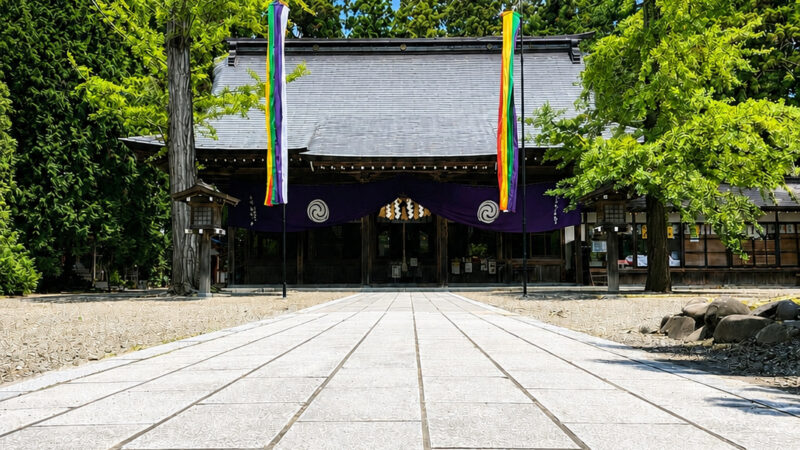
The shrine buildings of Chinjufu Hachimangu Shrine, while having undergone several reconstructions throughout its long history, still preserve the traditional style of shrine architecture. The main hall is built in the Nagare-zukuri style, and together with the worship hall, it exudes a solemn atmosphere.
The shrine grounds are enveloped in a tranquil atmosphere, offering a sacred space far removed from the hustle and bustle of the city, providing peace of mind to visitors.
Subsidiary Shrines and Auxiliary Shrines
Several subsidiary shrines are situated around the main shrine, each preserving its own unique beliefs. It is believed that visiting these subsidiary shrines as well allows one to receive deeper divine blessings.
Sacred Trees and Natural Environment
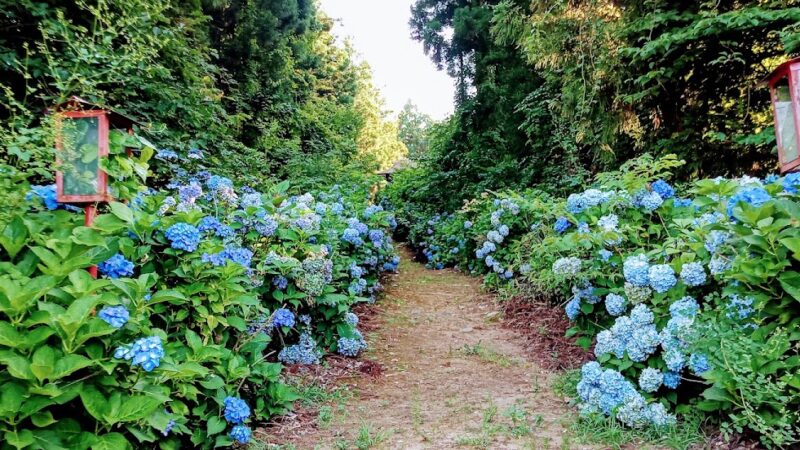
The shrine grounds retain abundant nature, including sacred trees estimated to be several hundred years old. The scenery is beautiful throughout the seasons, and especially during the fresh green season and the autumn foliage season, one can enjoy the shrine’s harmonious integration with nature.
Approach and Torii Gate
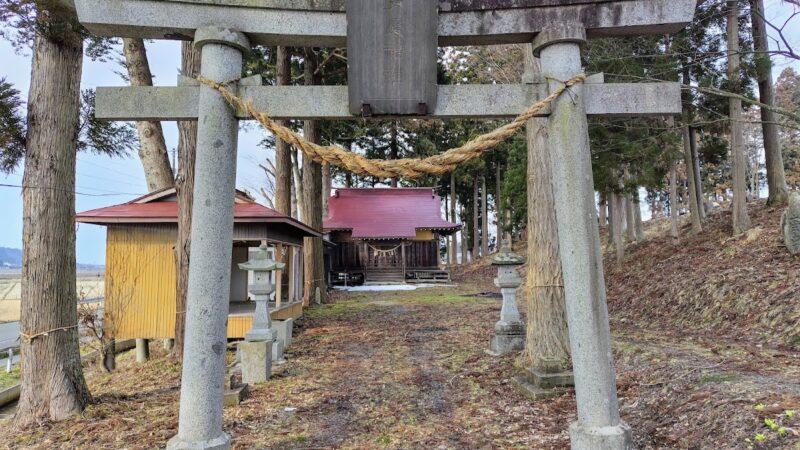
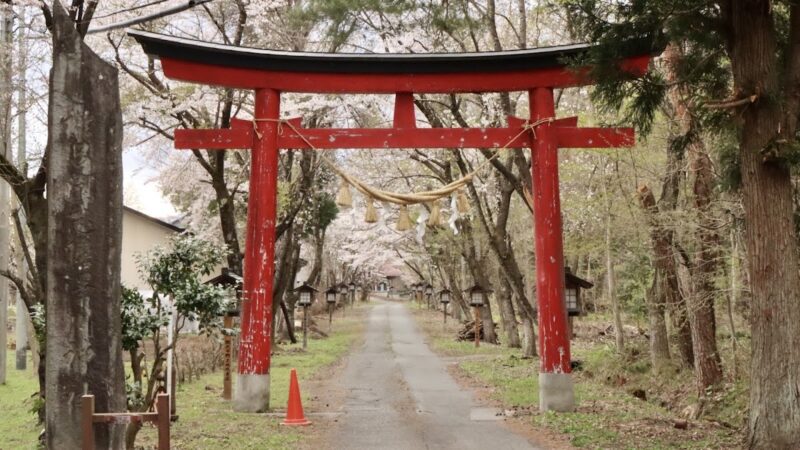
The approach is of a suitable length, providing ample distance to shift one’s mindset from the secular world to the sacred realm. Passing through the torii gate and walking along the gravel path is an important space for preparing oneself for worship.
Goshuin (Shrine Seal) of Chinjufu Hachimangu Shrine
Characteristics of the Goshuin
Chinjufu Hachimangu Shrine offers goshuin as proof of worship. The goshuin features the calligraphy of “Chinjufu Hachimangu” and the shrine’s seal.
The goshuin is not merely a commemorative stamp, but a symbol of a connection with the deity and a cherished record of your visit. When receiving one, be sure to complete your prayers and request it respectfully.
Goshuin Reception Hours and Location
Goshuin are available at the shrine office. Reception hours are usually from 9:00 AM to around 4:00 PM, but may change due to festivals or religious ceremonies.
The offering fee is generally around 300 to 500 yen. You can bring your own goshuin book or receive a pre-printed goshuin.
Manners for Receiving a Goshuin (Shrine Stamp)
- First, complete your prayers.
- Politely request a Goshuin at the shrine office.
- Hand over your Goshuin book open.
- Wait quietly while the stamp is being written.
- Prepare the exact amount for the offering to avoid needing change.
- Express your gratitude upon receiving the stamp.
Annual Festivals and Events
Chinjufu Hachimangu Shrine holds various festivals and events throughout the year. Here are some of the main events:
New Year’s Day Festival (January 1st)
This festival welcomes the new year and prays for the prosperity of the Imperial Family, the peace and security of the nation, and the prosperity of parishioners and worshippers. The shrine is bustling with many visitors on New Year’s Day.
Setsubun Festival (Around February 3rd)
Held the day before the beginning of spring, the Setsubun Festival includes Shinto rituals such as bean-throwing, and prayers are offered for good health and protection from evil throughout the year.
Spring Grand Festival (April)
An important festival celebrating the arrival of spring and praying for a bountiful harvest and the prosperity of the community.
Summer Purification Ceremony (June 30th)
A Shinto ritual to purify oneself of sins and impurities accumulated over the past six months and pray for good health and protection from illness for the remaining half of the year. Sometimes includes a ritual of passing through a ring of reeds.
Autumn Grand Festival (September)
One of the most important festivals of the year, expressing gratitude for the harvest and praying for the prosperity of the community. Sometimes includes a portable shrine procession and offering ceremonies.
Shichi-Go-San Festival (November)
A ceremony to express gratitude for children’s growth and pray for their continued healthy development. It is a lively event attended by many families.
Year-End Purification Ceremony (December 31st)
A Shinto ritual to purify oneself of sins and impurities accumulated over the past year and welcome the new year with a refreshed heart.
Location and Basic Information
Address
Official Name: Chinjufu Hachimangu Shrine
Location: 12 Miyanouchi, Sakuragawa, Mizusawa-ku, Oshu City, Iwate Prefecture
Postal Code: 〒023-0003
Telephone Number: Please check the shrine’s official website or the Oshu City Tourism Association.
Shrine Rank and Affiliation
- Former Shrine Rank: Prefectural Shrine
- Affiliation: Association of Shinto Shrines, Iwate Prefecture Shrine Association
- Certification: Oshu Heritage
Visiting Hours
The shrine grounds are generally open at all times, but the shrine office is open from 9:00 AM to around 4:00 PM. Those wishing to receive a Goshuin (shrine stamp) or prayers are advised to visit during these hours.
Parking
There is parking available for visitors around the shrine grounds. Due to limited spaces, congestion is expected during festivals.
Access Methods
Nearest Station/Train Access
JR Tohoku Main Line “Mizusawa Station” is the nearest station.
- From Mizusawa Station to Chinjufu Hachimangu Shrine: Approximately 3.5 km
- On foot: Approximately 45 minutes
- By taxi: Approximately 10 minutes
If using the Tohoku Shinkansen:
- Get off at “Mizusawa-Esashi Station” and transfer to a local train to Mizusawa Station (approximately 15 minutes)
- Or take a taxi from Mizusawa-Esashi Station (approximately 20 minutes)
Nearest Bus Stop/Route
If using Iwate Kotsu Bus:
- Take a bus bound for “Sakuragawa” from in front of Mizusawa Station
- Get off at the “Sakuragawa” bus stop and walk for approximately 5 minutes
Since the number of buses is limited, we recommend checking the timetable in advance. Please also check the Iwate Kotsu official website and the Oshu City community bus information.
Access by Car
Access from Tohoku Expressway:
- Exit at “Mizusawa IC”
- Approximately 10 minutes via National Route 4
- Set your car navigation system to “Chinjufu Hachimangu Shrine” or the address “12 Miyanouchi, Sakuragawa, Mizusawa-ku, Oshu City”
From Sendai:
- Head north on the Tohoku Expressway and exit at Mizusawa IC (approximately 90 minutes)
From Morioka:
- Head south on the Tohoku Expressway and exit at Mizusawa IC (approximately 50 minutes)
Nearby Tourist Attractions
When visiting Chinjufu Hachimangu Shrine, you can also visit nearby tourist attractions:
- Izawa Castle Ruins: The remains of an ancient castle where the Chinjufu (military headquarters) was located (approximately 10 minutes by car)
- Shobo-ji Temple: An ancient Soto Zen temple and a nationally important cultural property (approximately 15 minutes by car)
- Mizusawa Park: Known as a famous cherry blossom viewing spot (approximately 5 minutes by car)
- Oshu City Samurai Residence Museum: Preserves the samurai culture of Mizusawa (approximately 7 minutes by car)
Manners and Etiquette for Visiting Shrines
How to Pass Through a Torii Gate
The torii gate is the entrance to the sacred area. Bow before passing through, and walk along the side of the path, avoiding the center (the center is considered the path of the gods).
Proper Ritual for Washing Hands
- Hold the ladle in your right hand and wash your left hand.
- Switch the ladle to your left hand and wash your right hand.
- Switch the ladle back to your right hand, receive water in your left hand, and rinse your mouth.
- Wash your left hand once more.
- Hold the ladle upright, let the water flow down the handle, and return it to its original place.
Proper Ritual for Worshiping at the Main Hall
Two bows, two claps, one bow is the basic ritual:
- Place your offering in the offering box.
- Ring the bell if there is one.
- Bow deeply twice.
- Clap your hands twice.
- Pray sincerely.
- Finally, bow deeply once.
Significance of Visiting Chinjufu Hachimangu Shrine
Historical Value
Chinjufu Hachimangu Shrine is a valuable cultural heritage site that conveys the ancient history of the Tohoku region to the present day. Founded by Sakanoue no Tamuramaro, visited by Minamoto no Yoritomo, and connected to the Oshu Fujiwara clan, this shrine plays a significant role in Japanese history, making it a fascinating place for history buffs.
Spiritual Healing and a Power Spot
Chinjufu Hachimangu Shrine, which has received prayers from people for over 1200 years, is also known as a powerful spiritual spot. In its tranquil grounds, you can calm your mind and have time to reflect on yourself, away from the hustle and bustle of everyday life.
Interacting with Local Culture
By participating in festivals and events, you can experience the traditional culture of Oshu City and interact with the local community. You will be able to feel firsthand the form of faith that the local people have carefully preserved.
Points to Note When Visiting
Regarding Attire
While there are no strict dress code regulations for visiting the shrine, please dress neatly and cleanly, as you are going to meet the gods. If you are receiving a prayer, more formal attire is preferable.
Regarding Photography
Photography is generally permitted within the shrine grounds, but there are areas and situations where photography is restricted, such as inside the main hall or during religious ceremonies. If unsure, please check with the shrine office. Also, please be considerate of other visitors.
Weather and Seasons
Winter in Iwate Prefecture brings snowfall, so please take sufficient precautions against the cold and ensure your footing is safe when visiting during the winter months. The approach to the shrine may be icy.
You can enjoy the beautiful scenery of the shrine grounds in each of the four seasons: the fresh greenery of spring, the deep green of summer, the autumn foliage, and the snowy landscape of winter.
Summary
Chinjufu Hachimangu Shrine is a historical and prestigious shrine located in Oshu City, Iwate Prefecture. Since its founding in 802 AD (Enryaku 21), it has watched over the Tohoku region for over 1200 years.
The historical anecdotes of its founding by Sakanoue no Tamuramaro and the visit of Minamoto no Yoritomo, the divine blessings for academic success, industrial prosperity, and protection from evil, and the tranquil and sacred atmosphere of the shrine grounds leave a deep impression on visitors.
You can also receive a Goshuin (shrine stamp), and various festivals are held throughout the year, so you’ll discover something new each time you visit. It’s relatively easy to access from JR Mizusawa Station, and by car it’s only about 10 minutes from the Mizusawa Interchange on the Tohoku Expressway.
When you visit Oshu City, be sure to visit Chinjufu Hachimangu Shrine and experience its timeless history and sacred atmosphere. It will surely be a wonderful and soul-cleansing experience.