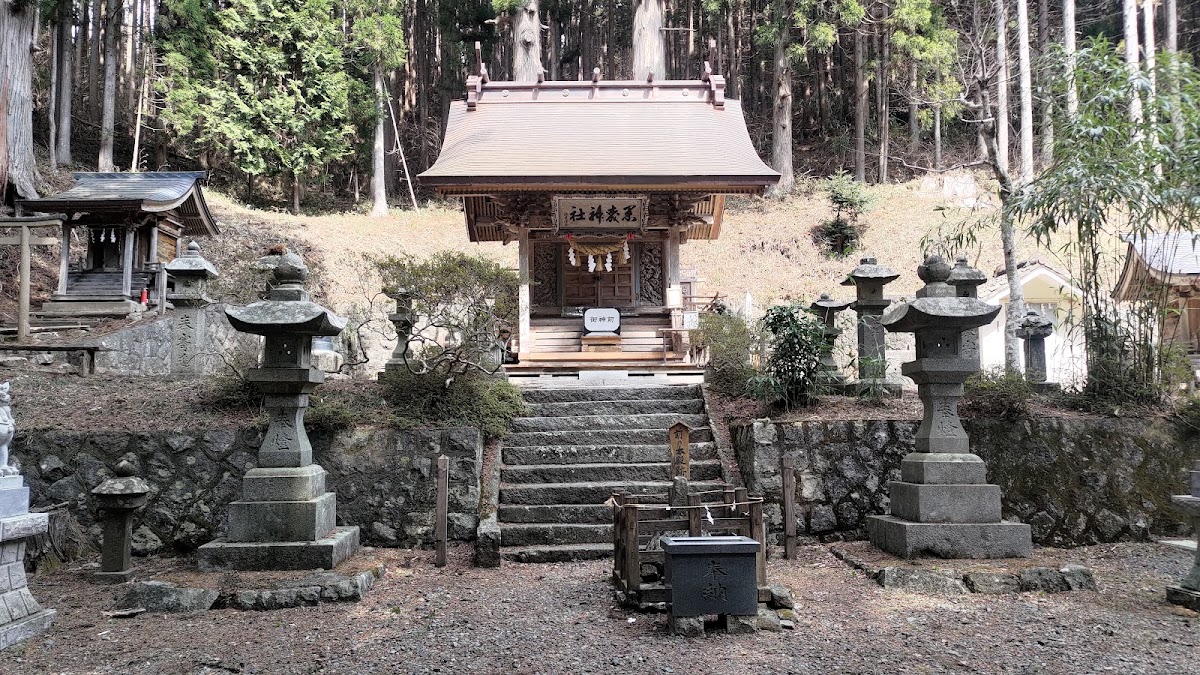
Kuromori Shrine (Miyako City, Iwate Prefecture) Complete Guide | History, Kuromori Kagura, and Access Information
Kuromori Shrine, located on Mount Kuromori in Miyako City, Iwate Prefecture, is a sacred mountain shrine that has long been revered in the Sanriku coastal region. It is known as the birthplace of Kuromori Kagura, a nationally designated Important Intangible Folk Cultural Property, and houses numerous “Gongen-sama” lion heads, designated cultural properties of Iwate Prefecture. This article provides a detailed explanation of Kuromori Shrine’s history, enshrined deities, Kuromori Kagura, visiting information, and access methods.
History and Origins of Kuromori Shrine
Formation of the Sacred Mount Kuromori
Mount Kuromori is approximately 330 meters high (some sources say 311 meters) and is located north of Miyako city. As its name suggests, it was once covered with giant trees, forming a dense forest that was dark even during the day, hence the name “Kuromori” (black forest).
A large cedar tree stands on the mountaintop, serving as an important landmark (a guide mountain) for fishermen navigating Miyako Bay. For this reason, Mount Kuromori has a history of being widely revered by fishermen and local people as a mountain protecting fishing and trade along the Sanriku coast.
The Era of Shinto-Buddhist Syncretism
Mount Kuromori has long been a sacred mountain worshipped throughout the Hei region. From the Heian period to the Kamakura period, influenced by the syncretism of Shinto and Buddhism, it flourished as a place of worship for the salvation of humankind by bodhisattvas.
At that time, it also functioned as a training ground for Shugendo practitioners, with a group of Shugendo mountain ascetics, led by the Kuromori Shrine’s chief priest (a Buddhist monk managing the shrine), operating from Mount Kuromori. These Shugendo mountain ascetics would later become the inheritors of the Kuromori Kagura, which will be discussed later.
Kuromori Shrine in the Modern Era
With the Meiji-era separation of Shinto and Buddhism, Kuromori Shrine became an independent Shinto shrine. However, the traditions of Shugendo and the era of syncretism of Shinto and Buddhism have been passed down to the present day in the form of Kuromori Kagura.
The current Kuromori Shrine is located in Kuromori-cho, Yamaguchi, Miyako City, and serves as the local tutelary shrine and the home base of Kuromori Kagura, attracting many worshippers and cultural heritage enthusiasts.
Deities and Beliefs
Deities of Kuromori Shrine
Kuromori Shrine, also known as “Kuromori Daigongen,” possesses a unique form of worship that fuses mountain worship and Shugendo. Gongen is a concept of syncretism of Shinto and Buddhism, where a Buddha appears in the form of a god, illustrating the depth of faith at Kuromori Shrine.
Guardian Deity of Fishing and Maritime Safety
Kuromori Shrine is particularly revered by those involved in the fishing industry and is known as a deity of maritime safety and bountiful catches. Due to the history of Mount Kuromori, which served as a landmark for ships navigating Miyako Bay, it has also been revered as a guardian deity of safe voyages.
Even today, fishermen and shipping operators from the Miyako City area visit the shrine to pray for safety and prosperity.
Guardian Deity of the Region
Kuromori Shrine, revered not only by fishermen but also by people throughout the Hei region, also serves as the guardian deity of the entire area. Worshippers visit with various wishes, including for a bountiful harvest, family safety, and protection from evil.
Kuromori Kagura: Nationally Designated Important Intangible Folk Cultural Property
History and Characteristics of Kuromori Kagura
Kuromori Kagura is a traditional performing art passed down at Kuromori Shrine and designated as a Nationally Designated Important Intangible Folk Cultural Property. Originally, it was presided over by the head priest of Kuromori Shrine and passed down by a group of Shugendo mountain ascetics who used Mount Kuromori as their training ground.
While Kagura is a form of song and dance performed as a Shinto ritual, Kuromori Kagura has a unique style that strongly reflects the influence of Shugendo. Characterized by powerful dances, drumming, and a solemn atmosphere, it invites viewers into a mystical world.
Current Kuromori Kagura
Currently, Kuromori Kagura is being carried on by volunteers in Miyako City and Omoto, Iwaizumi Town. Members of local cultural heritage preservation groups and Kagura preservation societies continue their activities to pass on the traditional techniques and spirit to the next generation.
Kuromori Kagura is performed regularly, especially during Shinto rituals such as the annual festival, where it is showcased in shrine grounds and local venues. Its powerful dances are highly regarded as a representative folk art of Iwate Prefecture.
Kuromori Kagura Repertoire
Kuromori Kagura has numerous repertoire, each with its own meaning and story. A variety of content has been passed down, including dances depicting the descent of gods, dances praying for a bountiful harvest, and dances to ward off evil spirits.
In particular, “Gongen-mai” is a representative repertoire of Kuromori Kagura, characterized by its magnificent dance using a lion’s head. This lion’s head is the “Gongen-sama” that we will introduce next.
Gongen-sama: A Lion’s Head Designated as an Iwate Prefecture Cultural Property
What is Gongen-sama?
Kuromori Shrine preserves numerous lion’s heads called “Gongen-sama,” which are designated as cultural properties of Iwate Prefecture. These lion’s heads are used in Kuromori Kagura (sacred Shinto dance) and are a testament to a long history and faith.
The lion’s heads are carved from wood and are beautifully crafted with gold leaf and coloring. Their powerful expressions, with their mouths wide open, are believed to ward off evil spirits and invite good fortune.
The Faith in Gongen-sama
Gongen-sama are not merely tools for Kagura; they are objects of worship in themselves. The spiritual power residing in the lion’s heads has been believed to bring benefits such as protection from evil, healing from illness, and safety for the family.
During Kagura performances, there is a ritual called “head-biting,” where audience members have their heads “bitten” by the lion’s head, which is believed to grant them good health and protection from illness.
Kuromori Shrine Grounds and Highlights
Approach and Shrine Building
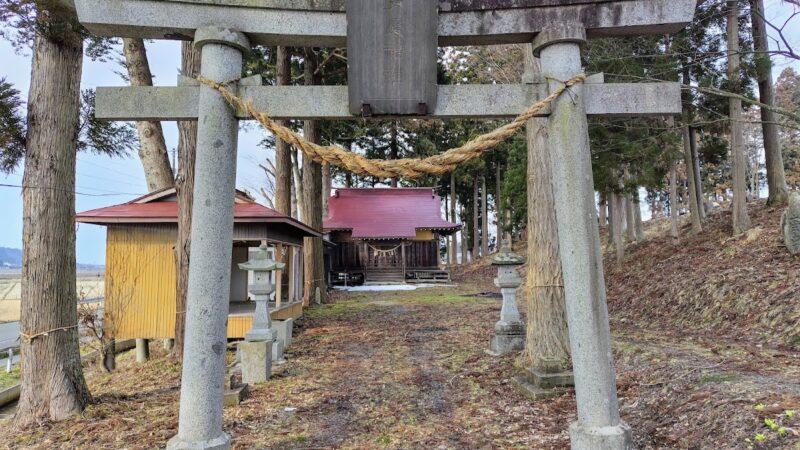
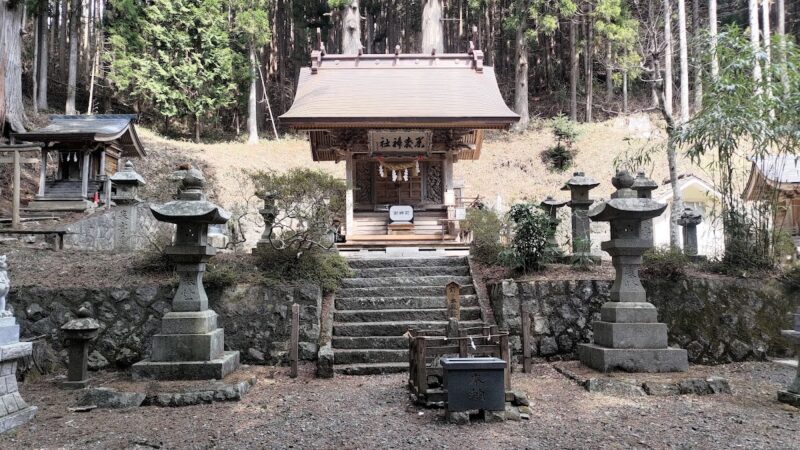
To reach Kuromori Shrine, you ascend the approach path that leads up the mountainside of Mount Kuromori. The path, nestled in a forest of pine, cedar, and fir trees, is enveloped in a mystical atmosphere.
The shrine building is located on the mountainside, surrounded by a deep forest. The simple yet solemn appearance of the shrine building evokes a sense of its long history.
Old Approach and Old Kuromori
The old approach path, now rarely used, remains. Following this old path leads to “Old Kuromori,” the birthplace of Kuromori Shrine.
Old Kuromori is the original site of worship for Kuromori Shrine and an important place for understanding the shrine’s history. While few visitors come here, it’s a must-see spot for history enthusiasts.
Site of Kappa Pond
The site of “Kappa Pond” is also located along the old approach path. Legend says that kappa (water imps) once lived in this swamp, offering a glimpse into local folk beliefs.
Although it no longer exists as a swamp, traces of the wetland remain, creating a unique atmosphere where the nature of Mount Kuromori and the legend blend together.
Festivals and Events of Kuromori Shrine
Annual Grand Festival
Kuromori Shrine holds its annual grand festival once a year. The festival features a performance of Kuromori Kagura (sacred dance and music), attracting many worshippers and spectators.
On the day of the festival, after a Shinto ritual by the priests, the Kuromori Kagura Preservation Society performs the Kagura. The Kagura, performed on the shrine grounds and in specially constructed venues, is a major annual highlight for the local community.
Other Shinto Rituals
In addition to the annual grand festival, various Shinto rituals are held throughout the year. Seasonal festivals such as the New Year’s Day Festival, Spring Festival, and Autumn Festival support the local faith.
These Shinto rituals are attended by local residents, demonstrating the strong connection between the shrine and the community.
Location and Basic Information
Location
Address: Kuromori-cho, Yamaguchi, Miyako City, Iwate Prefecture
Kuromori Shrine is located on the mountainside of Mt. Kuromori, north of Miyako city center. It is approximately a 10-15 minute drive from the city center.
Visiting Hours
As Kuromori Shrine is an outdoor shrine, visits are generally free. However, visiting at night or during bad weather is not recommended for safety reasons. Visiting during daylight hours is recommended.
Shrine Office and Goshuin (Shrine Seals)
Goshuin (shrine seals) can be obtained at Kuromori Shrine. However, since there may not always be a resident priest, it is recommended to check in advance.
Those wishing to obtain a Goshuin should check with the Miyako City Shrine Association or related shrines for information.
Access Information
Nearest Station and Railway Access
Nearest Station: JR Yamada Line “Miyako Station”
The distance from Miyako Station to Kuromori Shrine is approximately 4-5 kilometers. Using a local bus or taxi from the station is convenient.
Access by Bus
Iwate Kenpoku Bus operates from in front of Miyako Station. Take a bus bound for Kuromori, get off at the nearest bus stop, and then walk to the shrine.
Since bus service is limited, it is recommended to check the timetable in advance.
Access by Car
From Tokyo:
- Take the Tohoku Expressway north and exit at Morioka IC.
- Take National Route 106 to Miyako City (approx. 2 hours).
- From Miyako city center, head towards Kuromori (approx. 10 minutes).
From Sendai:
- Take the Sanriku Expressway towards Miyako.
- From Miyako city center, head towards Kuromori.
Parking
There is parking space for visitors near Kuromori Shrine. However, congestion is expected during events such as the annual festival, so early arrival is recommended.
Since parking capacity is limited, please consider using public transportation.
Nearby Tourist Attractions
Jodogahama Beach
Jodogahama Beach, a representative scenic spot of Miyako City, is approximately 15 minutes by car from Kuromori Shrine. Its beautiful contrast between the white rock face and the blue sea makes it a representative landscape of the Sanriku Reconstruction National Park.
At the Jodogahama Visitor Center, you can learn about the nature and culture of Sanriku, and also obtain information about Kuromori Shrine.
Miyako City Center
Miyako city center retains the atmosphere of a port town overlooking Miyako Bay. Restaurants serving fresh seafood and facilities where you can learn about the region’s history are scattered throughout.
In particular, the Miyako Fish Market and the roadside station are recommended for purchasing Sanriku seafood after visiting the shrine.
Sanriku Coast
Miyako City is one of the central cities of the Sanriku coast. It is a region where you can experience the beautiful scenery of the ria coast, fresh seafood, and the history of recovery from the Great East Japan Earthquake.
You can enjoy driving and sightseeing along the Sanriku coast in conjunction with visiting Kuromori Shrine.
Guidelines for Visiting Kuromori Shrine
Shrine Visiting Etiquette
Since Kuromori Shrine is located on the mountainside, please observe the following points when visiting:
- Attire: Wear comfortable clothing and walking shoes as you will be walking on mountain paths.
- Approach to the Shrine: The approach to the shrine is the path of the gods. Avoid the center and walk along the sides.
- Purification: If there is a purification fountain, cleanse your hands and mouth before praying.
- Bow: Pray using the two bows, two claps, and one bow method.
- Photography: Refrain from taking photographs inside the shrine building. Please be considerate when taking photographs within the shrine grounds.
Seasonal Precautions
Spring/Summer: Take precautions against insects. Don’t forget to stay hydrated.
Autumn: While the autumn leaves are beautiful, fallen leaves can make the ground slippery.
Winter: There is a possibility of snow and ice. Visiting in winter requires adequate equipment and caution.
Kuromori Shrine and Miyako’s Culture
A Faith Rooted in the Community
Kuromori Shrine is not merely a tourist attraction; it is a place of faith deeply rooted in the lives of the local people. From prayers for the safety of fishermen and local festivals to visits to pray for the healthy growth of children, the shrine is connected to the local community in various ways.
Value as a Cultural Asset
Kuromori Kagura and the lion’s head of the Gongen-sama are not merely traditional performing arts or works of art; they are cultural assets that embody the history and faith of the region. Activities to preserve these and pass them on to future generations are crucial efforts to protect the region’s identity.
Recovery from the Earthquake and Kuromori Shrine
Miyako City suffered significant damage in the 2011 Great East Japan Earthquake. However, because Kuromori Shrine was located on a mountain, it escaped tsunami damage and became a spiritual anchor for the local people.
After the earthquake, performances of Kuromori Kagura became a place to reaffirm hope for recovery and community bonds, demonstrating the power of culture to encourage people.
Contact Information
Inquiries Regarding Kuromori Shrine
For detailed information regarding visits to Kuromori Shrine and Kuromori Kagura (traditional dance), please contact:
Miyako City Tourism Division
- Phone: 0193-62-2111 (Main)
- Located within Miyako City Hall
Miyako City Cultural Affairs Division (Inquiries regarding Kuromori Kagura)
- Information provision regarding cultural properties and traditional performing arts
Iwate Prefecture Shrine Association
- General inquiries regarding detailed information about the shrine and visits
Tourism Information
For general tourism information about Miyako City, the following resources are useful:
Miyako City Tourism Association
- Information on Miyako City’s tourist spots, accommodations, and gourmet food
Jodogahama Visitor Center
- Information on the nature and culture of Sanriku, including Kuromori Shrine
Summary
Kuromori Shrine in Miyako City, Iwate Prefecture, is a sacred shrine nestled in abundant nature. The Kuromori Kagura, a nationally designated Important Intangible Folk Cultural Property, the Gongen-sama lion mask, an Iwate Prefecture designated cultural property, and the faith in the shrine as a guardian deity of fishing and maritime safety, all convey the history and culture of the region to the present day.
When you visit Miyako City, be sure to include a visit to Kuromori Shrine in your itinerary, along with scenic spots such as Jodogahama Beach. Nestled in a deep forest, this shrine offers a valuable experience of connecting with Iwate’s history and culture, as well as the faith of the local people.
The natural beauty of Mount Kuromori, the powerful dance of Kuromori Kagura, the majestic presence of Gongen-sama, and the warm faith of the local people—all these elements come together at Kuromori Shrine, a special place that offers visitors deep emotion and peace of mind.