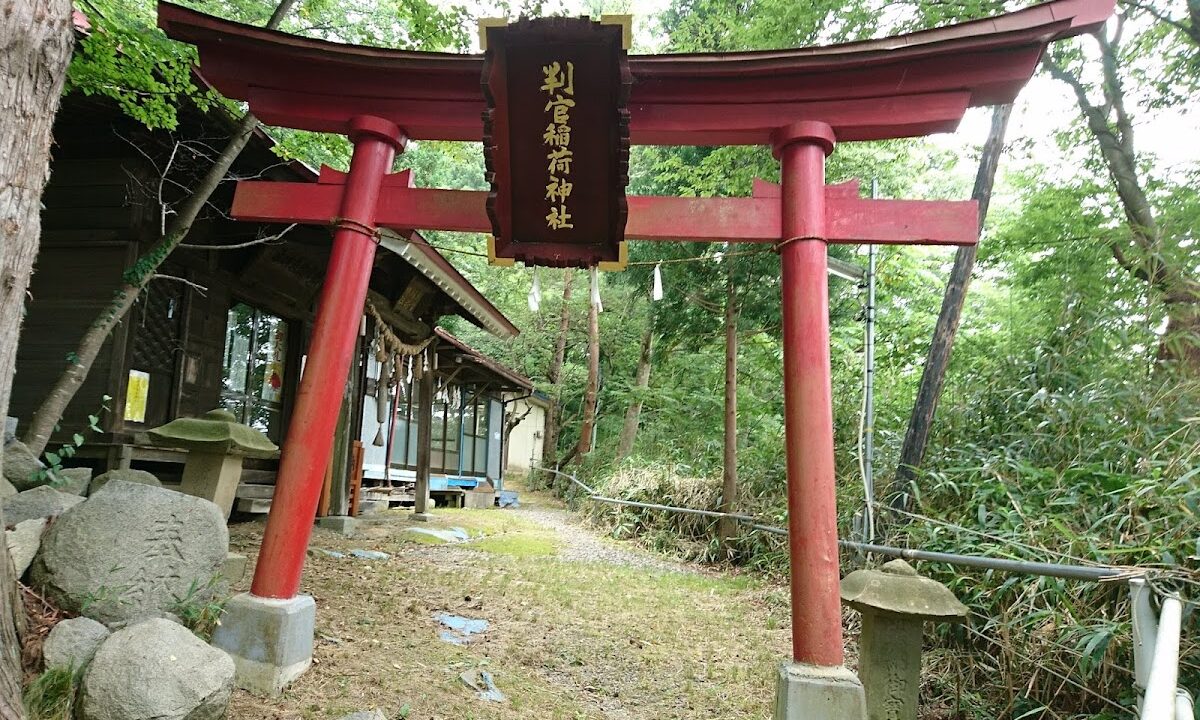
Hangan Inari Shrine (Miyako City, Iwate Prefecture) Complete Guide | The Charm of a Historical Spot Where the Legend of Minamoto no Yoshitsune Comes Alive
Hangan Inari Shrine, located in Miyako City, Iwate Prefecture, is a shrine deeply rooted in the “Legend of Yoshitsune’s Journey North,” related to Minamoto no Yoshitsune, a tragic hero of the late Heian period. While Yoshitsune is generally believed to have committed suicide in Hiraizumi, legends persist throughout Tohoku that he actually fled north, and Hangan Inari Shrine is one of the important historical sites that preserves this legend.
This article provides a detailed explanation of everything you need to know before visiting Hangan Inari Shrine, from its historical background and how to worship, to access information and nearby Yoshitsune legend spots.
What is Hangan Inari Shrine? | A Rare Shrine Dedicated to Minamoto no Yoshitsune
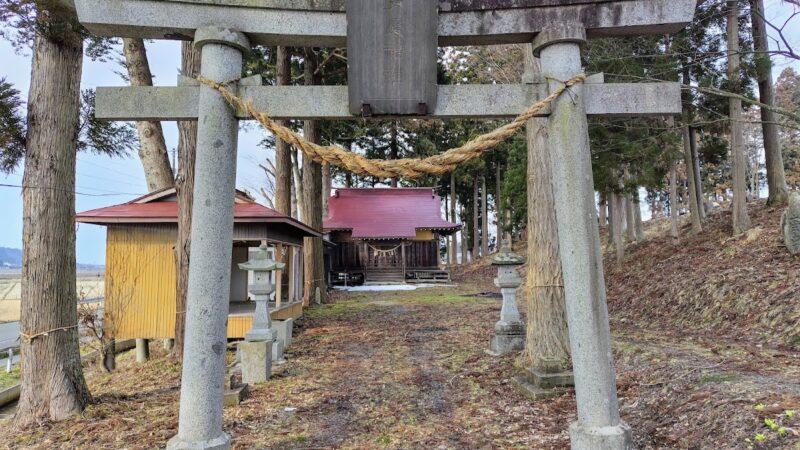
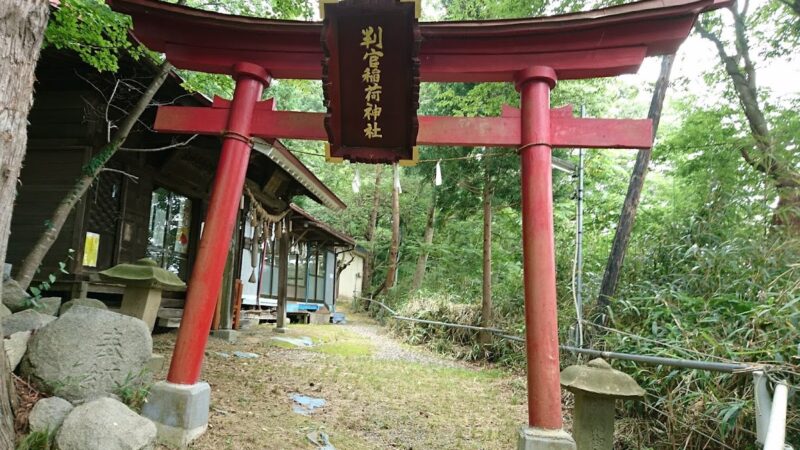
Hangan Inari Shrine is a small shrine located at 6 Sawada, Miyako City, Iwate Prefecture. The name “Hangan” originates from the official title of Minamoto no Yoshitsune, and the most distinctive feature of this shrine is that the enshrined deity is Minamoto no Yoshitsune.
The shrine is located on the side of a small hill called Hangan-yama (also known as Kurodate), next to Jōanji Temple. It’s about a 13-15 minute walk from Miyako Station, approximately 800 meters away, making it easily accessible from the city center.
The Origin of the Shrine and the Legend of Yoshitsune’s Journey North
The origins of Hangan Inari Shrine are deeply intertwined with the “Legend of Yoshitsune’s Journey North.”
Historically, Minamoto no Yoshitsune is said to have committed suicide in 1189 at Koromogawa-kan in Hiraizumi, attacked by Fujiwara no Yasuhira’s forces. However, many legends remain in the Tohoku region, particularly along the coast of Iwate Prefecture, claiming that “Yoshitsune did not actually die but escaped north.”
According to legends passed down in Miyako City, after escaping Hiraizumi, Yoshitsune hid on Mount Kuromori (the site of Kuromori Shrine) in Yamaguchi, Miyako City, and lived in hiding for 3 years and 3 months. Later, in remembrance of Yoshitsune’s virtue as he left Mount Kuromori heading further north, local people built a shrine at the place where Yoshitsune’s armor was buried. This is considered the origin of the Hangan Inari Shrine.
Why is it called an “Inari Shrine”?
Although the shrine’s name includes “Inari,” unlike typical Inari worship (for business prosperity and abundant harvests), Minamoto no Yoshitsune is enshrined here as the deity. This is thought to be the result of a fusion of local beliefs and the legend of Yoshitsune. While borrowing the form of Inari worship, it has essentially functioned as a shrine honoring Yoshitsune.
Highlights and Grounds of Hangan Inari Shrine
Hangan Inari Shrine, though small, possesses a unique atmosphere that evokes a sense of historical romance.
Location of Hanganyama (Kurodate)
Hanganyama, where the shrine is located, was the site of a mountain castle called Kurodate (Kuroda-kan) in the Middle Ages. Its location on the side of a small hill suggests its former strategic military importance, lending credibility to the legend of Yoshitsune’s connection to this area.
Even today, the surrounding area retains undulating terrain reminiscent of the past, making it an ideal location for historical walks.
Relationship with Jōanji Temple
Hangan Inari Shrine is located beside the approach to Miyakoyama Jōanji Temple. When visiting Jōanji Temple, we highly recommend also visiting Hangan Inari Shrine. This adjacent arrangement of a temple and shrine creates an interesting landscape that reflects the syncretism of Shinto and Buddhism.
A Tranquil Worship Space
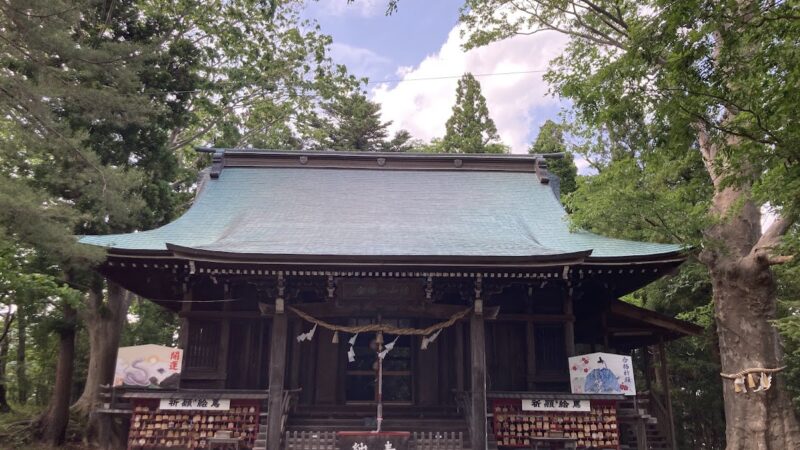
Despite its proximity to the city center, the shrine grounds are enveloped in tranquility, providing a peaceful environment for worship. While not a large shrine, this makes it a precious space for reflecting on the legend of Yoshitsune and contemplating history.
The Legend of Yoshitsune’s Journey North: Between History and Legend
Historical Fact: “He Committed Suicide in Hiraizumi,” But…
Historically, the prevailing theory is that Minamoto no Yoshitsune was attacked by Fujiwara no Yasuhira at Koromogawa Manor in Hiraizumi in 1189 and committed suicide along with his wife and children. Historical records such as the *Azuma Kagami* also describe this, and it is said that Yoshitsune’s head was sent to Kamakura.
However, many mysteries remain surrounding his death, giving rise to legends such as “he actually survived and escaped north” and “he even crossed to the continent and became Genghis Khan.”
Why Did the Legend of Yoshitsune’s Journey North Arise?
There are several reasons why the legend of Yoshitsune’s Journey North remains widespread in the Tohoku region.
- Sympathy for and Popularity of Yoshitsune: The sentiment that it was difficult to accept the death of Yoshitsune, who was loved by the people as a tragic hero.
- Complex Feelings Toward the Oshu Fujiwara Clan: A regional affinity for the Fujiwara clan who sheltered Yoshitsune.
- History of Northern Trade: A trade route actually existed from Hiraizumi to the north (Ezo).
- Regional Identity: A sense of positioning the Yoshitsune legend as a historically valuable part of the region.
A Journey to Encounter an 800-Year-Old Illusion
For us today, the legend of Yoshitsune’s journey north is a historical romance in itself. Regardless of its veracity, this legend, which has been cherished and passed down by local people for over 800 years, possesses undeniable cultural value.
Visiting Hangan Inari Shrine is not merely sightseeing; it can be described as a journey to encounter an 800-year-old illusion. It is a valuable experience that allows you to touch upon the figure of Yoshitsune and the feelings of the people of that time, caught between historical fact and legend.
Key Spots in Miyako City Related to the Legend of Yoshitsune’s Journey North
Besides the Hangan Inari Shrine, Miyako City has several other spots related to the legend of Yoshitsune’s journey north. If you have time, a “Yoshitsune Legend Tour” visiting these sites is highly recommended.
Kuromori Shrine (Yamaguchi, Miyako City)
This shrine is located on Mount Kuromori, where Yoshitsune is said to have hidden for three years and three months, and is the starting point of the legend of Hangan Inari Shrine. It is still sometimes called “Kuromori,” which is believed to originate from Yoshitsune’s childhood name “Ushiwakamaru” or his common name “Kuro.”
The area around Kuromori Shrine is covered in a deep forest, making it a suitable terrain for hiding. Visit and let your imagination run wild as you consider what Yoshitsune thought and what kind of life he led in this place.
Yokoyama Hachimangu Shrine
This is a historical shrine located in Miyako City, and its connection to the Yoshitsune legend has also been pointed out. Many people visit this temple in conjunction with Hangan Inari Shrine, making it a popular part of Miyako’s historical walking tour.
Jōanji Temple
As mentioned above, this temple is located right next to Hangan Inari Shrine. Visiting it in conjunction with the shrine allows for a deeper understanding of the region’s history and culture.
Access | Walking from Miyako Station
Basic Information
- Location: 6 Sawada, Miyako City, Iwate Prefecture 027-0088
- Nearest Station: Miyako Station, JR Yamada Line/Sanriku Railway Rias Line
- Distance from Miyako Station: Approximately 800 meters
- Time Required from Miyako Station: Approximately 13-15 minutes on foot
- Parking: There is no information on a dedicated parking lot, but parking may be available around Jōanji Temple.
Route from Miyako Station
Walking is the most common way to access Hangan Inari Shrine from Miyako Station.
- Exit Miyako Station and head northwest.
- Aim for the border area between Honmachi and Sawada.
- Using Jōanji Temple as a landmark will make it easier to find.
- There is a path leading up to Hanganyama from the side of the approach to Jōanji Temple.
The walking route is relatively flat, but the shrine itself is located on the side of a small hill, so there is a slight uphill slope at the end. We recommend wearing comfortable shoes.
Access by Car
If visiting by car, it is recommended to enter “Jōanji Temple” or “Sawada 6, Miyako City, Iwate Prefecture” into your car navigation system. It is accessible in just a few minutes from Miyako city center.
Points and Precautions for Visiting
Mindset When Visiting
Hangan Inari Shrine is a small shrine, so there may not be a permanently staffed shrine office. If you wish to receive a Goshuin (shrine stamp), we recommend checking the information in advance.
While you are free to visit, please remember that this is a shrine that has been carefully preserved by the local community, and visit with respect.
Best Time to Visit
Hangan Inari Shrine is open year-round, but the following times are especially recommended:
- Spring (April-June): Beautiful fresh greenery and pleasant weather for walking
- Autumn (September-November): Beautiful autumn foliage and ideal for historical walks
- Winter (December-March): Visiting amidst a snowy landscape is charming, but caution is needed regarding footing
Estimated Time Required
- Visiting the shrine only: 15-20 minutes
- Including a walk around the surrounding area: 30-45 minutes
- Historical walk including Jōanji Temple and Yokoyama Hachimangu Shrine: 1.5-2 hours
History and Cultural Background of Miyako City
Location and Characteristics of Miyako City
Miyako City is located on the coast of Iwate Prefecture, almost in the center of the Sanriku coast. It has prospered since ancient times through fishing and forestry, and is known as a region rich in the bounty of the Sanriku sea.
Although it suffered significant damage in the 2011 Great East Japan Earthquake, it has recovered and is now attracting attention as a tourist destination.
Relationship with the Hiraizumi Cultural Sphere
Miyako City was within the influence of the Oshu Fujiwara clan, which flourished in the Tohoku region during the late Heian period. It also functioned as a transit point on the trade route from Hiraizumi to the north, and the possibility that Yoshitsune actually visited this area cannot be completely ruled out.
What the Yoshitsune Legend Brought to the Region
The legend of Yoshitsune’s journey north has become part of Miyako City’s identity. It is utilized as a local historical resource for tourism promotion and local education, and Hangan Inari Shrine can be said to be a symbolic example of this.
Nearby Tourist Spots and Model Courses
When visiting Hangan Inari Shrine, combining your visit with other tourist spots in Miyako City will make for a more fulfilling trip.
Jodogahama Beach
A representative scenic spot of Miyako City and a representative landscape of the Sanriku Reconstruction National Park. The contrast between the white rock face and the blue sea is so beautiful that it was described as “like paradise,” which is the origin of its name. It is located about 15 minutes by car from Hangan Inari Shrine.
Miyako City Fish and Vegetable Market
This market offers a wide variety of fresh seafood, and is especially recommended in the morning. It is within walking distance of Miyako Station, making it ideal for a visit before or after visiting Hangan Inari Shrine.
Sanriku Railway Rias Line
The Sanriku Railway, a symbol of recovery from the earthquake, is also popular as a sightseeing train that runs along the beautiful coastline. Starting from Miyako Station, you can enjoy the spectacular scenery of Sanriku.
Recommended Model Course (Half-Day Plan)
- 9:00 AM: Arrive at Miyako Station, breakfast at Miyako Fish and Vegetable Market
- 10:00 AM: Visit Hangan Inari Shrine and Joanji Temple
- 11:00 AM: Visit Yokoyama Hachimangu Shrine
- Noon: Lunch in Miyako city center (seafood recommended)
- 1:00 PM: Travel to Jodogahama Beach and sightseeing
- 3:00 PM: Purchase souvenirs around Miyako Station
Experience the Romance of History at Hangan Inari Shrine
Although small in scale, Hangan Inari Shrine is a special place where the feelings for Minamoto no Yoshitsune, one of the most beloved tragic heroes in Japanese history, are condensed.
Historically, Yoshitsune is said to have ended his life in Hiraizumi, but the wishes and hopes of people who thought “perhaps he survived” remain in the form of this shrine. It’s not just a legend; it’s a cultural heritage that tells the story of how much Yoshitsune was loved by later generations and how deeply his death was mourned.
Its easy accessibility on foot from Miyako Station is also one of its attractions. Enjoy the beautiful nature of the Sanriku coast and fresh seafood while reflecting on the historical romance of 800 years ago. Why not spend such a luxurious time at Hangan Inari Shrine?
Frequently Asked Questions (FAQ)
Q1: Can I get a Goshuin (shrine stamp) at Hangan Inari Shrine?
A1: Hangan Inari Shrine is a small shrine, so there may not be a permanent shrine office. If you wish to receive a Goshuin, we recommend contacting the Miyako City Tourism Association in advance. Depending on the time of your visit, they may be able to accommodate your request.
Q2: Is there a best time to visit Hangan Inari Shrine?
A2: You can visit anytime during daylight hours. Mornings are especially recommended as they offer a quiet and peaceful atmosphere. Because it’s located on the side of a small hill, visibility may be poor after dusk, so please be careful.
Q3: Is it accessible by wheelchair?
A3: Unfortunately, access to Hangan Inari Shrine by wheelchair is difficult because it’s located on the side of a small hill called Hangan-yama. You will need to climb stairs and slopes to reach the shrine grounds. Those with mobility issues are advised to consult with the Miyako City Tourism Association in advance.
Q4: Is the legend of Yoshitsune’s journey north historical fact?
A4: Historically, the prevailing theory is that Minamoto no Yoshitsune committed suicide at Koromogawa-kan in Hiraizumi in 1189. The legend of Yoshitsune’s journey north is thought to have originated from the people’s affection and sorrow for Yoshitsune. However, the fact that it has been passed down as a legend for over 800 years has great cultural value and makes it an important historical resource for the region.
Q5: Are there any other places in Miyako City related to the Yoshitsune legend besides Hangan Inari Shrine?
A5: Yes, there are other spots in Miyako City related to the legend of Yoshitsune’s journey north. The most important is Kuromori Shrine (Kuromori) on Mount Kuromori, where Yoshitsune is said to have hidden for 3 years and 3 months. Yokoyama Hachimangu Shrine and other places have also been linked to the Yoshitsune legend. If you have time, a “Yoshitsune Legend Tour” visiting these spots is highly recommended.
Q6: How do I get to Miyako City?
A6: You can access Miyako City via the JR Yamada Line or the Sanriku Railway Rias Line. From Morioka Station, it takes about 2 hours on the JR Yamada Line, and from Kamaishi, the Sanriku Railway Rias Line is convenient. By car, it takes about 2 hours from the Tohoku Expressway Morioka IC via National Route 106.
Q7: How long does it take to visit Hangan Inari Shrine?
A7: If you only want to visit the shrine, it takes about 15-20 minutes. Including exploring the surrounding area and taking photos, it’s best to allow 30-45 minutes. If you plan to take a historical walking tour that includes Jōanji Temple and Yokoyama Hachimangu Shrine, we recommend allocating 1.5 to 2 hours.
Q8: Are there any recommended local foods in Miyako City?
A8: Miyako City faces the Sanriku coast, so it boasts an abundance of fresh seafood. In particular, “Bin-don” (seafood rice bowls with sea urchin, salmon roe, etc., packed in a jar), sushi made with fresh seafood, and Sanriku wakame seaweed are local specialties. You can enjoy them at the Miyako Fish and Vegetable Market and restaurants throughout the city.
Summary | Feeling the Breath of History at Hangan Inari Shrine
Hangan Inari Shrine is a valuable historical spot in Miyako City, Iwate Prefecture, that preserves the legend of Minamoto no Yoshitsune’s journey north. Despite its convenient location, about a 15-minute walk from Miyako Station, the tranquil grounds allow you to reflect on the historical romance of 800 years ago.
This shrine, a manifestation of the feelings for Minamoto no Yoshitsune, one of Japan’s most beloved tragic heroes, quietly continues to convey the wishes and hopes of people, situated between historical fact and legend.
Enjoying the beautiful nature and abundant seafood of the Sanriku coast while exploring the legendary sites of Yoshitsune will be a valuable experience for us living in the modern age, teaching us the depth of history and the strength of people’s feelings.
When you visit Miyako City, be sure to stop by Hangan Inari Shrine and experience the feelings of Minamoto no Yoshitsune and those who admired him. Though a small shrine, a great historical romance breathes within it.