Complete Guide to Kunohe Shrine (Kunohe Village, Iwate Prefecture) | History, Deities, Access, and Annual Festival Information
Kunohe Shrine, located in Kunohe Village, Kunohe District, Iwate Prefecture, is a historical shrine said to have been founded in 842 AD. Formerly known as “Hokushin Myoken” or “Kunohe Myoken,” it was revered by the local people as the guardian shrine of the Kunohe region. During the Sengoku period, it was also known as a shrine where the Kunohe clan prayed for victory in battle for generations. Even today, it remains an important shrine in northern Iwate Prefecture, attracting many worshippers.
History and Origins of Kunohe Shrine
From Founding to the Meiji Era
Kunohe Shrine is said to have been founded in 842 AD, making it an ancient shrine with nearly 1200 years of history. Initially called “Hokushin Myoken” or “Kunohe Myoken,” it flourished as a center of Myoken worship, the deification of the North Star.
From the medieval period to the Sengoku period, this shrine played an important role as the tutelary deity of the Kunohe clan, a samurai family that ruled this land. The Kunohe clan was a powerful local family based in Mutsu Province, and records show that they prayed for victory in battle at this shrine for generations.
In 1575, the shrine was struck by a forest fire, but the three Buddhist statues of Myoken Bosatsu, Bishamonten, and Fudo Myoo were saved by the shrine priests who submerged them in the Mitarai Pond. These three statues are still housed in the shrine and are preserved as valuable cultural assets.
In 1868, following the separation of Shinto and Buddhism, the shrine was renamed “Kunohe Shrine,” and it remains so to this day.
The Kunohe Clan and Kunohe Masazane
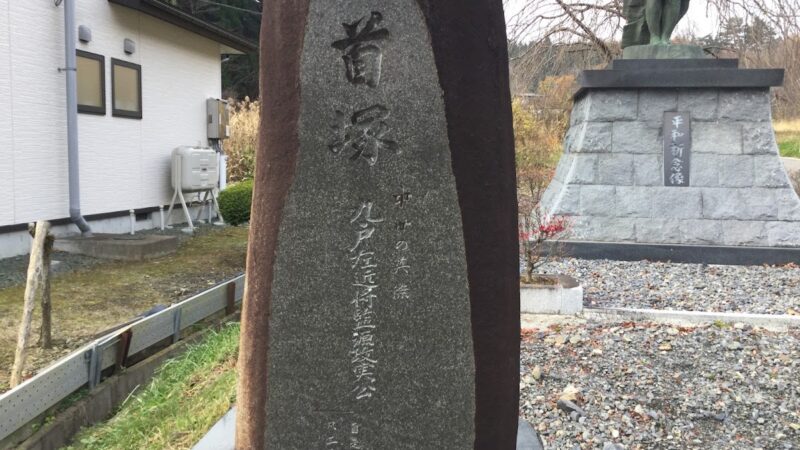
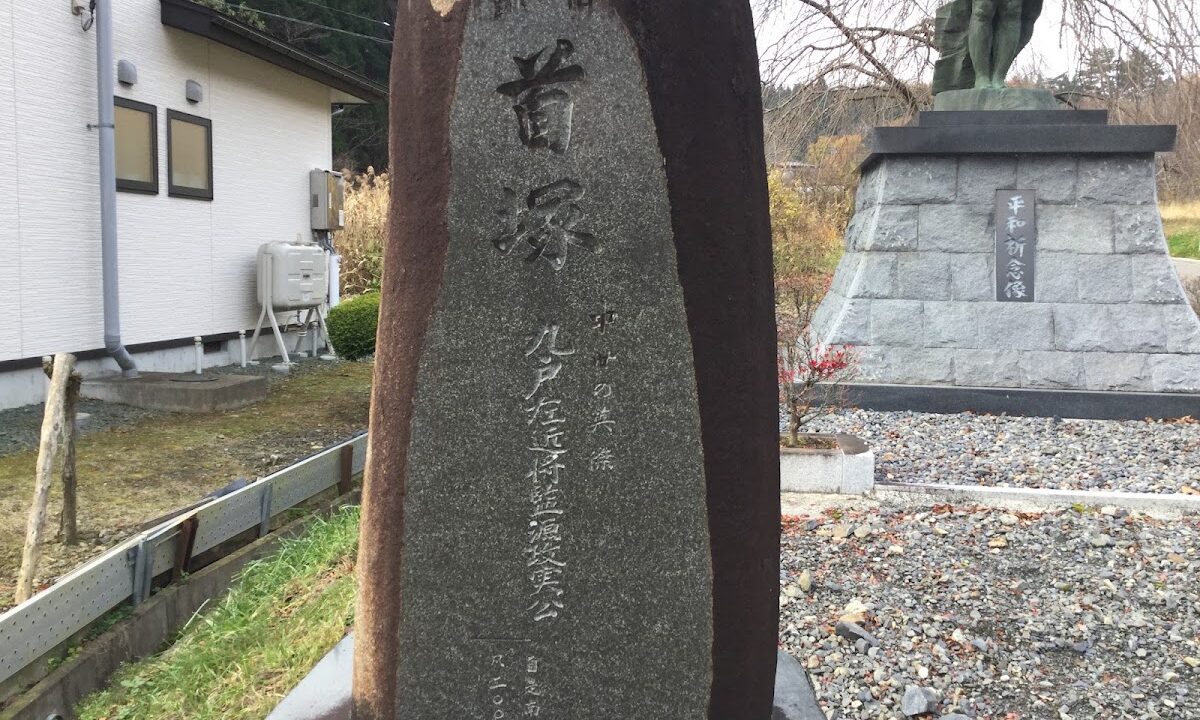
The Kunohe clan was a samurai family that ruled this region from the Heian period to the Sengoku period, and Kunohe Masazane, in particular, is a historically famous figure from the late Sengoku period. Masazane Kunohe rebelled against Toyotomi Hideyoshi’s pacification of Oshu in 1591, leading the “Masazane Kunohe Rebellion,” but it was ultimately suppressed.
In 1995, the Masazane Shrine, dedicated to Masazane Kunohe, was built near the Kunohe Shrine, and he is still revered as a local hero. Many visitors to the Kunohe Shrine also pay their respects at the Masazane Shrine.
Deities and Divine Virtues
Main Deity
Two deities are enshrined at the Kunohe Shrine.
Amenominakanushi-no-kami
This deity is one of the three creation gods, considered the first gods to appear in Japanese mythology. As the primordial god who governs the center of the universe, this deity is believed to bestow blessings such as good fortune, fulfillment of wishes, and protection from evil.
Ukanomitama-no-Okami
This deity is widely worshipped as the god of grain and food. They are known for their divine blessings of abundant harvests, business prosperity, and industrial development.
Divine Blessings and Faith
Kunohe Shrine has long been revered by the Kunohe clan as a shrine for praying for victory in battle. Currently, however, it is cherished by the local people for its wide range of divine blessings, including family safety, business prosperity, abundant harvests, academic success, and protection from evil.
Especially during the annual festival, the shrine is bustling with many worshippers praying for the peace and prosperity of the region.
Cultural Assets and Highlights
Three Precious Buddhist Statues
Kunohe Shrine houses three Buddhist statues that survived a forest fire in 1575.
- Myōken Bodhisattva Statue: A Buddhist statue revered as the principal deity of the Hokushin Myōken faith.
- Bishamonten Statue: One of the Four Heavenly Kings who protects military fortune.
- Fudo Myoo Statue: The central figure of the Myōō group who severs worldly desires.
These Buddhist statues are of great historical and cultural value as remnants of the era of syncretism of Shinto and Buddhism.
Atmosphere of the Shrine Grounds
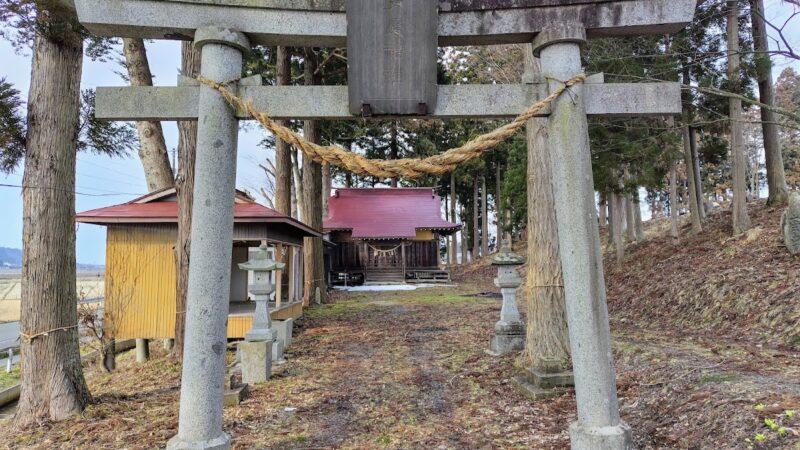
The grounds of Kunohe Shrine are surrounded by abundant nature, and visitors can enjoy particularly beautiful scenery during the autumn foliage season. The quiet and peaceful atmosphere provides an environment where visitors can worship at their leisure.
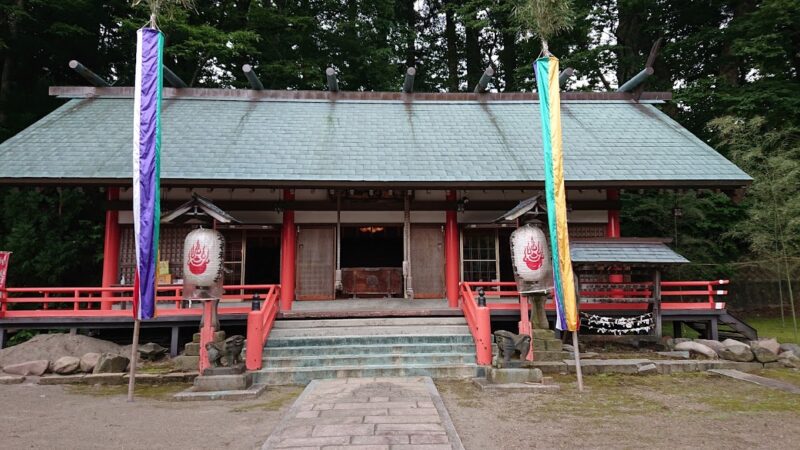
Both the main hall and the worship hall have a historical presence, giving visitors a solemn impression. It is recommended to stroll through the grounds and reflect on its long history.
Annual Festival and Kunohe Kagura
Date of the Annual Festival
The annual festival of Kunohe Shrine is held every year on May 5th. On this day, many worshippers and local residents gather, and the shrine is enveloped in the liveliest atmosphere of the year.
Dedication of Kunohe Kagura
The highlight of the annual festival is the dedication of the traditional performing art, “Kunohe Kagura.” Kunohe Kagura is a local performing art passed down in the northern region of Iwate Prefecture, performed to express gratitude to the gods and to pray for peace in the region.
The Kagura, performed by dancers in colorful costumes and unique masks, invites viewers into a fantastical world. As a valuable opportunity to preserve and pass on the region’s traditional culture, it is a popular event that attracts many tourists.
Other Annual Events
In addition to the annual festival, various festivals are held throughout the year, including the New Year’s Day visit, the Setsubun Festival, and the Autumn Festival. As the guardian shrine of the region, the faith deeply rooted in people’s lives continues to this day.
Access Information
Location
Address: 10, 1st Ward, Chokoji, Kunohe Village, Kunohe District, Iwate Prefecture
Kunohe Shrine is located in Kunohe Village, in the northern part of Iwate Prefecture, near the border with Aomori Prefecture. It is situated in a quiet environment surrounded by abundant nature.
Access by Train and Bus
Nearest Station: JR Tohoku Shinkansen/Iwate Galaxy Railway “Ninohe Station”
From Ninohe Station, take a local bus.
- Approximately 36 minutes by bus from Ninohe Station
- Approximately 37 minutes on foot (approximately 2.9 km) after getting off at the “Michi-no-Eki Oritsume” bus stop
Since the number of buses is limited, it is recommended to check the timetable in advance. From Morioka Station to Ninohe Station, it takes approximately 30 minutes by Shinkansen and approximately 1 hour 30 minutes by conventional train.
Access by Car
Nearest Interchange: Hachinohe Expressway “Kunohe IC”
- Approximately 11 minutes by car from Kunohe IC (approx. 3.7 km)
- Approximately 1 hour 30 minutes by car from Morioka city center
- Approximately 1 hour by car from Hachinohe city center
Parking is available around the shrine, but congestion is expected during events such as the annual festival. We recommend visiting with plenty of time to spare.
Nearby Tourist Facilities
When visiting Kunohe Shrine, we recommend also visiting the following facilities.
- Michi-no-Eki Oritsume: You can purchase local specialties and fresh agricultural products.
- Kunohe Castle Ruins: The site of Kunohe Masazane’s castle, designated as a National Historic Site.
- Masazane Shrine: A shrine dedicated to Kunohe Masazane.
- Oritsume-dake: A mountain with an elevation of 852m, offering magnificent views from its observation deck.
Visiting Information
Visiting Hours and Admission Fee
- Visiting Hours: Grounds are freely accessible (please check the office hours).
- Admission Fee: Free
- Goshuin (Shrine Seal): Available at the shrine office (advance confirmation is recommended as staff may be absent).
Visiting Etiquette
Please observe basic shrine visiting etiquette when visiting a shrine.
- Bow before passing through the torii gate.
- Walk along the approach to the shrine, avoiding the center.
- Cleanse your hands and mouth at the purification fountain.
- Perform “two bows, two claps, one bow” in front of the main hall.
- Be quiet on the shrine grounds, and be considerate when taking photographs.
Clothing and Belongings
There are no specific dress code requirements, but it is desirable to wear clothing that reflects the sacred nature of the place. Because it is located in a mountainous area, there can be significant temperature fluctuations depending on the season, so it is advisable to bring a light jacket or cardigan.
About Kunohe Village
Overview of Kunohe Village
Kunohe Village is a village with a population of approximately 5,000 people located in Kunohe District, in the northern part of Iwate Prefecture. Situated on the border with Aomori Prefecture, it is a region with rich nature and a fascinating history and culture.
Local Products and Cuisine
Agriculture is thriving in Kunohe Village, and the following local products are particularly well-known.
- Ancient Grains: Cultivation of ancient grains such as barnyard millet and foxtail millet is thriving.
- Mountain Delicacies: Abundant mountain produce such as wild vegetables and mushrooms.
- Buckwheat: Known as a producer of high-quality buckwheat.
- Apples: Fruit cultivation is also thriving in northern Iwate Prefecture.
At Michi-no-Eki Oritsume, you can purchase processed goods made with these local specialties and fresh agricultural products.
History and Culture
Kunohe Village is a popular area for history buffs as it is associated with the Kunohe clan. The history of the Sengoku period, including the Kunohe Masazane Rebellion, remains strong, and historical sites such as the ruins of Kunohe Castle are scattered throughout the area.
Traditional culture, such as the local performing art Kunohe Kagura and festivals passed down in the region, is actively preserved.
Nearby Accommodations
Since accommodations around Kunohe Village are limited, it is common to use accommodations in Ninohe City.
- Hotels and Ryokans in Ninohe City: Several business hotels are located around Ninohe Station.
- Hot Spring Inns: Hot spring resorts such as Kindaichi Onsenkyo are within a 30-minute drive.
- Guesthouses and Farm Stays: Several guesthouses are also located within Kunohe Village.
For overnight stays, early reservations are recommended.
Seasonal Attractions
Spring (March-May)
Spring is a beautiful season with fresh greenery as the snow melts. The annual festival on May 5th is a splendid event celebrating the arrival of spring, where you can see the dedication of Kunohe Kagura (traditional dance).
Summer (June-August)
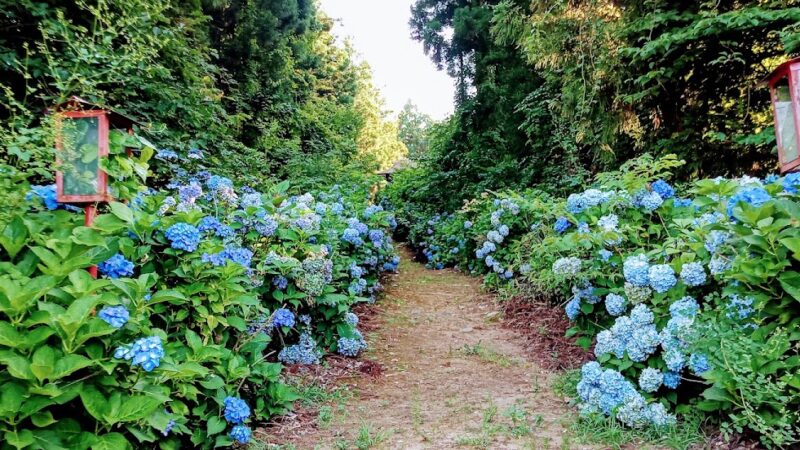
The lush green grounds are cool, making it comfortable for summer visits. Northern Iwate Prefecture is relatively cool even in summer, making it suitable as a summer resort.
Autumn (September-November)
Autumn is a beautiful season of autumn leaves. The trees on the grounds change color, decorating the approach to the shrine. Visiting the shrine in the crisp autumn air is a special experience.
Winter (December-February)
In winter, the snow-covered, tranquil shrine grounds create a mystical atmosphere. Visiting in the snow evokes a solemn feeling, but warm clothing and careful footing are essential.
Points to Note When Visiting Kunohe Shrine
Using Public Transportation
Since bus services are infrequent, it’s important to check the timetable in advance and plan accordingly. Consider taking a taxi. It’s approximately a 20-minute taxi ride from Ninohe Station.
Visiting by Car
During winter, snow and icy roads are possible, so snow tires are essential. Also, as it’s a mountainous area, using a car navigation system or smartphone map app is recommended.
Shrine Office Hours
If you wish to receive a Goshuin (shrine stamp) or prayers, it’s recommended to check the shrine office hours in advance. Since staff may not always be present, it’s best to contact them in advance if you require guaranteed assistance.
Shrine Pilgrimage in the Northern Iwate Area
When visiting Kunohe Shrine, why not also visit other shrines in the northern Iwate area?
Nearby Major Shrines
- Kushihiki Hachimangu (Hachinohe City): A historic shrine housing a national treasure suit of armor.
- Tendai-ji Temple (Ninohe City): An ancient temple known for its giant Katsura tree.
- Tatsumiyama Inari Shrine (Ninohe City): A shrine revered for business prosperity.
By creating a shrine pilgrimage route that includes these shrines, you can gain a deeper understanding of the history and culture of the northern Iwate area.
Summary
Kunohe Shrine has a long history, founded in 842, and is a historic shrine where the Kunohe clan prayed for victory in battle for generations. Kunohe Shrine, dedicated to Amenominakanushi-no-kami and Ukanomitama-no-Okami, is still revered by many as the guardian shrine of the region.
Every year on May 5th, the annual festival features a performance of the traditional Kunohe Kagura dance, offering a valuable opportunity to experience local culture. Furthermore, the shrine houses numerous cultural artifacts, including three Buddhist statues saved from a forest fire in 1575, making it a historically significant shrine.
Nestled in the naturally rich environment of Kunohe Village, Iwate Prefecture, Kunohe Shrine is a recommended spot for history buffs and those seeking a peaceful and calming environment. It’s accessible by bus and on foot from Ninohe Station, or by car, and nearby attractions include the ruins of Kunohe Castle and the Michi-no-Eki Oritsume roadside station.
When visiting northern Iwate Prefecture, be sure to visit Kunohe Shrine and experience its long history and local faith. The time spent quietly praying amidst the beautiful nature of the four seasons will surely become an unforgettable memory.