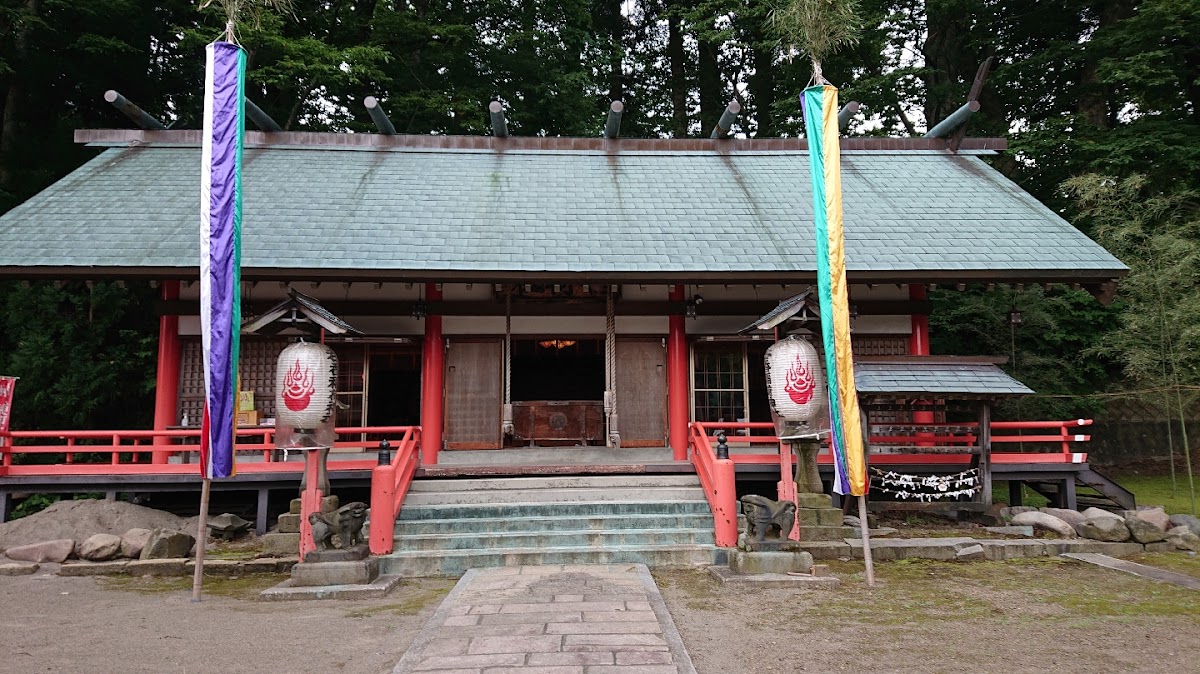
Tonkō Inari Shrine (Ninohe City, Iwate Prefecture) Complete Guide | History, Goshuin (Shrine Seal), and Access Information
Tonkō Inari Shrine, located in Ninohe City, Iwate Prefecture, is a historic shrine that has been deeply revered by successive generations of Nanbu clan lords. Founded in 801 AD (Enryaku 20), this shrine boasts a history of over 1200 years and, as a former prefectural shrine, is an important center of faith in northern Iwate Prefecture. This article comprehensively introduces the latest information useful for visiting Tonkō Inari Shrine, including its detailed history, highlights within the grounds, goshuin information, and access methods.
Basic Information on Tonkō Inari Shrine
Tonkō Inari Shrine is located at 21 Matsunomaru, Fukuoka, Ninohe City, Iwate Prefecture, approximately a 20-minute walk from JR Ninohe Station.
Basic Data
- Location: 21 Matsunomaru, Fukuoka, Ninohe City, Iwate Prefecture
- Deity Enshrined: Ukanomitama-no-Mikoto
- Former Shrine Rank: Prefectural Shrine
- Visiting Hours: Anytime
- Shrine Office Hours: 9:00 AM – 4:00 PM (May be absent due to off-site ceremonies, etc.)
- Phone Number: 0195-23-2042
- Parking: Free parking available
- Official Website: http://tonkouinari.blog.jp/
History of Tonkou Inari Shrine
From Founding to Relocation
The history of Tonkou Inari Shrine dates back to the early Heian period. It is said that the shrine originated in 801 AD (Enryaku 20), when a divided spirit of the Omokimi Shrine in Dewa Province (present-day Yamagata and Akita Prefectures) was invited and enshrined on Inaniwa-dake in Jōhōji Village. This period coincided with the time of Sakanoue no Tamuramaro’s conquest of the Emishi people, and was also a time when many shrines were founded in the Tohoku region.
On the night of February 3, 1682 (Tenna 2), the shrine was relocated to its current location in Matsunomaru, Fukuoka, Ninohe City. This relocation has an important historical background.
Origin of the Divine Name “Donkō Inari”
The origin of the name of Donkō Inari Shrine has a deep connection to the Nanbu clan. In 1682 (Tenna 2), the young lord of the Nanbu clan suffered from smallpox and was in critical condition. At that time, Inari Daimyojin appeared at the young lord’s bedside and nursed him back to health, and miraculously, his smallpox was cured.
Grateful for this miraculous event, the lord of the Nanbu domain bestowed upon Inari Daimyojin the divine title of “Tonkō Inari Daimyojin.” Since then, the shrine has received deep devotion from successive lords of the Nanbu domain, and many donations have been made, including the shrine building, a hexagonal portable shrine, and Kagura masks.
Meaning of the name “Tonkō”
There is a theory that the place name and shrine name “Tonkō” has Ainu origins. It is said to mean “shining hill” in Ainu, suggesting the ancient historical background of this region. Northern Iwate Prefecture is a point of contact between Ainu and Japanese cultural spheres, and it is not uncommon for place names to retain Ainu origins.
Relationship with the Nanbu Domain
Tonkō Inari Shrine received special reverence from the lords of the Nanbu domain. From Tenwa 2 (1682) onward, successive lords of the Nanbu domain provided generous protection to this shrine, continuously undertaking construction and repair of the shrine buildings and supporting festivals. This relationship of faith continued until the Meiji Restoration and greatly contributed to the development of the shrine.
Development in the Modern Era
With the reform of the shrine system during the Meiji era, Donko Inari Shrine was ranked as a prefectural shrine. This meant that it was officially recognized as one of the most prestigious shrines in Iwate Prefecture. Before the war, as a prefectural shrine of Iwate Prefecture, it played a role as a spiritual pillar of the region.
After the war, it continued to attract the faith of the local people, and even today, it welcomes many worshippers as a representative shrine of Ninohe City.
Deity and Divine Virtues
The deity enshrined at Donko Inari Shrine is Ukanomitama-no-Mikoto. This deity, widely known as Inari-sama, is a god of food and grains, appearing in the Kojiki and Nihon Shoki, and is believed to bestow blessings such as abundant harvests, business prosperity, and family safety.
In particular, Donko Inari Shrine is known for its miraculous healing of a young lord of the Nanbu domain from smallpox, and is therefore also known for its blessings of healing from illness and prayers for good health. Furthermore, the blessings of business prosperity and industrial development, common to all Inari worship, are also deeply revered.
Relationship with the Three Kanto Inari Shrines
Some sources consider Donko Inari Shrine to be one of the “Three Kanto Inari Shrines,” alongside Oji Inari Shrine (Tokyo) and Kasumigaseki Inari Shrine. However, there are various theories regarding this designation, and different shrines may be counted depending on the region. In any case, it is certainly a widely known Inari shrine.
Highlights of the Shrine Grounds
Shrine Building
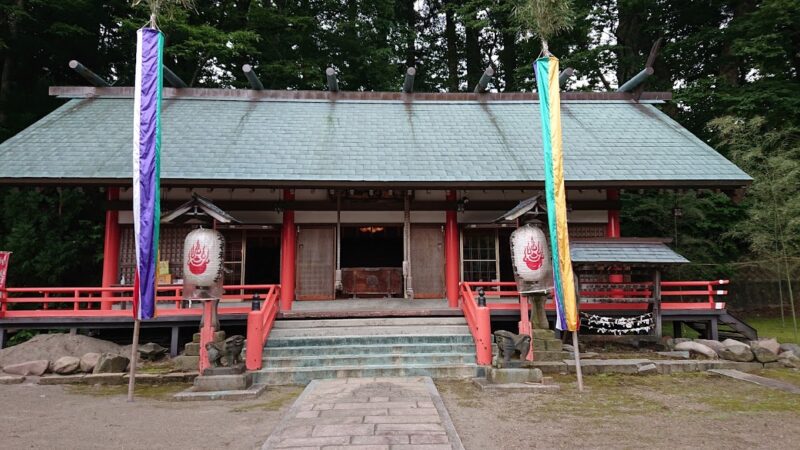
The current shrine building is said to have been constructed in the early Meiji period. The shrine, built against the backdrop of the Nanbu clan lord’s faith, presents a dignified appearance. Inside the shrine, dozens of large votive paintings depicting the Thirty-Six Immortal Poets hang on both walls of the altar, reflecting the deep faith of the people from the Edo period to the Meiji era.
These votive paintings are of high cultural value and serve as valuable resources for understanding the painting techniques and forms of faith of the time. When visiting the shrine, be sure to take a look at these paintings.
Kiinsha (Tea Room)
Within the shrine grounds remains a tea room called Kiinsha. This tea room is a valuable structure that conveys the culture of the Nanbu clan era. The presence of a tea room within the shrine grounds indicates that the shrine was not merely a place of worship, but also a center of cultural activity.
Kiinsha was a place where samurai and literary figures of the Nanbu clan enjoyed the tea ceremony, functioning as a space where religious ceremonies and cultural activities merged. It remains in excellent condition and is cherished as a cultural heritage of Ninohe City.
Inari Bunko
There is another important cultural facility on the shrine grounds: the Inari Bunko. This was a private library established by the Nanbu clan and holds historical value as the first private library established by the Nanbu clan.
During the Edo period, private libraries established in shrines and temples, in addition to those managed by the domain, played an important role in the dissemination of education. The Inari Bunko was one such facility, providing opportunities for learning to the local people. The building still remains today, making it a valuable legacy for understanding the educational culture of that time.
Hexagonal Mikoshi and Kagura Masks
The hexagonal mikoshi and kagura masks, donated by the lord of the Nanbu clan, are also important cultural assets of Donko Inari Shrine. These were used during festivals and demonstrate the high level of craftsmanship of the time. The hexagonal mikoshi, in particular, has an unusual shape and is attracting attention in the study of mikoshi.
Goshuin (Shrine Seal) Information
Goshuin can be obtained at Donko Inari Shrine. Please refer to the following information if you wish to receive a goshuin.
Goshuin Reception Hours and Method
- Reception Hours: 9:00 AM – 4:00 PM (within shrine office hours)
- Goshuin Format: Generally, handwritten goshuin are provided.
- Handling During Absences: If the shrine office is unattended due to off-site ceremonies, etc., pre-printed goshuin are available.
- Self-Service: Even when the shrine is unattended, a system is in place for self-service goshuin collection.
Features of the Goshuin
Donko Inari Shrine’s goshuin are known for their meticulous service. For handwritten goshuin, the chief priest or other Shinto priest will write them with care. The ink writing includes the shrine’s name and the date of visit, and the red seal is stamped with the shrine’s official seal.
Pre-printed goshuin (temple/shrine stamps) are also available, making it convenient for visitors to receive a goshuin even if they are unable to come at the designated time or are absent.
About Goshuincho (Stamp Books)
Please check with the shrine office upon arrival regarding the availability of original goshuincho. If you have a standard goshuincho, you can have it stamped in.
Annual Events and Festivals
Nonko Inari Shrine holds various festivals and events throughout the year.
Main Annual Events
- Hatsumode: The first three days of the New Year are bustling with many visitors.
- Hatsuumasai: Held on Hatsuuma, an important festival for Inari shrines.
- Reitaisai: The most important festival of the year.
- Setsubunsai: Events such as bean-throwing held around February 3rd.
For specific dates and details, please contact the shrine directly or check the latest information on the official website.
Access Information
Detailed access information to Nonko Inari Shrine is provided below. ### Access by Train
From JR Tohoku Shinkansen/IGR Iwate Galaxy Railway “Ninohe Station”
- Approximately 20 minutes on foot (approx. 1.5 km)
- Approximately 5 minutes by taxi
Ninohe Station is a stop on the Tohoku Shinkansen, making it convenient to access from Tokyo and Aomori. The path from the station to the shrine is flat, allowing you to stroll through the Ninohe town area.
Access by Bus
Using Local Buses
- Immediately after alighting at the “Nonko Inari Shrine” bus stop (JR Bus/Kenhoku Bus)
- Approximately 5-10 minutes by bus from Ninohe Station
The bus stop is very close to the shrine, making it extremely convenient. However, since bus service is limited, it is recommended to check the timetable in advance.
Access by Car
From the Tohoku Expressway
- Approximately 15 minutes from Ichinohe IC
- Approximately 10 minutes from Ninohe IC
Parking
- Free parking available
- Limited spaces; caution is advised during peak seasons such as New Year’s Day.
Address and Navigation Settings
When searching using a car navigation system or smartphone map app, please enter the following address:
21 Matsunomaru, Fukuoka, Ninohe City, Iwate Prefecture 028-6103
You can also search by phone number (0195-23-2042).
Nearby Tourist Attractions
When visiting Donko Inari Shrine, why not also explore the tourist attractions around Ninohe City?
Kunohe Castle Ruins
Kunohe Castle Ruins, a representative historical site of Ninohe City, is approximately 10 minutes by car from Donko Inari Shrine. The castle ruins were the site of fierce battles during Toyotomi Hideyoshi’s pacification of Oshu, and are now designated as a national historical site.
Ninohe City Civic Center
A cultural facility in Ninohe City where you can learn about the local history and culture. It’s within walking distance of Donko Inari Shrine.
Kindaichi Onsenkyo (Kindaichi Hot Spring Village)
A hot spring village located in the Kindaichi district of Ninohe City, featuring Ryokufuso (currently under reconstruction), famous for the legend of the Zashiki-warashi (house spirit). Relaxing in the hot springs after visiting the shrine is highly recommended.
Basenkyo Gorge
A representative scenic spot in northern Iwate Prefecture, offering particularly beautiful scenery during the autumn foliage season. Approximately 30 minutes by car from Ninohe city center.
Manners and Precautions for Visiting a Shrine
Basic Manners for Visiting a Shrine
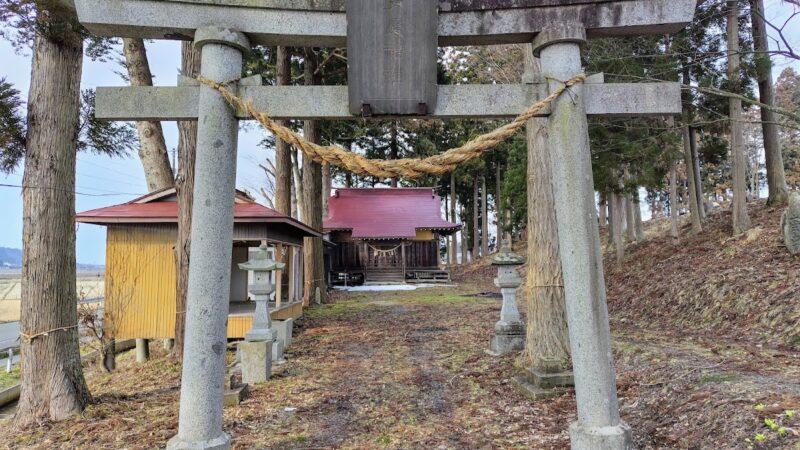
- Bow before passing through the torii gate: This is a courtesy when entering the sacred area.
- Avoid walking in the center of the path: The center is considered the path of the gods.
- Purify yourself at the water basin: Purify your left hand, right hand, and mouth in that order.
- Etiquette at the main hall: Two bows, two claps, and one bow are the basic rituals.
Photography
Photography is generally permitted within the shrine grounds, but consideration is needed inside the shrine buildings and during religious ceremonies. If unsure, please check with the shrine office.
Attire
There are no specific dress code requirements, but please dress appropriately as this is a sacred place.
About Ninohe City
Ninohe City, where Donko Inari Shrine is located, is situated in the northernmost part of Iwate Prefecture and is known as “the top of Iwate.” It is close to the border with Aomori Prefecture and has flourished as a key point in the Nanbu region since ancient times. ### Local Specialties of Ninohe City
- Nanbu Senbei: A representative local confectionery of Iwate Prefecture
- Nanbu Bijin: Local sake
- Ancient Grains: Cultivation of ancient grains such as barnyard millet and foxtail millet is thriving
- Lacquerware: A traditional craft known as Joboji-nuri
Climate of Ninohe City
Ninohe City has an inland climate, with relatively cool summers and severely cold winters. If visiting in winter, please take thorough precautions against the cold. Snowfall is also possible, so please be careful of your footing.
Frequently Asked Questions
Q1: How long does it take to visit Donko Inari Shrine?
A1: A basic visit takes about 15-20 minutes. If you want to leisurely explore the grounds or receive a Goshuin (shrine stamp), you should allow 30 minutes to an hour. If you want to thoroughly explore the tea room or Inari Library, it will take even longer.
Q2: Is parking free? How many cars can be parked?
A2: Parking is free. However, spaces are limited, so we recommend arriving early during busy periods such as New Year’s Day. If the parking lot is full, please use a nearby public parking lot.
Q3: Is it guaranteed that I will receive a Goshuin (temple/shrine stamp)?
A3: During the shrine office hours (9:00 AM to 4:00 PM), we can generally provide a handwritten Goshuin. Even if the shrine is absent due to off-site ceremonies, pre-printed Goshuin are available, so it’s very unlikely you won’t receive one. However, if you absolutely want a handwritten Goshuin, we recommend calling ahead to confirm.
Q4: How crowded is it during New Year’s Day?
A4: The first three days of the New Year are usually crowded with many visitors, but it’s not as crowded as large shrines in urban areas. It’s only slightly crowded on the morning of New Year’s Day, and you can generally visit at a relatively relaxed pace.
Q5: Is it possible to bring pets to the shrine? **
A5: Generally, shrines require careful consideration regarding visitors bringing pets. For specific arrangements at Tonkō Inari Shrine, we recommend contacting the shrine in advance.
Q6: Is it possible to visit the shrine in a wheelchair?
A6: We recommend checking with the shrine in advance regarding the grounds and any steps on the approach. For details on barrier-free access, please contact them directly.
Q7: Do you accept prayers for weddings, Shichi-Go-San (children’s festival), etc.?
A7: We accept prayers for various occasions at the shrine office. For dates and details, please contact us in advance by phone (0195-23-2042). Advance contact is essential as we may be absent due to off-site ceremonies.
Q8: Is the correct reading of “呑香” “tonkō”?
A8: Yes, it is read “tonkō”. One theory suggests that the name means “shining hill” in the Ainu language, reflecting the ancient history of this region.
Summary
Nonko Inari Shrine boasts a history of over 1200 years since its founding in 801 AD (Enryaku 20), and is a venerable shrine that has particularly garnered deep devotion from the lords of the Nanbu domain. Located in Ninohe City, Iwate Prefecture, it has served as a spiritual pillar of the region as a former prefectural shrine.
Within the shrine grounds remain buildings and cultural assets of high historical and cultural value, including a shrine building constructed in the early Meiji period, votive paintings of the Thirty-Six Immortal Poets, the tea room “Tsukikage-sha,” and the “Inari Bunko,” the first private library established by the Nanbu domain. The enshrined deity, Ukanomitama-no-Mikoto, is known for its divine blessings of abundant harvests, business prosperity, and healing from illness, attracting many worshippers.
Access is convenient, approximately a 20-minute walk from JR Ninohe Station, or a short walk from the “Tonkou Inari Shrine” bus stop. Free parking is available, making it accessible by car as well. Goshuin (temple/shrine stamps) are generally written directly by hand, and pre-written stamps are available when the shrine is closed.
When visiting Ninohe City, we highly recommend visiting Tonkou Inari Shrine to experience the history and traditions of the Nanbu clan. You can find peace of mind in the tranquil grounds and feel the history of faith that has continued for over 1200 years.
For the latest information and event schedules, please check the official website (http://tonkouinari.blog.jp/) or contact the shrine directly (Tel: 0195-23-2042).