Hyakutaku Shrine (Shiwa Town, Iwate Prefecture) Complete Guide: History, Deities, and Access Information
Hyakutaku Shrine, located in Hoshiyama, Shiwa Town, Shiwa District, Iwate Prefecture, is a shrine with a long history as a center of local faith. While Shiwa Town has many other shrines, such as Shinzan Shrine and Shiwa Hachimangu Shrine, Hyakutaku Shrine is also an important place of worship cherished by the local people. This article provides a detailed explanation of everything you need to know before visiting, including the history of Hyakutaku Shrine, its enshrined deities, annual festivals, highlights of the shrine grounds, and access information.
Basic Information on Hyakutaku Shrine
Hyakutaku Shrine is located in Kashiwamori, Hoshiyama, Shiwa Town, Shiwa District, Iwate Prefecture, and is a central place of faith in the Hikobe district of Shiwa Town. Nestled in a quiet village, the shrine has been carefully preserved to this day as a spiritual anchor for the local residents.
Location and Address
- Address: Kashiwamori, Hoshiyama, Shiwa-cho, Shiwa-gun, Iwate Prefecture
- District: Hikobe area
- Surrounding Environment: Located in the rural area of western Shiwa-cho, surrounded by a rich natural environment.
Deities and Beliefs
The deities enshrined at Hyakusawa Shrine are deeply connected to the local belief system. Many shrines in Shiwa-cho enshrine deities closely related to the lives of the people, such as agricultural gods, mountain gods, and water gods. Hyakusawa Shrine similarly has functioned as a place to pray for the abundance and peace of the region.
History and Origins of Hyakusawa Shrine
Founding and Historical Background
While there are no clear records of the founding date of Hyakusawa Shrine, it is believed, based on the historical context of Shiwa-cho, that it has been worshipped as the local tutelary deity since ancient times. Shiwa-cho is a region where people have lived since ancient times, and it possesses a wealth of historical heritage, including the Nishida ruins from the Jomon period and the ruins of the ancient Abe clan.
Many shrines in Shiwa Town were founded during the Heian and medieval periods, coinciding with regional development, and have evolved into their current forms through the Meiji-era shrine consolidation policy. Hyakusawa Shrine has also continued to function as a central hub for the local community throughout these historical changes.
Changes Since the Meiji Era
While many small shrines were consolidated due to the Meiji-era reforms to the shrine system, Hyakusawa Shrine was maintained as a place of worship for the community. Even after the Meiji era, maintenance and management by local residents continued, and annual events such as the festival were preserved.
Connection to the Community
As the tutelary shrine of the Hoshiyama district, Hyakusawa Shrine has been deeply intertwined with the region’s agriculture, life, and culture. Rituals aligned with the agricultural cycle, such as prayers for a bountiful harvest in spring and thanksgiving for the harvest in autumn, have played a role in strengthening community bonds.
Highlights and Cultural Assets on the Shrine Grounds
Ono Bunseki Monument
The Ono Bunseki Monument stands on the grounds of Hyakusawa Shrine. Ono Bunseki was an important figure in the history of the region, and this monument is valuable as a cultural heritage of the area. The inscription contains clues to the local community and religious practices of the time, making it a valuable resource for local history research.
Natural Environment of the Shrine Grounds
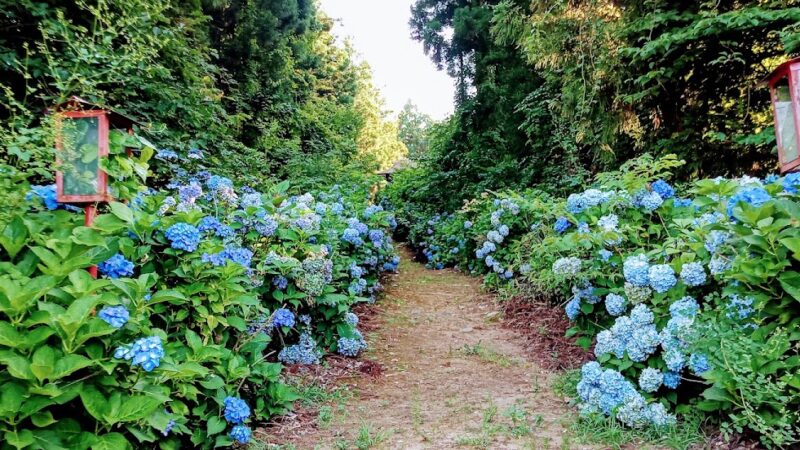
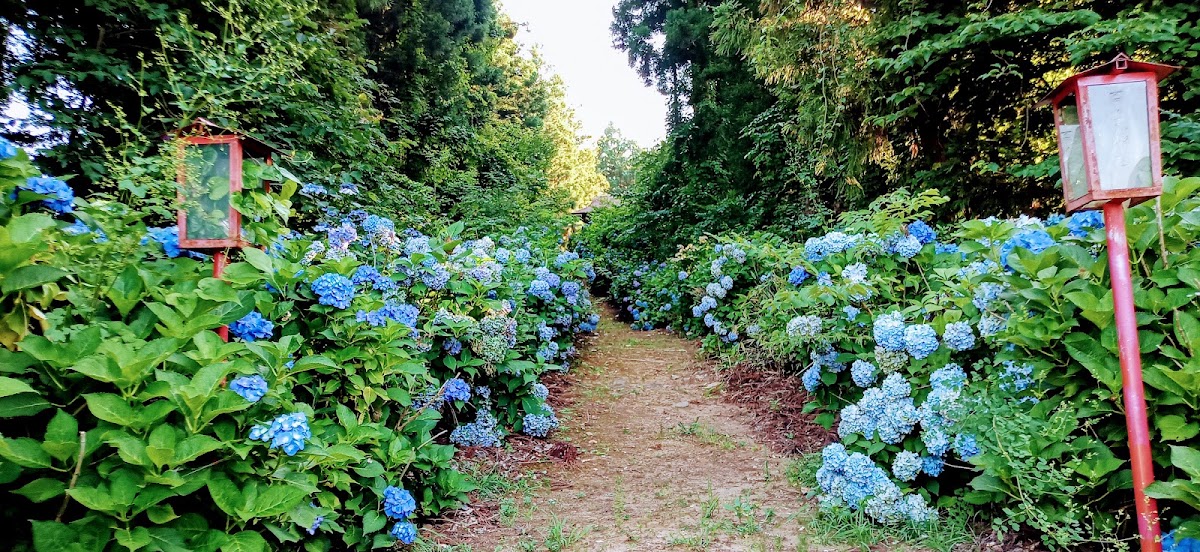
Many shrines in Shiwa Town are surrounded by large trees and abundant nature. Hyakusawa Shrine is no exception; ancient trees flourish within the grounds, allowing visitors to experience the beauty of nature throughout the seasons. Especially during the fresh greenery of spring and the vibrant autumn foliage, the space becomes a tranquil haven where one can feel the breath of nature.
Shrine Building and Architecture
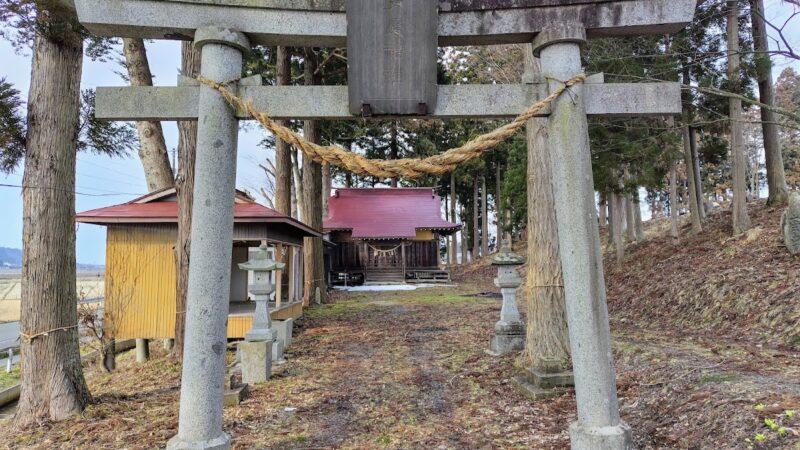
The shrine building of Hyakusawa Shrine exhibits characteristics of traditional shrine architecture in the region. While not large in scale, it is meticulously maintained, reflecting the deep faith of the local residents.
Annual Festival and Events
Annual Festival Timing and Content
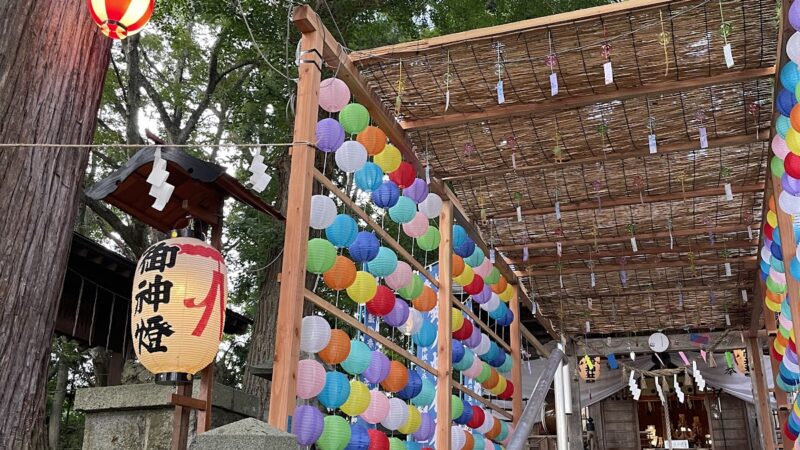
Hyakusawa Shrine holds an annual festival every year, where local residents gather for religious ceremonies. The annual festival is the most important festival for the shrine, and its preparation and operation are centered around the representatives of the parishioners and local representatives and responsible officials.
The following Shinto rituals are performed during the annual festival:
- Shinto Ritual: Recitation of prayers and offering of sacred branches by Shinto priests
- Naorai: A meal and social gathering for attendees
- Community Event: The transmission of local culture through the participation of children
Annual Events
In addition to the annual festival, Hyakusawa Shrine holds the following annual events:
- Hatsumode: A visit to the shrine in the new year
- Spring Festival: A prayer for a bountiful harvest
- Autumn Festival: A thanksgiving ceremony for the harvest
- Monthly Festival: Regular Shinto rituals
These events are important opportunities to pass on local traditions to future generations.
The Position of Hyakusawa Shrine in Shiwa Town’s Shrine Culture
Relationship with Major Shrines in Shiwa Town
Shiwa Town has numerous shrines, each supporting the local faith. The main shrines in the area include:
- Niiyama Shrine: A historical shrine located in the Tsuchidate district, possessing numerous cultural assets.
- Shiwa Hachimangu Shrine: One of the representative shrines of Shiwa Town.
- Junishin Yakushi Shrine: Worshipped as the god of medicine and health.
- Shigariwake Shrine: A shrine of high status, listed in the Engishiki (an ancient Japanese legal code).
- Atago Shrine: Revered as the god of fire prevention.
- Tsutsumishima Shrine: A shrine located by the water.
- Tatemori Shrine: A shrine in the Hikobe district.
- Kumano Shrine (Sahinai): A center of Kumano faith.
- Hakusan Shrine (Akazawa): Preserving Hakusan faith.
- Aoma Shrine: The god of protection against epidemics.
Hyakusawa Shrine, along with these other shrines, forms the diverse religious culture of Shiwa Town. Each shrine functions as a local tutelary deity, supporting the spiritual culture of the entire town.
The Faithful Circle of the Hikobe District
Hyakusawa Shrine is one of the centers of faith in the Hikobe district. The Hikobe district also has other shrines, such as Tatemori Shrine, and these shrines form a regional faith network. Hyakusawa Shrine is positioned as an important point in the Shiwa Town Hikobe historical site tour, and is indispensable for understanding the region’s history and culture.
Nearby Historical Spots and Points of Interest
Yakishimizu Reisui-shin Monument
Near Hyakusawa Shrine is the Yakishimizu Reisui-shin Monument, known as a site demonstrating faith in pure water. Water was essential for agriculture, and this monument embodies gratitude and prayers for pure water.
Tatsuso Pottery Site
In the Hoshiyama district is the Tatsuso Pottery Site (Hoshiyama, Kuruma, Oshido), which tells the history of pottery production in this area. It is a valuable site for understanding the region’s industrial history.
Historical Sites of Shiwa Town
Shiwa Town boasts a wealth of historical sites:
- Nishida Site: A site from the Middle Jomon period
- Abe Road Site: Remains from the ancient Abe clan period
- Tsukiwa-gata Site: An ancient circular archaeological site
- Takasui-dera Site: A medieval temple site
- Utou-kan Site: A medieval manor site
These sites demonstrate that Shiwa Town has been a land inhabited by people since ancient times. Hyakusawa Shrine is also situated within this long historical context.
Access and Visiting Information
Access by Car
Access to Hyakusawa Shrine is most convenient by car:
- From Shiwa IC on the Tohoku Expressway: Approximately 15-20 minutes
- From central Morioka City: Approximately 30 minutes via National Route 4
- From Shiwa-Chuo Station: Approximately 15 minutes by car
Since the Hoshiyama area is located in a rural area, we recommend using a car navigation system or a smartphone map app. Entering the address “Kashiwamori, Hoshiyama, Shiwa-cho, Shiwa-gun, Iwate Prefecture” will guide you to the vicinity of your destination.
Access by Public Transportation
When using public transportation:
- Nearest Station: JR Tohoku Main Line, Shiwa-Chuo Station
- Distance from Station: Approximately 6-8 km
- Bus: There is a bus route that circulates within Shiwa Town, but the number of services is limited, so prior confirmation is necessary.
- Taxi: Taking a taxi from Shiwa-Chuo Station is the most practical option (approximately 15 minutes).
Notes on Visiting the Shrine
- Visiting Hours: There are no specific hours, but daytime visits are recommended.
- Parking: There may be parking spaces on the shrine grounds or nearby, but these are limited, so caution is advised.
- Attire: Please wear appropriate attire for visiting a shrine.
- Manners: As the shrine is located in a quiet residential area, consideration for noise and other disturbances to neighbors is necessary.
Shrine Visit Plan Combined with Shiwa Town Sightseeing
Shiwa Town’s Faithful Sites Tour: Western Course
The Shiwa Town Tourism and Exchange Association offers the “Faithful Sites Tour: Western Course,” which allows you to visit several shrines and temples, including Hyakusawa Shrine. This course includes:
- Shiwa Hachiman Shrine
- Hakusan Shrine
- Ogondo (a temple associated with Tamuramaro)
- Other historical sites
This course allows you to visit these sites and gain a deep understanding of Shiwa Town’s history and culture.
Hikobe Course Historical Sites Tour
The Hikobe area boasts 106 historical sites, and Hyakusawa Shrine is one of its important points. A tour of these historical sites, including the Ono Bunseki Monument, the Yakishimizu Reisuijin Monument, and the Tasso Fire Site, offers a valuable opportunity to experience the region’s history firsthand.
Tourist Attractions in Shiwa Town
Tourist attractions in Shiwa Town to visit in conjunction with a visit to Hyakusawa Shrine:
- Shiwa Fruit Park: A popular spot with a direct-sales facility and a winery.
- Around Shiwa Central Station: A new town development area by the Ogawa Project.
- Hot Spring Facilities: Shiwa Town also has hot spring facilities, perfect for relaxing after visiting the shrine.
- Direct-Sales Facilities: You can purchase fresh local agricultural products.
Cultural Value and Future Prospects of Hyakusawa Shrine
As a Center of the Local Community
Although small in scale, Hyakusawa Shrine plays an important role as a spiritual pillar of the local community. In rural areas facing depopulation and aging, shrines are valuable places where local people gather and serve as centers for passing on traditional culture.
Value as a Cultural Asset
Cultural assets, including the Ono Bunseki monument within the shrine grounds, are valuable materials that convey the history of the region. It is necessary to properly preserve these and pass them on to future generations.
Potential as a Tourism Resource
Shiwa Town has recently attracted attention for its town development projects, such as the Ogawa Project. Shrines and temples, as historical and cultural resources, can also be important elements for promoting tourism. A “shrine tour,” including Hyakusawa Shrine, would be an attractive experience for tourists interested in history.
Sustainable Maintenance
Maintaining local shrines requires not only the efforts of parishioners and representatives, but also support from the government and external sources. A multifaceted approach is needed, including the protection of cultural properties, maintenance of shrine grounds, and information dissemination.
Understanding the Shrine Culture of Shiwa Town
Social Functions of Shrines
Shrines in Shiwa Town are not merely places of worship, but possess diverse functions such as:
- Community Hub: A place where local residents gather through festivals and annual events
- Cultural Transmission: A place to pass on traditional rituals and customs to future generations
- Witnesses to History: A place to store cultural assets and traditions that tell the history of the region
- Preservation of the Natural Environment: A role in protecting the natural environment as a guardian forest
- Spiritual Pillar: A place of solace and peace for people
Characteristics of Belief Forms in Shiwa Town
Shiwa Town has a variety of shrines, each with different forms of belief:
- Hachiman Belief: Hachiman Shrine (Minamihizume), Hachiman Shrine (Hirasawa), Hachiman Shrine (Katayose), etc.
- Kumano Belief: Kumano Shrine (Sahinai), Kumano Shrine (Shimomatsumoto)
- Hakusan Faith: Hakusan Shrine (Akazawa), Hakusan Shrine (Katayose)
- Mountain Worship: Yamatsumi Shrine (Yamaya), Yamatsumi Shrine (Katayose), Iwateyama Shrine
- Inari Faith: Shiwa Koinari Shrine, Shiwa Inari Shrine
- Yakushi Faith: Twelve Gods Yakushi Shrine, Goronuma Yakushi Shrine
- Others: Hashiriyu Shrine, Kimiya Shrine, Hachi Shrine, Mizuwake Shrine, etc.
These diverse faiths form the rich religious culture of Shiwa Town.
Summary: The Significance of Visiting Hyakusawa Shrine
Hyakusawa Shrine is a community-based shrine located in Hoshiyama, Shiwa Town, Iwate Prefecture. While not a large-scale tourist destination, it is a valuable cultural heritage site that conveys the history and beliefs of the region. Along with the Ono Bunseki Monument within the shrine grounds, the nearby Yakishimizu Reisuijin Monument, and the Tasso Fire Site, it is an important spot that tells the history of Shiwa Town.
When visiting Shiwa Town, be sure to visit not only major shrines like Shinzan Shrine and Shiwa Hachimangu Shrine, but also smaller, community-oriented shrines like Hyakusawa Shrine. There, you’ll find a simple and warm form of faith that differs from that of larger shrines.
Participating in Shiwa Town’s pilgrimage to places of worship or the Hikobe historical site tour will allow you to gain a deeper understanding of the region’s history and culture, including Hyakusawa Shrine. Combine this with shopping at local produce facilities and relaxing in hot springs for a fulfilling Shiwa Town sightseeing experience.
Hyakusawa Shrine is a place of worship that has been carefully preserved by the local people. When visiting, please show respect for its history and the feelings of the local people, and pray quietly. Though a small shrine, it encapsulates the rich history and culture of Shiwa Town.