Kabura Hachiman Shrine (Hanamaki City, Iwate Prefecture) Complete Guide | History, Goshuin (Shrine Seal), and Access Information Related to Minamoto no Yoshiie
Located in Tsuchizawa, Towa-cho, Hanamaki City, Iwate Prefecture, Kabura Hachiman Shrine is known as a historical shrine where Minamoto no Yoshiie prayed for victory during the Former Nine Years’ War. Founded during the Kohei era (1058-1065), this shrine attracts many visitors seeking blessings for good fortune in competitions and success. This article comprehensively introduces information you should know before visiting, including the history of Kabura Hachiman Shrine, its goshuin (shrine seal), highlights of the grounds, and access methods.
History and Origins of Kabura Hachiman Shrine
Founding Circumstances and the Former Nine Years’ War
It is said that Kabura Hachiman Shrine was founded around the Kohei era (1058-1065). This period was the time of the Former Nine Years’ War (1051-1062), fought between the Imperial Court and the Abe clan, a powerful family in Oshu.
Minamoto no Yoshiie (Hachiman Taro Yoshiie), along with his father Minamoto no Yoriyoshi, led the Imperial army and deployed their forces in this area. It is said that to pray for victory, Yoshiie erected 12 whistling arrows (kaburaya) in a sand-covered area, and dedicated them, along with a sword and a written prayer, as a tribute to the spirit of Hachiman Bodhisattva.
A whistling arrow is an arrow with a spherical part called a “kabura” attached to the tip. Because it emits a sound during flight, it was used as a signal or intimidation on the battlefield. The fact that Yoshiie dedicated these whistling arrows in this area is the origin of the shrine’s name.
The Suppression of the Abe Clan and the Construction of the Shrine
Thanks to Minamoto no Yoshiie’s prayers for victory, the Imperial army successfully pacified the Abe clan. Grateful for this victory, Yoshiie erected a shrine on this site after the war and enshrined Hachiman. This is considered the origin of the present-day Kabura Hachiman Shrine.
Hachiman has been worshipped by samurai families since ancient times as a god of war, and for the Minamoto clan, he also served as their tutelary deity. Minamoto no Yoshiie himself was so deeply connected to Hachiman worship that he was even called “Hachiman Taro.”
Changes since the Edo Period
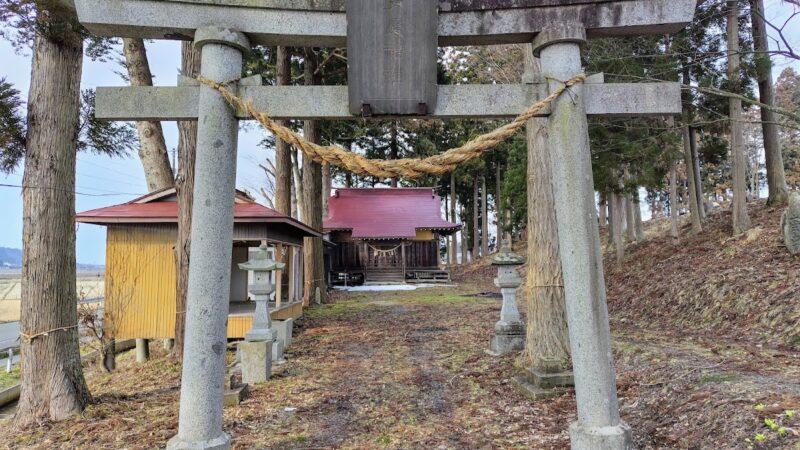
The current main hall of Kabura Hachiman Shrine was rebuilt in the first year of the Shotoku era (1711) during the mid-Edo period. Built in the Ikkensha Nagare-zukuri architectural style, it is a valuable example of shrine architecture from that period. Recognizing its historical and cultural value, it was designated a Tangible Cultural Property of Hanamaki City (formerly Towa Town) in 1989.
Throughout the Edo period, Kabura Hachiman Shrine served as a center of local faith and a place of prayer for those seeking success in competitions and business prosperity. Even after the separation of Shinto and Buddhism in the Meiji era, it continues to attract worshippers as a deeply rooted local shrine.
Deities and Benefits
Main Deity
The main deity of Kabura Hachiman Shrine is Hachiman-no-Okami (Emperor Ojin). Hachiman-no-Okami is widely worshipped as the god of military fortune and victory, and has been revered as the guardian deity of samurai families, including the Minamoto clan.
Benefits
Kabura Hachiman Shrine is believed to offer the following benefits:
- Luck in Competition and Success: In honor of Minamoto no Yoshiie’s victory, you can pray for success in all kinds of competitions.
- Business Prosperity: Many visitors come to pray for business success and prosperity.
- Improvement in Arts and Music: It is believed to bring blessings for improving talent in the arts and music.
- Eloquence: It is also worshipped by those who wish to improve their speaking and negotiation skills.
- Wealth and Fortune: Improvement of financial luck and wealth.
- Protection from Evil: Wards off misfortune and protects oneself.
It is particularly popular with students taking exams, athletes, and business people—those seeking success in competitions and success.
Information on Goshuin (Shrine Seals) at Kabura Hachiman Shrine
Diverse Lineup of Goshuin
Kabura Hachiman Shrine is known as one of the shrines in Iwate Prefecture with a particularly wide variety of goshuin. Currently, the following goshuin are available:
Standard Goshuin (Shrine Seal)
This is a basic goshuin with the name of Kaburahachiman Shrine and the date of visit written in ink, and stamped with the shrine’s seal. It features a simple yet powerful calligraphy style.
Limited-Time Goshuin (Even-Numbered Months)
This is a limited-edition goshuin with a design that changes every two months. Featuring designs that incorporate seasonal themes and motifs related to the shrine, it’s popular for its collectibility. Different designs are available for even-numbered months (February, April, June, August, October, and December).
Paper-Cut Goshuin (Shrine Seal)
This goshuin features delicate paper-cut designs, characterized by their high artistic value. Beautiful designs featuring motifs such as whistling arrows, shrine buildings, and seasonal flowers are popular.
Limited-Time Goshuin (Shrine Seals)
There are also limited-time goshuin available during special periods such as summer pilgrimages, New Year’s, and the annual festival. You can enjoy different designs depending on when you visit.
Goshuin (Shrine Seal) with a Galaxy Railroad Motif
Hanamaki City is a place associated with Kenji Miyazawa, and therefore, a goshuin inspired by “Night on the Galactic Railroad” is also available. It’s an original design that blends local culture with the history of the shrine.
Goshuin Issuance Hours and Service
Goshuin are generally available from 9:00 AM to 5:00 PM. However, service may be unavailable during religious ceremonies and festivals, so if you want to be sure to receive a goshuin, it is recommended to call ahead to confirm.
Phone Number: 0198-42-4333
Pre-printed goshuin are available, but you can also have them written directly into your goshuin book (service may vary depending on the crowd).
Goshuin Book
An original goshuin book from Kaburahachiman Shrine is also available. This beautiful book, featuring designs of the Kaburaya arrow and the shrine’s main hall, is a recommended memento of your visit.
Highlights of the Shrine Grounds
Main Hall (Hanamaki City Designated Tangible Cultural Property)
Rebuilt in 1711 (Shotoku 1), the main hall is built in the traditional Ikkensha Nagare-zukuri architectural style. It retains many characteristics of shrine architecture from the mid-Edo period, and the craftsmanship of the artisans of the time shines through in the detailed carvings and decorations. It was designated a Hanamaki City Tangible Cultural Property in 1989 (Heisei 1), recognizing its historical value.
Water Basin
The water basin at Kabura Hachiman Shrine delights visitors with seasonal and creative displays.
Flower Water Basin
The “flower water basin,” where seasonal flowers are floated in the water basin, has become a popular topic on social media. The colorful flowers adorn the water’s surface, adding a touch of elegance to the purification time before worship.
Floating Ball Display
In the summer, floating balls are sometimes placed in the water basin. The sight of fish and turtle-shaped buoys floating gently is refreshing and charming, soothing the hearts of visitors.
Wind Chimes and Lanterns
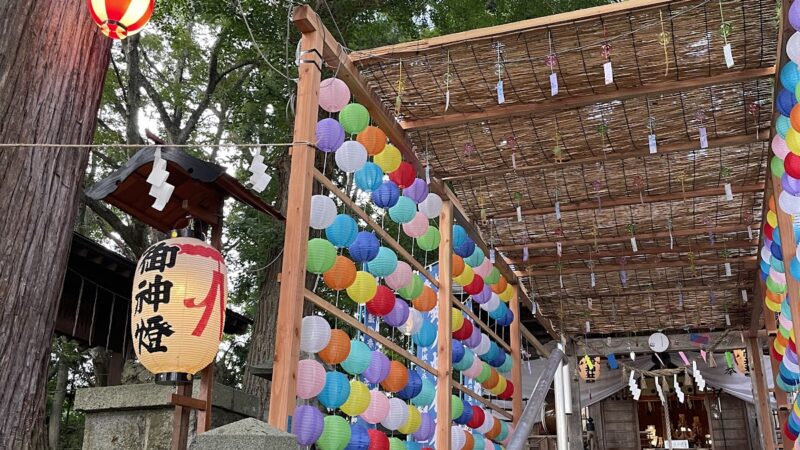
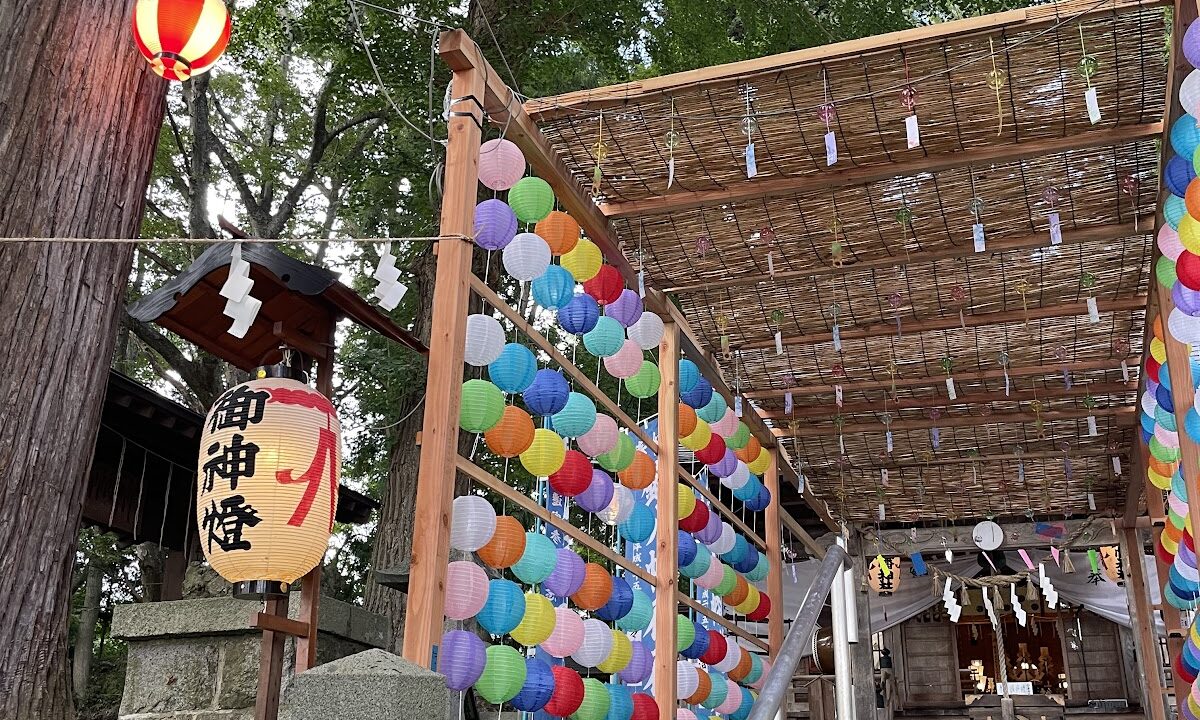
In summer, wind chimes and lanterns adorn the shrine grounds, creating a cool and refreshing atmosphere. The sound of wind chimes resonates throughout the grounds, making for a pleasant visit even in the hot season. The seasonal decorations of the shrine grounds are one of its charms, offering new discoveries with every visit.
Exhibits Related to Kaburaya (Whistling Arrows)
Within the shrine grounds, there are explanatory panels and exhibits related to Kaburaya, the origin of the shrine’s name. You can learn about the legend of the 12 Kaburaya said to have been dedicated by Minamoto no Yoshiie, deepening your understanding of history.
Annual Events and Festivals
Grand Festival
The Grand Festival, the most important festival of Kaburahachiman Shrine, is held grandly every year. Local people gather, and traditional Shinto rituals are performed solemnly. The festival includes a portable shrine procession and dedication ceremonies, offering a valuable opportunity to experience local culture.
New Year’s Visit
Many worshippers visit the shrine in the new year to pray for safety and success throughout the year. Many students and business professionals also visit, seeking blessings for good fortune in competitions and other endeavors.
Summer Visit
The shrine also focuses on the increasingly popular “summer visit,” welcoming visitors with limited-edition summer-themed goshuin (shrine stamps) and decorations. Wind chimes and lanterns create a refreshing atmosphere.
Access Information
Basic Information
Address: 169, Tsuchizawa 5-ku, Towa-cho, Hanamaki City, Iwate Prefecture
Phone Number: 0198-42-4333
Visiting Hours: Grounds are freely accessible (Shrine office hours: 9:00 AM – 5:00 PM)
Closed Days: None (May be closed due to religious ceremonies, etc.)
Access by Train
Nearest Station: JR Tohoku Main Line “Tsuchizawa Station”
Approximately a 15-minute walk from Tsuchizawa Station. Upon exiting the station, head towards the center of Towa-cho, and you will see a sign for Kabura Hachiman Shrine.
Travel Time from Major Stations
- From Hanamaki Station: Approximately 20 minutes on the JR Tohoku Main Line
- From Morioka Station: Approximately 50 minutes on the JR Tohoku Main Line
- From Ichinoseki Station: Approximately 40 minutes on the JR Tohoku Main Line
Access by Car
Using the Tohoku Expressway
- Approximately 20 minutes from Hanamaki Minami IC
- Approximately 25 minutes from Hanamaki IC
Take National Route 283 towards Towa Town. Entering the address into your car navigation system will ensure a smooth arrival.
Parking
There is free parking in the shopping district near the shrine, which is available to visitors. However, spaces are limited, so please consider using public transportation during peak seasons such as New Year’s Day and the annual festival.
About Prayers
Acceptance of Various Prayers
Kaburahachiman Shrine accepts the following types of prayers:
- Prayer for business prosperity
- Prayer for family safety
- Prayer for protection from evil
- Prayer for passing exams/academic success
- Prayer for improved luck in competitions
- Prayer for safe childbirth
- First shrine visit for a newborn
- Prayer for Shichi-Go-San (7-5-3) festival
- Prayer for traffic safety
Groundbreaking Ceremony/Shinto Funeral Ceremony
We also perform groundbreaking ceremonies and Shinto funeral ceremonies as on-site services.
Reservation Method
Prayers require advance reservations. Please tell us your desired date and time and the content of your prayer by phone.
Reservation Phone Number: 0198-42-4333
While same-day reservations may be possible in some cases, we recommend contacting us in advance as we may not be able to accommodate requests due to the schedule of Shinto rituals.
Nearby Tourist Attractions
Places Associated with Kenji Miyazawa
Hanamaki City is known as the birthplace of Kenji Miyazawa.
- Miyazawa Kenji Memorial Museum: Approximately 30 minutes by car
- Miyazawa Kenji Fairy Tale Village: Approximately 30 minutes by car
- Hanamaki Onsenkyo: Approximately 25 minutes by car
Attractions in Towa Town
- Narushima Washi Craft Museum: A facility where you can experience traditional Japanese paper making
- Michi-no-Eki Towa: You can purchase local specialties and fresh agricultural products
In addition to visiting Kabura Hachiman Shrine, you can also enjoy sightseeing in Hanamaki City and Towa Town.
Information Dissemination on Social Media
Kabura Hachiman Shrine posts daily updates and the latest information on its official social media accounts.
Official X (formerly Twitter)
Account Name: Kabura Hachiman Shrine (Official)
Handle: @kabura8jinja
Timely posts are made about the shrine grounds, seasonal events, and the latest information on Goshuin (shrine stamps). Checking before your visit will allow you to see the latest information on the shrine grounds and limited-edition Goshuin. ### Official Instagram
Account Name: Kabura Hachiman Shrine ⛩
Handle: @kabura__hachimanjinja
Beautiful photos are used to showcase the flower arrangements in the water basin, seasonal decorations, and Goshuin (shrine stamps). You can visually experience the shrine’s charm and increase your motivation to visit.
Inquiries can be made by phone or via the messaging function on social media.
Manners and Points for Visiting a Shrine
Basic Worship Etiquette
- Bow before passing through the torii gate: This is a courtesy before entering the sacred area.
- Walk along the edge of the path: The center is considered the path for the gods.
- Purify yourself at the water basin: Purify your left hand, right hand, and mouth in that order.
- Worship at the main hall: Two bows, two claps, and one bow is the basic ritual.
Photography
Photography is generally permitted on the shrine grounds, but please refrain from taking photos inside the main hall or during Shinto rituals. Furthermore, consideration for other visitors is necessary. At popular spots such as the flower-filled water basin, please take photos with a spirit of mutual respect.
Attire
While casual attire is acceptable, if you are receiving a prayer, somewhat formal attire is preferable. It’s best to avoid revealing clothing and sandals.
##Summary of the Charms of Kabura Hachiman Shrine
Kabura Hachiman Shrine, while boasting a historical background of Minamoto no Yoshiie’s prayers for victory during the Heian period, is a shrine that attracts many visitors with its modern goshuin (shrine stamp) culture and seasonal displays.
Despite its quiet rural setting, it actively engages in modern initiatives such as disseminating information on social media and offering a variety of goshuin. Its respect for history and tradition, combined with a warm welcome to new visitors, is a major attraction of this shrine.
It is a valuable shrine for a wide range of visitors, from those praying for good fortune and success, to those enjoying goshuin collecting, those interested in history, and those seeking a peaceful visit. When you visit Hanamaki City, be sure to stop by Kaburahachiman Shrine.
Frequently Asked Questions (FAQ)
Q1. How many types of goshuin (shrine stamps) are available at Kaburahachiman Shrine?
A1. In addition to the regular goshuin, there are about five types available at all times, including goshuin limited to even-numbered months, paper-cut goshuin, limited-time goshuin, and goshuin with a Galaxy Express motif. The contents change depending on the season and time of year, so please check the official social media or call for details.
Q2. Is there parking available?
A2. There is free parking in the shopping district near the shrine, which visitors can use. However, there is a limited number of spaces, so please consider using public transportation during busy times such as New Year’s Day or the annual festival.
Q3. Is a reservation required for prayers?
A3. Yes, reservations are required for prayers. Please call (0198-42-4333) to inform us of your desired date, time, and prayer request. While same-day appointments may be possible, we strongly recommend contacting us in advance.
Q4. What are the hours for receiving Goshuin (temple/shrine stamps)?
A4. Generally, the shrine office is open from 9:00 AM to 5:00 PM. However, we may not be able to provide service during Shinto rituals or festivals, so if you want to be sure to receive a Goshuin, we recommend calling in advance to confirm.
Q5. How long does it take to get there from the nearest station?
A5. It’s about a 15-minute walk from JR Tohoku Main Line “Tsuchizawa Station”. There are signs along the way from the station to the shrine, so you won’t get lost.
Q6. What does “Kabura” in Kabura Hachiman Shrine mean?
A6. Kabura is a spherical part attached to the tip of an arrow, designed to emit a sound during flight. The shrine’s name originates from the fact that Minamoto no Yoshiie dedicated 12 whistling arrows here to pray for victory in battle.
Q7. When can I see the flower arrangement in the water basin?
A7. The flower arrangement in the water basin is set up irregularly according to the season and shrine events. The latest information can be found on the official social media accounts (X: @kabura8jinja, Instagram: @kabura__hachimanjinja), so we recommend checking before your visit.
Q8. How crowded is it during the New Year’s visit?
A8. While many visitors come from New Year’s Day to the third day, it’s not as crowded as large shrines in urban areas. However, the parking lot may be full, so we recommend visiting with plenty of time to spare.
Q9. Do you sell goshuincho (stamp books)?
A9. Yes, we offer original goshuincho from Kabura Hachiman Shrine. These beautiful stamp books, featuring designs of whistling arrows and the shrine building, are a great memento of your visit.
Q10. Are there any places to eat nearby?
A10. There are restaurants and shops in the Tsuchizawa area of Towa Town. If you travel by car, you can also find facilities like the Towa Roadside Station where you can enjoy dishes made with local ingredients. If you venture further into Hanamaki city center, you’ll find even more restaurants.