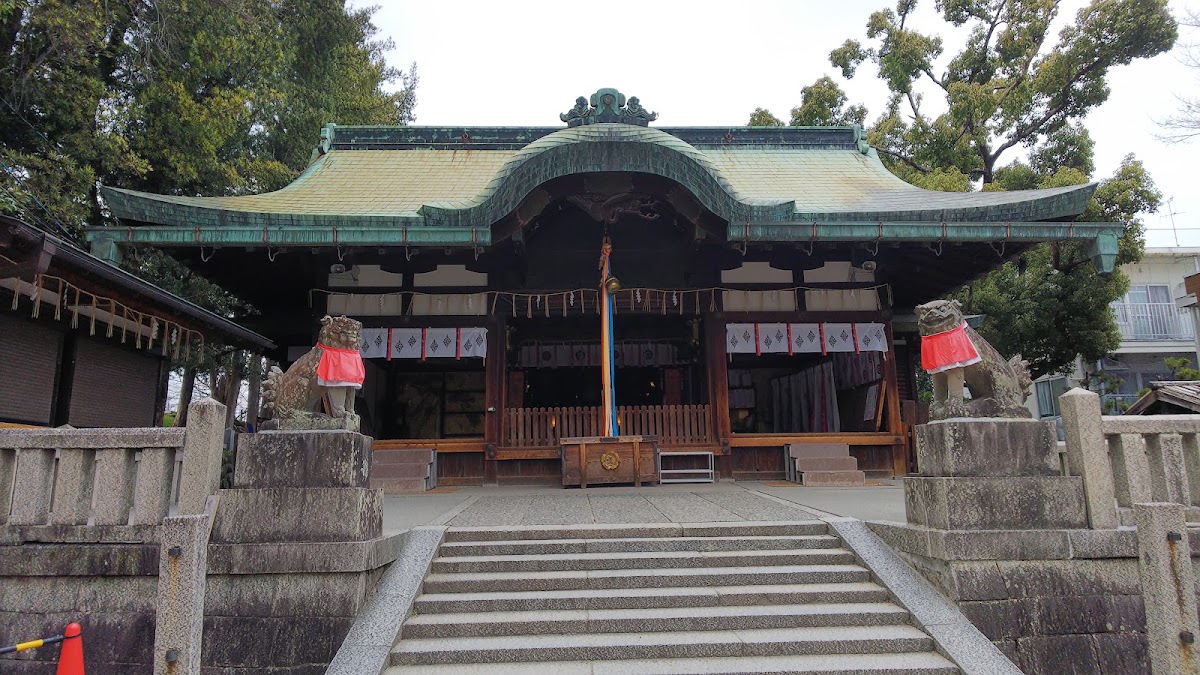
Ibaraki Shrine (Osaka Prefecture) Complete Guide | A Thorough Explanation of History, Deities, Blessings, Festivals, and Access
Located in the heart of Ibaraki City, Osaka Prefecture, between Hankyu Ibaraki-shi Station and JR Ibaraki Station, Ibaraki Shrine is the main guardian shrine of Ibaraki City, affectionately known as “Ibaraki-san” by the locals. Said to have been founded in 807 AD, this shrine boasts a history of over 1200 years and has a unique form nationwide, with the Shikinaisha (a shrine listed in the Engishiki, an ancient Japanese legal text) Ama-no-Iwakado-wake Shrine also located within its grounds. This article provides a thorough explanation of everything you need to know before visiting Ibaraki Shrine, including its history, deities, highlights within the grounds, the spring associated with Toyotomi Hideyoshi, major annual festivals, information on Goshuin (shrine stamps), and access methods.
Overview and Basic Information of Ibaraki Shrine
Ibaraki Shrine is located at 4-3 Motomachi, Ibaraki City, Osaka Prefecture, and its former shrine rank was Gosha (village shrine). Located near the Ibaraki City Hall, this shrine is so deeply rooted in the community that almost every local has visited it at least once.
Within the shrine grounds, in addition to the main Ibaraki Shrine, there is also the Ama-no-Iwato-wake Shrine, a Shikinaisha (a shrine listed in the Engishiki, an ancient Japanese legal code). During the Meiji era, this created a rare situation in Japan where two local shrines coexisted within the same grounds. This unique historical background is one of the most distinctive features of Ibaraki Shrine.
Basic Information
- Address: 4-3 Motomachi, Ibaraki City, Osaka Prefecture 567-0882
- Phone Number: 072-622-2346
- FAX: 072-624-5474
- Reception Hours: 9:00 AM – 5:00 PM
- Parking: Available (Limited number of spaces)
- Official Website: https://ibarakijinja.or.jp/
History of Ibaraki Shrine | From Sakanoue no Tamuramaro to the Present
Founding and Ancient Ibaraki
Regarding the founding of Ibaraki Shrine, the shrine’s history states, “In the second year of Daido (807 AD), when Sakanoue no Tamuramaro established the village of Ibarakiri, the Ama-no-Iwakado-wake Shrine was enshrined there.” The “Ibaraki Village History,” published in 1879 (Meiji 12), and the “Complete History of Osaka Prefecture,” compiled in 1922 (Taisho 11), both state, “In February of the second year of Daido (807 AD), Sakanoue no Tamuramaro established Ibaraki Town. This is considered the beginning of Japanese towns, as recorded in the Thirteen Court Anthologies.” This indicates a close connection between the development of the Ibaraki area and the founding of the shrine.
Sakanoue no Tamuramaro was a military commander in the early Heian period, known for his achievements in pacifying the Tohoku region as Seii Taishogun (Commander-in-Chief of the Expeditionary Force against the Barbarians). One theory suggests that the place name “Ibaraki-giri” (荊切り), originated from his clearing away of thorns to create the village, later becoming “Ibaraki.”
Development from the Medieval to the Sengoku Period
In the medieval period, Ibaraki Shrine became widely revered as the tutelary shrine of Nakajo Village and Ibaraki Village. Especially during the Sengoku and Azuchi-Momoyama periods, it received fervent devotion from the lords of Ibaraki Castle.
During the time of Toyotomi Hideyoshi, Nakagawa Kiyohide and Katagiri Sadataka, lords of Ibaraki Castle, donated Ueda (the shrine’s territory), contributing to the maintenance and development of the shrine. Ibaraki Castle was one of the important strategic points in Settsu Province during this period, and the reverence of the castle lords enhanced the shrine’s authority.
Prosperity in the Edo Period
In the Tokugawa period, the shrine received deep reverence from both samurai and parishioners, with the Nagai family, lords of Ibaraki Domain, and the Osaka Castle governor sending representatives to attend festivals on their behalf. The summer festival, which has been held since the mid-Edo period, is known as the “Gion Festival of Shimoshimo District” in Settsu Province, and a grand procession of the portable shrine takes place every year. This tradition continues to this day and remains an important annual event at Ibaraki Shrine.
Meiji Restoration and the Shrine Ranking System
In 1872 (Meiji 5), with the introduction of the shrine ranking system by the Meiji government, Ibaraki Shrine was ranked as a local shrine. However, in response, the parishioners launched a petition campaign to request that the original shrine, Ama-no-Iwato-wake Shrine, be granted the same rank.
As a result of this movement, in 1879 (Meiji 12), Ama-no-Iwato-wake Shrine was also elevated to the rank of a local shrine, creating the extremely rare situation nationwide of two local shrines existing within the same precincts. This is noteworthy as a testament to the depth of the parishioners’ faith and their respect for both shrines.
From Modern to Contemporary Times
Even as times have shifted from the Showa to the Heisei and Reiwa eras, Ibaraki Shrine continues to function as a spiritual pillar of the community. In the increasingly urbanized heart of Ibaraki City, the shrine grounds also serve as a valuable green space and a place of relaxation for local residents.
Deities and Blessings
Deities of Ibaraki Shrine
The main deities of Ibaraki Shrine are as follows:
Takehayasusano-no-Mikoto
A representative god in Japanese mythology, known for the legend of slaying Yamata no Orochi. He is believed to grant a wide range of blessings, including protection from evil, eradication of disease, matchmaking, and business prosperity.
Kushiinadahime-no-Mikoto
The wife of Susanoo-no-Mikoto, she is also worshipped as the guardian deity of rice cultivation. She is believed to grant blessings of marital harmony, family safety, and abundant harvests.
Susanoo-no-Mikoto
He is worshipped as another name for Takehayasusano-no-Mikoto.
Hachioji-no-Mikoto
A collective name for the eight deities considered to be the children of Susanoo-no-Mikoto.
Deities enshrined at Ame-no-Iwatowake Shrine
The deity enshrined at Ame-no-Iwatowake Shrine, a Shikinaisha (shrine listed in the Engishiki) located within the grounds, is:
Ame-no-Iwatowake-no-Kami
This deity is associated with the myth of Ama-no-Iwato (the Heavenly Rock Cave) and is believed to bring good fortune, protection from evil, and opening new paths.
Blessings Received at Ibaraki Shrine
Ibaraki Shrine is believed to offer the following blessings:
- Protection from Evil and Disaster: Exorcism through the powerful divine authority of Susanoo-no-Mikoto
- Expulsion of Epidemics and Healing from Illness: Worshipped since ancient times as a god who quells epidemics
- Matchmaking and Marital Harmony: Deities Susanoo-no-Mikoto and Kushinadahime-no-Mikoto
- Family Safety and Prosperity of Descendants: Protection as a guardian deity of the local area
- Business Prosperity and Success: As a god who watches over the development of the region
- Good Fortune and Prosperity: The divine virtue of Ama-no-Iwato-wake-no-Kami who opens the way
Highlights of the Shrine Grounds
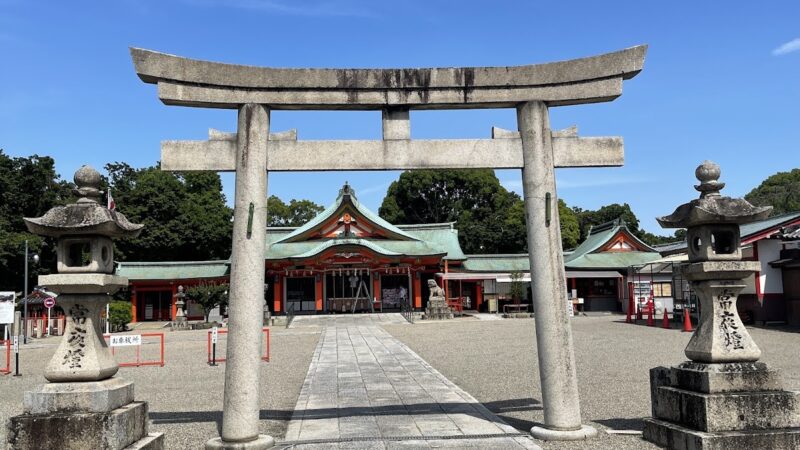
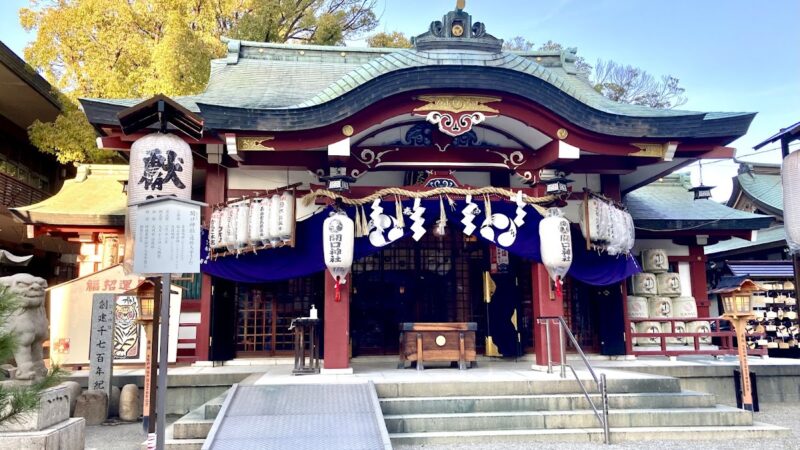
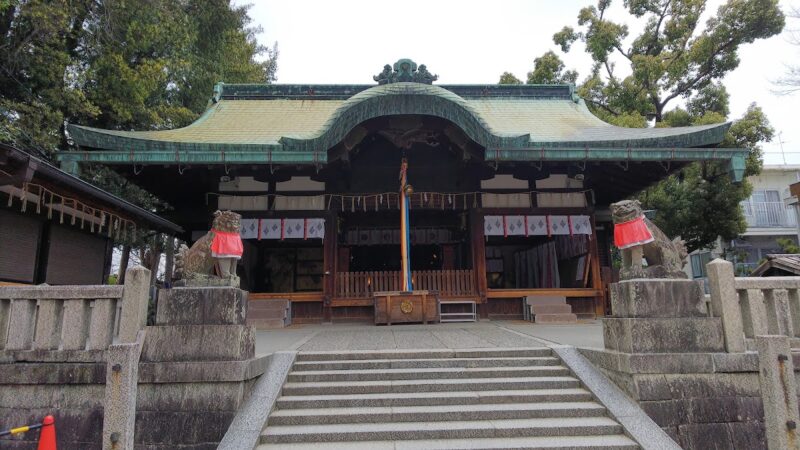
Main Hall and Worship Hall
The main hall of Ibaraki Shrine is built in the traditional style of shrine architecture, and together with the worship hall, it exudes a solemn atmosphere. Worshippers pray in front of the worship hall using the ritual of two bows, two claps, and one bow.
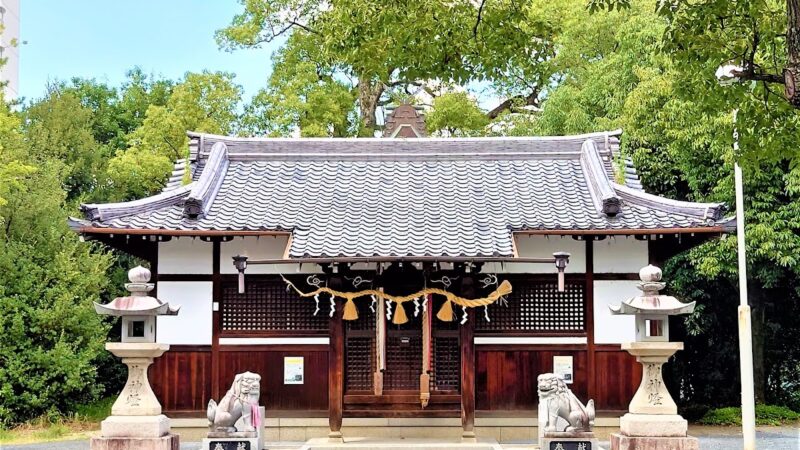
Ama-no-Iwato-wake Shrine (Shikinaisha)
The Ama-no-Iwato-wake Shrine, located within the grounds, is a historically significant shrine listed in the Engishiki Jinmyocho (a list of shrines compiled in the Heian period). It has a separate shrine building from the main Ibaraki Shrine, and visitors can worship at both. It has a history of being designated a Gosha (village shrine) in 1879 (Meiji 12), and it preserves the nationally rare form of having two Gosha within one shrine grounds.
Ibaraki Castle Rear Gate (East Gate)
The East Gate within the grounds is said to be a relocated rear gate (back gate) of Ibaraki Castle. Ibaraki Castle was a fortress that existed from the Sengoku period to the early Edo period, and although very few remains today, this gate is preserved as a valuable historical artifact.
The structure and design of the gate offer a glimpse into the characteristics of castle architecture from that era, making it a must-see spot for history buffs.
Kuroi no Shimizu (Well Associated with Toyotomi Hideyoshi)
Within the shrine grounds is a well called “Kuroi no Shimizu,” known as a spring associated with Toyotomi Hideyoshi. Legend says that Hideyoshi drank from this spring when he visited Ibaraki, making it a historically significant well with over 400 years of history.
Even today, pure water flows from it, contributing to the sacred atmosphere of the shrine grounds. Its high historical value makes it a must-see spot when visiting Ibaraki Shrine.
Subsidiary Shrines
In addition to the main shrine and the Ama-no-Iwato-wake Shrine, several subsidiary shrines are located within the grounds:
- Inari Shrine: God of business prosperity and abundant harvests
- Ebisu Shrine: God of business prosperity and protection of fisheries
- Kasuga Shrine: God of military success and family safety
These subsidiary shrines also attract many worshippers seeking their respective divine blessings.
Water Basin and Sacred Tree
Near the entrance is a magnificent water basin where visitors can purify their minds and bodies before praying. Within the shrine grounds is a sacred tree, estimated to be several hundred years old, its majestic presence conveying the weight of the shrine’s history.
Main Rituals and Annual Events
Ibaraki Shrine holds various rituals and festivals throughout the year.
New Year’s Day Festival (January 1st)
This is the first festival of the new year, praying for peace and prosperity throughout the year. From New Year’s Day to the third day, the shrine grounds are bustling with worshippers, overflowing with people seeking lucky charms such as hama-ya (demon-repelling arrows) and kumade (rakes).
Setsubun Festival (around February 3rd)
Beans are scattered with the chant of “Oni wa soto, Fuku wa uchi” (Demons out, Fortune in), praying for protection from evil and good fortune. It is a lively event in which local children also participate.
Spring Festival (April)
This is an important festival celebrating the arrival of spring and praying for a bountiful harvest and the well-being of the parishioners.
Summer Festival (Mid-July)
The Summer Festival is one of the most grand festivals at Ibaraki Shrine. This festival, which has been passed down since the mid-Edo period, is known as the “Gion Festival of Shimoshita District” in Settsu Province, and features a grand procession of portable shrines every year.
The sight of the portable shrines parading through the parish area, surrounded by numerous stalls, is a quintessential summer scene in Ibaraki. A performance by the Ibaraki Shrine Gagaku Association is also held, allowing visitors to enjoy traditional performing arts.
Autumn Festival (October)
This is an important festival expressing gratitude for the autumn harvest and praying for the prosperity of the parishioners. Kagura (sacred dance) performances are also held.
Shichi-Go-San Festival (November)
During the Shichi-Go-San festival, which celebrates the growth of children, many families visit the shrine. Families can be seen taking commemorative photos throughout the grounds.
Great Purification Ceremony (June 30th & December 31st)
This Shinto ritual purifies the sins and impurities accumulated over the past six months. The Summer Great Purification Ceremony (June) and the Year-End Great Purification Ceremony (December) are held.
Goshuin (Shrine Seals) and Amulets
Goshuin Information
Ibaraki Shrine offers Goshuin (shrine seals), which are popular as a memento of their visit. The shrine office is open from 9:00 AM to 5:00 PM.
In addition to the regular Goshuin, limited-edition Goshuin are sometimes offered during special festivals. You can bring your own Goshuincho (seal book) or purchase one on-site.
The Goshuin (seal) of Ama-no-Iwato-wake Shrine is also available at the same shrine office, allowing you to receive both shrines’ seals at once.
Items Available
Ibaraki Shrine offers a variety of amulets and items:
- Exorcism Amulet: For those in their unlucky year or those seeking protection from misfortune
- Traffic Safety Amulet: For those seeking safety in cars or bicycles
- Academic Success Amulet: Popular among students and those preparing for exams
- Matchmaking Amulet: For those seeking good relationships
- Health Amulet: For those seeking recovery from illness and longevity
- Business Prosperity Amulet: For those seeking business development
Other items such as Hama-ya (demon-repelling arrows), Kumade (rakes), and Ema (votive tablets) are also available.
Access and Transportation Information
Access by Train
Ibaraki Shrine is conveniently located about 30 minutes by train from Osaka city center, making it easily accessible.
If using Hankyu Railway:
- Get off at Ibaraki-shi Station on the Hankyu Kyoto Line, approximately 7-10 minutes on foot (approx. 548m)
- Exit the station and head southeast towards Ibaraki City Hall.
If using JR:
- Get off at Ibaraki Station on the JR Kyoto Line, approximately 15 minutes on foot
- Exit the station and head east towards Hankyu Ibaraki-shi Station.
Ibaraki Shrine is located roughly halfway between Hankyu Ibaraki-shi Station and JR Ibaraki Station, and is accessible from either station. Hankyu Ibaraki-shi Station is slightly closer, so we recommend using the Hankyu line for first-time visitors.
Access by Car
If using the expressway:
- Approximately 10 minutes from the Meishin Expressway “Ibaraki IC”
- Approximately 20 minutes from the Kinki Expressway “Kadoma IC”
If using general roads:
- From National Route 171, head towards Ibaraki city center
- Along Chuo-dori, near Ibaraki City Hall
There are a limited number of parking spaces available on the shrine grounds, but due to limited capacity, it may be full during festivals and on weekends. We recommend using public transportation whenever possible.
Landmarks in the vicinity
- Ibaraki City Hall: Approximately 3 minutes on foot
- Hankyu Ibaraki-shi Station: Approximately 7 minutes on foot
- JR Ibaraki Station: Approximately 15 minutes on foot
- Central Library: Approximately 5 minutes on foot
Nearby Tourist Attractions
When visiting Ibaraki Shrine, you can also visit nearby tourist attractions.
Ibaraki City Cultural Properties Museum
This museum exhibits the history and cultural properties of Ibaraki City, and has a rich collection of materials related to Ibaraki Castle and ancient Ibaraki. It is worth visiting to gain a deeper understanding of the history of Ibaraki Shrine.
Ibaraki City Central Park
This vast park in the city center allows you to enjoy nature throughout the seasons. It is ideal for walks and picnics.
Shopping Street
A lively shopping street spreads around Hankyu Ibaraki-shi Station, where you can enjoy local cuisine and shopping. It is convenient for meals and rest after visiting the shrine.
Manners and Etiquette for Visiting Shrines
When visiting a shrine, it is important to observe basic manners and etiquette.
How to Pass Through a Torii Gate
The torii gate is the entrance to the sacred area. Bow before passing through, and walk along the side of the path, as the center (seichu) is considered the path of the gods.
Proper Hand-Washing Ritual
- Take the ladle with your right hand and wash your left hand.
- Switch the ladle to your left hand and wash your right hand.
- Switch the ladle back to your right hand, receive water in your left hand, and rinse your mouth.
- Wash your left hand again.
- Hold the ladle upright and pour water over the handle to cleanse it.
- Return the ladle to its original position.
Proper Worship Ritual at the Main Hall
- Stand in front of the offering box and bow slightly.
- Gently place your offering in the box.
- If there is a bell, ring it.
- Two bows (two deep bows).
- Two claps (two claps at chest height).
- One bow (one deep bow).
Summary of Ibaraki Shrine’s Charms
Ibaraki Shrine is a venerable shrine with a history of over 1200 years, and continues to be affectionately known as “Ibaraki-san” by the local people. The shrine boasts numerous historically and culturally valuable elements, including the legend of its founding by Sakanoue no Tamuramaro, the Kuroi spring associated with Toyotomi Hideyoshi, a relocated gate from the rear gate of Ibaraki Castle, and the rare sight of two local shrines situated within a single precinct.
The summer festival’s portable shrine procession, a tradition dating back to the Edo period, is a significant regional event known as the “Gion Festival of Shimoshita District” in Settsu Province. The Ibaraki Shrine Gagaku Association’s performance of Gagaku (ancient Japanese court music) offers a valuable opportunity to preserve and pass on traditional Japanese culture.
Despite its convenient location just 30 minutes by train from Osaka city center, the shrine grounds are enveloped in a tranquil atmosphere, offering a peaceful escape from the hustle and bustle of the city. Believed to offer a wide range of blessings, including protection from evil, matchmaking, family safety, and business prosperity, the shrine is bustling throughout the year with visitors celebrating life’s milestones such as New Year’s, Shichi-Go-San (a traditional rite of passage for children), and exorcisms.
For history buffs, it offers the remains of Ibaraki Castle and the legends of Sakanoue no Tamuramaro; for those interested in shrine architecture, it showcases its unique coexistence with Shikinaisha (shrines listed in the Engishiki); and for those interested in local culture, it offers traditional festivals. This shrine can be enjoyed from a variety of perspectives.
When you visit Ibaraki City, be sure to stop by Ibaraki Shrine and quietly pray in its grounds, steeped in long history and tradition, to experience the profound depth of Japanese shrine culture. You too can spend a special time in this place of worship that has been carefully preserved by the local people.