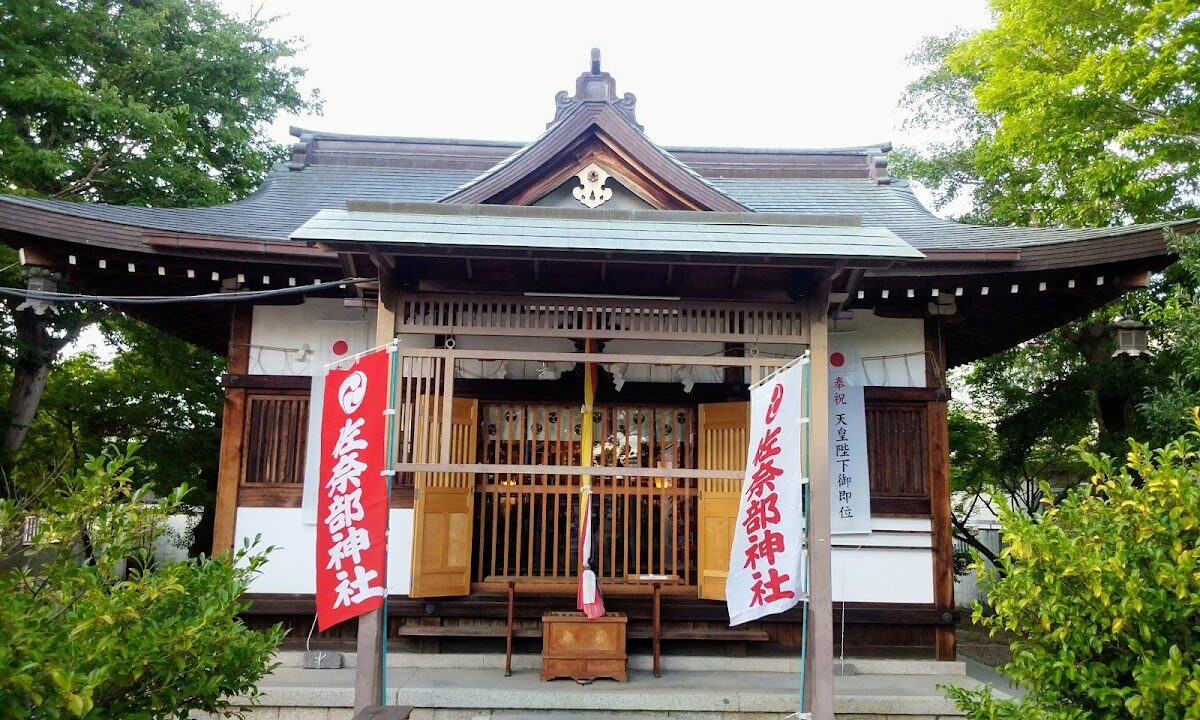
Complete Guide to Sanabe Shrine (Ibaraki City, Osaka Prefecture) | Goshuin (Shrine Seal), History, and Access Information
Sanabe Shrine, located in Inaba-cho, Ibaraki City, Osaka Prefecture, is a historic shrine that has long been revered as the local guardian deity. This article comprehensively introduces information you should know before visiting Sanabe Shrine, including its goshuin (shrine seal), history, highlights of the grounds, and access methods.
Basic Information about Sanabe Shrine
Sanabe Shrine is located at 16-26 Inaba-cho, Ibaraki City, Osaka Prefecture, and has been revered as the guardian deity of the five villages of Mizuo, Do, Koji, Uchise, and Masago in Mizuo-go, Shimoshimo-gun, Settsu Province. Its former shrine rank was Village Shrine, and it remains cherished by the local people today.
Location and Contact Information
- Address: 16-26 Inaba-cho, Ibaraki City, Osaka Prefecture
- Shrine Rank: Former Village Shrine
- Annual Festival: May 17th and October 17th (Twice a year)
The Sanabe Agricultural Museum is also located within the shrine grounds, playing an important role in conveying the history and culture of the region.
Deities and Divine Virtues
The following two deities are enshrined at Sanabe Shrine:
Kasuga-no-Okami
Kasuga-no-Okami are deities known as the enshrined deities of Kasuga Taisha Shrine in Nara, and are a collective term for Takemikazuchi-no-Mikoto, Futsunushi-no-Mikoto, Amenokoyane-no-Mikoto, and Himegami. They are believed to have the divine virtues of national protection, protection from evil, and bringing good fortune.
Emperor Ōjin
Emperor Ōjin, the 15th Emperor of Japan, is enshrined as Hachiman-sama in Hachiman shrines throughout Japan. He is believed to bestow blessings such as military success, national peace and security, industrial prosperity, and cultural development. Many worshippers visit the shrine to pray for success in competitions and business ventures.
Due to the combination of these two deities, Sanabe Shrine is revered as a shrine with a wide range of blessings, including protection from evil, good fortune, business prosperity, and abundant harvests.
History and Origins of Sanabe Shrine
Origin of the Name “Sanabe”
The name “Sanabe” has an interesting historical background. One theory suggests it derives from the people who made “sana,” an agricultural tool used to thresh rice and wheat. Another theory suggests it refers to “sanaki,” a metal bell used in rituals, indicating a deep connection to ancient rituals and agriculture.
History from the Middle Ages Onward
The exact founding date of Sanabe Shrine is unknown, but it is known to have existed since ancient times as the tutelary shrine of five villages in Mizuo-go, Shimo-gun, Settsu Province. However, much of its history was lost due to floods and wars in the Middle Ages, and detailed records no longer exist.
Nevertheless, the faith of the local people continued uninterrupted, and it was recognized as a village shrine during the Edo period. Even after the Meiji Restoration, it has played an important role as a spiritual pillar of the region.
Relationship with Mizuo-go, Shimo-gun, Settsu Province
Mizuo-go, Shimo-gun, Settsu Province, where Sanabe Shrine was enshrined as the tutelary shrine, corresponds to the area around present-day Inaba-cho, Ibaraki City. The history of the five villages—Mizuo, Do, Koji, Uchise, and Masago—working together to maintain the shrine speaks to the strong bonds of the local community.
Highlights of the Shrine Grounds
Main Hall and Worship Hall
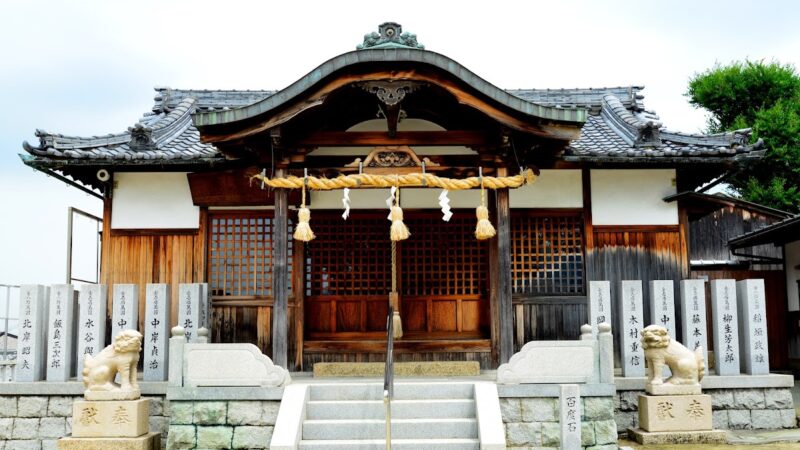
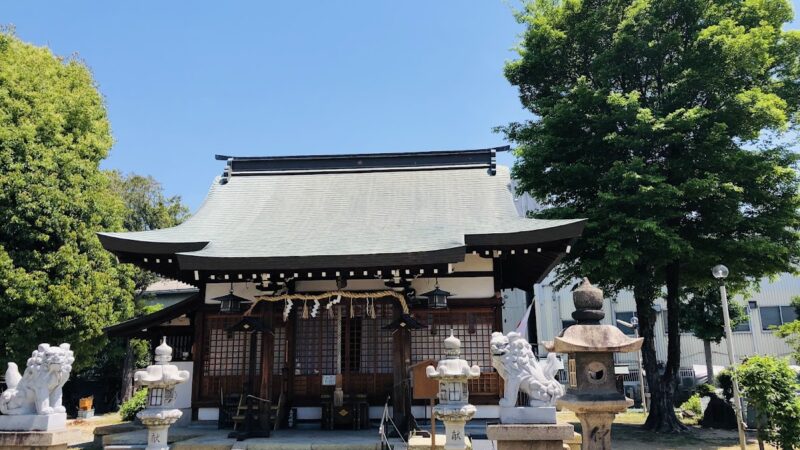
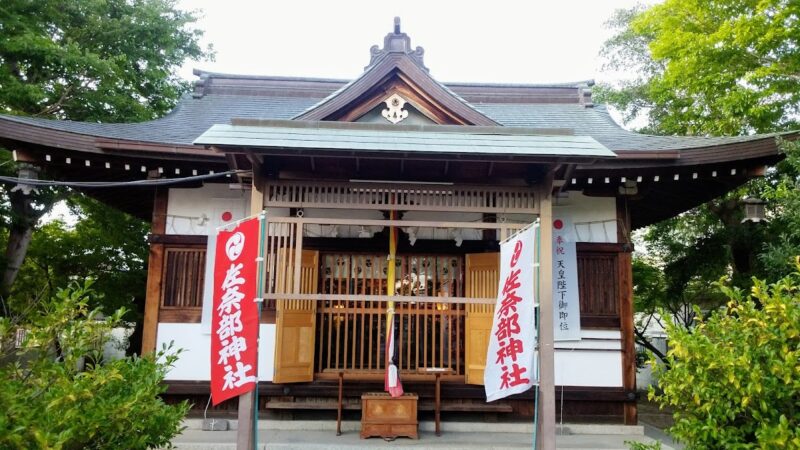
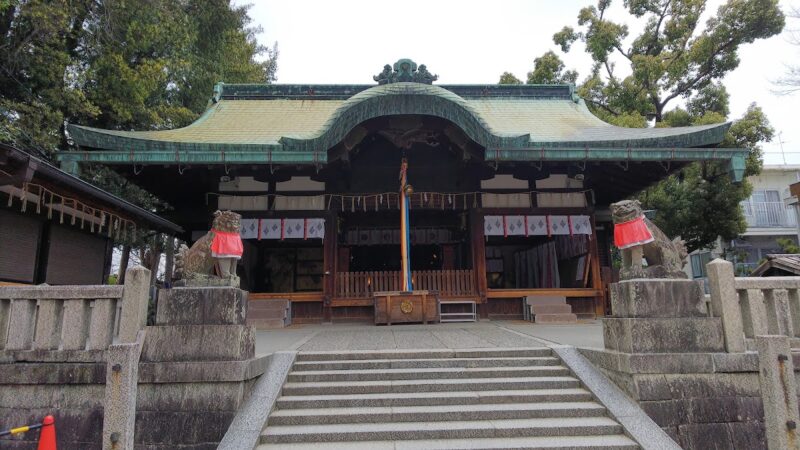
The main hall of Sanabe Shrine is built in the traditional shrine architectural style, creating a tranquil atmosphere. The main hall provides a place for worshippers to quietly offer prayers, serving as a daily place of faith for the local community.
Atmosphere of the Shrine Grounds
Despite being located in a residential area, stepping onto the shrine grounds reveals a tranquil space. Surrounded by trees, the grounds offer a rare opportunity to experience nature despite being in an urban area.
Sanabe Agricultural Museum
The Sanabe Agricultural Museum is located within the shrine grounds, exhibiting the history of local agriculture and traditional farming tools. This museum is an important facility that conveys the agricultural culture related to the origin of the name “Sanabe.”
The museum preserves and displays farming tools and daily life implements that were used in the past, allowing visitors to learn about the history of the region. Visiting the museum in conjunction with a visit to the shrine will allow you to experience the local culture more deeply.
Information on Goshuin (Shrine Seals) and Goshuincho (Shrine Seal Books)
About Goshuin
Goshuin (shrine seals) are available at Sanabe Shrine. Goshuin are popular among worshippers as proof of their visit to the shrine and as a memento of their trip. Points to Note When Receiving a Goshuin (Shrine Stamp):
- Prior Confirmation: We recommend checking the Goshuin issuance time and method in advance.
- After Visiting: Always complete your prayers before receiving your Goshuin.
- Goshuincho (Shrine Stamp Book): Bringing your own Goshuincho is recommended.
- Offering Fee: Generally, the going rate is around 300 to 500 yen.
About Goshuincho
We recommend checking before your visit whether Sanabe Shrine has its own original Goshuincho. Even if they don’t have an original Goshuincho, they will stamp your Goshuincho from another shrine.
Access Information
Access by Train
The nearest station to Sanabe Shrine is Ibaraki-shi Station on the Hankyu Kyoto Line.
From Hankyu Ibaraki-shi Station:
- Approximately 15 minutes on foot
- Head northwest from the station, passing through a residential area to reach the destination.
From JR Ibaraki Station:
- Approximately 20 minutes on foot
- Alternatively, travel to Hankyu Ibaraki-shi Station and walk from there.
Access by Bus
You can also use local buses operating within Ibaraki City. The nearest bus stop is a few minutes’ walk away, but since the number of buses may be limited, it is recommended to check the timetable in advance.
Access by Car
If visiting by private car:
- Meishin Expressway: Approximately 10 minutes from Ibaraki IC
- Parking: There may be parking spaces on the temple grounds, but the number is limited, so using public transportation is recommended.
As it is located in a residential area, some surrounding roads are narrow. Please drive carefully.
Annual Events and Festivals
Spring Festival (May 17th)
The Spring Festival, held annually on May 17th, is an important Shinto ritual praying for a bountiful harvest and the safety of the community. Parishioners and local residents gather for the traditional festival.
Autumn Festival (October 17th)
The Autumn Festival, held on October 17th, is a festival expressing gratitude for the harvest. Along with the Spring Festival, it is considered one of the most important festivals in the annual events of Sanabe Shrine.
Other Annual Events
- Hatsumode: The shrine is bustling with worshippers in the New Year.
- Setsubun Festival: A ritual for warding off evil spirits is held.
- Shichi-Go-San: Worshippers visit in November for Shichi-Go-San celebrations.
Manners and Points for Visiting the Shrine
Basic Worship Etiquette
- Bow before passing through the torii gate: This is a courtesy before entering the sacred area.
- Purify yourself at the water basin: Purify your left hand, right hand, and mouth in that order.
- Two bows, two claps, one bow: This is the basic worship etiquette at the main hall.
- Be quiet on the shrine grounds: Consideration for other worshippers is important.
Best Season for Visiting
Sanabe Shrine can be visited throughout the year, but the following times are especially recommended:
- Spring (March-May): The fresh greenery is beautiful, and the spring festival is also held.
- Autumn (September-November): Pleasant weather, and the autumn festival is held.
- New Year’s Visit (January): Many worshippers visit to pray for the New Year.
Nearby Attractions
Historical Spots in Ibaraki City
Around Sanabe Shrine, there are many spots where you can experience the history of Ibaraki City.
- Ibaraki Shrine: A large shrine known as the guardian shrine of Ibaraki City.
- Ibaraki Castle Ruins: A historical site with the remains of a castle from the Sengoku period.
- Kawabata Yasunari Literary Museum: A literary museum associated with Nobel Prize-winning author Kawabata Yasunari.
Nearby Shrines and Temples
There are many other shrines and temples in Ibaraki City. For those who enjoy visiting shrines, a pilgrimage course visiting multiple shrines is recommended.
Connections with the Community
Role as a Local Guardian Deity
Sanabe Shrine has played a central role in the local community as the local guardian deity of the five villages of Mizuo, Do, Koji, Uchise, and Masago. Even today, it remains a spiritual haven for the local people, with worshippers visiting regularly.
Participation in Local Events
Local residents actively participate in shrine events, including the annual festival, preserving tradition. This strong connection with the community is a major characteristic of Sanabe Shrine.
How to Enjoy Visiting Sanabe Shrine
Enjoy a Quiet Visit
Despite being located in a residential area, the shrine grounds are enveloped in a tranquil atmosphere. Away from the hustle and bustle of the city, the time spent in quiet prayer can be a refreshing break from daily life.
Learning about Local History at the Agricultural Museum
Visiting the Sanabe Agricultural Museum in conjunction with your shrine visit will deepen your understanding of the local history and culture. It’s a valuable opportunity to learn about agricultural culture, which is also related to the origin of the name “Sanabe.”
As part of collecting Goshuin (temple/shrine stamps)
For those collecting Goshuin, Sanabe Shrine is an important spot on a shrine tour in Ibaraki City. Visiting it along with nearby shrines will make for a more fulfilling shrine visit.
Combining with a local stroll
The area around Ibaraki City Station has many shopping streets and restaurants, so you can enjoy a local stroll after your visit. It’s also recommended to relax and enjoy the local atmosphere.
Precautions when visiting
Visiting hours
While the shrine grounds are generally open for free visits during the day, please refrain from visiting early in the morning or late at night. If you wish to obtain a Goshuin or receive assistance at the shrine office, it is recommended to visit during daytime hours.
Regarding Photography
Photography is generally permitted on the shrine grounds, but please observe the following points:
- Refrain from photographing inside the main hall.
- Be considerate and avoid including other worshippers in your photos.
- Avoid using flash photography.
- Obtain permission before photographing during religious ceremonies.
Regarding Attire
While casual attire is acceptable, it is advisable to avoid overly casual or revealing clothing. Especially when participating in religious ceremonies such as annual festivals, please dress appropriately.
History of Ibaraki City and Sanabe Shrine
History of Settsu Province
Ibaraki City, where Sanabe Shrine is located, was formerly part of Settsu Province. Settsu Province flourished as an important region within the Kinai area from ancient times and was the stage for many historical events.
Changes in Mizuo-go, Shimoshimo-gun
Although the place name Mizuo-go, Shimoshimo-gun, Settsu Province is no longer in use, it indicates that this area was developed from ancient times. Sanabe Shrine is a valuable presence that conveys the history of this region to the present day.
Summary
Sanabe Shrine is a historic shrine located in Inaba-cho, Ibaraki City, Osaka Prefecture. It enshrines Kasuga-no-Okami and Emperor Ojin, and has long been revered as the local guardian deity. It is easily accessible, about a 15-minute walk from Hankyu Ibaraki-shi Station, and the Sanabe Agricultural Museum is located on the grounds.
Various Shinto rituals are performed throughout the year, including the two annual festivals on May 17th and October 17th, providing spiritual support to the local community. Since you can also receive a Goshuin (shrine stamp), it’s a recommended spot for those who enjoy visiting shrines.
Despite being located in a quiet residential area, stepping into the grounds of Sanabe Shrine envelops you in a sacred atmosphere. When visiting Ibaraki City, why not pay a visit? The time spent quietly offering prayers while experiencing the local history and culture will surely be a memorable experience.