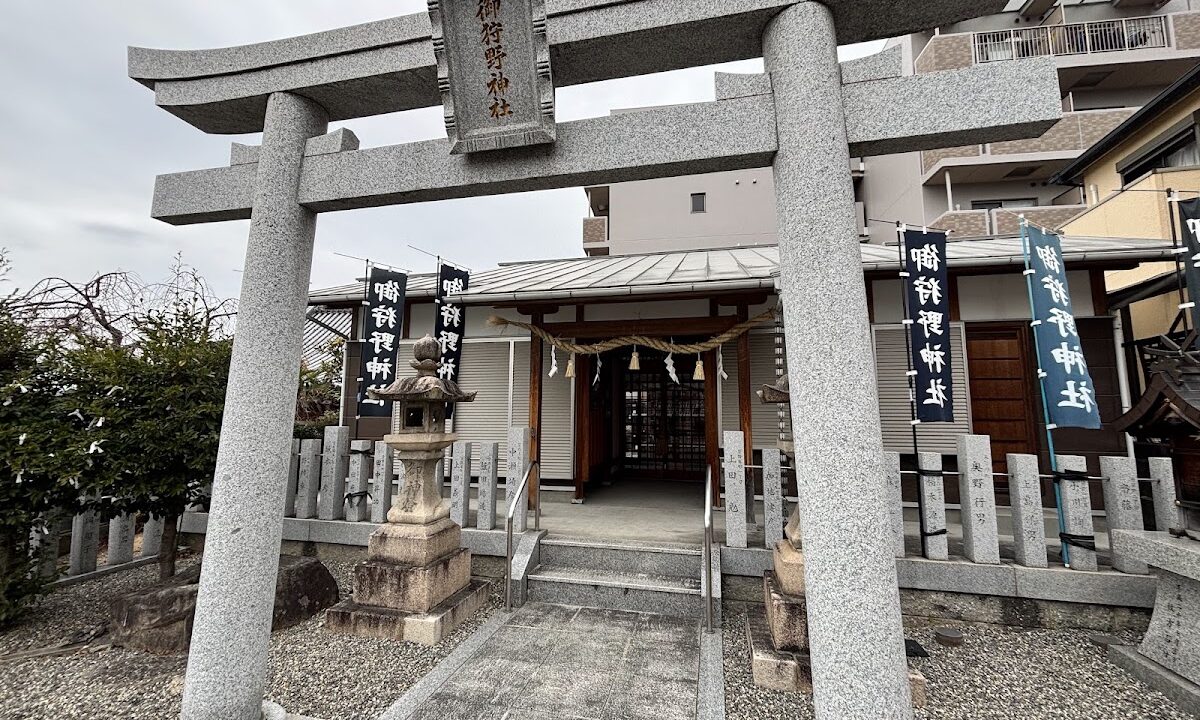
Mikarino Shrine (Hirakata City, Osaka Prefecture) Complete Guide | History, Deities, Access, and Visiting Information
Mikarino Shrine, located in Kinoya Honmachi, Hirakata City, Osaka Prefecture, is a historical shrine deeply rooted in the local community. It’s within walking distance of Miyanosaka Station and Hirakata-shi Station on the Keihan Railway, welcoming visitors amidst a quiet residential area. This article comprehensively introduces detailed information useful for visiting Mikarino Shrine, including its history, enshrined deities, grounds, access methods, and information on Goshuin (shrine stamps).
Basic Information on Mikarino Shrine
Mikarino Shrine is located at 2-7-41 Kinoya Honmachi, Hirakata City, Osaka Prefecture, and belongs to the Third Branch of the Osaka Prefectural Shrine Association. Despite being located in a residential area, it boasts lush green grounds and is cherished as the local guardian shrine.
Location and Access Overview
Address: 2-7-41 Kinoya Honmachi, Hirakata City, Osaka Prefecture 573-1197
Nearest Station:
- Approximately 7 minutes on foot from Miyanosaka Station on the Keihan Railway
- Approximately 9 minutes on foot from the East Exit of Hirakata-shi Station on the Keihan Railway
Phone Number: 072-858-0740 (via Sannomiya Shrine)
While parking information within the shrine grounds is limited, nearby paid parking is available. The shrine is conveniently located and easily accessible by public transportation.
Deities and Divine Virtues of Mikarino Shrine
Mikarino Shrine enshrines three deities. Let’s take a closer look at each of them.
Ōsazaki no Mikoto
Ōsazaki no Mikoto is another name for Emperor Nintoku, the 16th emperor. Emperor Nintoku is famous as a benevolent emperor known for the anecdote of “the people’s hearth,” and is remembered in history as a compassionate ruler who cared deeply for his people. He is believed to bestow divine blessings such as national peace and security, abundant harvests, and stability of people’s lives.
Susanoo-no-Mikoto
Susanoo-no-Mikoto, also written as 須戔嗚尊, is a deity who plays an important role in Japanese mythology. Known for the legend of slaying the Yamata no Orochi (eight-headed serpent), he is believed to bestow divine blessings such as protection against evil, disaster, matchmaking, and agricultural protection. He is a powerful deity who attracts many worshippers.
King of Baekje
King of Baekje is a deity associated with the ancient Korean kingdom of Baekje. The Hirakata City area was a region where many immigrant clans resided in ancient times, and the worship of King of Baekje reflects the historical background of the region. He is believed to bestow divine blessings such as cultural and technological development and academic achievement.
History and Origins of Mikarino Shrine
While there are no clear records regarding the founding date of Mikarino Shrine, it is believed to have a long history as an ancient shrine in the region.
Relationship with the Place Name “Kinno”
The place name “Kinno,” where the shrine is located, is believed to originate from “Kinno,” which was an imperial hunting ground in ancient times. The shrine’s name, “Mikano,” is also thought to be related to this hunting ground, suggesting its connection to the imperial family. The enshrinement of Ōsasagi-no-Mikoto (Emperor Nintoku) as the main deity is also thought to be deeply connected to the historical background of this region.
Historical Background of Hirakata City
Hirakata City has flourished since ancient times as a transportation hub of the Yodo River system. In particular, many immigrants from the Korean Peninsula, such as Baekje, resided there, bringing advanced technology and culture. The enshrinement of a Baekje king at Mikarino Shrine reflects these historical characteristics of the region.
The area around Kinoya Honmachi is dotted with other old temples and shrines, including Shinkoji Temple and Jorenji Temple, which are located nearby. Along with these religious facilities, Mikarino Shrine has functioned as a spiritual center of the region.
Grounds and Highlights
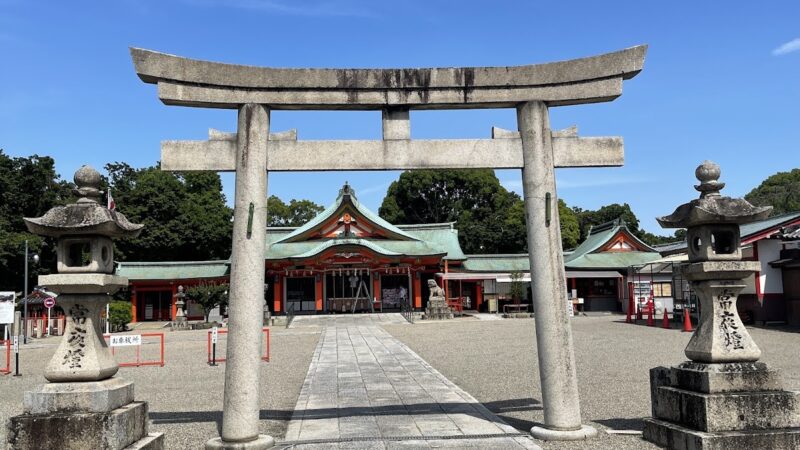
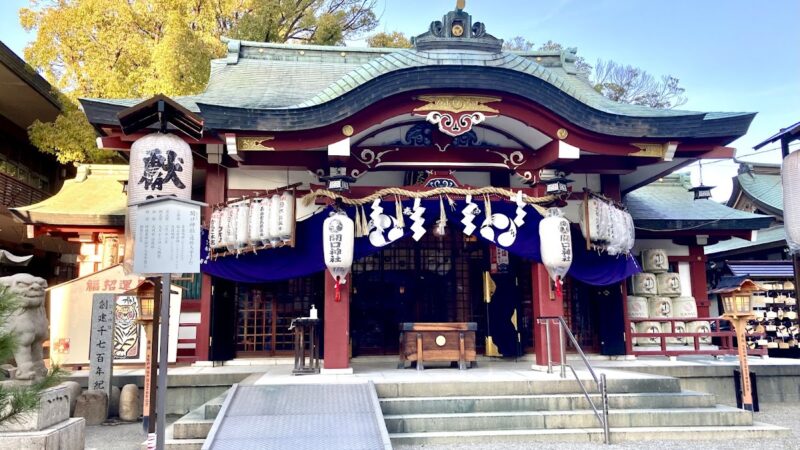
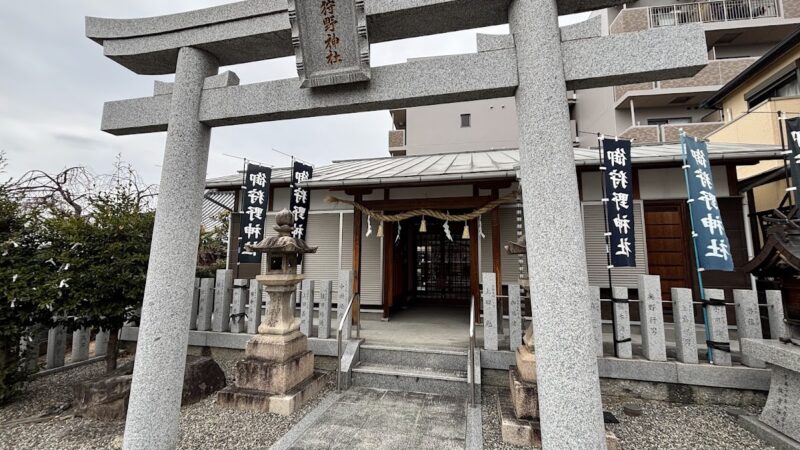
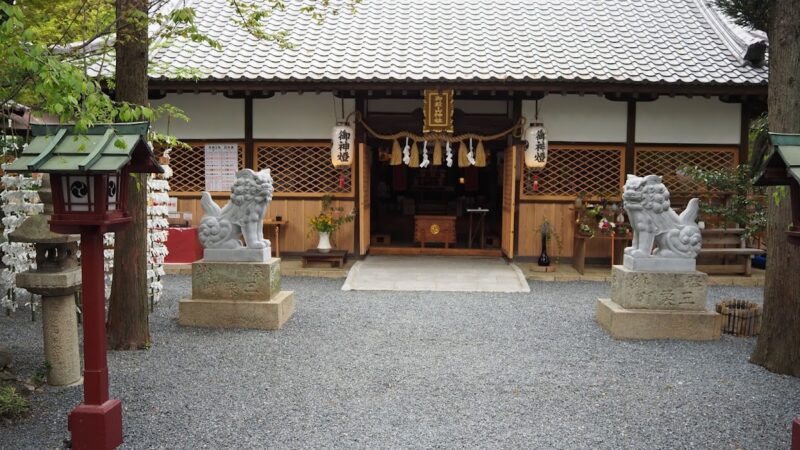
Mikarino Shrine is a small but well-maintained shrine. Despite being located in a residential area, it offers visitors a tranquil space.
Shrine Buildings and Grounds Layout
Upon entering the grounds, the main hall is directly ahead. Although compact, the grounds are meticulously clean, reflecting the care and dedication of the local community. Passing through the torii gate and proceeding along the path leads to the worship hall.
Atmosphere of the Grounds
Despite being located in an urban residential area, the grounds are planted with trees, offering different scenery with each season. The beauty of nature is particularly evident during the fresh greenery of spring and the vibrant autumn foliage.
Although a small shrine, it is cherished as a place of worship for local residents and a peaceful retreat for those strolling through the area. Photography is permitted, but please be considerate of other visitors and respect the sacred nature of the place, observing proper etiquette while taking pictures.
Location relative to surrounding temples and shrines
Nearby to Mikarino Shrine are temples such as Shinkoji and Jorenji, located across the road. Visiting these temples together will allow you to gain a deeper understanding of the local religious culture.
Goshuin (temple/shrine stamp) information
This section summarizes information regarding goshuin at Mikarino Shrine.
Regarding the issuance of goshuin
Because Mikarino Shrine is a small shrine, there may not be a resident priest. Those wishing to receive a goshuin are advised to confirm by phone in advance. The contact number is Sannomiya Shrine (072-858-0740), and it may be managed as a subsidiary shrine.
Regarding goshuin notebooks
Information about Mikarino Shrine’s original goshuin notebooks is limited. Those collecting goshuin should bring their own goshuin notebooks.
Annual Events and Festivals
Mikano Shrine holds festivals deeply rooted in the local community.
Annual Festival
Festival Date: October 15th
The autumn annual festival is the most important annual event at Mikano Shrine. Local residents gather, and Shinto rituals such as the portable shrine procession are performed. Photos of the portable shrine are also posted, making it an important opportunity to deepen the bonds of the local community.
Other Annual Events
It is believed that general shrine events such as New Year’s visits, Setsubun festivals, and summer purification rituals are also held, but please contact the shrine directly for details.
Detailed Access Information
We will provide specific access information to Mikano Shrine.
Access by Train
If using Keihan Railway:
- From Miyanosaka Station (shortest route):
- Get off at Miyanosaka Station
- Walk approximately 7 minutes northwest from the station
- Walk through the residential area towards Kinoya Honmachi
- From Hirakata-shi Station:
- Get off at Hirakata-shi Station East Exit
- Walk approximately 9 minutes east
- From National Route 1 towards Kinoya Honmachi
Access by Car
From Major Roads:
- Approximately 1.5 km from the “Hirakata-shi Station” intersection on National Route 1
- Approximately 3 km from the “Hirakata-Higashi IC” on the Daini Keihan Expressway
Parking: Information on dedicated parking within the temple grounds is limited. We recommend using nearby coin-operated parking lots or public transportation.
Checking the Route on Google Maps
You can find the exact route from your current location by searching for “Mikano Shrine Hirakata City” on Google Maps. Using your smartphone’s navigation function is convenient.
Precautions and Manners When Visiting
Visiting Hours
While Mikarino Shrine is generally open to visitors, please refrain from visiting early in the morning or late at night out of consideration for local residents. Visiting during daylight hours is recommended.
Shrine Visiting Etiquette
- Bow at the Torii Gate: Bow at the torii gate before entering the shrine grounds.
- Walking the Path: The center of the path is considered the path of the gods, so walk along the sides.
- Watering Procedure: If there is a watering basin, cleanse your left hand, right hand, and mouth in that order.
- Worship Procedure: Two bows, two claps, and one bow is the basic procedure.
- Photography: Photography is permitted on the shrine grounds, but please be considerate of other worshippers.
Consideration for the Neighbors
As this shrine is located in a residential area, please refrain from loud conversations and noise. Also, please avoid parking on the street, as this will inconvenience the neighbors.
Nearby Attractions and Tourist Spots
Here are some nearby spots you might want to visit before or after visiting Mikarino Shrine.
Nearby Temples and Shrines
Shinkoji Temple: A temple located across from Mikarino Shrine. Visiting these sites together will allow you to gain a deeper understanding of the local religious culture.
Jorenji Temple: Another temple located nearby. You can find peace of mind in its tranquil grounds.
Sannomiya Shrine: A shrine believed to be under the jurisdiction of Mikarino Shrine. It is one of the important shrines in Hirakata City.
Around Hirakata City Station
Hirakata T-SITE: A multi-purpose commercial complex centered around Tsutaya Bookstore. It also boasts a variety of cafes and restaurants.
Okahigashi Central Park: A relaxing spot near Hirakata City Station. You can enjoy seasonal flowers.
Historical Walking Course
Hirakata City has numerous temples and shrines with long histories. A historical walking tour starting from Mikarino Shrine, visiting Okami Shrine, Katano Shrine, and the ruins of Kudara-ji Temple, is highly recommended. The ruins of Kudara-ji Temple, in particular, are an interesting spot due to its connection to the Baekje king.
Experiences and Reviews of Mikarino Shrine
Here are some comments from people who have actually visited Mikarino Shrine.
Visitor Voices
Comments include: “I visited the shrine when I passed through Hirakata on my way from home to Uji. Although small, I was impressed by how carefully it was maintained,” and “It’s a small shrine across the road from Shinkoji and Jorenji temples, and visiting them all made for a very fulfilling experience.”
Connections with the Local Community
It’s clear that the shrine is cherished by the local community as the local guardian deity. The shrine plays a central role in the community, with a portable shrine (mikoshi) being carried out during the October festival.
Divine Virtues and Benefits of Visiting Mikarino Shrine
Here’s a summary of the divine virtues bestowed by the three deities enshrined at Mikarino Shrine.
Main Divine Virtues
- National Peace and Security, Regional Prosperity (Ōsasagi-no-Mikoto)
- Abundant Harvests, Business Prosperity (Ōsasagi-no-Mikoto)
- Protection from Evil and Disaster (Susanoo-no-Mikoto)
- Matchmaking and Family Safety (Susanoo-no-Mikoto)
- Academic Success and Skill Improvement (King of Baekje)
- Cultural Development and International Exchange (King of Baekje)
Suitable Wishes
As a guardian deity of the region, it is suitable for worshipping for daily peace and the health of family. Furthermore, in connection with Emperor Nintoku’s benevolent rule, it is also suitable for worshipping for the happiness of people and the harmony of society.
Trivia about Mikarino Shrine
Meaning of the Shrine Name “Mikarino”
“Mikarino” is read as “mikarino” and is thought to have a deep connection to “kinno,” which means the emperor’s hunting ground. This is a valuable place name and shrine name indicating that this area was a hunting ground for the imperial family in ancient times.
Immigrant Culture in Hirakata City
The Hirakata City area was a region where many immigrants from the Korean Peninsula, including Baekje, resided in ancient times. They brought civil engineering technology, agricultural technology, and Buddhist culture, making a significant contribution to the development of Japanese culture. The fact that a Baekje king is enshrined at Mikarino Shrine is important evidence that conveys this historical background to the present day.
About the Osaka Prefectural Shrine Association Third Branch
Mikarino Shrine belongs to the Osaka Prefectural Shrine Association Third Branch. The Third Branch oversees shrines in the Kitakawachi region, including Hirakata City and Katano City, and is responsible for local shrine administration and the training of Shinto priests.
Keep a Record of Your Visit
Sharing Information on Social Media
When you visit Mikarino Shrine, taking photos and sharing them on social media will be helpful for other prospective visitors. Adding hashtags such as “#MikarinoShrine” and “#HirakataCityShrine” will allow you to connect with people who share the same interests. ### Recording in a Goshuincho (Stamp Book)
Those who collect Goshuin (temple/shrine stamps) can have them recorded in their Goshuincho as a record of their visit (prior confirmation required). A Goshuin stamped with the date and shrine name will vividly bring back memories of your visit when you look back on it later.
Visit Diary or Blog
By recording your impressions of the visit, the appearance of the shrine grounds, and seasonal scenery in a diary or blog, you can create your own personal record of your visit. Rereading it later may lead to new discoveries.
Summary
Mikano Shrine is a local shrine with a rich history and tradition, located in Kinoya Honmachi, Hirakata City, Osaka Prefecture. It enshrines three deities: Ōsasagi-no-Mikoto (Emperor Nintoku), Susao-no-Mikoto, and the King of Baekje, and continues to watch over the peace of the region and the happiness of its people.
This shrine possesses many charms, including its convenient access (within walking distance of Keihan Railway’s Miyanosaka Station and Hirakata-shi Station), its tranquil environment despite being located in a residential area, and its historical significance as a place of imperial connection, the ancient “Kinno” (Forbidden Field).
Although small, it is carefully preserved by the local community and plays a central role in the community, with a portable shrine parade during its annual festival in October. Visiting it along with the nearby Shinkoji and Jorenji temples will make for a more fulfilling experience.
When you visit Hirakata City, or stroll along the Keihan Railway line, be sure to stop by Mikarino Shrine. Find peace in its serene grounds and reflect on its ancient history. You’ll experience the warm atmosphere and weight of history that only a small, community-rooted shrine can offer.