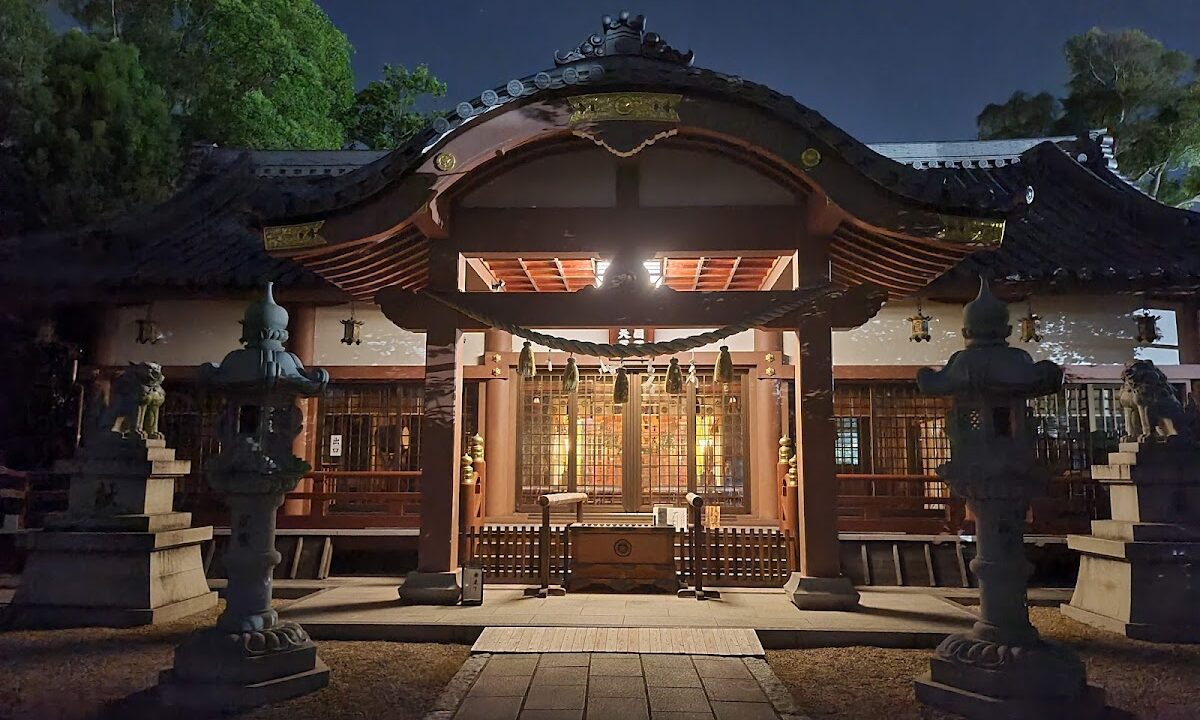
Complete Guide to Kudara-o Shrine (Hirakata City, Osaka Prefecture) | A Thorough Explanation of the History and Highlights of the Baekje Royal Family
Kudara-o Shrine, located in Nakamiya-nishinocho, Hirakata City, Osaka Prefecture, is a shrine with an extremely rare history in Japan, dedicated to the ancestral spirits of the Baekje royal family of the ancient Korean peninsula. Situated on a hill overlooking the Milky Way, it is known as a historical and cultural heritage site of Osaka Prefecture, along with the adjacent Kudara-ji Temple ruins. This article provides a detailed explanation of Kudara-o Shrine, from its historical background to its current highlights and access methods.
What is Kudara-o Shrine? | A Historical Heritage Connecting Ancient Korea and Japan
Kudara-o Shrine is a shrine located at 1-68 Nakamiya-nishinocho, Hirakata City, Osaka Prefecture, and its former shrine rank was that of a village shrine. Its most distinctive feature is that it was founded as a shrine to enshrine the ancestral spirits of the Baekje royal family. The current enshrined deities are the King of Baekje and Susanoo-no-Mikoto, but until the Edo period, Gozu Tenno was enshrined there. ### The Origins of the Baekje Royal Family and Their Arrival in Japan
Baekje was an ancient kingdom located in the southwestern part of the Korean Peninsula, and it had deep ties with Japan. When Baekje was destroyed by a combined force of the Tang Dynasty and Silla in 660, many Baekje people fled to Japan. Among them, Zenko (Zenko), a member of the Baekje royal family, was granted the surname “Kudara-ō” (King of Baekje) by the Japanese court and remained in Japan.
The Baekje Royal family played an important role in the court during the Nara period, making significant contributions to the transmission of culture and technology. They mainly resided in Kawachi Province (present-day eastern Osaka Prefecture), and it is believed they also had a base in Hirakata.
The Founding and History of Kudara-ō Shrine
Kudara-ō Shrine is said to have been founded during the Nara period as a shrine to enshrine the ancestral spirits of the Baekje Royal family, along with the adjacent Kudara-ji Temple. Kudara-ji Temple was built as the family temple of the Baekje Royal family and boasted a magnificent temple complex in its heyday. While only the foundation stones remain of the former Baekje Temple, the Baekje King Shrine maintains its main hall, preserving the atmosphere of that time.
During the Edo period, it was a shrine dedicated to Gozu Tenno, attracting local devotion. After the Meiji Restoration’s separation of Shinto and Buddhism, it was reorganized into its current form, enshrining the King of Baekje and Susanoo-no-Mikoto.
Highlights of Baekje King Shrine | A Thorough Introduction to the Shrine Grounds
The Main Hall and Grounds Perched on a Hill
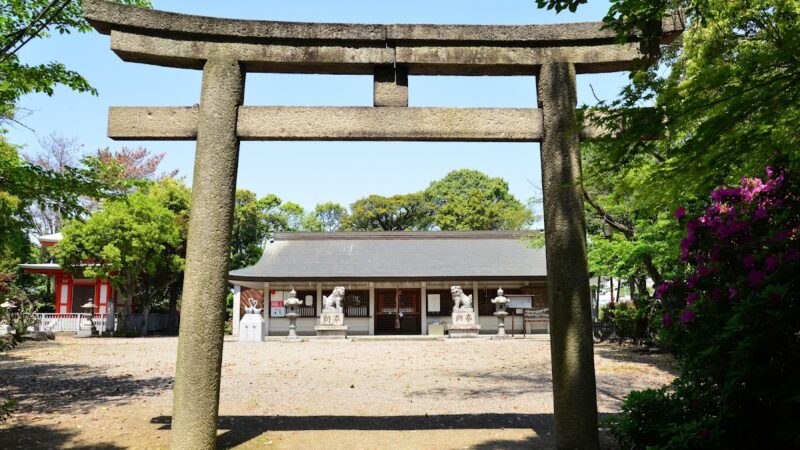
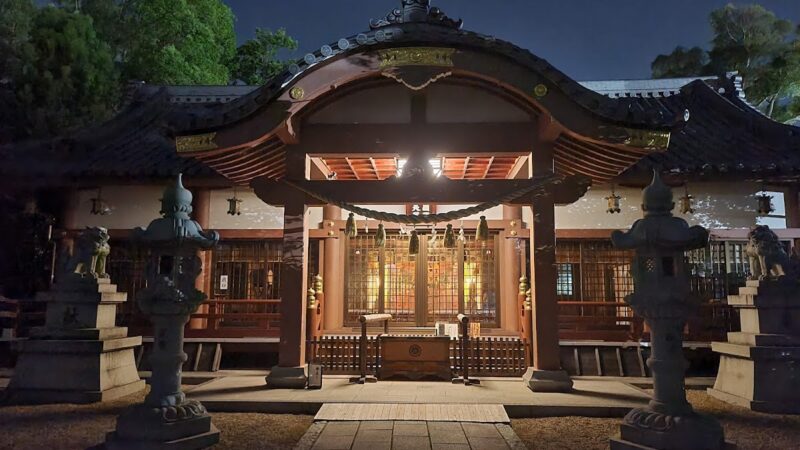
Baekje King Shrine is located on a hill overlooking the Milky Way, offering magnificent views from its grounds. Climbing the slope and passing through the torii gate, you’ll find yourself in a level, stone-paved shrine ground. The main hall is said to have been relocated from Kasuga Taisha Shrine, making it a historically valuable structure.
In recent years, the torii gate has been renovated from stone to red, creating a more solemn and dignified atmosphere befitting a shrine. Furthermore, the pedestrian walkway near the Baekje King Shrine has been renovated, creating a more accessible environment for visitors.
Integrated Historical Space with the Baekje Temple Ruins
The Baekje Temple Ruins, adjacent to the east side of the Baekje King Shrine, are designated as a historical site by Osaka Prefecture and are known as a historical and cultural heritage site comparable to the Osaka Castle Ruins. Although only the foundation stones remain today, archaeological excavations have revealed the existence of a magnificent temple from the Nara period.
Baekje Temple was a full-fledged temple with seven main buildings and functioned as the family temple of the Baekje King clan. Visiting both the Baekje King Shrine and the Baekje Temple Ruins allows for a deeper understanding of the splendor of the Baekje King clan during the Nara period and the role of immigrants in ancient Japan.
Goshuin (Shrine Seals) and Worship Etiquette
The Baekje King Shrine offers Goshuin (shrine seals). As a Goshuin from a shrine with historical significance, it is one of the reasons many visitors come. When worshipping, follow the general shrine worship etiquette: two bows, two claps, and one bow.
The temple grounds have a quiet and peaceful atmosphere, providing an environment where one can slowly worship while reflecting on ancient history.
The Baekje Royal Family and Japanese History | The Importance of Cultural Exchange
The Baekje Royal Family’s Role in the Imperial Court
After settling in Japan, the Baekje royal family held important positions in the imperial court. In particular, Baekje King Kyōfuku is known for presenting gold during the construction of the Great Buddha of Nara. This gold was produced in Mutsu Province (present-day Tohoku region), indicating that the Baekje royal family was also involved in the development of the Tohoku region.
Baekje King Kyōfuku’s presentation of gold greatly pleased Emperor Shōmu, and it was used for gilding the Great Buddha of Tōdai-ji Temple. For this achievement, the Baekje royal family was granted the high rank of Junior Third Rank, further enhancing their position in the imperial court.
Culture and Technology Brought by the Baekje Royal Family
Immigrants from Baekje brought advanced culture and technology to Japan. Baekje immigrants made contributions in a wide range of fields, including Buddhist culture, architecture, civil engineering, and weaving. The construction of Baekje Temple is believed to be a culmination of these advanced architectural techniques.
The Baekje royal clan, while based in Kawachi Province, maintained close ties with Nara, the capital, and functioned as a cultural bridge. Hirakata’s geographical location, a transportation hub utilizing the Yodo River system, was a crucial base for the Baekje royal clan’s activities.
Access and Visiting Information for Baekje Royal Shrine
Access by Train
The nearest station to Baekje Royal Shrine is Miyanosaka Station on the Keihan Katano Line. It’s approximately a 10-minute walk from the station. Miyanosaka Station is one stop from Hirakata-shi Station on the Keihan Main Line (transfer to the Katano Line).
Detailed Access Instructions:
- Take the Keihan Main Line to Hirakata-shi Station.
- Transfer to the Keihan Katano Line at Hirakata-shi Station.
- Get off at Miyanosaka Station (approximately 2 minutes from Hirakata-shi Station).
- Walk approximately 10 minutes northwest from the station.
The path from the station to the shrine is a gentle uphill slope, passing through a residential area and leading up a hill. There are signs along the way, so even first-time visitors should be able to find their way without getting lost.
Access by Car and Parking
If visiting by car, the nearest interchanges are Hirakata-Higashi IC or Hirakata-Gakken IC on the Daini-Keihan Expressway. It takes approximately 15 minutes from the interchanges.
Free parking is available next to the approach to the shrine. You can drive up the slope to the torii gate and reach the top of the stairs. However, parking space is limited, so it may be crowded, especially during New Year’s visits and festivals.
Basic Information
- Location: 1-68 Nakamiya Nishino-cho, Hirakata City, Osaka Prefecture 573-0021
- Visiting Hours: Grounds are freely accessible (please check the hours of the shrine office)
- Admission Fee: Free
- Parking: Free parking available (limited number of spaces)
- Goshuin (Shrine Seal): Available
- Inquiries: Please check on-site (the shrine office may be unattended)
Annual Events and Festivals at Kudara-o Shrine
Tondo Festival (January 15th)
Every year on January 15th, the “Tondo Festival” is held on the grounds of Kudara-o Shrine. This is a well-known local event, a traditional ceremony in which New Year’s decorations and amulets are burned. Because the shrine grounds, including the ruins of Kudara-ji Temple, are known as a historical and cultural heritage site of Osaka Prefecture, many visitors come every year.
At the Tondo Festival, prayers are offered for good health and a bountiful harvest, and the sight of the flames rising high into the sky is magnificent. It is an important New Year’s event for the local people, and a valuable opportunity to see the fusion of ancient traditions and modern beliefs.
Other Annual Events
Like most shrines, Kudara-o Shrine holds seasonal events such as New Year’s visits, Setsubun festivals, and summer festivals. Especially during the New Year’s period, many worshippers interested in the history of the Kudara royal family and local parishioners visit the shrine.
Nearby Tourist Attractions | Enjoying the Charms of Hirakata City
Hirakata City Station Area
When visiting Kudara-o Shrine, we recommend also exploring the tourist attractions around Hirakata City Station. Hirakata City Station is a major station on the Keihan Main Line, with a wide variety of commercial facilities and restaurants.
Attractions around Hirakata City Station:
- Kyokaido Hirakata-juku: A historical townscape that retains the atmosphere of an Edo-period post town.
- Okahigashi Central Park: A popular urban park enjoyed by citizens as a place of relaxation.
- Hirakata Museum of Art: A museum that showcases local arts and culture.
Natural Landscape of the Yodo River and the Milky Way
From the hill where the Kudara-o Shrine is located, you can enjoy a panoramic view of the Milky Way. The Milky Way is a tributary of the Yodo River system and has long functioned as an important waterway for Hirakata. It is believed that the Kudara-o clan also used the Yodo River system to travel to and from the capital of Nara, highlighting the geographical importance of this area.
There are also walking paths in the surrounding area, allowing visitors to enjoy nature walks. The scenery changes with the seasons, from cherry blossoms in spring to autumn leaves in fall, delighting visitors.
Key Points and Recommended Activities for Visiting Baekje King Shrine
Visit After Learning About History
To fully appreciate the charm of Baekje King Shrine, it is recommended to have some basic knowledge about the Baekje royal family and ancient Japanese history beforehand. Understanding the historical background, from the fall of Baekje to their exile to Japan, their activities in the imperial court, and the offering of gold to the Great Buddha of Todai-ji Temple, will allow you to feel the deeper meaning of each element within the shrine grounds.
Visit Baekje Temple Ruins Together
When visiting Baekje King Shrine, be sure to also visit the adjacent Baekje Temple Ruins. Although only the foundation stones remain, strolling through the ruins while imagining the magnificent temple complex of the past will allow you to feel the power and cultural influence of the Baekje royal family during the Nara period.
The Baekje Temple Ruins are designated as a historical site by Osaka Prefecture, and explanatory signs are also installed. Visiting the shrine and temple ruins together will deepen your understanding of the history of Shinto-Buddhist syncretism and the nature of the Baekje royal family’s faith.
Choose a Quiet Time
Since Baekje King Shrine is not a large-scale tourist destination, it is especially quiet on weekdays and early mornings, allowing for a peaceful visit. The time spent reflecting on ancient history and calming your mind in the silence will be a precious experience that allows you to forget the hustle and bustle of modern life.
Photography Tips
Photography is permitted within the shrine grounds, but please remember that it is a sacred place and observe proper etiquette. Popular photo spots include the red torii gate and main hall, the foundation stones of the Baekje Temple ruins, and the view from the hilltop. Especially on sunny mornings, the lighting is excellent, allowing for beautiful photographs.
The Significance of Ancient Japan-Korea Exchange as Told by Baekje King Shrine
Cultural Diversity Brought by Immigrants
The existence of Baekje King Shrine tells the story of ancient Japan’s history of accepting and integrating diverse cultures. Immigrants from Baekje were not simply accepted as refugees; they actively contributed to the development of Japanese society and played important roles in the imperial court.
This history offers important insights even in today’s international society. For over 1300 years, the Baekje King Shrine has conveyed the universal truth that a richer society is built when people from different cultural backgrounds respect and cooperate with one another.
Reaffirming the Historical Connections Between Japan and Korea
The Baekje King Shrine is also a place that symbolizes the long history of exchange between Japan and the Korean Peninsula. In ancient times, the two regions had close ties, with active exchanges of people, goods, and culture. Through the history of the Baekje royal family, we can gain concrete knowledge of the realities of these exchanges.
Even today, Japan and Korea, as geographically close neighbors, continue to exchange in various fields. Visiting the Baekje King Shrine provides an opportunity to reaffirm the historical connections between the two countries and to consider friendly relations for the future.
Summary | Experiencing Ancient Romance at the Baekje King Shrine
The Baekje King Shrine in Hirakata City, Osaka Prefecture, is a rare shrine nationwide that enshrines the ancestral spirits of the ancient Korean Baekje royal family. This shrine boasts many attractions, including its history with the Baekje royal family during the Nara period, its integrated historical space with the ruins of Baekje Temple, and its beautiful location overlooking the Milky Way.
Its convenient access, just a 10-minute walk from Miyanosaka Station on the Keihan Katano Line, is another draw, making it an ideal spot to visit during your Osaka sightseeing trip. As a valuable place to learn about the role the Baekje royal family played in Japanese history and to reflect on ancient international exchange, it’s a shrine that we hope many people will visit, not just history buffs.
In its tranquil grounds, you can connect with ancient romance and feel the deep connection between Japan and the Korean Peninsula—Baekje King Shrine is a hidden historical and cultural heritage site in Osaka Prefecture that offers such a special experience.