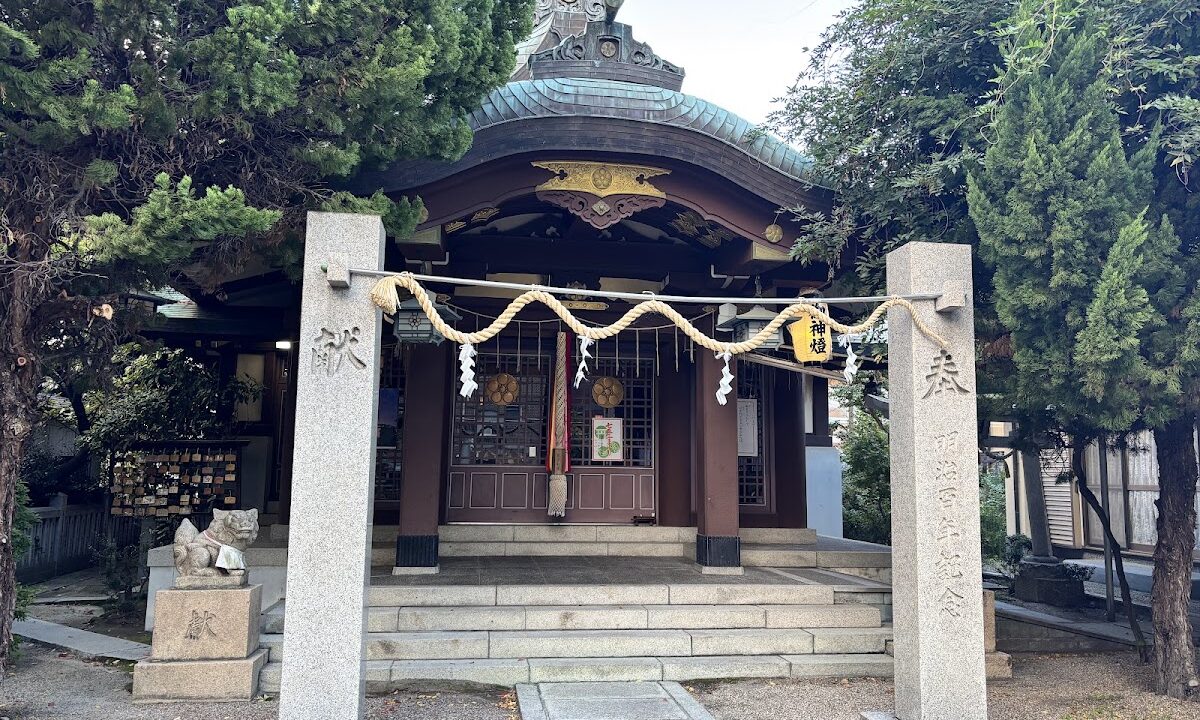
Amano Shrine (Moriguchi City, Osaka Prefecture) Complete Guide | History, Goshuin (Shrine Seal), Access, and Highlights Explained in Detail
Amano Shrine, located in Hashiba Higashino-cho, Moriguchi City, Osaka Prefecture, is a historical shrine with a history dating back to the Nara period. It is also known as a place associated with Kusunoki Masayuki and has attracted the faith of the local community. This article provides a detailed explanation of everything you need to know before visiting Amano Shrine, including its history, enshrined deities, goshuin information, access methods, and highlights within the shrine grounds.
Basic Information on Amano Shrine
Amano Shrine is located in Moriguchi City, Osaka Prefecture, and was ranked as a village shrine in the modern shrine ranking system. Although it stands quietly in a residential area, it has a long history and is cherished by the local people.
Basic Data
- Official Name: Amano Shrine
- Location: 2-11-18, Hashiba Higashino-cho, Moriguchi City, Osaka Prefecture
- Former Shrine Rank: Village Shrine
- Deities Enshrined: Sugawara no Michizane, Susanoo-no-Mikoto, Hondawake-no-Mikoto
- Annual Festival Date: October 15th
- Management: Affiliated with the Third Branch of the Osaka Prefectural Shrine Association
History of Amano Shrine
Origin of Founding
The exact founding date of Amano Shrine is unknown, but it is believed to have been established around the time the Hashiba settlement was developed during the Nara period. Records confirm that it was a center of local faith at least during the Kamakura period.
The Hashiba area has long been a thriving agricultural region, and Amano Shrine has played an important role as a place to pray for abundant harvests and the peace of the region.
Kusunoki Masayuki and the Battle of Shijōnawate
A noteworthy event in the history of Amano Shrine is its connection to the Nanboku-chō period (Northern and Southern Courts period). In 1347, Kusunoki Masayuki, son of Kusunoki Masashige, used Amano Shrine as his headquarters during the Battle of Shijōnawate. This fierce battle raged between Kusunoki Masayuki of the Southern Court and the Kō brothers, Moronao and Moroyasu, of the Northern Court. Kusunoki Masayuki was defeated and killed in action.
During this battle, Amano Shrine was destroyed by fire. Kusunoki Masayuki, like his father Kusunoki Masashige, was a warrior known for his bravery and loyalty, and his establishment of this headquarters indicates the strategic importance of Amano Shrine.
Reconstruction in the Edo Period
After the fire, Amano Shrine remained in a state of disrepair for some time, but a major turning point occurred in 1670. Prince Yoshihisa Takeuchi bestowed a wooden statue of Sugawara no Michizane, and the shrine was rebuilt at the same time. At this time, Susanoo-no-Mikoto and Homudawake-no-Mikoto were enshrined together, resulting in the current three enshrined deities.
With this reconstruction, Amano Shrine also acquired the character of a shrine dedicated to Sugawara no Michizane, the god of learning, and attracted even more devotion from the local people.
Modern Era
Due to the reform of the shrine system during the Meiji era, Amano Shrine was designated a village shrine. Since then, it has continued to serve as the local tutelary shrine and has attracted worshippers seeking academic success and protection from misfortune. Even today, it remains an important center of faith in the Hashinami district of Moriguchi City, serving as the core of the local community.
Enshrined Deities and Benefits
Amano Shrine enshrines three deities, each offering different benefits.
Sugawara no Michizane
The main deity enshrined here is Sugawara no Michizane, a scholar and politician of the Heian period, worshipped nationwide as the god of learning. A brilliant scholar and poet, Michizane is believed to grant blessings for academic success, passing exams, and improvement in literary arts.
During exam season, many local students and their parents visit to pray for success, making it a popular center of Tenjin worship.
Susanoo-no-Mikoto
A god appearing in Japanese mythology, known as the brave god who defeated Yamata no Orochi. He is believed to offer blessings for protection against misfortune, disaster, and disease, and is also worshipped as the god of agriculture.
Hondawake-no-Mikoto
This refers to Emperor Ojin, the 15th emperor, worshipped nationwide as Hachiman-sama. He is believed to grant blessings for military success, victory in competitions, safe childbirth, and child-rearing. Considering the historical connection with Kusunoki Masayuki, his character as a god of war is also important.
Goshuin Information
Goshuin (temple/shrine stamps) are available at Amano Shrine. We have compiled important information for those who enjoy visiting shrines and collecting goshuin.
Regarding the Issuance of Goshuin
Amano Shrine only offers pre-printed goshuin. Please note that they cannot write directly into your goshuin book. Pre-printed goshuin can be obtained at the shrine office.
The goshuin features the calligraphy and red seal of “Amano Shrine,” a simple yet dignified design.
Issuance Hours and Notes
- Issuance Hours: During the hours the shrine office is open (we recommend checking details before your visit).
- Offering Fee: Typical amount (around 300-500 yen).
- Note: The shrine may be absent, so if you want to be sure to receive a Goshuin (shrine stamp), we recommend contacting them in advance.
A Goshuin is proof of your visit to the shrine, not just a commemorative stamp. Please receive it with gratitude after completing your prayers.
Access and Transportation Information
Amano Shrine is located in a residential area of Moriguchi City, Osaka Prefecture, and is easily accessible by public transportation.
Access by Train
Walking Route from the Nearest Station
- Approximately 4 minutes on foot (approx. 304m) from Nishisanso Station (Osaka Metro Tanimachi Line)
- This is the closest station, and walking is the most convenient way to access the shrine.
- Exit the station and head northeast. After passing through the residential area, you will arrive at the shrine.
- Approximately 10 minutes on foot (approx. 837m) from Kadoma-shi Station (Keihan Main Line)
- This is the more convenient option if using the Keihan Main Line.
- Walk southwest from the station.
Access by Car
- Approximately 10 minutes from the Moriguchi exit of the Hanshin Expressway Moriguchi Line.**
- Due to the size of the shrine, there may not be a dedicated parking lot.
- We recommend using nearby coin-operated parking lots or public transportation.
Combining with Other Shrines in the Surrounding Area
There are other shrines near Amano Shrine, so those who enjoy shrine hopping may want to visit them as well.
- Kadoma Shrine: Located near Kadoma City Station, this shrine is often visited in conjunction with Amano Shrine.
- Other Shrines in Moriguchi City: Several shrines in Moriguchi City belong to the Third Branch of the Osaka Prefectural Shrine Association.
Highlights of the Shrine Grounds
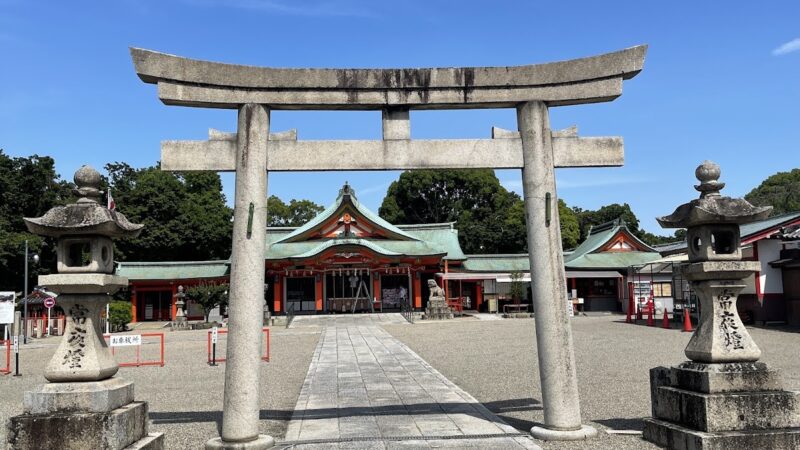
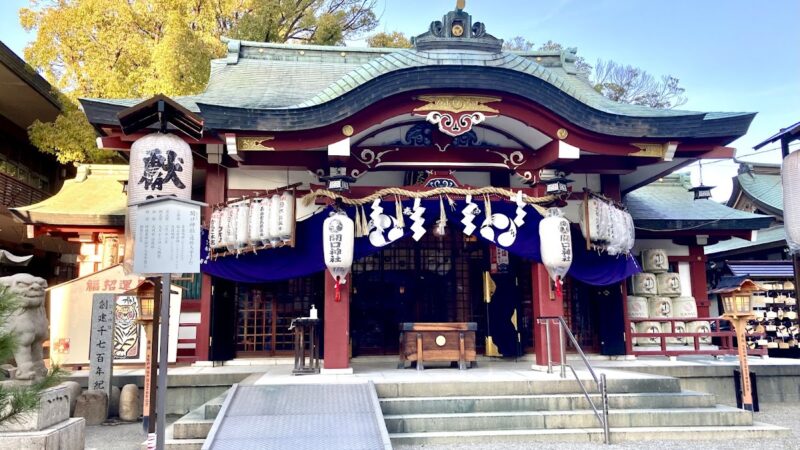
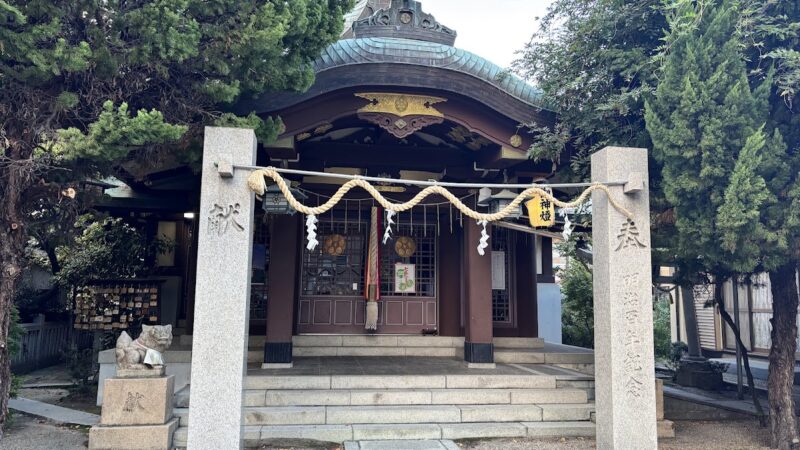
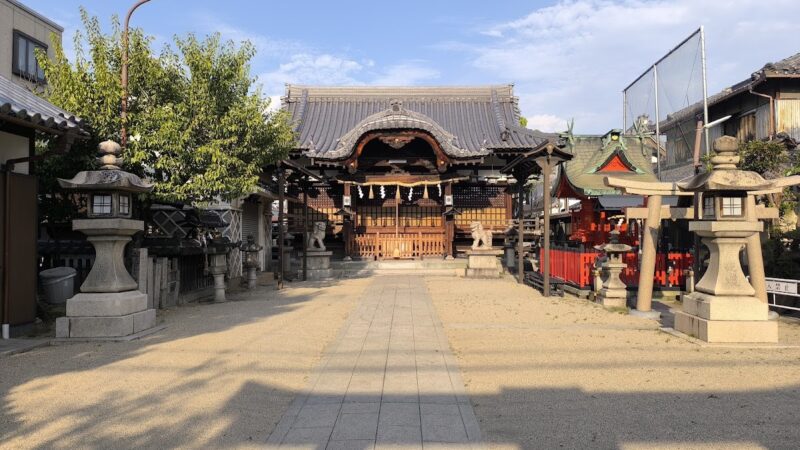
Amano Shrine is a relatively compact shrine located in a residential area, but its charm lies in its historical atmosphere and tranquil space.
Shrine Building
Rebuilt in 1670 (Kanbun 10), the shrine building has been carefully maintained and preserved as the center of local faith. Its simple yet dignified construction quietly welcomes visitors.
Atmosphere of the Shrine Grounds
Despite being located in a residential area of an urban center, stepping onto the shrine grounds reveals a quiet and peaceful space. It also functions as a place of relaxation for local residents, and visitors can be seen stopping by during their morning walks.
A Space Where History Can Be Heard
Knowing that this is the site where Kusunoki Masayuki established his headquarters, one can feel the weight of history in the air within the shrine grounds. Visiting while reflecting on the turbulent history of the Nanboku-cho period will be a special experience.
Manners and Etiquette for Visiting a Shrine
Let’s review the basic manners for visiting a shrine.
Basic Etiquette for Worship
- Bow Before Passing Through the Torii Gate
- As a sign of respect before entering the sacred area, bow before the torii gate.
- Purify Yourself at the Water Basin (If there is one)
- Purify your left hand, right hand, and mouth in that order.
- Cleanse the handle of the ladle by holding it upright before returning it.
- Walk Along the Edge of the Path
- The center of the path is considered the path of the gods.
- Worship at the Main Hall
- Quietly place your offering in the offering box.
- Worship using the two bows, two claps, and one bow ritual.
- It is more important to express gratitude for everyday blessings than to make wishes.
- Behavior on the Shrine Grounds
- Act quietly and respectfully.
- Take photographs only within permitted areas and be considerate of other worshippers.
Annual Events and Festivals
Amano Shrine holds various festivals throughout the year.
Annual Festival (October 15th)
The annual festival, the most important festival of Amano Shrine, is held every year on October 15th. Local parishioners and devotees gather to pray for the prosperity of the shrine and the peace of the community.
Other Annual Events
- New Year’s Day Festival: A festival to pray for peace throughout the year as we welcome the new year.
- Setsubun Festival: A festival to ward off evil and invite good fortune.
- Summer Purification Ceremony: A Shinto ritual to cleanse away the impurities accumulated over the past six months.
- Year-End Purification Ceremony: A Shinto ritual to cleanse away the impurities accumulated over the year and welcome the new year with purity.
For specific dates and details, it is recommended to check before visiting.
Amano Shrine’s Connection to the Community
Amano Shrine is the tutelary shrine of the Hashinami district in Moriguchi City and is deeply connected to the local community.
Center of Local Faith
Since its founding in the Nara period, Amano Shrine has been a center of faith for the local people. In times of prosperity, it served as a place to pray for abundant harvests, and in modern times, it has become a guardian presence for community safety and the growth of children, deeply rooted in the region across generations.
Collaboration with Local Events
Shrine events, including the annual festival, provide valuable opportunities for local people to gather, strengthening community bonds.
Nearby Tourist Attractions
Here are some nearby attractions you can visit when you come to Amano Shrine.
Kadoma Shrine
Located near Kadoma City Station, it’s relatively close to Amano Shrine. Many people visiting shrines combine their visits to both.
Historical Spots in Moriguchi City
Moriguchi City has many other historical spots, making it a great place for historical walks. Visiting the shrines in Moriguchi City belonging to the Osaka Prefectural Shrine Association’s Third Branch is also recommended.
Access to Osaka City
Nishisanso Station is located along the Osaka Metro Tanimachi Line, offering excellent access to central Osaka. After visiting Amano Shrine, you can enjoy sightseeing in Osaka City.
Visitor Feedback and Reputation
Visitors to Amano Shrine have shared the following comments:
- “It’s a quiet shrine located in a residential area, allowing for a peaceful visit.”
- “Although only pre-printed goshuin (shrine stamps) were available, the staff were very polite.”
- “Knowing that it’s a place associated with Kusunoki Masayuki, I felt the weight of history.”
- “It’s close to Nishisanso Station, making access convenient.”
- “It’s a warm, community-oriented shrine.”
Tips for Visiting Amano Shrine
Here are some points to keep in mind when visiting Amano Shrine.
Respect for History
This shrine boasts a long history dating back to the Nara period and has deep ties to the historical figure Kusunoki Masayuki. Reflecting on this history while visiting will lead to a deeper experience.
Characteristics as a Local Shrine
Amano Shrine is cherished by the local people as their local guardian shrine. When visiting, please respect that this is a place of worship for the local community and behave quietly and respectfully.
Regarding Goshuin (Shrine Seal) Collection
Goshuin are only available as pre-printed seals. Even if your purpose is to collect goshuin, please prioritize a sincere visit first, and consider the goshuin as proof of that visit.
About the Osaka Prefectural Shrine Association Third Branch
Amano Shrine belongs to the Osaka Prefectural Shrine Association Third Branch. The Third Branch is comprised of 88 shrines in the Kitakawachi region (Hirakata City, Neyagawa City, Katano City, Shijonawate City, Daito City, Kadoma City, Moriguchi City), and strives to promote local shrines and preserve Shinto culture.
The “Kitakawachi Shrine Pilgrimage,” which involves visiting shrines belonging to the same branch, is also popular among shrine enthusiasts. Starting from Amano Shrine, a tour of other shrines in the Kitakawachi region would be an interesting experience.
Best Time to Visit
Amano Shrine is open year-round, but here are some particularly recommended times to visit.
During the Annual Festival (October)
The annual festival on October 15th is when the shrine is at its most vibrant. Participating in the festival alongside local residents allows you to experience firsthand the strong connection between the shrine and the community.
During Exam Season (January-March)
As a shrine dedicated to Sugawara no Michizane, it sees many students and their parents visiting during exam season to pray for success. Visiting during this time is believed to bring the blessings of the god of learning.
First Shrine Visit of the New Year (January)
The first shrine visit of the New Year is a good opportunity to report the start of the year to the gods and pray for peace. Offer your New Year’s greetings to your local guardian deity.
Seasonal Charm
Although it’s a shrine in an urban area, you can feel the changing seasons within its grounds. The fresh greenery of spring, the lush leaves of summer, the vibrant autumn foliage, and the tranquility of winter—each season presents a different face.
Summary
Amano Shrine, located in Moriguchi City, Osaka Prefecture, is a venerable shrine with a long history dating back to the Nara period, and is also known as a place associated with Kusunoki Masayuki. It enshrines three deities: Sugawara no Michizane, Susanoo-no-Mikoto, and Homudawake-no-Mikoto, and offers various blessings such as academic success, protection from evil, and long-lasting military fortune.
Its convenient location, approximately a 4-minute walk from Nishisanso Station, is also a major attraction, making it easily accessible from within Osaka City. While only pre-printed goshuin (shrine stamps) are available, the staff are very courteous.
Although it’s a quiet shrine nestled in a residential area, its grounds are imbued with the weight of history and the faith of the local people. If you’re visiting Osaka Prefecture, or if you’re touring the shrines of the Kitakawachi region, be sure to stop by Amano Shrine. It’s sure to be a wonderful experience where you can pray in peace.