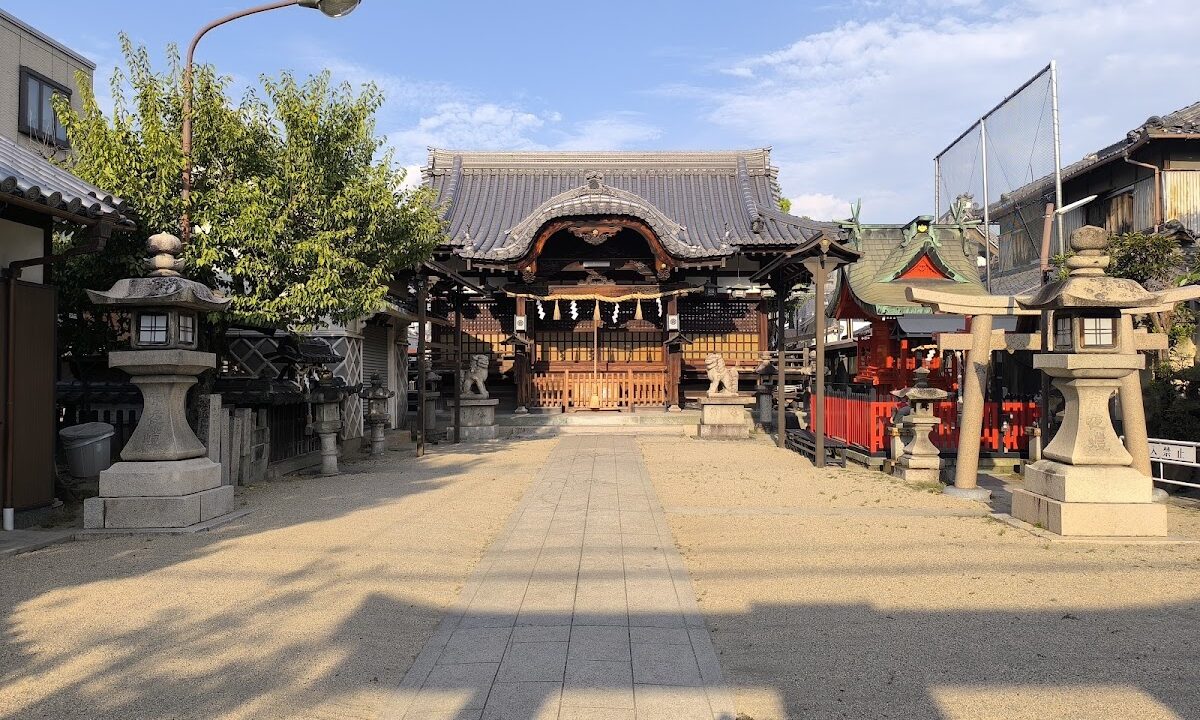
Kadoma Shrine (Kadoma City, Osaka Prefecture) Complete Guide | History, Deities, Access, and Subsidiary Shrines Explained in Detail
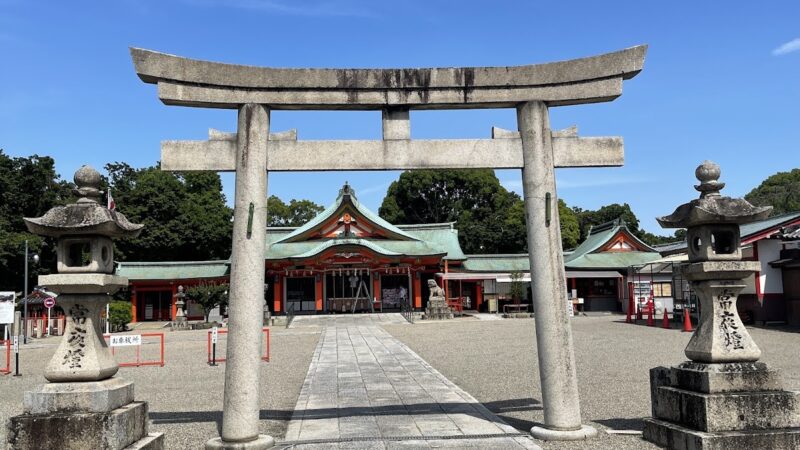
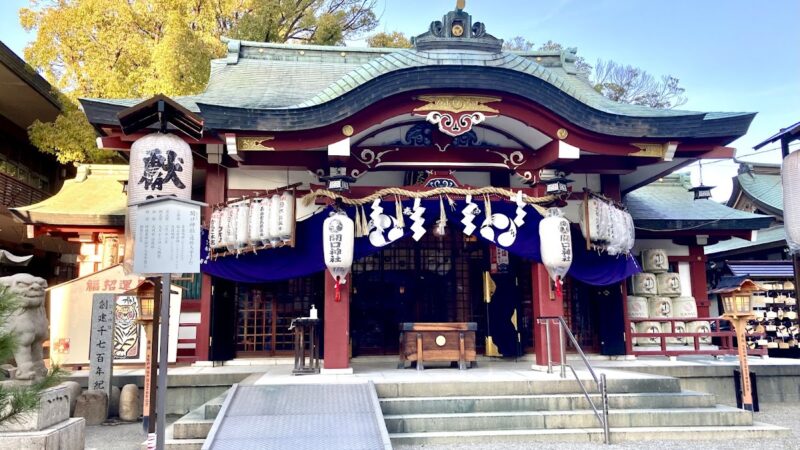
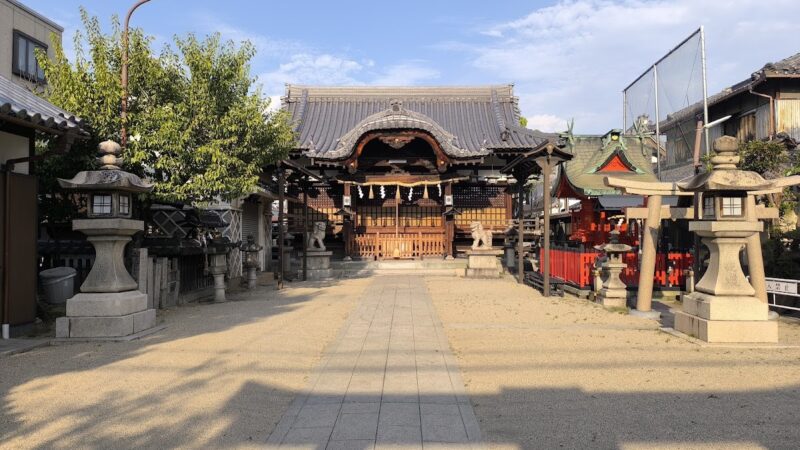
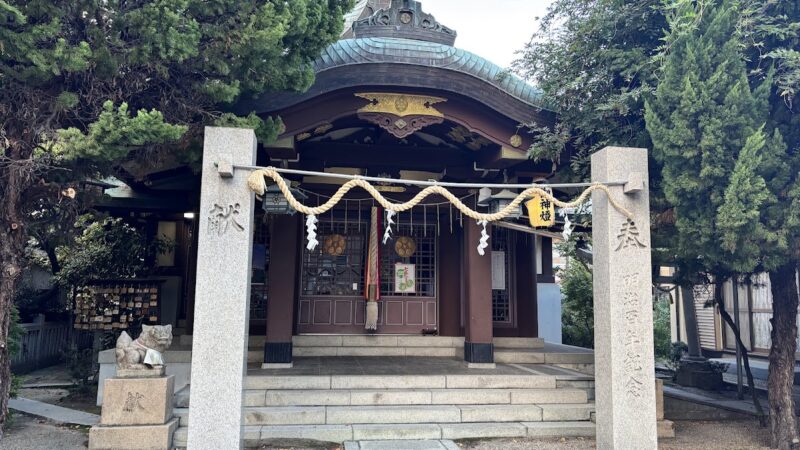
Kadoma Shrine is a historic shrine located at 17-11 Motomachi, Kadoma City, Osaka Prefecture. Formerly a village shrine, it has long been cherished by the people of Kadoma as the local guardian deity. This article provides detailed information you should know before visiting, including the history of Kadoma Shrine, its enshrined deities, subsidiary shrines, festivals, and access methods.
Basic Information about Kadoma Shrine
Location: 17-11 Motomachi, Kadoma City, Osaka Prefecture
Phone Number: 06-6909-0225
Former Shrine Rank: Village Shrine
Deity Enshrined: Susanoo-no-Mikoto
Nearest Station: Approximately 4-5 minutes on foot from Keihan Railway’s “Nishisansho Station” (approximately 250-400m northeast)
Kadoma Shrine is located in the heart of Kadoma City and remains a place of worship for local residents, attracting many visitors.
History and Origins of Kadoma Shrine
Origin of Founding and the Legend of the Three Shrines
The exact founding date of Kadoma Shrine is unknown, but according to the “Osaka Prefecture Complete History,” there were originally three shrines: the South Shrine, the Middle Shrine, and the North Shrine, and this shrine was the Middle Shrine. This three-shrine system is thought to date back to the time of the old regional division known as Kadoma-sho.
Development of Kadoma-sho and the Establishment of Yonban Village
From the medieval to the early modern period, Kadoma-sho continued to develop, forming villages from Ichiban Village to Yonban Village. This regional division is an important element in understanding the history of Kadoma City. There is a tradition that when Yonban Village became independent, the Gozu Tenno (Ox-Headed Heavenly King) enshrined in the original village was moved, and the current Kadoma Shrine was founded.
Gozu Tenno is a deity syncretized with Susanoo-no-Mikoto, and was widely worshipped as a god of protection against disease and misfortune. This belief has been passed down to the current enshrined deity, Susanoo-no-Mikoto.
Changes Since the Modern Era
Due to the reform of the shrine system during the Meiji era, Kadoma Shrine was designated a village shrine. Subsequently, amidst the consolidation and merger of shrines in the region, Kadoma Shrine has continued to exist as the central shrine of the Motomachi area of Kadoma City.
Deity and Divine Virtues
Susanoo-no-Mikoto
The deity enshrined at Kadoma Shrine is Susanoo-no-Mikoto. Susanoo-no-Mikoto plays an important role in Japanese mythology and is believed to possess the following divine virtues:
- Protection from Evil and Disaster: Based on the myth of slaying Yamata no Orochi, it is believed to have the power to ward off disasters.
- Protection from Plague: Due to its syncretism with Gozu Tenno, it was worshipped as a god that protects people from plagues.
- Family Safety: It has the divine power to protect families and bring harmony to the home.
- Abundant Harvest: It also has the characteristics of a god of agriculture and is an object of prayer for a bountiful harvest.
- Matchmaking: Based on the myth of its marriage to Inadahime no Mikoto, it is also known as a god that brings good fortune in relationships.
Shrines and Highlights
In addition to the main shrine, there are several smaller shrines within the grounds of Kadoma Shrine, each with its own unique beliefs.
Matta Shrine
Matta Shrine is said to have originally been located at Mattamate Onshukusho in Kadoma Sanban Village, and is believed to have been situated next to Obaiji Temple to the east. Later, it was enshrined together with Kadoma Shrine.
Mattanomate is recorded in the *Nihon Shoki* (Chronicles of Japan) as a person involved in flood control projects in Kawachi during the reign of Emperor Nintoku, and is an object of worship related to water management and flood control in the region. The area around Kadoma City has long been influenced by the Yodo River system, and flood control has been a matter of great concern to the residents.
Inari Shrine
The Inari Shrine within the grounds enshrines Yoshimatsu Okami. Inari worship is believed to bring divine blessings such as business prosperity, abundant harvests, and family safety, and is deeply revered by local residents.
Kusunoki Shrine
Kusunoki Shrine is also enshrined as one of the subsidiary shrines within the grounds. The camphor tree has long been considered a sacred tree, and is worshipped as a guardian deity of longevity, health, and the land.
Annual Events and Festivals
Kadoma Shrine holds various festivals and events throughout the year.
Summer Festival
Dates: July 15th & 16th
The Summer Festival is a religious ceremony praying for the eradication of disease and good health, and is an important event related to the divine virtues of Susanoo-no-Mikoto. Many local residents participate, and the temple grounds are bustling with activity.
Autumn Festival
Dates: October 15th & 16th
The Autumn Festival is a religious ceremony expressing gratitude for a bountiful harvest and praying for the prosperity of the community. Held during the harvest season, this festival has been passed down as an important annual event in the community since ancient times.
Other Annual Events
- New Year’s Day Festival: Praying for safety and prosperity in the new year
- Setsubun Festival: A ceremony to ward off evil and invite good fortune
- Monthly Festival: Regular monthly festivals
These festivals also play a role in strengthening the bonds of the local community.
Access and Surrounding Area Information
Access by Train
Using the Keihan Railway
- Get off at Nishisanso Station on the Keihan Main Line and walk northeast for approximately 4-5 minutes (approximately 250-400m).
- Exit the station and head northeast. After passing through the residential area, you will arrive at Kadoma Shrine.
Nishisanso Station is on the Keihan Main Line and is easily accessible from both Osaka City and Moriguchi City.
Access by Car
- From National Route 163 (Outer Ring Road), head towards Kadoma city center.
- Please inquire with the shrine in advance regarding parking availability.
Nearby Shrines and Temples
In addition to Kadoma Shrine, there are many other shrines and temples in Kadoma City.
- Ubusuna Shrine (1-31 Shirogaki-cho, Kadoma City): A shrine worshipped as the local guardian deity.
- Tenjin Shrine (22-2 Tsukide-cho, Kadoma City, 1-15-20 Mitsushima, Kadoma City, and several others): A shrine dedicated to Sugawara no Michizane, the god of learning.
- Yasaka Shrine (4-28 Mido-cho, Kadoma City): A shrine dedicated to Susanoo-no-Mikoto.
- Tsutsumine Shrine: A historical shrine in Kadoma City.
- Keiunji Temple (8-8 Miyano-cho, Kadoma City): A local temple.
When visiting shrines in Kadoma City, it is recommended to also visit these shrines.
The Charm of Kadoma Shrines and Points to Note When Visiting
A Local Guardian Deity
Kadoma Shrines have long been worshipped as the guardian deity of the residents of Kadoma. While not a flashy tourist shrine, its charm lies in its warm, community-oriented atmosphere. The shrine offers a peaceful environment for worship, allowing you to escape the hustle and bustle of everyday life and find peace of mind.
Diverse Faiths Through Multiple Subsidiary Shrines
In addition to the main shrine dedicated to Susanoo-no-Mikoto, Kadoma Shrine boasts several subsidiary shrines, including Manate Shrine, Inari Shrine, and Kusunoki Shrine. This allows visitors to worship a variety of deities at once, including those for flood control, business prosperity, and health and longevity.
A Hub for Historical Exploration
This shrine offers clues to the history of the Kawachi region from ancient to medieval times, including the legend of the three shrines of Kadoma-sho and the legend of Ibarada Manate. For those interested in history, it provides an excellent opportunity to learn about the local history of Kadoma.
Precautions and Manners When Visiting a Shrine
Basic Worship Etiquette
- Bow before passing through the torii gate: This is a courtesy when entering the sacred area.
- Purify yourself at the water basin: Cleanse your hands and mouth before praying.
- Two bows, two claps, one bow: Follow the general etiquette for visiting a shrine.
- Don’t forget the subsidiary shrines: Visit not only the main shrine but also the subsidiary shrines.
Photography
Photography is generally permitted on the shrine grounds, but there may be restrictions during festivals or special events. Please be considerate of other worshippers.
Goshuin (Shrine Seals)
For information on obtaining Goshuin, please contact the shrine directly. Since there may not always be a resident priest, prior confirmation is recommended.
History of Kadoma City and Kadoma Shrine
Origin of the Place Name Kadoma
The place name Kadoma is said to originate from the ancient “Ibaraki-gun Kadoma-go” (Ibaraki County Kadoma Village). The character “門” (mon) signifies an entrance or important location, suggesting that it was a crucial transportation hub in the Kawachi region.
Relationship between the Yodo River System and Kadoma
Kadoma City is a region that has been strongly influenced by the Yodo River system. Flood control has been a crucial issue since ancient times, and the legend of Ibarada Manate is deeply connected to the history of flood control in this region. Manate Shrine, a subsidiary shrine of Kadoma Shrine, is a valuable presence that conveys this regional history to the present day.
Modern Development
Since the Meiji era, Kadoma has gradually urbanized from an agricultural area. Especially after the war, it developed as a commuter town for Osaka and became known as the location of the headquarters of Panasonic (formerly Matsushita Electric Industrial Co., Ltd.). Even amidst these changes, Kadoma Shrine has continued to exist as a spiritual center for the region.
Osaka Prefectural Shrine Association and Kadoma Shrine
Kadoma Shrine belongs to the Osaka Prefectural Shrine Association and is under the jurisdiction of the Third Branch of the Osaka Prefectural Shrine Association. The Osaka Prefectural Shrine Association is located in Kyutaro-cho, Chuo-ku, Osaka City. As the comprehensive organization for shrines within the prefecture, it is involved in the maintenance and management of shrines, the training of Shinto priests, and the continuation of religious rites.
In Kadoma City, in addition to Kadoma Shrine, there are numerous other shrines, including Ubusuna Shrine, Tenjin Shrine, Yasaka Shrine, and Tsutsumine Shrine, each supporting local faith. These shrines also cooperate through the Osaka Prefectural Shrine Association to strive for the preservation of traditional culture.
Visitor Voices and Reviews
Visitors to Kadoma Shrine have shared the following comments:
- “A quiet and peaceful shrine. You can feel how much it is loved by the community.”
- “Close to Nishisanso Station, making it easily accessible.”
- “There are multiple subsidiary shrines within the grounds, allowing for thorough worship.”
- “A shrine where you can feel the history of the region.”
Because it hasn’t been commercialized as a tourist destination, you can see the shrine as an integral part of the lives of the local people.
Kadoma Shrine and the Local Community
Kadoma Shrine is not merely a place of worship; it also plays a central role in the local community. The summer and autumn festivals bring together local residents, providing a place for intergenerational exchange.
In recent years, many shrines have found it difficult to maintain their local festivals due to urbanization and the aging population, but at Kadoma Shrine, traditional festivals are being passed down through the cooperation of local people.
Summary: The Value and Charm of Kadoma Shrine
Kadoma Shrine is a historic shrine located in Motomachi, Kadoma City, Osaka Prefecture. It possesses many attractions, including its tradition as the middle shrine of the former Sannomiya, its deity worship of Susanoo-no-Mikoto, its subsidiary shrines such as Mante Shrine, and its deeply rooted community festivals.
While not a flashy tourist shrine, it is a valuable presence that conveys the history and culture of the region, and offers a peaceful environment for worship. When visiting Kadoma City, be sure to stop by.
Despite its convenient location within walking distance of Nishisanso Station on the Keihan Railway, it offers a tranquil space away from the hustle and bustle of the city, allowing for a peaceful and calm worship experience. Spending time to immerse yourself in Kadoma’s history and pay your respects to the local guardian deity will surely be a memorable experience.
We hope that through your visit to Kadoma Shrine, you will gain a sense of the history and culture of Kadoma City, Osaka Prefecture, and the form of faith held by the local people.