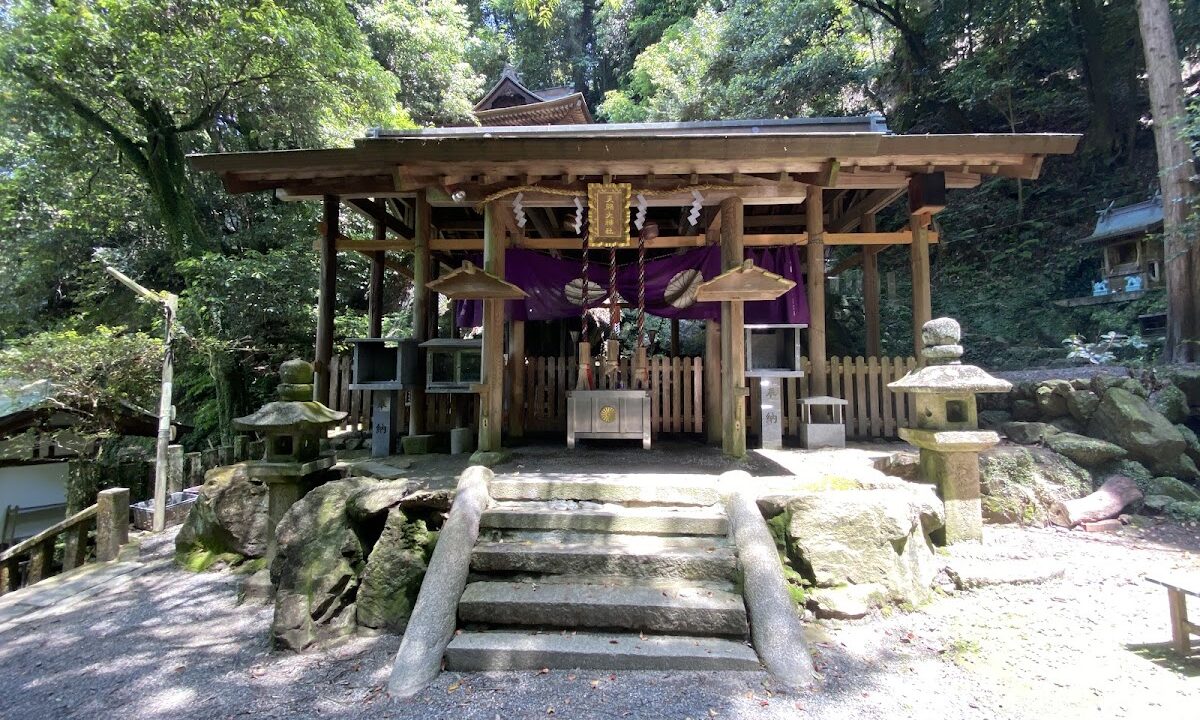
Amaterasu Okami Takakura Shrine (Yao City, Osaka Prefecture) Complete Guide | History and Goshuin Information of the Only Shrine in Japan to Bear the Name of “Amaterasu Okami”
Amaterasu Okami Takakura Shrine, located at the western foot of Mt. Takayasu in Yao City, Osaka Prefecture, is known as the only shrine in Japan to bear the name “Amaterasu Okami.” It is a shrine listed in the Engishiki Jinmyocho (a list of shrines compiled in the Heian period), and has been revered as a sacred site for sun worship since ancient times. This article provides detailed information you should know before visiting this mystical shrine, including its history, enshrined deities, access methods, and goshuin information.
What is Amaterasu Okami Takakura Shrine?
Amaterasu Okami Takakura Shrine is a shrine located at 550 Kyokoji, Yao City, Osaka Prefecture. The Engishiki Jinmyocho (a list of shrines compiled in the Heian period) lists the shrine as “Amaterasu Omikami Takakura Shrine, two deities, in Takayasu District, Kawachi Province, with monthly and annual harvest festivals, and the era name Kasugado Shrine,” indicating its status as a major shrine listed in the Engishiki.
The only shrine in Japan bearing the name “Amaterasu Omikami”
While there are many shrines throughout Japan dedicated to Amaterasu Omikami, this is the only shrine that bears the name “Amaterasu Omikami” in its name. This uniqueness speaks to the historical importance of the shrine and its role as a center of sun worship in ancient times.
Characteristics of the site
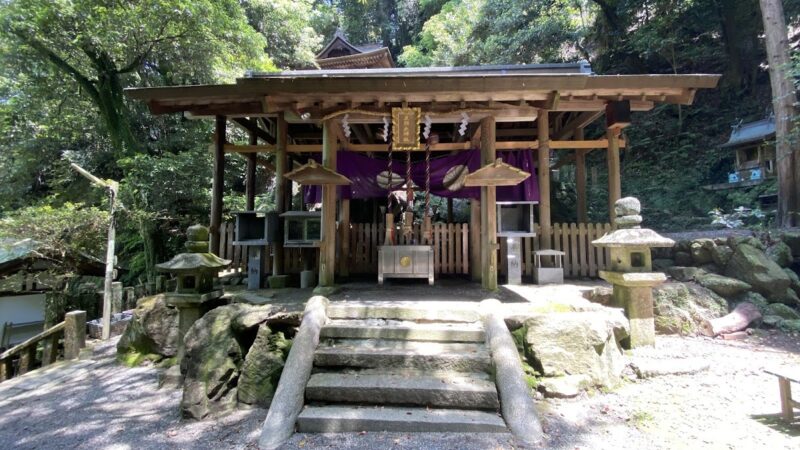
Amaterasu Omikami Takakura Shrine is located on the western foot of Mount Takayasu, in a place called Benten-yama. The shrine grounds are a cave-like formation deep within a narrow valley, and have been revered as a sacred place since ancient times. This topography resembles a natural rock cave and is linked to the myth of Amaterasu Omikami hiding in the rock cave.
Deities and Sacred Object
Main Deity
The deities enshrined at Amaterasu Omikami Takakura Shrine are as follows:
- Amaterasu Omikami: The supreme deity in Japanese mythology, the sun goddess
- Takamimusubi no Okami: One of the three creation gods, the god of creation of heaven and earth
Furthermore, the following deities are enshrined as subordinate deities:
- Isetsuhiko no Mikoto
- Isetsuhime no Mikoto
These deities are enshrined.
Mystery of the Sacred Object
There are various theories regarding the sacred object of our shrine, including the theory that the rock cave itself is the sacred object, and the theory that a specific sacred treasure is the sacred object. The structure of the main hall, located deep within the shrine grounds, also reveals a unique form of worship that fuses nature worship and Shinto.
History of Amaterasu Omikami Takakura Shrine
Legends of Founding and Relocation
According to shrine tradition, Amaterasu Omikami Takakura Shrine was relocated to its current location from Ujiyamada in Ise Province (present-day area around the Outer Shrine of Ise Grand Shrine) in the 23rd year of Emperor Yuryaku’s reign (479 AD). While there are several theories regarding the reason for this relocation, the most plausible is that it was chosen as a base for sun worship in the Kinai region due to political and religious needs at the time.
Sacred Site of Ancient Sun Worship
Benten-yama, at the western foot of Mount Takayasu, has been known as a sacred site for sun worship since ancient times. This location occupies a geographically important position and is considered an ideal place to observe the sunrise on the spring and autumn equinoxes. It is believed that ancient people observed the movement of the sun here, established calendars, and determined the timing of agricultural activities.
Status as a Grand Shrine in the Engishiki
In the Engishiki Jinmyocho (compiled in 927), Amaterasu Omikami Takakura Shrine is listed as a “Grand Shrine.” This indicates that it held one of the highest ranks in the shrine ranking system at the time, demonstrating the deep reverence it received from the imperial court. Furthermore, as a shrine receiving offerings for the “Monthly Harvest Festival,” it was also an object of national worship.
Era Name “Kasugado-no-Kami”
The Engishiki mentions “Era Name Kasugado-no-Kami,” indicating that the shrine was formerly called “Kasugado-no-Kami.” It is believed that the name change occurred during the Heian period, as the worship of Amaterasu Omikami grew.
Changes from the Medieval Period Onward
During the medieval period, the shrine was strongly influenced by Buddhism, adopting a form of syncretism between Shinto and Buddhism. Kyōkōji Temple, the shrine’s affiliated temple, was located adjacent to the shrine grounds, demonstrating a unified form of worship between the shrine and the temple. Although Shinto shrines and Buddhist temples were separated by the Meiji-era decree separating Shinto and Buddhism, strong Buddhist elements still remain today.
Relationship with Iwato Shrine
Two Adjacent Shrines
Iwato Shrine is located right next to Amaterasu Omikami Takakura Shrine. The boundary between the two shrines is unclear, and it’s possible to move between their grounds from the side of the stone steps leading to each.
Deities Enshrined at Iwato Shrine
Iwato Shrine enshrines the deities who appear in the myth of Amaterasu Omikami hiding in the cave. This arrangement suggests that Amaterasu Omikami Takakura Shrine, which enshrines Amaterasu Omikami, and Iwato Shrine, which embodies the myth of Amaterasu’s hiding in the cave, are united to represent the entirety of the sun myth.
Integrated Form of Worship
Many worshippers visit both shrines as a single entity. This form of worship is a valuable example that conveys the ancient way of worship to the present day.
The Sun’s Path and Amaterasu Omikami Takakura Shrine
The Line at 34°36’45” North Latitude
Amaterasu Omikami Takakura Shrine is located at the same latitude as Sumiyoshi Taisha Shrine, 34°36’45” North. Along this east-west line, from west to west, are:
- Akashi Strait
- Sumiyoshi Taisha Shrine (Osaka City)
- Amaterasu Omikami Takakura Shrine (Yao City)
- Shigisan (Nara Prefecture)
- Horyu-ji Temple (Ikaruga Town, Nara Prefecture)
These are aligned in a straight line.
Sunrise from Sumiyoshi Taisha Shrine
According to the traditions of Sumiyoshi Taisha Shrine, on the spring and autumn equinoxes, the sun rises from the direction of Amaterasu Omikami Takakura Shrine. This astronomical alignment suggests that ancient people possessed advanced surveying techniques and astronomical knowledge.
The “Sun’s Path” Hypothesis
This east-west line is known as part of the “Sun’s Path” hypothesis proposed by author Kozo Ogawa. This hypothesis posits the existence of a network of sacred sites systematically arranged in ancient Japan based on sun worship, and Amaterasu Omikami Takakura Shrine is considered one of its important points.
Highlights of the Shrine Grounds
Approach and Stone Steps
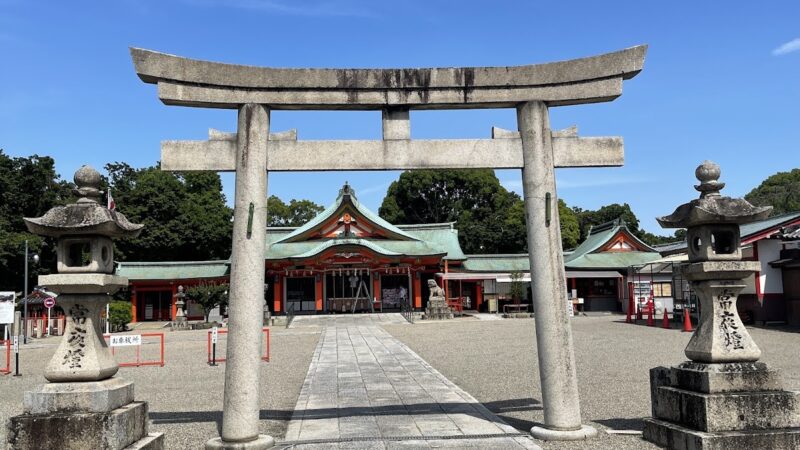
The approach to Amaterasu Omikami Takakura Shrine begins about a 10-minute walk from Kintetsu Shigisanguchi Station. After passing through a residential area, a steep stone staircase appears, leading down into a valley. Climbing these steps leads into a sacred area enveloped in silence.
Main Hall and Worship Hall
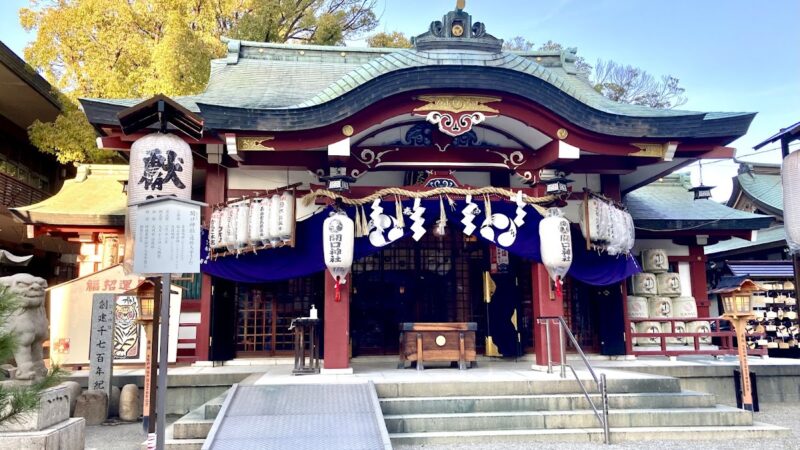
The main hall is built against a rocky cave, a unique arrangement that utilizes the natural terrain. The worship hall, though simple, possesses a solemn atmosphere, conveying the weight of ancient faith.
Subsidiary Shrines
Several subsidiary shrines are enshrined within the grounds, each attracting local devotion. Of particular note are the small shrines dedicated to agricultural and water deities, offering traces of ancient beliefs closely intertwined with daily life.
Natural Environment
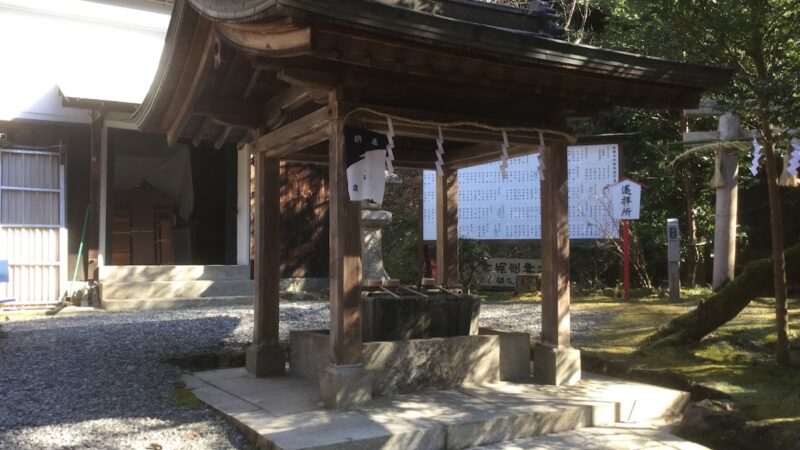
The shrine grounds are surrounded by abundant nature, offering particularly beautiful scenery during the seasons of fresh greenery and autumn leaves. It’s a place where you can forget the hustle and bustle of the city and find peace of mind in a tranquil environment.
Goshuin (Shrine Seal) and Goshuincho (Shrine Seal Book) Information
About Goshuin
You can receive a Goshuin at Amaterasu Omikami Takakura Shrine. However, since there may not always be a resident priest, it is recommended to check in advance.
Features of the Goshuin
The Goshuin features the calligraphy of “Amaterasu Omikami Takakura Shrine” and the shrine’s seal. As the only shrine in Japan with a Goshuin bearing this name, it is popular among Goshuin collectors.
How to Obtain
Goshuin can be obtained at the shrine office, but if the priest is absent, it may be available at a nearby priest’s residence or a shrine under the jurisdiction of another priest. We recommend checking the latest information with the Osaka Prefectural Shrine Association or the Yao City tourist information center before your visit.
Goshuincho (Stamp Book)
Regarding the availability of original goshuincho, please confirm upon your visit. Standard goshuincho are accepted without any problems.
Access Information
Basic Information
Location: 550 Kyokoji, Yao City, Osaka Prefecture 581-0874
Access by Train
Nearest Station: Kintetsu Ikoma Line “Shigisanguchi Station”
- Approximately 10 minutes on foot from the station (approx. 767m)
- Exit the station and head southeast, passing through the residential area to the approach to the temple.
Alternative Route: Kintetsu Osaka Line “Takayasu Station”
- Approximately 15-20 minutes on foot from the station
- Although it’s a bit of a distance, you can enjoy the scenery at the foot of Mt. Takayasu while walking.
Access by Car
- Approximately 15 minutes from Nishimeihan Expressway “Fujiidera IC”
- Approximately 20 minutes from Hanshin Expressway “Higashi-Osaka Minami IC”
Parking: There is a dedicated parking lot on the temple grounds, but space is limited, so we recommend using public transportation.
Map Information
Since it’s located deep within a residential area, we recommend using a smartphone map app if you’re visiting for the first time. Searching for “Amaterasu Omikami Takakura Shrine” will show you the exact location.
Points and Precautions for Visiting
Visiting Hours
While you can generally visit the shrine grounds freely, the shrine office has limited operating hours. If you wish to receive a Goshuin (shrine stamp), we recommend contacting them in advance.
Clothing and Items to Bring
- You will need comfortable shoes as you will need to climb stone steps.
- Insect repellent is useful in summer.
- The shrine grounds have plenty of shade, so it’s relatively cool even in summer.
Photography
Photography is generally permitted on the shrine grounds, but consideration is needed inside the main hall and in sacred areas. Please be careful not to disturb other visitors.
Manners
- Please be mindful of noise, as the shrine is adjacent to a quiet residential area.
- Please take all your trash with you.
- Please respect nature and do not harm the plants.
Annual Festivals and Events
Annual Festival
The annual festival of Amaterasu Omikami Takakura Shrine is held on July 7th. This day also coincides with Tanabata (the Star Festival), and a unique festival is held that combines the worship of Amaterasu Omikami with the worship of stars.
Other Events
Monthly festivals and seasonal festivals are held throughout the year. The spring and autumn equinoxes, in particular, are considered to have special significance due to their connection to the path of the sun.
Nearby Shrines and Temples
Iwato Shrine
As mentioned above, this shrine is adjacent to Amaterasu Omikami Takakura Shrine. Visiting both shrines together allows for a deeper religious experience.
Kyokoji Temple
This Shingon Buddhist temple is located very close to the shrine and was formerly the head temple of Amaterasu Omikami Takakura Shrine. You can feel the remnants of the era of syncretism of Shinto and Buddhism here.
Temples and Shrines Around Mt. Takayasu
The area around Mt. Takayasu is dotted with many ancient temples and shrines, making it ideal for historical walks. If you have time, we recommend visiting the surrounding temples and shrines as well.
History and Culture of Yao City
Center of Kawachi Province
Yao City was one of the centers of the ancient Kawachi Province, and many ancient tombs and ruins remain. Amaterasu Omikami Takakura Shrine is also important for understanding the ancient history of this region.
Faith on Mt. Takayasu
Mt. Takayasu has been revered as a sacred mountain since ancient times and was an object of mountain worship. Amaterasu Omikami Takakura Shrine has a unique form of worship that fuses this mountain worship with sun worship.
Research and Academic Value
Archaeological Significance
Ancient ritual sites have been discovered around the location of Amaterasu Omikami Takakura Shrine, making it an archaeologically important site. The form of worship utilizing rock caves is valuable material for studying ancient Japanese beliefs.
Connection to Astronomy
Research is progressing from an astronomical perspective in relation to the “Sun’s Path” hypothesis. It is attracting attention as a key to understanding the relationship between astronomical observations and the placement of religious facilities in ancient Japan.
Position in Shinto History
As the only shrine in Japan bearing the name of “Amaterasu Omikami,” it is considered an important case study for understanding the development of Amaterasu Omikami worship in Shinto history. It offers many research themes, including its relationship with Ise Grand Shrine and the nature of sun worship in regional areas.
Visitor Voices and Experiences
Mystical Atmosphere
Many visitors are impressed by the tranquility and mystical atmosphere of the shrine grounds. The presence of the main hall, backed by a rock cave, conveys the weight of ancient faith.
As a Power Spot
Due to its location on the Sun’s Path, it is also popular as a power spot. Especially during the spring and autumn equinoxes, some visitors report feeling a special energy.
A Quiet Worship Environment
The shrine is highly regarded for its tranquil environment, far removed from the hustle and bustle of the city, allowing for peaceful worship. Its unpretentious atmosphere, unspoiled by tourism, is a major draw.
Summary: The Charms of Amaterasu Omikami Takakura Shrine
Amaterasu Omikami Takakura Shrine is historically and religiously extremely important as the only shrine in Japan bearing the name “Amaterasu Omikami.” It possesses many appealing features, including the legend of its relocation from Ise during the reign of Emperor Yuryaku, its character as a sacred site for sun worship, and its geographical location on the sun’s path.
Despite being located in the urban area of Yao City, Osaka Prefecture, the shrine grounds, surrounded by tranquil nature, offer a precious space for modern people to find peace of mind. While maintaining its status as a major shrine listed in the Engishiki (ancient Japanese legal code), it retains its unpretentious simplicity, preserving the ancient ways of faith.
You can receive a Goshuin (shrine stamp), and visiting nearby Iwato Shrine and Kyokoji Temple in conjunction with the shrine offers a deeper historical experience. Its convenient location, just a 10-minute walk from Kintetsu Shigisanguchi Station, is another attractive feature.
This shrine is a must-visit for anyone planning a shrine tour in Osaka Prefecture, those interested in ancient history or sun worship, or those seeking a quiet, spiritual spot. Experience the spirit of ancient sun worship at this unique shrine, the only one of its kind in Japan.