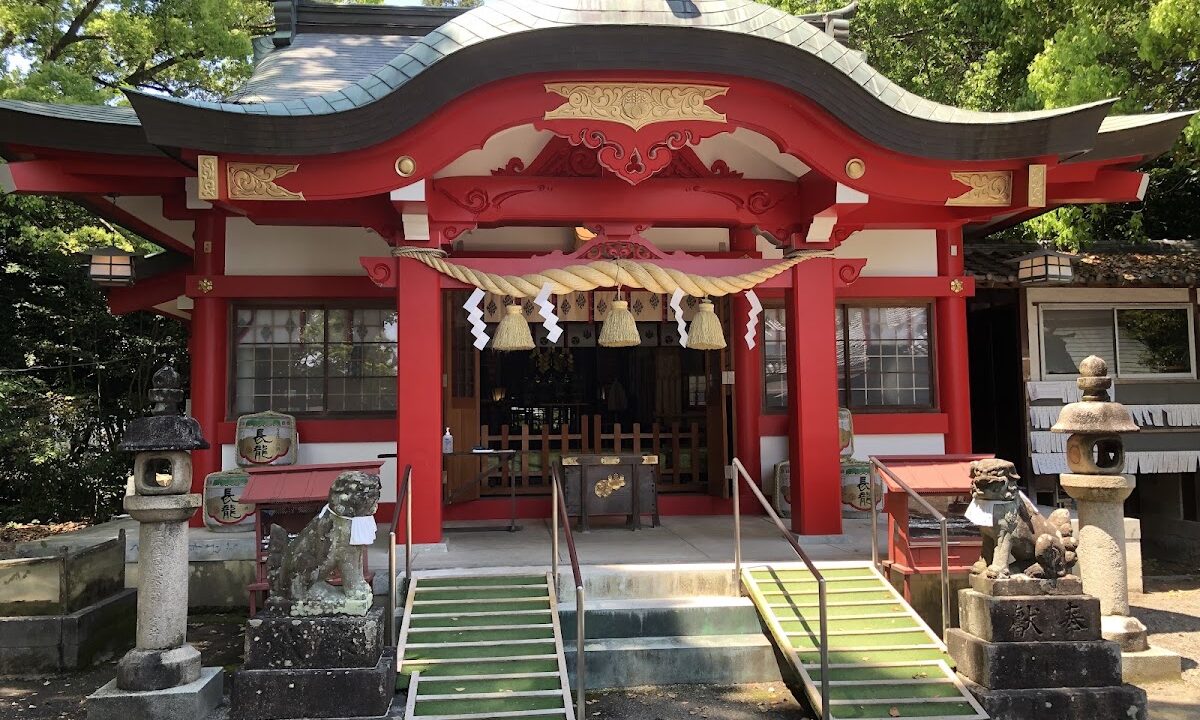
Nishidai Shrine (Kawachinagano City, Osaka Prefecture) Complete Guide | History, Goshuin (Shrine Seal), Kagura (Sacred Dance), and Access Information
What is Nishidai Shrine?
Nishidai Shrine (officially “Nishindai Jinja,” commonly known as “Nishidai Jinja”) is a historical shrine located in Nishidai-cho, Kawachinagano City, Osaka Prefecture. Its former shrine rank was a village shrine, and while the exact year of its founding is unknown, records indicate it was already revered by generals of the Southern Court during the Nanboku-cho period, confirming its existence before the medieval period.
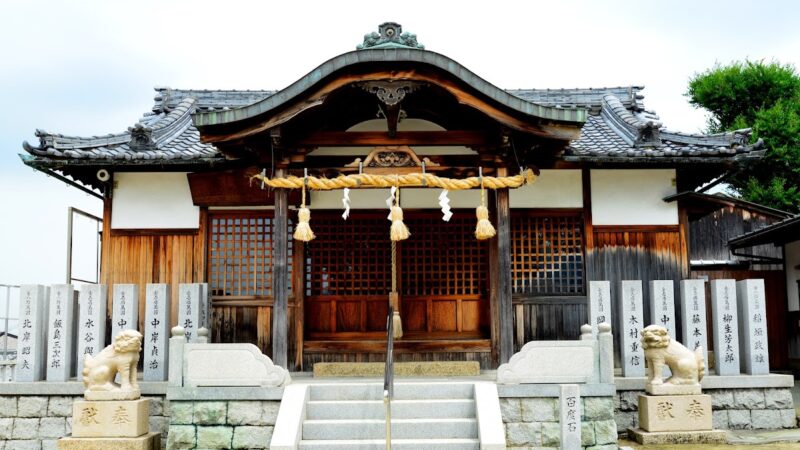
Located approximately 800 meters west of Kawachinagano Station, about a 13-minute walk, it features a quiet precinct surrounded by a lush, verdant forest. It is affectionately known locally as “Nishidai Ebisu” and continues to attract the faith of local residents.
It belongs to the Osaka Prefectural Shrine Association and continues to play an important role as the local guardian deity. The Nishidai Kagura, especially the one performed in autumn, is known as a valuable intangible cultural asset with a history of over 250 years.
Deities of Nishidai Shrine
Nishidai Shrine enshrines several deities. Let’s take a closer look at the main deity and the enshrined deities.
Main Deity
The main deity of Nishidai Shrine is Susanoo-no-Mikoto. In Japanese mythology, Susanoo-no-Mikoto is known as the younger brother of Amaterasu-Omikami and is famous for the myth of slaying the Yamata no Orochi (eight-headed serpent). He is believed to have divine virtues such as warding off evil, eradicating disease, and matchmaking.
Enshrined Deities
Along with the main deity, the following deities are enshrined:
- Kotoshironushi-no-Kami: A child deity of Okuninushi-no-Mikoto, worshipped as the god of business prosperity and fishing. Known as “Ebisu-sama,” this is the reason why Nishidai Shrine is called “Nishidai Ebisu.”
- Okuninushi-no-kami: Also known as the principal deity of Izumo Taisha Shrine, revered as the god of matchmaking, national development, and agriculture.
Due to the combination of these deities, Nishidai Shrine is worshipped by local people as a shrine with diverse divine blessings, including protection from evil, business prosperity, and matchmaking.
History of Nishidai Shrine
Founding and Ancient/Medieval Periods
The exact founding date of Nishidai Shrine is unknown, but records show that it already existed during the Nanboku-cho period (1336-1392). The historical fact that it was revered by generals of the Southern Court at that time indicates that this shrine played an important religious and political role in the Kawachi region during the medieval period.
Kawachinagano City was known as a place associated with Kusunoki Masashige during the Nanboku-cho period and was an important base for the Southern Court. Nishidai Shrine is also thought to have functioned as a spiritual pillar for samurai warriors within this historical context.
Edo Period
During the Edo period, it was known as Nishidai Daimyojin. During this time, the shrine became established as the guardian deity of the region and was the center of faith for the villagers.
A stone lantern donated in 1715 (Shotoku 5) still exists on the shrine grounds, bearing witness to over 300 years of history. This stone lantern is a valuable cultural asset that speaks to the deep faith of the local residents during the mid-Edo period.
In 1732 (Kyoho 17), when Honda Tadatsune’s son, Tadatsune, was transferred from the Nishidai Jinya (fortified residence) to Kobe in Kawamagari District, Ise Province, a Kagura (sacred dance) was offered in remembrance of his virtues. This is considered the beginning of the “Nishidai Kagura” that continues to this day.
Meiji Period and Beyond
Due to the Meiji era’s policy of separating Shinto and Buddhism, the name was changed from Nishidai Daimyojin to Nishidai Shrine. Around the same time, it was ranked as a village shrine under the modern shrine ranking system, establishing its status as a formal shrine.
Since the Meiji era, it has continued to uphold its traditions as the local tutelary shrine and as a shrine belonging to the Osaka Prefectural Shrine Association. Even after the turmoil of the post-war period, the maintenance and management of the shrine by local residents and their faith have continued uninterrupted.
Nishidai Kagura – A Traditional Shinto Ritual with Over 250 Years of History
History and Origin of Nishidai Kagura
Nishidai Kagura is a valuable intangible cultural asset that has been passed down for over 290 years since 1732 (Kyoho 17). It is said to have originated when Honda Tadatsune was transferred from the Nishidai Jinya (fortified residence), and has been performed every autumn ever since.
This Kagura is carefully preserved by the local people and is one of the most important annual events at Nishidai Shrine. Despite facing numerous crises throughout its long history, it has been passed down to the present day thanks to the enthusiasm of the local residents.
Characteristics and Content of Kagura
Nishidai Kagura maintains the traditional form of Kagura while also incorporating unique regional elements. Performed by Shinto priests and local volunteers, it expresses gratitude to the gods and prays for a bountiful harvest and peace in the region.
The Kagura repertoire includes dances based on mythology and dances related to agriculture, making it a valuable cultural heritage that preserves the original form of traditional Japanese performing arts.
Viewing Kagura
Nishidai Kagura is usually performed during the autumn festival. Not only local residents, but also those interested in traditional culture come to watch. For specific dates, we recommend contacting the shrine directly or checking the Osaka Prefectural Shrine Association website.
Goshuin (Shrine Seal) Information
About the Issuance of Goshuin
Goshuin (shrine seals) are available at Nishidai Shrine. Many visitors seek them as proof of their visit and as a memento of their trip.
When receiving a Goshuin (temple/shrine stamp), please first complete your prayers at the main shrine, then present your Goshuincho (stamp book) at the shrine office. Since the priests may not always be present, it is recommended to call ahead to confirm if you wish to receive a Goshuin.
Features of the Goshuin
The Goshuin at Nishidai Shrine features the shrine’s name and the date of visit written in ink, followed by a red stamp. This simple yet dignified Goshuin is highly regarded by many Goshuin collectors.
The offering fee (for the Goshuin) is generally around 300 to 500 yen, similar to other shrines, but sometimes a donation of your choosing is accepted. Please check with the shrine office for details.
Annual Events and Festivals
Main Annual Events
Nishidai Shrine holds various Shinto rituals throughout the year.
Annual Grand Festival (Autumn): This is the most important festival at Nishidai Shrine, where Nishidai Kagura (traditional Shinto music and dance) is performed. Many local residents participate, and events such as a portable shrine procession may also be held.
New Year’s Visit: Many worshippers visit the shrine in the new year to pray for safety and happiness throughout the year.
Setsubun Festival: A ritual to ward off evil is held on Setsubun in February.
Summer Purification Ceremony: A ritual to purify oneself of the impurities accumulated over the past six months is held at the end of June.
For specific dates and details, please contact the shrine directly or check the official information.
Highlights of the Shrine Grounds
The Guardian Forest
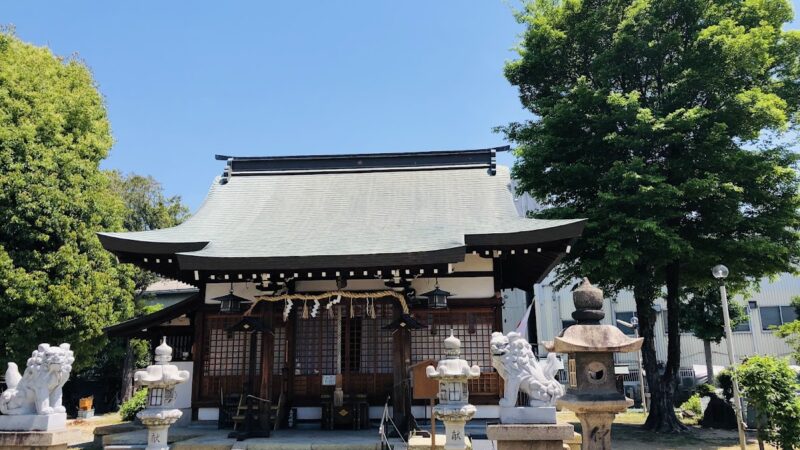
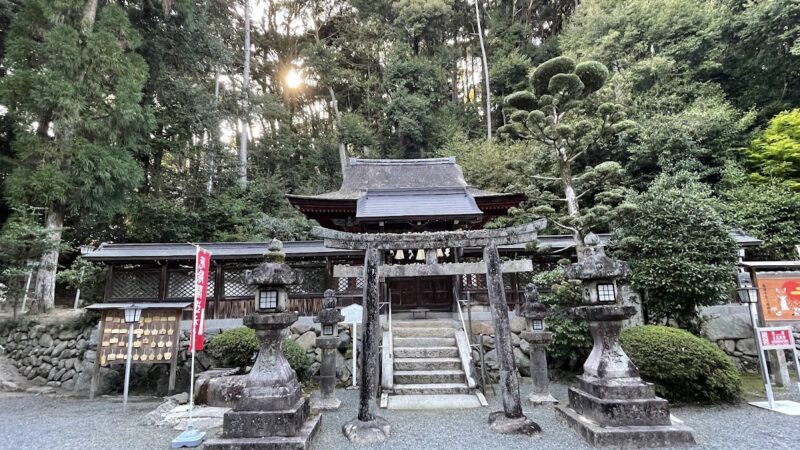
The grounds of Nishidai Shrine are surrounded by lush trees. In the increasingly urbanized city of Kawachinagano, this guardian forest is a valuable natural space where you can experience nature in all four seasons.
The shade of the trees in summer and the autumn foliage are particularly beautiful, providing a peaceful environment for worship.
Stone Lantern (Donated in 1715)
A stone lantern donated in 1715 still stands on the temple grounds. With a history of over 300 years, this stone lantern is a valuable cultural asset that showcases Edo-period stonemasonry techniques and speaks to the deep faith of the time.
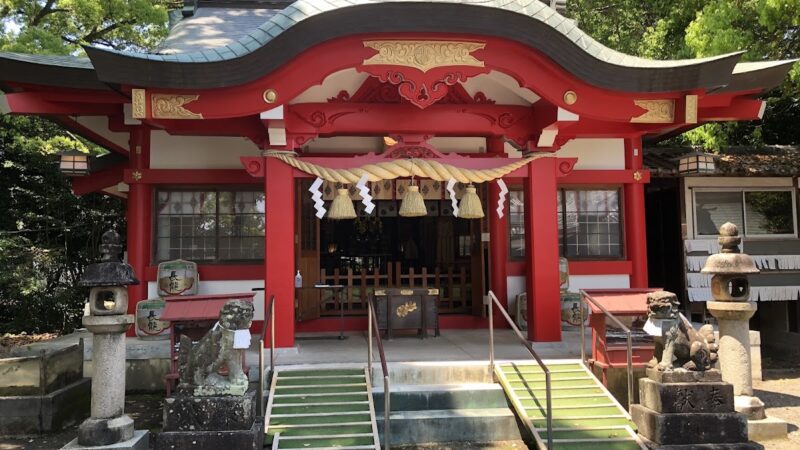
Main Hall and Worship Hall
The main hall and worship hall, built in the traditional style of Shinto shrine architecture, exude a solemn atmosphere. When praying, please follow the proper etiquette of two bows, two claps, and one bow.
Access and Visiting Information
Basic Information
Official Name: Nishidai Shrine
Common Name: Nishidai Shrine, Nishidai Ebisu
Address: 16-5 Nishidai-cho, Kawachinagano City, Osaka Prefecture 586-0009
Phone Number: 0721-53-1762
FAX: 0721-56-1922
Former Shrine Rank: Village Shrine
Affiliation: Osaka Prefectural Shrine Association
Access Method
Access by Train:
- Approximately 13 minutes on foot west from Kawachinagano Station on the Nankai Koya Line (approx. 800m)
- Approximately 13 minutes on foot west from Kawachinagano Station on the Kintetsu Nagano Line (approx. 800m)
Walk straight west along the main street in front of Kawachinagano Station for about 1km, and you will see a lush forest. Nishidai Shrine is located within this area.
Access by Car:
- Approximately 30 minutes from the Sakai Interchange on the Hanwa Expressway
- Please inquire with the shrine in advance regarding parking availability.
Visiting Hours and Admission Fee
Visiting Hours: Free entry to the shrine grounds (daytime visits recommended)
Admission Fee: Free
Shrine Office Hours: Please call in advance if you wish to receive a Goshuin (shrine stamp) or prayers.
Nearby Tourist Attractions
Historical Sites in Kawachinagano City
When visiting Nishidai Shrine, we recommend also visiting other historical sites in Kawachinagano City.
Kanshinji Temple: An ancient Shingon Buddhist temple with a national treasure, the Golden Hall, and known for its connection to Kusunoki Masashige.
Kongoji Temple: Also known as “Amanoyama Kongoji,” this is a famous temple possessing numerous important cultural properties.
Enmei-ji Temple: One of the representative ancient temples of Kawachinagano City.
Eboshigata Park: Known as a famous cherry blossom viewing spot, it is bustling with many visitors in spring.
Around Kawachinagano Station
The area around Kawachinagano Station has a wide variety of shops and restaurants, making it convenient for meals and rest after visiting the temple. There are also shops selling local specialties, making it ideal for souvenir shopping.
Cultural Value of Nishidai Shrine
As a Center of Regional Faith
Nishidai Shrine has served as the guardian deity of the Nishidai district from the Middle Ages to the present day, acting as a spiritual pillar for the local residents. The strong community ties centered around the shrine remain intact today.
Through annual events and festivals, intergenerational exchanges are fostered, and the region’s traditional culture is passed down. In particular, the activities to preserve Nishidai Kagura (traditional dance and music) provide an important opportunity for cultural transmission to younger generations.
Nishidai Kagura as an Intangible Cultural Heritage
The Nishidai Kagura, which has been passed down for approximately 290 years, is a valuable intangible cultural heritage of Kawachinagano City. The movements, music, and costumes of the Kagura strongly reflect the performing arts culture of the Edo period, and it holds high value from a folkloric perspective.
The fact that this traditional performing art, which is in danger of disappearing in modern times, is being preserved through the efforts of the local people is attracting attention as a model example of cultural preservation.
Historical Heritage of the Nanboku-cho Period
The Nishidai Shrine’s connection with the Southern Court generals of the Nanboku-cho period indicates that it was not merely a small local shrine, but played a historically important role. The fact that it attracted the faith of Southern Court warriors, including Kusunoki Masashige, is also interesting material for the study of medieval history.
Manners and Points for Visiting a Shrine
Basic Etiquette for Visiting a Shrine
When visiting a shrine, please observe the following etiquette:
- Bow before passing through the torii gate: This is a courtesy before entering the sacred area.
- Purify your body and mind at the temizuya (water basin): Purify your left hand, then your right hand, then your mouth.
- Walk along the edge of the path: The center is considered the path of the gods.
- Bow twice, clap twice, and bow once in front of the main hall: Offer your prayers respectfully.
- Bow again at the torii gate when leaving: Express your gratitude.
Photography
Photography is generally permitted on the shrine grounds, but please refrain from taking pictures during religious ceremonies or inside the main hall. Also, please be considerate of other visitors.
Attire
Everyday clothing is acceptable for visiting a shrine, but it is advisable to avoid overly casual or revealing clothing. Especially if you are receiving a prayer, somewhat formal attire is preferable.
Nishidai Shrine and the Osaka Prefectural Association of Shinto Shrines
Nishidai Shrine is one of the shrines belonging to the Osaka Prefectural Association of Shinto Shrines. The Osaka Prefectural Association of Shinto Shrines is an organization that oversees shrines within Osaka Prefecture, working on shrine maintenance, training of Shinto priests, and preservation of traditional culture.
The Osaka Prefectural Association of Shinto Shrines’ website contains information on various shrines within the prefecture, including Nishidai Shrine, and can be used as reference information when visiting shrines. They also handle consultations and inquiries regarding shrines.
Summary
Nishidai Shrine is a historic shrine located in Kawachinagano City, Osaka Prefecture. It boasts a long history dating back to the Nanboku-cho period and possesses the valuable intangible cultural asset of Nishidai Kagura, which has been passed down for approximately 290 years.
Its convenient location within walking distance of Kawachinagano Station, its grounds surrounded by a tranquil sacred forest, and its warm, community-oriented atmosphere make it an ideal place to escape the hustle and bustle of the city and find peace of mind.
Nishidai Shrine is a historic shrine located in Kawachinagano City, Osaka Prefecture. It has a long history dating back to the Nanboku-cho period and possesses the valuable intangible cultural asset of Nishidai Kagura, which has been passed down for approximately 290 years.
Its excellent accessibility (within walking distance of Kawachinagano Station), its grounds surrounded by a quiet sacred forest, and its warm, community-rooted atmosphere make it an ideal place to escape the hustle and bustle of the city and find peace of mind.
Nishidai Shrine, with Susanoo-no-Mikoto as its main deity and Kotoshironushi-no-Kami and Okuninushi-no-Kami as secondary deities, is believed to offer a variety of divine blessings, including protection from evil, business prosperity, and matchmaking. You can also receive a Goshuin (shrine stamp), making it a recommended destination for those who enjoy visiting shrines.
When visiting Kawachinagano City, be sure to stop by Nishidai Shrine and experience its long history and traditional culture. The Nishidai Kagura, performed at the autumn festival, is a particularly valuable traditional art form well worth seeing.
Loved and protected by the local community, Nishidai Shrine will undoubtedly continue to be a cultural asset of Kawachinagano City and a spiritual haven for many people.