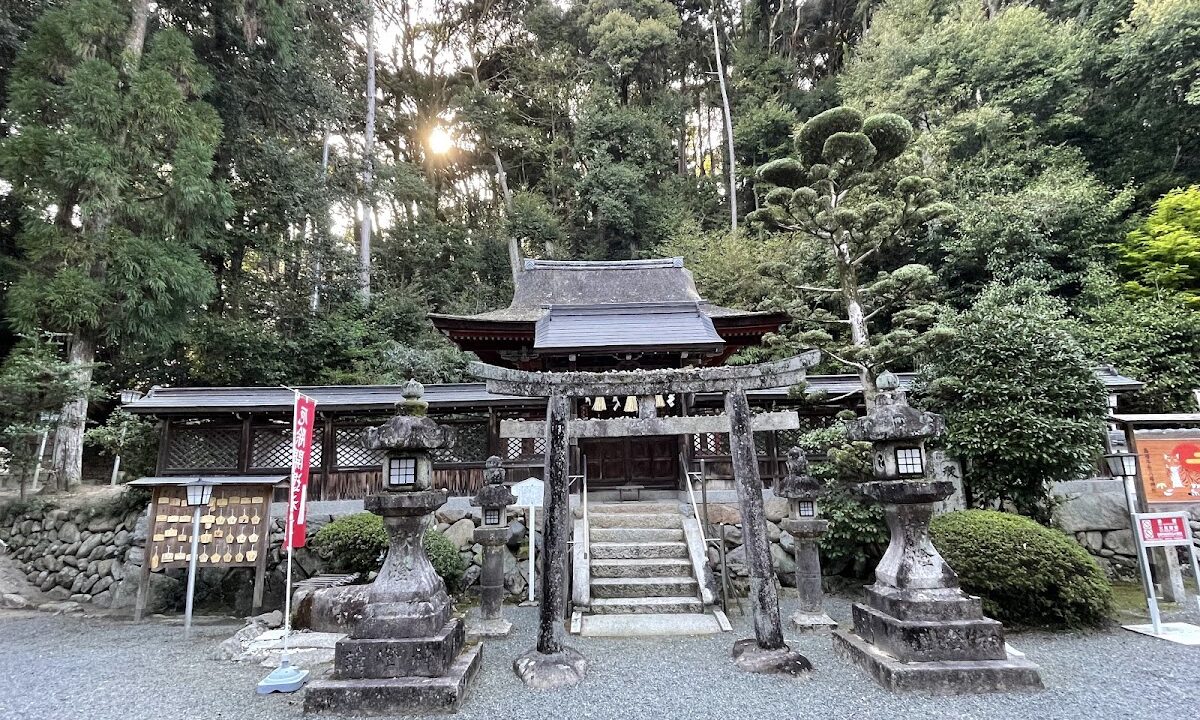
Complete Guide to Eboshigata Hachiman Shrine (Kawachinagano City, Osaka Prefecture) | A Thorough Explanation of the Important Cultural Property Main Hall and its History Related to the Kusunoki Clan
What is Eboshigata Hachiman Shrine?
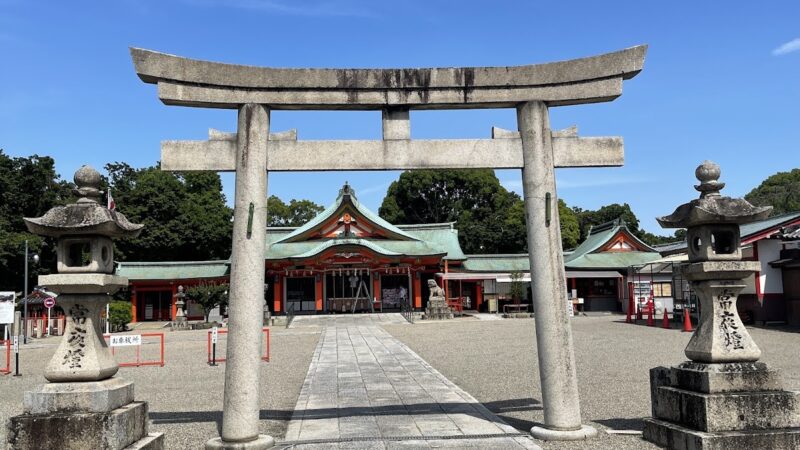
Eboshigata Hachiman Shrine is a historic shrine located at 305 Kitamachi, Kawachinagano City, Osaka Prefecture. Situated at the foot of Mount Eboshigata, it is said to have been founded as the guardian shrine of Eboshigata Castle, which was associated with the Kusunoki clan.
Under the modern shrine ranking system, it was classified as a village shrine, and is currently deeply revered by local residents as the tutelary shrine of five districts in Kawachinagano City: Ueda, Kita, Oshio, Kusunokigaoka, and Daishimachi.
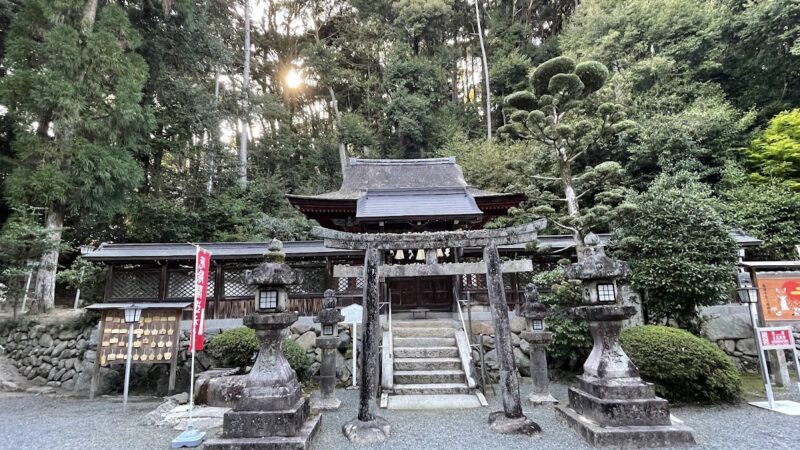
The main hall is a valuable structure built in 1480 (Bunmei 12) during the late Muromachi period. It is designated as a National Important Cultural Property and is known as one of the most valuable shrine buildings in Osaka Prefecture.
History and Origins of Eboshigata Hachiman Shrine
Circumstances of its Founding and its Relationship with the Kusunoki Clan
The exact founding date of Eboshigata Hachiman Shrine is unclear, but its origins are believed to date back to the Nanboku-cho period (Northern and Southern Courts period). Eboshigata Castle, one of the seven castles of the Kusunoki clan (the seven castles of Kawachi), was built on Mount Eboshigata. It is said that when Kusunoki Kojiro established his base at this castle, the shrine was founded as the guardian deity of the castle.
The Kusunoki clan was a samurai group from Kawachi Province that was active from the late Kamakura period to the Nanboku-cho period. They are known as a prominent family that supported Emperor Go-Daigo’s movement to overthrow the shogunate, led by Kusunoki Masashige. Eboshigata Castle was part of the Kusunoki clan’s network of branch castles and played an important role as a defensive base in the Kawachi region.
Construction of the Shrine in the Muromachi Period
In 1480 (Bunmei 12), the current main shrine building was constructed by Ishikawa Hachirozaemon-no-jo, a descendant of the Kawachi Minamoto clan. This period falls within the late Muromachi period, shortly after the end of the Onin War (1467-1477).
It is believed that Ishikawa Hachirozaemon-no-jo’s intention in constructing the new shrine building was to pray for the reconstruction of the region devastated by war and for the stability of the local community. Even after more than 540 years, this main shrine building retains its original form, making it an extremely valuable historical structure for understanding Muromachi period shrine architecture.
Changes Since the Edo Period
During the Edo period, the shrine continued to attract the faith of local residents as the tutelary deity of the surrounding area. With the Meiji-era separation of Shinto and Buddhism and the introduction of the modern shrine ranking system, it was ranked as a village shrine, establishing its position as a central shrine in the region.
On May 14, 1940 (Showa 15), the main shrine building was designated a National Important Cultural Property, officially recognizing its architectural and cultural value.
Deities and Benefits
Deities
The following four deities are enshrined at Eboshigata Hachiman Shrine:
Susanoo-no-Mikoto
A heroic deity in Japanese mythology, known as the god of protection against misfortune and disaster. He is also a god of martial prowess who defeated the Yamata no Orochi (eight-headed serpent).
Tarashinakatsuhiko-no-Mikoto
The 14th Emperor Chuai, and husband of Empress Jingu.
Empress Jingu
The empress of Emperor Chuai and mother of Emperor Ojin. Known for the legend of her conquest of the Three Kingdoms of Korea, she is worshipped as the goddess of safe childbirth and child-rearing.
Emperor Ōjin
The 15th Emperor of Japan, he is the principal deity enshrined at Hachiman shrines throughout Japan. He is revered as a god of military fortune and national protection.
Main Benefits
Eboshigata Hachiman Shrine is believed to offer the following benefits:
- Protection from Evil and Disaster: Divine virtue of Susanoo-no-Mikoto
- Long-lasting Military Fortune and Victory: Divine virtue of Emperor Ōjin (Hachiman)
- Safe Childbirth and Child-rearing: Divine virtue of Empress Jingū
- Family Safety and Regional Protection: Role as a tutelary deity
- Business Prosperity and Good Fortune: Comprehensive divine virtues
Main Hall Designated as an Important Cultural Property
Architectural Style and Characteristics
The main hall of Eboshigata Hachiman Shrine is a valuable structure that strongly retains the characteristics of shrine architecture from the late Muromachi period.
Architectural Style Details
- Structure: Three bays in length, two bays in width, single story
- Roof: Irimoya style, cypress bark roofing
- Front Porte: Three bays
- Construction Date: Late Muromachi period / Bunmei 12 (1480)
- Cultural Property Designation: National Important Cultural Property (Designated May 14, 1940)
The Irimoya style is a complex roof style with a gable roof at the top and a hipped roof at the bottom, and is used in high-status buildings. Cypress bark roofing is a traditional roofing method using cypress bark, possessing a unique texture and durability.
Architectural Historical Value
There are relatively few medieval shrine buildings in Osaka Prefecture, and the Eboshigata Hachiman Shrine Main Hall, a Muromachi period building that still exists, is an indispensable presence when discussing the architectural history of Osaka Prefecture.
In particular, the clear construction date of 1480 (Bunmei 12) is an important criterion for studying the architectural style of that era. Furthermore, its excellent state of preservation, maintained for over 540 years, is highly valued.
The details of the main hall reveal decorative techniques and structural ingenuity unique to the Muromachi period, demonstrating the high level of carpentry skill at the time.
Highlights of the Shrine Grounds
Main Hall (Important Cultural Property)
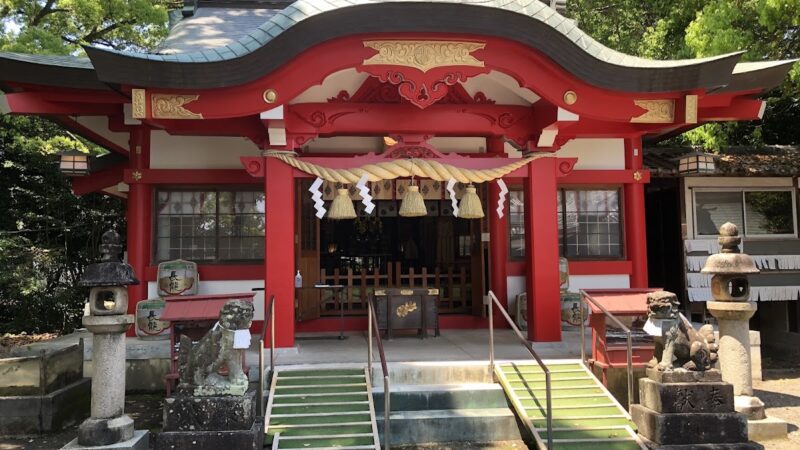
Located at the very back of the shrine grounds, the main hall is the greatest highlight of Eboshigata Hachiman Shrine. Its cypress bark roof and vermilion-painted pillars are beautiful, conveying the architectural beauty of the Muromachi period. While normally viewed from outside the fence, its majestic presence leaves a deep impression on visitors.
Worship Hall
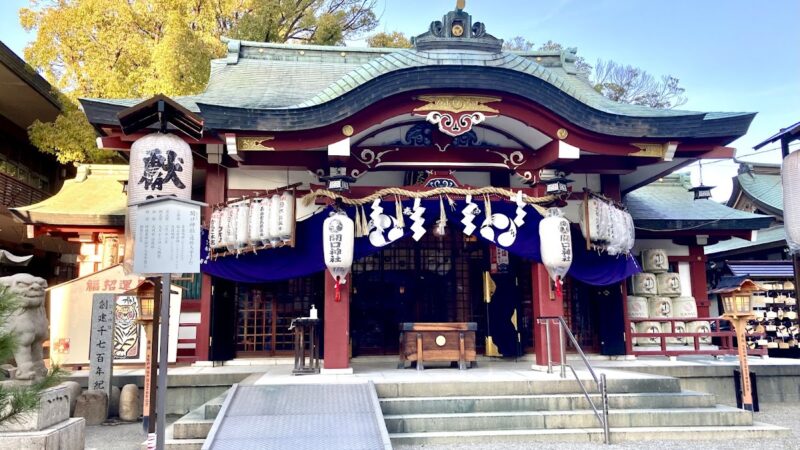
The worship hall, where visitors actually pray, is located in front of the main hall. Here, worship is performed using the two bows, two claps, and one bow ritual.
Shrine Precincts
Several subsidiary shrines (Auxiliary Shrines and Subsidiary Shrines) are enshrined around the main shrine, each housing a different deity.
Eboshigata Mountain and Eboshigata Castle Ruins
Behind the shrine, on Eboshigata Mountain, lie the ruins of Eboshigata Castle, one of the seven castles of the Kusunoki clan. Traces of earthworks and baileys can be seen near the summit, making it a must-see spot for history buffs.
A hiking trail is maintained from the shrine to the summit, allowing visitors to enjoy a hike. From the summit, you can enjoy a panoramic view of Kawachinagano city, and on clear days, you can even see the Osaka Plain.
Annual Events and Festivals
Danjiri Procession
At Eboshigata Hachiman Shrine, the Danjiri procession takes place during the autumn festival. As a traditional event in Kawachinagano City, Danjiri floats from each district gather at the shrine, showcasing a magnificent procession. The Danjiri float is a representative float of the festival culture in the Kawachi region, adorned with elaborate carvings and luxurious decorations. The sight of the Danjiri entering the shrine grounds accompanied by the energetic shouts of the parishioners is truly impressive.
Other Annual Events
- Saitansai (January 1st): A festival celebrating the New Year
- Setsubunsai (around February 3rd): A ritual to ward off evil spirits with bean-throwing
- Shunki Reitaisai: A festival celebrating the arrival of spring
- Natsukoshi no Harae (June 30th): A Shinto ritual to purify oneself of sins and impurities accumulated over the past six months
- Autumn Reitaisai: The most important festival to give thanks for the autumn harvest
- Shichi-Go-San Mairi (November): A festival celebrating the growth of children
Goshuin Information
Regarding the Issuance of Goshuin
Eboshigata Hachiman Shrine offers Goshuin (shrine stamps). However, due to the lack of a resident priest, the issuance hours are limited.
Granting Hours
Granting is usually done on Sunday mornings. However, this may vary depending on the schedule of festivals and religious ceremonies, so if you definitely want a goshuin (temple/shrine stamp), we recommend checking in advance.
Features of the Goshuin
This is a traditional style goshuin with the calligraphy of “Eboshigata Hachiman Shrine” and the shrine’s seal.
About Goshuincho (Stamp Books)
We recommend checking during your visit whether they have original goshuincho available.
Visiting Information and Access
Basic Information
Location
305 Kitamachi, Kawachinagano City, Osaka Prefecture 586-0033
Visiting Hours
Grounds are freely accessible (Shrine office hours are limited)
Admission Fee
Free
Parking
Limited parking space available on the grounds (Public transportation is recommended due to limited space)
Access by Train
Nearest Station: Kawachinagano Station (Nankai Koya Line/Kintetsu Nagano Line)
Approximately 20-25 minutes on foot from Kawachinagano Station.
If using the Nankai Koya Line:
- From Osaka/Namba Station to Kawachinagano Station: Approximately 30 minutes by express train
- From Sakai Station to Kawachinagano Station: Approximately 20 minutes
If using the Kintetsu Nagano Line:
- From Osaka-Abenobashi Station to Kawachinagano Station: Approximately 30 minutes by semi-express train
Nearest Station: Nankai Koya Line “Mikkaichicho Station”
It is also possible to access the station on foot from Mikkaichicho Station (approximately 15-20 minutes).
Access by Bus
You can also take a Nankai bus from Kawachinagano Station. Get off at the “Kitamachi” bus stop and it’s about a 5-minute walk. However, since the number of buses is limited, it is recommended to check the timetable in advance.
Access by Car
From Osaka City
- Approximately 40 minutes via Hanshin Expressway Matsubara Line and Hanwa Expressway
- Approximately 50 minutes via National Route 170 (Outer Ring Road)
From Nara
- Approximately 30 minutes via National Route 170
From Wakayama
- Approximately 40 minutes via National Routes 371 and 170
Please search for “305 Kitamachi, Kawachinagano City, Osaka Prefecture” or “Eboshigata Hachiman Shrine” on your car navigation system.
Nearby Parking Information
Parking space at the shrine is limited, so please consider using nearby coin-operated parking lots during busy times or festivals. There are several paid parking lots around Kawachinagano Station.
Nearby Tourist Attractions
Kanshinji Temple
A representative ancient temple of Kawachinagano City, known for its connection to Kusunoki Masashige. This area boasts numerous national treasures, including a statue of Nyoirin Kannon and important cultural properties, and is a popular spot for cherry blossoms in spring. It’s approximately a 10-minute drive from Eboshigata Hachiman Shrine.
Kongoji Temple (Amanosan Kongoji Temple)
Known as “Women’s Koya,” this ancient Shingon Buddhist temple features magnificent Heian period Buddhist statues and gardens. It’s especially crowded with visitors during the autumn foliage season.
Enmeiji Temple
Located in the heart of Kawachinagano City, this ancient temple features a large camphor tree designated as a city natural monument.
Eboshigata Park
Spread across the foot of Mount Eboshigata, this park is known for its cherry blossoms and azaleas. It’s bustling with flower viewers in spring and serves as a starting point for hiking trails.
Kawachinagano City Local History Learning Center (Townscape History Museum)
This facility allows you to learn about the history and culture of Kawachinagano City, and includes exhibits on the Kusunoki clan and Eboshigata Castle. Visiting before or after visiting Eboshigata Hachiman Shrine will allow you to understand the history more deeply.
Manners and Precautions for Worship
Basic Worship Etiquette
- Bow before passing through the torii gate: This is a courtesy before entering the sacred area.
- Avoid walking in the center of the approach: The center is considered the path of the gods.
- Purify yourself at the water basin: Purify your left hand, right hand, and mouth in that order.
- Bow twice, clap twice, and bow once at the main hall: This is the basic etiquette before the gods.
Photography
Photography is generally permitted on the shrine grounds, but please be respectful when photographing the main hall, as it is an important cultural property. Please follow the shrine’s instructions regarding photography during festivals and religious ceremonies.
Regarding Attire
While there are no specific dress code requirements, it is desirable to dress appropriately for a sacred place like a shrine.
Summary of the Charms of Eboshigata Hachiman Shrine
Eboshigata Hachiman Shrine is a valuable historical site remaining in Kawachinagano City, Osaka Prefecture. It is a shrine with multifaceted charms, including its main hall, a nationally important cultural property built over 540 years ago, its deep connection to the ruins of the Kusunoki clan’s castle, and its role as the local guardian deity.
It is relatively easy to access from Osaka City, making a day trip possible. Many historical temples and shrines, such as Kanshinji Temple and Kongoji Temple, are scattered around the area, making it a recommended stop as part of a historical walk in Kawachinagano City.
Eboshigata Hachiman Shrine offers a peaceful atmosphere where you can feel the weight of history and offer your prayers in tranquility. It is a rare opportunity to see particularly valuable shrine architecture up close, even within Osaka Prefecture, so please consider visiting.
Frequently Asked Questions about Eboshigata Hachiman Shrine
Q1: When can I get a Goshuin (shrine stamp) at Eboshigata Hachiman Shrine?
A1: Goshuin (temple/shrine stamps) are usually given out on Sunday mornings, but since there is no priest permanently stationed there, we recommend checking in advance if you definitely want a goshuin. They may also be given out on festival days or during special events.
Q2: Can I climb to the Eboshigata Castle ruins from the shrine?
A2: Yes, there is a hiking trail to Mount Eboshigata from near Eboshigata Hachiman Shrine. It takes about 30 minutes on foot to the castle ruins at the summit. Please wear appropriate clothing and shoes for hiking.
Q3: Is there parking available?
A3: There is some parking space on the shrine grounds, but the number of spaces is limited. It may get crowded during festivals and on holidays, so we recommend using public transportation.
Q4: Can I view the interior of the main hall, which is an important cultural property?
A4: Normally, only the exterior can be viewed. The main hall is a valuable cultural property, so interior access is limited for preservation purposes. If there are any special public viewing opportunities, they will be announced through the shrine’s website and the Kawachinagano City public relations materials.
Q5: How long does it take to walk from Kawachinagano Station?
A5: It takes about 20-25 minutes to walk from Kawachinagano Station to Eboshigata Hachiman Shrine. From Mikkaichicho Station, it takes about 15-20 minutes. There is a gentle uphill slope, so please allow ample time for your trip.
Q6: When is the Danjiri Festival held?
A6: The Danjiri floats enter the shrine during the Autumn Festival (usually around October). Specific dates may vary from year to year, so please check the Kawachinagano City tourist information or the shrine’s notices.
Q7: Are there places to eat nearby?
A7: There are few restaurants around the shrine, so we recommend eating around Kawachinagano Station. There are several restaurants and cafes around the station.
Q8: What is the origin of the name “Eboshigata” in Eboshigata Hachiman Shrine?
A8: It is said that the shrine was named because the shape of Mount Eboshigata behind the shrine resembles the eboshi hat worn by aristocrats during the Heian period. This mountain name is the origin of the shrine’s name.