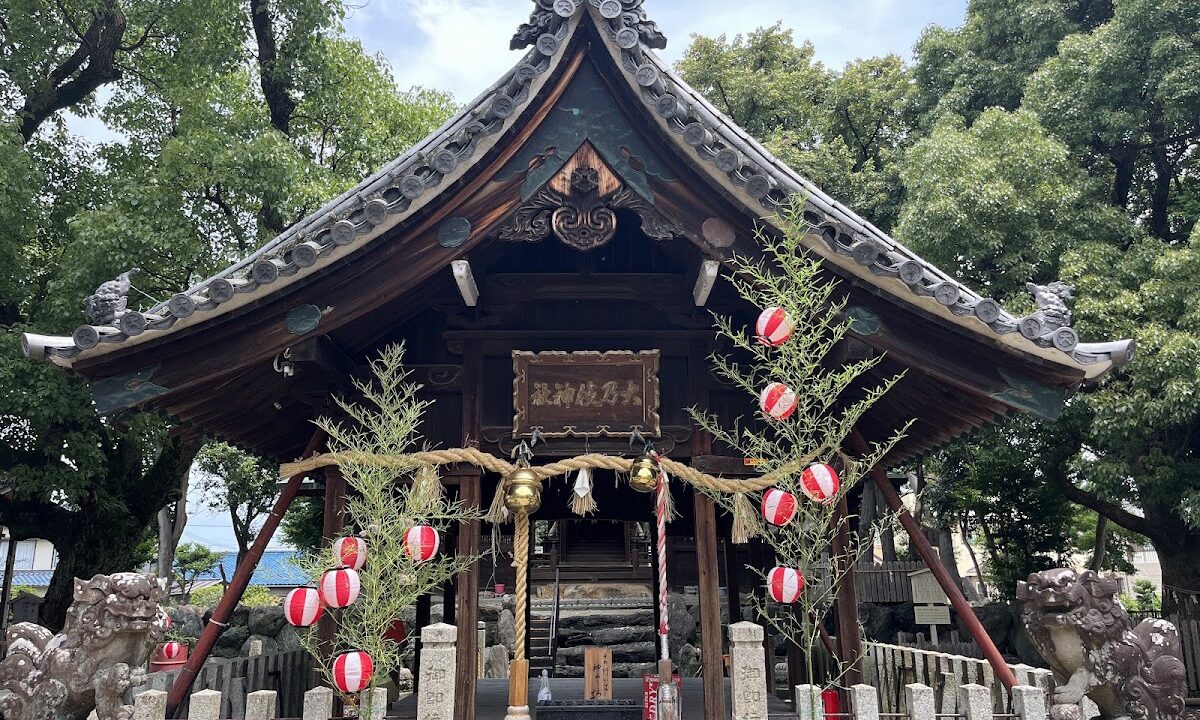
Complete Guide to Onogi Shrine (Nagoya City, Aichi Prefecture) | History, Goshuin (Shrine Seal), and Access Information
Onogi Shrine, located in Onogi, Nishi-ku, Nagoya City, Aichi Prefecture, is a historically significant shrine listed in the Engishiki Jinmyocho (a list of shrines compiled in the Heian period). Situated on the right bank of the Shonai River, it has long been revered as the guardian shrine of the local Onogi area. This article provides a detailed overview of Onogi Shrine, including its history, enshrined deities, goshuin information, access methods, and nearby attractions.
Basic Information about Onogi Shrine
Location: 2-233 Onogi, Nishi-ku, Nagoya City, Aichi Prefecture
Nearest Station: Approximately 14-15 minutes on foot (approx. 1.1-1.2 km) from Exit 2 of Shonai Ryokuchi Koen Station on the Nagoya Municipal Subway Tsurumai Line
Shrine Rank: Engishiki-listed shrine (Owari Province, Yamada District, “Onogi Shrine”)
Former Name: Rokushō Daimyōjin
Onogi Shrine is a shrine quietly nestled in a residential area of Nishi-ku, Nagoya City, and is beloved by the local people. The grounds are well-maintained, providing a peaceful atmosphere for visitors.
History of Onogi Shrine
Founding and Origin
The founding date of Onogi Shrine is unknown. This is because valuable ancient documents, including the shrine’s history, were lost due to a natural disaster in 1779 (believed to be a flood of the Shonai River). This disaster resulted in the loss of detailed records regarding the shrine’s origins and founding date.
Status as an Engishiki-listed Shrine
It is identified as “Onoki Shrine” listed in the Engishiki Jinmyocho (compiled in 927) for Yamada District, Owari Province, confirming its existence during the Heian period. Being an Engishiki-listed shrine is an important status indicating a historically significant shrine recognized by the imperial court.
Edo Period Status
During the Edo period, it was called “Rokushō Daimyōjin” and revered as the tutelary deity of Ōnogi Village in Kasugai District. The oldest existing ridge beam inscription dates back to Kōan 1 (1361), proving that the shrine was already functioning as a shrine in the early Muromachi period. This inscription is a valuable cultural asset that tells the history of the shrine.
Changes After the Meiji Era
Due to the Meiji-era separation of Shinto and Buddhism, the shrine was renamed from Rokushō Daimyōjin to its current name, “Ōnogi Shrine.” The shrine’s name originates from the place name “Ōnogi,” where it is located. Along with the development of the region, it has been carefully preserved as the local guardian deity to this day.
Deities and Blessings
Main Deity
The main deity of Ōnogi Shrine is Izanagi-no-Mikoto. Izanagi-no-Mikoto is a creator god in Japanese mythology who created the land and the gods, and is one of the supreme gods who gave birth to the land of Japan and many gods.
Enshrined Deities
Given its history as being called Rokushō Daimyōjin, it is believed that multiple deities are enshrined, but due to the loss of ancient documents, there are no clear records of the detailed enshrined deities.
Benefits
As Izanagi-no-Mikoto is the principal deity, the following benefits are believed to be offered:
- Family Safety and Harmony: Protecting the home with the power of a creator god
- Protection from Evil and Disaster: The power to purify and cleanse impurities
- Health and Longevity: Divine virtue as the source of vitality
- Matchmaking and Marital Harmony: Faith in the relationship between Izanagi-no-Mikoto and Izanami-no-Mikoto
- Abundant Harvest and Business Prosperity: Role as the guardian deity of the region
Many locals visit the shrine, especially to pray for family safety and good health, and it serves as a spiritual anchor for the community on a daily basis.
Highlights of the Shrine Grounds
Torii Gate and Approach
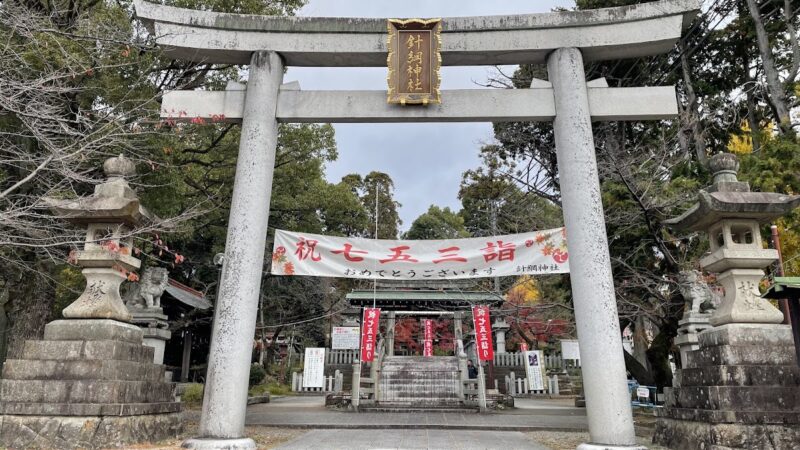
Upon entering the grounds of Onoki Shrine, visitors are first greeted by a torii gate. Passing through the torii gate, a well-maintained approach leads to the main hall. The approach to the shrine is meticulously clean, creating a tranquil atmosphere where visitors can pray with peace of mind.
Worship Hall and Main Shrine
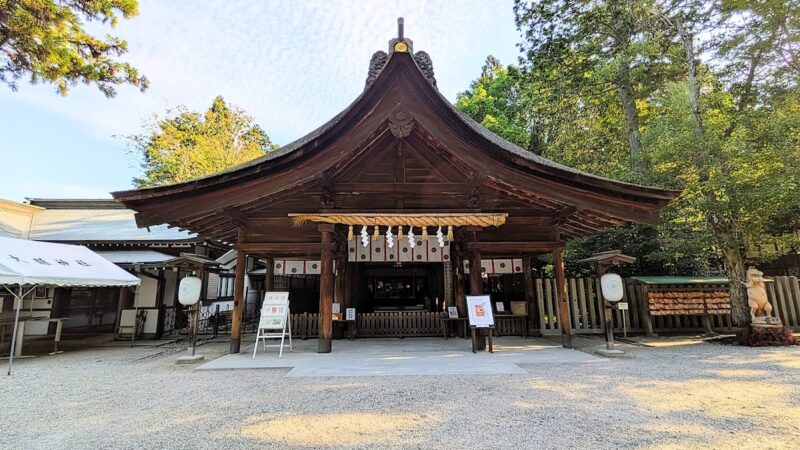
The worship hall is built in the traditional style of Shinto shrine architecture and serves as the center of local faith. The main shrine is located behind the worship hall and enshrines the deity. The architectural style reflects the history and culture of the region.
Shrine Office
There is a shrine office on the grounds where goshuin (shrine stamps) are issued and various prayers are accepted. As a shrine deeply rooted in the community, it has a friendly and approachable atmosphere.
Atmosphere of the Shrine Grounds
Located inland from the Shonai River embankment, it offers a quiet and peaceful environment. Despite being in an urban area, it is a space away from the hustle and bustle, allowing visitors to peacefully connect with the deity. The grounds are carefully maintained by local residents, creating a clean and pleasant atmosphere for worship.
Goshuin Information
About the Issuance of Goshuin
Oonoki Shrine offers goshuin. You can request a Goshuin (temple/shrine stamp) at the shrine office, but they may be absent, so if you want to be sure to get one, we recommend checking in advance.
Electronic Goshuin
Oonoki Shrine also offers electronic Goshuin. A modern system has been introduced that allows you to record your visit using your smartphone.
About Goshuincho (Stamp Books)
Please check with the shrine office regarding Goshuincho during your visit. The Goshuin of this prestigious shrine, a Shikinaisha (a shrine listed in the Engishiki), will be a valuable addition for Goshuin collectors.
Access and Transportation Information
Access by Train
Nearest Station: Nagoya Municipal Subway Tsurumai Line, “Shonai Ryokuchi Koen Station”
- Approximately 14-15 minutes on foot from Exit 2 (approximately 1.1-1.2 km)
- Head northwest from the station towards the Shonai River
Shonai Ryokuchi Koen Station is easily accessible from Nagoya Station, approximately 15 minutes away on the Tsurumai Line. The shrine is a short distance from the station, but the route is gentle and winding through a residential area.
Walking Route Guide
After exiting from Exit 2 of Shonai Ryokuchi Park Station, head northwest. After passing through the residential area and heading towards the Shonai River embankment, you will arrive in the Ohnogi area. Using a map app will help you arrive without getting lost.
Access by Car
The shrine is accessible from the Nagoya Expressway and National Route 22. Since it’s located along the Shonai River, using the road along the river as a landmark will make it easier to find.
Parking: Please check the details on-site. During busy periods such as New Year’s, it is recommended to check the availability of nearby parking lots in advance.
Maps and Navigation
You can search for the address “2-233 Ohnogi, Nishi-ku, Nagoya City, Aichi Prefecture” using various map services (Google Maps, Yahoo! Maps, Mapion, etc.). The latitude and longitude are 35.21757, 136.897644.
Annual Events and Festivals
New Year’s Visit
Oonoki Shrine, as the local guardian shrine, attracts many worshippers for the New Year’s visit. It’s bustling with people, mainly residents of the Oonoki area, praying for good health and safety for their families in the new year. While not as crowded as large shrines, it offers a warm, community-based atmosphere for welcoming the new year.
Annual Festival and Autumn Festival
As the local guardian shrine, an annual festival is held in the autumn. As a central event for the community, residents gather to express their gratitude to the gods.
Other Annual Events
It is believed that other annual events commonly held at Japanese shrines, such as the Setsubun Festival and the Summer Purification Ceremony, are also held. For detailed dates, it is recommended to check during your visit.
Nearby Spots and Tourist Information
Shonai Ryokuchi Park
Shonai Ryokuchi Park, which is also the name of the nearest station, is a large park representative of Nagoya City, located within walking distance of Oonoki Shrine.
- Area: Approximately 80 hectares
- Facilities: Rose garden, picnic area, cycling course, tennis courts, baseball field, etc.
- Features: Enjoy seasonal flowers; the rose garden is particularly impressive.
Combining a visit to Onoki Shrine with a stroll through the lush park is highly recommended.
Walking along the Shonai River
Onoki Shrine is located on the right bank of the Shonai River, so there are riverside walking paths nearby. It’s perfect for walking or jogging while enjoying the natural beauty of the riverbank.
Nearby Shrines and Temples
Nagoya City’s Nishi Ward has many other shrines and temples. You can also enjoy a “shrine tour” visiting the shrines around Shonai Ryokuchi Park Station.
Restaurants and Cafes
There are various types of restaurants around Shonai Ryokuchi Park Station. Enjoying local cuisine after your visit to the shrine is a great idea.
Manners and Points for Visiting a Shrine
Basic Worship Etiquette
- Bow before passing through the torii gate: This is a courtesy when entering the sacred area.
- Walk along the edge of the path: The center is considered the path of the gods.
- Purify yourself at the water basin: If there is a water basin, purify your hands and mouth.
- Etiquette at the main hall: Two bows, two claps, and one bow is the basic procedure.
Photography
Photography is generally permitted on the shrine grounds, but remember that it is a sacred place and be considerate of other worshippers. There are also areas where photography is prohibited, such as inside the main hall, so please check the signs.
Appropriate Attire for Worship
Everyday clothes are acceptable for worship, but please aim for clean and presentable attire. For New Year’s visits or when receiving prayers, slightly more formal attire is desirable.
Time Required for Worship
The shrine grounds are compact, so worship itself can be completed in about 15-20 minutes. If you plan to receive a Goshuin (temple/shrine stamp) or leisurely explore the grounds, allow about 30 minutes.
The Charms of Onoki Shrine
Status as a Shikinaisha (Shrine Listed in the Engishiki)
The status of a Shikinaisha, listed in the Engishiki Jinmyocho (a list of shrines compiled in the Heian period), is proof of its history of over a thousand years. It is a shrine worth visiting for history buffs and shrine enthusiasts.
A Local Guardian Deity
Unlike large-scale tourist shrines, it plays a role as a guardian deity deeply rooted in the lives of the local people. You can experience the faith of the local people and their dedication to carefully preserving the shrine.
Quiet and Peaceful Atmosphere
Despite being in an urban area, it maintains a tranquil and peaceful atmosphere. The environment, where you can leave the hustle and bustle of everyday life and worship in peace, is a major attraction.
Easy Access
Its location within walking distance of a Nagoya Municipal Subway station makes it easily accessible from Nagoya city and its surrounding areas. Visiting it in conjunction with Shonai Ryokuchi Park makes for a fulfilling day.
Points to Note When Visiting
Shrine Office Hours
If you wish to receive a Goshuin (shrine stamp) or prayer, it is recommended to check the shrine office hours in advance. There may be times when staff are not permanently stationed.
Weather Considerations
As this is an outdoor shrine, an umbrella is necessary in rainy weather. Also, the sun is strong in summer, so prepare a hat, parasol, and water.
During High Water Levels of the Shonai River
Because it is located inland from the riverbank, attention must be paid to the water level of the Shonai River during heavy rain or typhoons. Avoid visiting during bad weather and prioritize safety.
Check Parking Information in Advance
If you are visiting by car, it is advisable to check the availability and location of parking in advance. Particular caution is needed during periods when crowds are expected, such as New Year’s Day.
Experiences You Can Gain at Onoki Shrine
Dialogue with History
At this shrine, where a ridge beam inscription from the first year of Koan (1361) remains, you can feel the history that has continued since the Muromachi period firsthand. Although the ancient documents have been lost, the remaining traces allow us to imagine what it was like in the past.
Understanding Local Culture
As the guardian shrine of the Ohnogi district, it serves as a window to understanding the local history and culture. By learning about the relationship between the local community and the shrine, you can learn about the traditional way of life in Japanese communities.
Peace of Mind
You can pray in peace in the beautifully maintained grounds. It is a space where you can be freed from the stresses of everyday life and refresh both mind and body.
As a Shrine to Visit
It is an important shrine to visit when touring shrines in Nagoya City. Because it holds the status of an Engishiki-listed shrine, it is worth adding to your shrine-visiting list.
Summary: Visiting Ohnogi Shrine
Ohnogi Shrine, located in Nishi-ku, Nagoya City, Aichi Prefecture, is a friendly guardian shrine deeply rooted in the community, despite its status as an Engishiki-listed shrine. Although ancient documents were lost in a natural disaster in 1779, the shrine boasts a long history dating back at least to the early Muromachi period, as evidenced by a ridge beam inscription from the first year of the Kōan era (1361).
The main deity enshrined here is Izanagi-no-Mikoto, and the shrine is believed to offer blessings for family safety, protection from evil, and health and longevity. Its convenient location, approximately a 15-minute walk from Shōnai Ryokuchi Kōen Station, makes it easily accessible from Nagoya city. The shrine grounds are beautifully maintained, offering a quiet and peaceful atmosphere for worship.
The shrine also offers Goshuin (stamped seals) and even supports electronic Goshuin, demonstrating its commitment to modern practices while preserving tradition. Many locals visit for Hatsumode (first shrine visit of the year), making it a central hub for the local community.
Visiting the shrine in conjunction with Shōnai Ryokuchi Kōen allows you to enjoy both a visit to a historic shrine and a stroll through a lush, natural park, making for a truly fulfilling experience. When visiting Nishi Ward in Nagoya City, be sure to stop by Ōnogi Shrine.
Frequently Asked Questions (FAQ)
Q1: How is the name of Onogi Shrine pronounced?
A1: It is pronounced “Ōnogi Jinja.” The shrine’s name originates from the place name “Ōnogi.”
Q2: Can I get a Goshuin (shrine stamp)?
A2: Yes, Onogi Shrine offers Goshuin. You can get one at the shrine office, but they may be absent, so we recommend checking in advance if you want to be sure to get one. Electronic Goshuin are also available.
Q3: Is there parking?
A3: Please check the parking details on-site. We recommend checking in advance during busy periods such as New Year’s Day.
Q4: How long does it take to get there from the nearest station?
A4: It’s about a 14-15 minute walk (approximately 1.1-1.2 km) from Exit 2 of Shōnai Ryokuchi Kōen Station on the Nagoya Municipal Subway Tsurumai Line.
Q5: Is it crowded during the New Year’s visit?
A5: As it is the local guardian shrine, many worshippers visit during the New Year’s visit, but it is not as crowded as large shrines. You can worship in a warm, community-based atmosphere.
Q6: When was it founded?
A6: The founding date is unknown. This is because historical records were lost due to a natural disaster in 1779 (An’ei 8). However, it is listed in the Engishiki Jinmyocho (compiled in 927), indicating that it already existed during the Heian period.
Q7: What kind of blessings can I expect?
A7: As it enshrines Izanagi-no-Mikoto, the main deity, it is believed to offer blessings for family safety, protection from evil, health and longevity, matchmaking, marital harmony, abundant harvests, and business prosperity.
Q8: Are there any tourist attractions nearby?
A8: Shonai Ryokuchi Park, which is also the name of the nearest station, is within walking distance. It is a vast park of about 80 hectares with various facilities such as a rose garden and picnic area, where you can enjoy nature in all four seasons.