Complete Guide to Ootataneko Shrine (Aichi Prefecture) | History, Deities, Blessings, and Visiting Information
Ootataneko Shrine, located in Nagoya City, Aichi Prefecture, is a venerable shrine with a long history dating back to ancient times, cherished by the local community. This article provides a detailed explanation of the shrine’s history, deities, blessings, and visiting information.
What is Ootataneko Shrine?
Ootataneko Shrine is a shrine located in Nagoya City, Aichi Prefecture, and has deep ties to ancient mythology. The name “Ootataneko” originates from a venerable deity appearing in the Kojiki and Nihon Shoki (ancient Japanese chronicles).
As a local guardian shrine and a shrine of historical value, it attracts many visitors.
History of Ōnaoneko Shrine
Origin of Founding
There are various theories regarding the founding date of Ōnaoneko Shrine, but it is believed to have a history dating back to ancient times. Ōnaoneko-no-Mikoto was a figure who was active during the reign of Emperor Sujin, the 10th emperor, and is said to have played an important role in the worship of the god of Mount Miwa.
Historical Background
According to the Kojiki and Nihon Shoki, Ōnaoneko-no-Mikoto is considered a descendant of Ōmononushi-no-Kami, and there is a legend that during an epidemic in the reign of Emperor Sujin, he saved the country by worshipping the god of Mount Miwa. Because of this achievement, Ōnaoneko-no-Mikoto came to be worshipped as a god.
In Aichi Prefecture, it is believed that Ōnaoneko Shrine came to be established as a result of this ancient belief being passed down to the region.
Connection with the Community
Since the Edo period, Ōnaoneko Shrine has been revered as the local tutelary deity and has been closely intertwined with the lives of the local residents. Through festivals and annual events, it has a history of playing a central role in the local community.
About the Deity
Ōtataneko-no-Mikoto
The principal deity of Ōtataneko Shrine is, as the name suggests, Ōtataneko-no-Mikoto. Ōtataneko-no-Mikoto is considered a descendant of Ōmononushi-no-Kami and is known as the ancestral deity of the Miwa clan.
Role in Mythology
During the reign of Emperor Sujin, a plague spread throughout the country, causing suffering to many people. The Emperor consulted the gods, and received an oracle stating that Ōmononushi-no-Kami should be enshrined. Ōtataneko-no-Mikoto was chosen as the person suitable to enshrine this deity.
It is said that when Ōtataneko-no-Mikoto enshrined Ōmononushi-no-Kami on Mount Miwa, the plague subsided, and peace was restored to the country.
Enshrined Deities
Some shrines enshrine other deities alongside Ōnaoneko-no-Mikoto. These may include local guardian deities or deities with historical connections.
Benefits and Divine Virtues
Ōnaoneko Shrine is believed to offer the following benefits:
Healing from Illness and Longevity
Based on the myth that Ōnaoneko-no-Mikoto quelled an epidemic, the shrine is believed to offer benefits for healing from illness and longevity. Since ancient times, many worshippers have visited the shrine praying for healing from illness.
Protection from Misfortune and Disaster
As a deity who saved the nation from crisis, the shrine is also believed to offer benefits for protection from misfortune and disaster. Many people visit the shrine at important life events or during unlucky years.
Family Safety and Regional Protection
Due to its history as a guardian deity of the region, the shrine is also deeply revered for prayers for family safety and regional peace.
Business Prosperity and Success
As a deity descended from Ōmononushi-no-kami, this shrine is also visited by those praying for business prosperity and success.
Highlights of the Shrine Grounds
Main Hall and Worship Hall
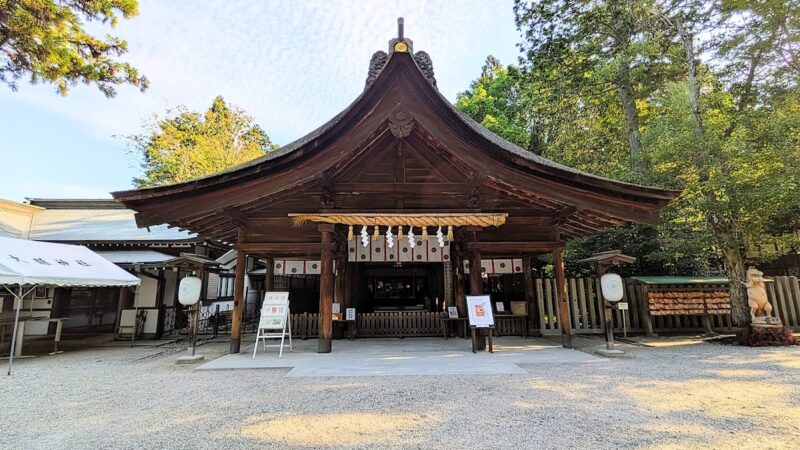
The main hall of Ōnaoneko Shrine is built in the traditional style of shrine architecture. In the worship hall, visitors can offer prayers to the deity.
Subsidiary Shrines
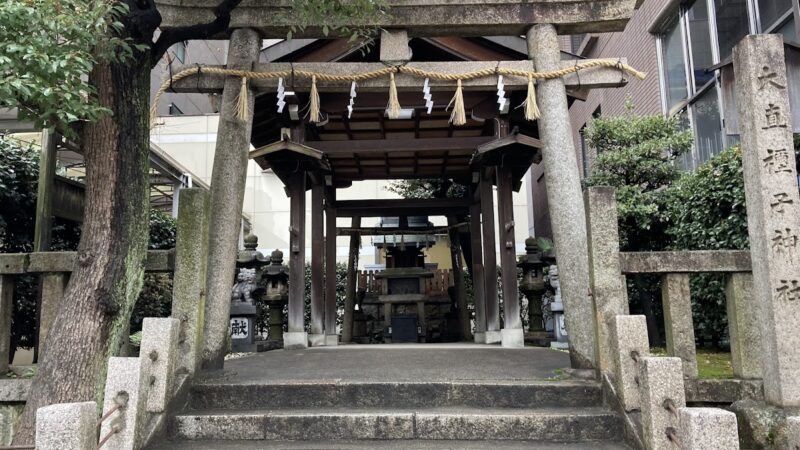
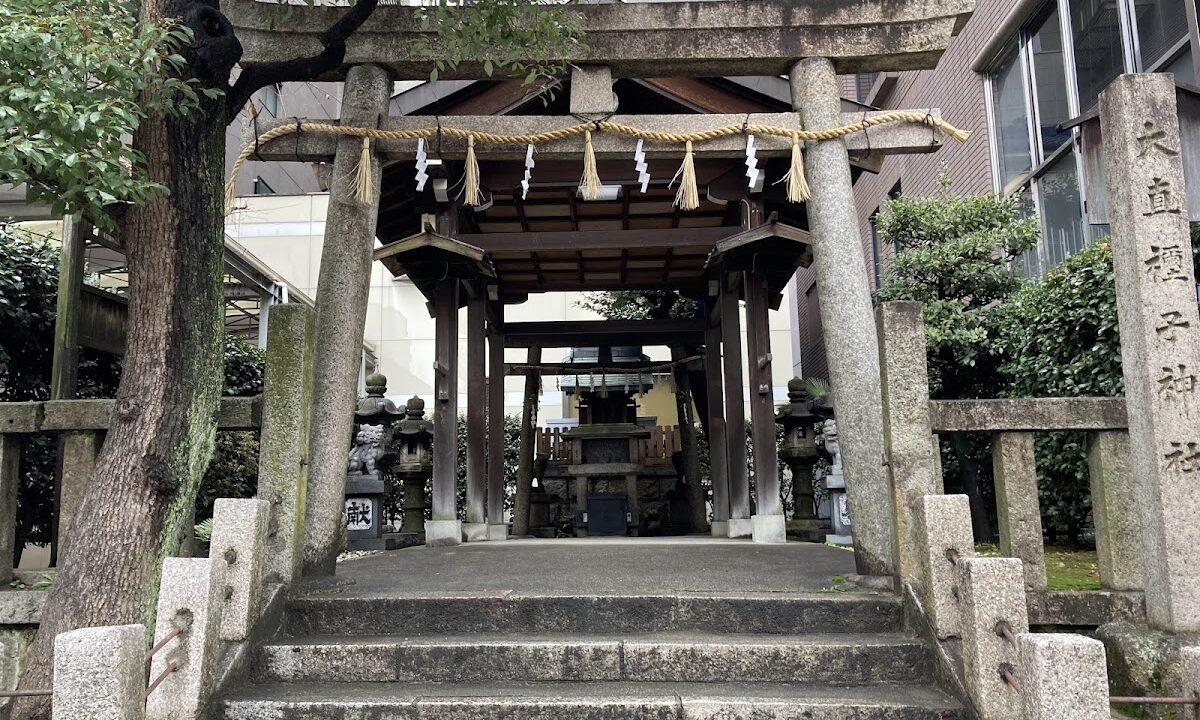
In addition to the main shrine, there may be several subsidiary shrines within the grounds. Each subsidiary shrine enshrines a different deity, offering a variety of blessings.
Sacred Trees and Nature
The shrine has sacred trees that have grown there since ancient times, creating a sacred atmosphere. The natural environment of the grounds provides peace and tranquility to visitors.
Water Basin
There is a water basin for purifying the body and mind before worship. Please purify your hands and mouth according to the correct etiquette before worshipping.
Annual Events and Festivals
Grand Festival
At Oonaneko Shrine, the Grand Festival is held every year. This is the most important festival for the shrine, attracting many worshippers and parishioners.
New Year’s Visit
The shrine is bustling with worshippers for the New Year’s visit. People visit to pray for safety and peace throughout the year.
Setsubun Festival
During Setsubun, events such as bean-throwing are sometimes held. This is a traditional event to ward off evil and pray for good fortune.
Other Events
Various Shinto rituals, such as monthly festivals and seasonal festivals, are held throughout the year.
How to Worship and Etiquette
Basic Worship Etiquette
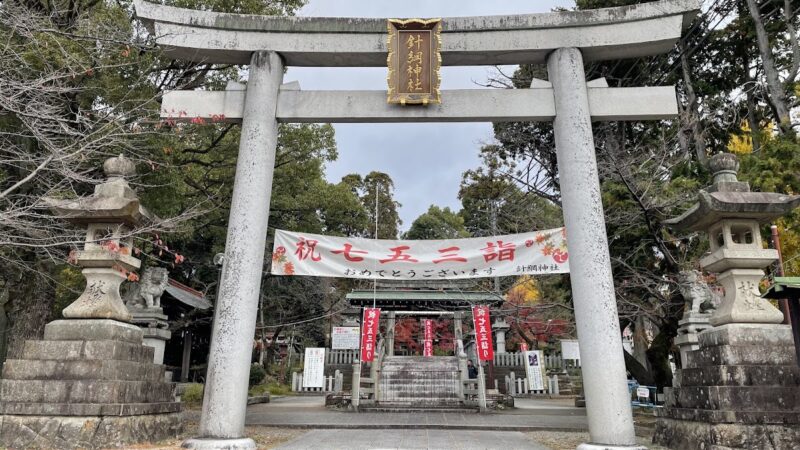
- Bow Before Passing Through the Torii Gate: Before entering the sacred area, bow before the torii gate.
- Walk along the edge of the path: The center of the path is considered the path of the gods, so walk along the edge.
- Purify yourself at the water basin: Purify your hands and mouth at the water basin.
- Worship at the main hall: Worship using the two bows, two claps, and one bow ritual.
- Bow upon leaving: When leaving, turn around and bow after passing through the torii gate.
Proper Hand-Washing Ritual
- Hold the ladle in your right hand and wash your left hand.
- Switch the ladle to your left hand and wash your right hand.
- Hold the ladle again in your right hand, receive water in your left hand, and rinse your mouth.
- Wash your left hand once more.
- Hold the ladle upright, wash the handle, and return it to its original position.
Goshuin (Shrine Seal) Information
Issuance of Goshuin
At Oonaneko Shrine, goshuin are issued as proof of worship. Many people receive goshuin as a memento of their visit.
Goshuin Notebook
Some shrines have their own original goshuin notebooks. First-time goshuin recipients can start by purchasing a goshuin notebook.
Reception Hours
Goshuin issuance hours are the same as the shrine office’s opening hours. It is recommended to check in advance before visiting.
Access Information
Location
Oonako Shrine is located in Nagoya City, Aichi Prefecture. For the specific address, it is recommended to check official information or map services in advance.
Access by Public Transportation
As it is a shrine within Nagoya City, it can be accessed using public transportation. Checking walking routes from the nearest station or bus routes in advance will make your visit smoother.
Access by Car
If visiting by car, you can enter the shrine name or address into your car navigation system. It is recommended to check in advance whether parking is available.
Parking
Depending on the size and location of the shrine, there may or may not be a dedicated parking lot. It is advisable to check before your visit.
Precautions During Visit
Dress Code
There are no specific dress code requirements for visiting the shrine, but it is desirable to dress appropriately as it is a sacred place. Avoid overly revealing clothing.
Manners
- Please be quiet within the shrine grounds.
- Please only take photographs in designated areas.
- Please follow the shrine’s regulations regarding pets.
- Please take all your trash with you.
Visiting Hours
While the shrine grounds are generally open for worship during the day, the shrine office has limited hours. If you wish to receive a Goshuin (shrine stamp) or amulet, please visit during the office hours.
Nearby Attractions
Tourist Spots in Nagoya
When visiting Oonaneko Shrine, you can also explore other tourist spots in Nagoya. There are many historical landmarks, such as Nagoya Castle, Atsuta Shrine, and Osu Kannon Temple.
Other Shrines and Temples
Aichi Prefecture has many historic shrines and temples. Those who enjoy visiting shrines may want to plan a visit to multiple shrines.
Food and Shopping
Nagoya is famous for its cuisine, including miso katsu, hitsumabushi, and tebasaki (chicken wings). Enjoying Nagoya’s local cuisine after your visit is highly recommended.
The Charm of Oonaneko Shrine
Ancient History
The greatest charm of Oonaneko Shrine lies in its history, which dates back to the mythological age featured in the Kojiki and Nihon Shoki. Shrines directly connected to Japanese mythology are rare, making it a special place for history enthusiasts.
Community-Rooted Faith
Another appealing aspect is its ancient history combined with its continued worship as a local guardian deity. One can feel the strong connection between the shrine and the local community.
Tranquil Atmosphere
Despite being located in an urban area, the shrine grounds maintain a quiet and peaceful atmosphere. It’s an ideal place to escape the hustle and bustle of everyday life and find peace of mind.
Summary
Oonaneko Shrine (Aichi Prefecture) is a historic shrine dedicated to Oonaneko-no-Mikoto, a deity appearing in ancient mythology. It is believed to offer blessings for healing illnesses, protection from evil, and family safety, and is cherished by the local community.
This shrine, possessing both historical value and deeply rooted local faith, is well worth a visit. When you visit Nagoya, be sure to stop by Oonako Shrine.
When visiting, please observe proper etiquette and be mindful that it is a sacred place. For those collecting Goshuin (shrine stamps), receiving one as a memento of your visit is highly recommended.
Why not spend some peaceful time at Oonako Shrine, where ancient history intersects with contemporary faith?