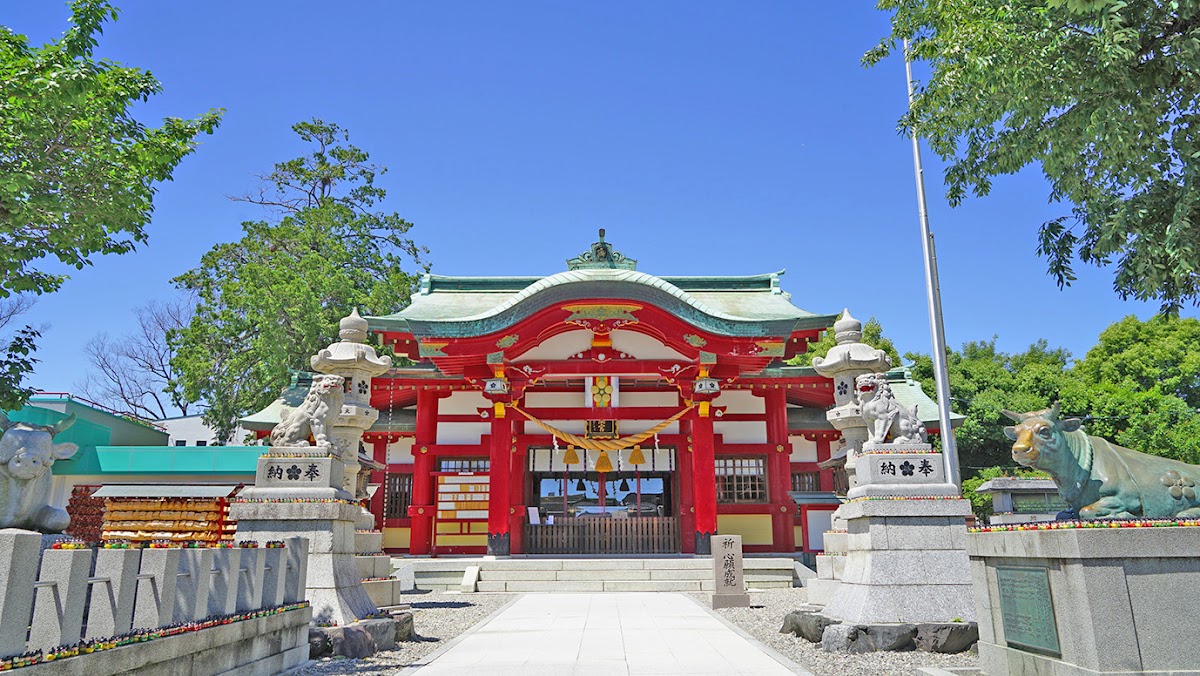
Ueno Tenmangu Shrine (Aichi Prefecture) Complete Guide | History, Benefits, and Access Information for Nagoya Tenjin
Ueno Tenmangu Shrine, located in Chikusa-ku, Nagoya City, Aichi Prefecture, is a shrine dedicated to Sugawara no Michizane, known as the god of learning. Affectionately known as “Nagoya Tenjin,” it attracts many visitors praying for success during exam season. This article comprehensively covers everything you need to know before visiting Ueno Tenmangu Shrine, from its history and benefits to its highlights and access methods.
What is Ueno Tenmangu Shrine?
Ueno Tenmangu Shrine is a shrine located in Akasaka-cho, Chikusa-ku, Nagoya City, Aichi Prefecture, and enshrines the spirit of Sugawara no Michizane, revered as the god of learning. It is designated as a historical site and scenic spot by Nagoya City and is counted as one of the “Three Tenjin Shrines of Nagoya,” along with Sakura Tenjin Shrine and Yamada Tenmangu Shrine.
Ueno Tenmangu Shrine is believed to bring good health, academic success, and passing various examinations, and is affectionately known as “Nagoya Tenjin” by locals. Especially during exam season, it is a representative Tenmangu shrine of Nagoya, attracting students and their families from all over Japan who come to pray for success.
History and Origins of Ueno Tenmangu Shrine
Origin of its Founding and its Relationship to Abe no Seimei
The founding of Ueno Tenmangu Shrine dates back to the mid-Heian period, approximately 1000 years ago. It is said that when the family of Abe no Seimei, a renowned Onmyoji (diviner), settled in this area, they enshrined the spirit of Sugawara no Michizane out of reverence.
Abe no Seimei was a leading Onmyoji of the Heian period, known for his expertise in astronomy and divination. The fact that his family chose this location and enshrined Sugawara no Michizane, the god of learning, indicates that this place has long been considered a sacred and miraculous site.
About Sugawara no Michizane
Sugawara no Michizane (845-903) was a nobleman, scholar, and politician of the Heian period, known for his outstanding learning and poetic talent. He rose to the position of Minister of the Right, but was demoted to Dazaifu due to political intrigue, where he died.
After his death, various calamities occurred in the capital, leading to the construction of Tenmangu shrines to appease Michizane’s vengeful spirit. Eventually, due to his exceptional learning, he came to be revered as the “god of learning,” and Tenmangu shrines were built throughout Japan. Ueno Tenmangu Shrine is one such example, boasting a thousand-year history.
Positioning as one of Nagoya’s Three Tenjin Shrines
Nagoya has three Tenmangu shrines known as the “Nagoya Three Tenjin Shrines.” Besides Ueno Tenmangu Shrine, these are Sakura Tenjin Shrine (Naka Ward) and Yamada Tenmangu Shrine (Kita Ward). Each possesses distinct characteristics, yet they have all attracted the faith of the people of Nagoya as gods of learning.
Ueno Tenmangu Shrine, among the three Tenjin shrines, possesses a unique charm due to its connection to Abe no Seimei and its history dating back to the Heian period.
Benefits and Faith of Ueno Tenmangu Shrine
Academic Success and Passing Exams
The most well-known benefit of Ueno Tenmangu Shrine is academic success and passing exams. Because Sugawara no Michizane was an excellent scholar, many people, including students taking entrance exams, qualification exams, and job interviews, visit the shrine.
During exam season, many ema (votive tablets) are dedicated on the shrine grounds, imbued with the earnest wishes of students. Amulets for passing exams and talismans for academic success are also popular, and many visitors seek them out.
Good Health and Protection from Evil
In addition to its benefits as the god of learning, Ueno Tenmangu Shrine is also believed to offer benefits for good health and protection from evil. Many people visit at the beginning of the year to pray for protection from evil and for health and safety throughout the year.
Benefits for Passing Various Exams
This shrine is believed to grant blessings for passing all kinds of exams, including university entrance exams, high school entrance exams, junior high school entrance exams, qualification exams, civil service exams, and job interviews. Many people visit before exams and return to give thanks after passing.
Highlights of the Shrine Grounds
Main Hall and Worship Hall
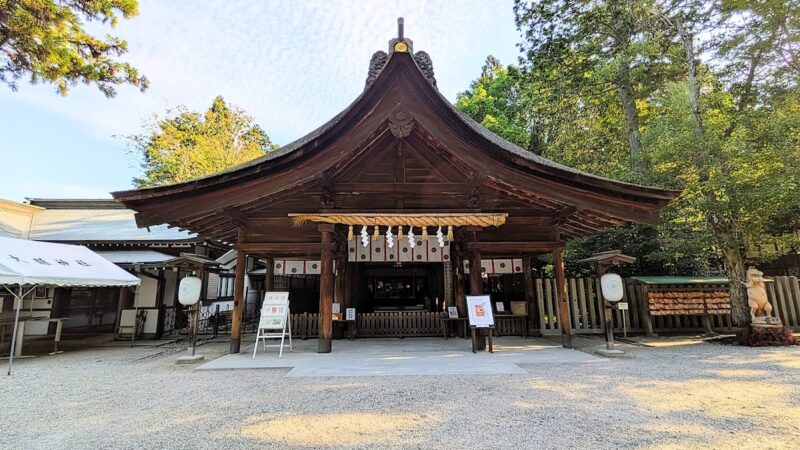
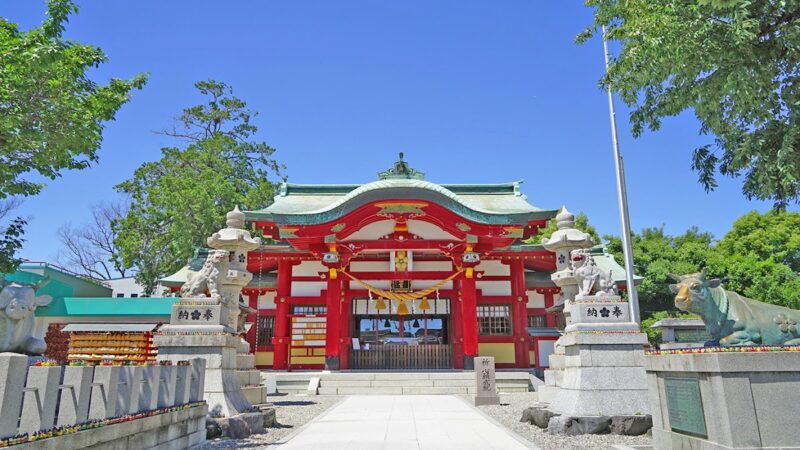
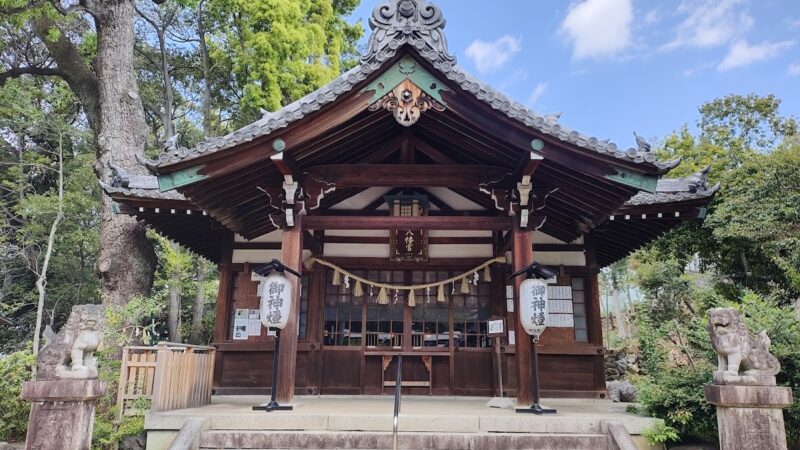
The main hall of Ueno Tenmangu Shrine is a magnificent building in the style of traditional shrine architecture. Every day, visitors pray in the worship hall, offering prayers for academic success and passing exams. The tranquil atmosphere allows for a peaceful and calming visit.
Nadeushi (Petting Cow)
Many Tenmangu shrines have statues of cows called “Nadeushi,” and Ueno Tenmangu Shrine also has one. Sugawara no Michizane had a deep connection with cows; he was born in the Year of the Ox and is said to have cherished cows.
There is a belief that stroking the head of the Nadeushi (stroking cow) will grant wisdom, and stroking the same part of the cow’s head as the part of your own body that is ailing will cure your illness. Because so many visitors touch the Nadeushi, its surface is polished smooth.
Ema (votive tablet) Hanging Area
Within the shrine grounds, there is an area for hanging ema, and countless ema are hung there, especially during exam season. Seeing the ema inscribed with heartfelt wishes such as “Passing the entrance exam for XX University” or “Passing the entrance exam for my desired school,” it is clear that many students are placing their hopes in this shrine.
Shrine Office
The shrine office offers amulets, talismans, and ema. Opening hours are 9:00 AM to 5:00 PM, and you can also receive a Goshuin (shrine stamp) here. Limited edition amulets are sometimes offered depending on the season and events.
Goshuin Information
Ueno Tenmangu Shrine offers Goshuin. They are available at the shrine office, and many visitors receive them as a memento of their visit.
The Goshuin (temple/shrine stamp) features the calligraphy of “Ueno Tenmangu” and the shrine’s seal, creating a simple yet dignified design. You can bring your own Goshuincho (stamp book) or purchase one on-site.
Goshuin reception hours are the same as the shrine office hours, from 9:00 AM to 5:00 PM. Waiting times may occur during busy periods, so it is recommended to visit with ample time.
Festivals and Annual Events
Annual Festival
Ueno Tenmangu Shrine holds various festivals throughout the year. The Annual Festival is the most important festival for the shrine, a solemn ceremony praising and expressing gratitude for the divine virtues of Sugawara no Michizane.
New Year’s Visit
Many visitors come for their first shrine visit of the year. The grounds are bustling with people praying for academic success, passing exams, and good health. Students preparing for exams and their families, in particular, visit early in the new year to pray for success.
New Year’s Visit ### First Prayer of the Day
The first prayer of the day is the prayer performed first thing in the morning and is considered to bring particularly strong blessings. Many devout worshippers visit early in the morning, allowing for a peaceful and heartfelt prayer experience in the shrine grounds.
Plum Blossom Season
Sugawara no Michizane was known to love plum blossoms, and many Tenmangu shrines have plum trees planted there. In early spring, the plum blossoms bloom, adding color to the shrine grounds. Visiting during the plum blossom season is highly recommended.
About Prayers
Reception Hours and Reservations
Ueno Tenmangu Shrine accepts various prayers daily. Reception hours for prayers are from 9:00 AM to 4:00 PM, and reservations are not required. You can receive a prayer after completing the registration at the shrine office on the day of your visit.
Types of Prayers
- Academic Success/Prayers for Passing Exams
- Protection from Evil/Protection from Misfortune
- Family Safety/Business Prosperity
- Recovery from Illness/Good Health
- Traffic Safety
- Safe Childbirth/First Shrine Visit for a Newborn
- Other Various Prayers
Doll Memorial Service
Ueno Tenmangu Shrine also offers doll memorial services. You can express your gratitude to your cherished dolls and stuffed animals through a memorial service. No reservation is required.
About Weddings
Ueno Tenmangu Shrine offers traditional and formal Shinto wedding ceremonies. A wedding at this historic shrine will be solemn and memorable.
In a Shinto wedding ceremony, the ceremony proceeds according to traditional rituals, accompanied by the sounds of Gagaku (ancient Japanese court music). You can celebrate the start of your new life under the watchful eye of the god of learning. For details about weddings, it is recommended to inquire with the shrine in advance.
Access Information
Basic Information
Address: 4-89 Akasaka-cho, Chikusa-ku, Nagoya City, Aichi Prefecture
Phone: 052-711-6610
Visiting Hours:
- Prayer Services: 9:00 AM – 4:00 PM
- Shrine Office: 9:00 AM – 5:00 PM
- Grounds Visiting: Free (24 hours)
Access by Train
From Sunadabashi Station on the Nagoya Municipal Subway Meijo Line
- Approximately 10-minute walk from Exit 1
- This is the most convenient access method.
From Ozone Station on the JR Chuo Main Line
- Approximately 15-minute walk
- Alternatively, transfer to the Nagoya Municipal Subway Meijo Line and go to Sunadabashi Station.
Access by Bus
Using the Main Bus Line
- Get off at the Sunadabashi bus stop on the Main Bus Line 2, approximately 8-minute walk.
- Various city bus lines are also available.
Access by Car
Parking: There is a parking lot for visitors on the shrine grounds. However, it can become full during peak seasons such as New Year’s Day and exam season, so we recommend using public transportation.
From Nagoya Expressway
- Approximately 5 minutes from the “Fukiage-Higashi” exit of the Nagoya Expressway
Nearby Tourist Attractions
Other Tenmangu Shrines in Nagoya
We also recommend visiting the three Tenjin shrines of Nagoya.
- Sakura Tenjin Shrine (Naka Ward): Conveniently located in the heart of Nagoya.
- Yamada Tenmangu Shrine (Kita Ward): Also houses a Kin Shrine, offering blessings for financial luck.
Around Chikusa Ward
There are other attractions around Chikusa Ward, where Ueno Tenmangu Shrine is located.
- Higashiyama Zoo and Botanical Gardens: A few subway stops away on the Higashiyama Line
- Kakuozan Nittaiji Temple: Japan’s only non-denominational temple
- Chikusa Park: A park rich in nature
Manners and Points for Visiting a Shrine
Proper Way to Visit a Shrine
- Bow Before Passing Through the Torii Gate: Bow before entering the sacred area.
- Purify at the Water Basin: Purify your left hand, right hand, and mouth in that order.
- Worship at the Main Hall: The basic procedure is two bows, two claps, and one bow.
- Be Quiet on the Temple Grounds: Remember that this is a sacred place.
Suitable Time to Visit
Exam Season (December-March)
- Ideal for praying for success in exams, but expect crowds.
- Early mornings and weekdays are relatively less crowded.
Plum Blossom Season (February-March)
- The plum blossoms are beautiful, allowing visitors to enjoy both worship and flower viewing.
New Year’s Visit (January 1st-3rd)
- Many worshippers visit to pray for the New Year.
Weekday Mornings
- Recommended for those who want to worship at a leisurely pace.
Things to Bring
- Goshuincho (stamp book) (for those collecting Goshuin stamps)
- Permanent marker for writing on ema (votive tablets) (available for purchase at the shrine office)
- Camera (photography is permitted within the shrine grounds, but may be prohibited inside the main hall)
Frequently Asked Questions (FAQ)
Q1: Is a reservation required to visit Ueno Tenmangu Shrine?
A1: Visiting the shrine grounds is free and no reservation is required. Reservations are also not required for prayers; you can register at the shrine office on the day (reception hours: 9:00 AM – 4:00 PM). However, for special events such as weddings, prior inquiry is necessary.
Q2: When can I receive amulets and Goshuin stamps?
A2: The shrine office is open from 9:00 AM to 5:00 PM. Goshuin (shrine stamps) are also available during the same hours. Please note that hours may change during the New Year holidays or on special festival days, so it is recommended to check in advance.
Q3: Is there parking available?
A3: There is parking for visitors. However, it can become full during busy periods such as New Year’s Day and exam season. Since it’s a 10-minute walk from Sunadabashi Subway Station, we recommend using public transportation.
Q4: When is the best time to pray for success in exams?
A4: You can pray for success in exams anytime from several weeks before the exam until the day of the exam. It gets crowded during exam season (December to March), but some say that praying with many other test-takers is encouraging. If you want to avoid crowds, weekday mornings are recommended.
Q5: What are the differences between Ueno Tenmangu Shrine and the other three Tenjin shrines in Nagoya?
A5: Ueno Tenmangu Shrine is characterized by its historical background, with the family of Abe no Seimei having been involved in its founding. It boasts a history of approximately 1000 years and is designated as a historical site and scenic spot by Nagoya City. Sakura Tenjin Shrine is conveniently located in the heart of Nagoya, while Yamada Tenmangu Shrine also has a Kin Shrine attached, offering blessings for financial fortune.
Q6: Are there blessings other than for exams?
A6: Yes, in addition to academic success and passing exams, there are various blessings such as good health, protection from evil, family safety, and business prosperity. Many people also visit to pray for success in exams other than entrance exams, such as qualification exams and job interviews.
Summary
Ueno Tenmangu Shrine is a historical shrine located in Chikusa-ku, Nagoya City, Aichi Prefecture, and enshrines Sugawara no Michizane, the god of learning. It has a history dating back to the Heian period, when the family of Abe no Seimei founded it, and has attracted the faith of people for approximately 1000 years.
Ueno Tenmangu Shrine, affectionately known as “Nagoya Tenjin” and counted as one of Nagoya’s three Tenjin shrines, attracts many students praying for success during exam season. Beyond academic achievement, it’s also beloved by locals for its blessings of good health and protection from evil.
Conveniently located a 10-minute walk from Sunadabashi Subway Station, the shrine grounds feature numerous attractions, including the main hall, a statue of a cow (Nade-ushi), and an area for hanging ema (votive tablets). The shrine offers goshuin (stamped seals) and amulets, as well as various prayers, and visitors can easily visit without reservations.
If you’re preparing for exams, praying for academic success, or simply want to visit a historic shrine, be sure to visit Ueno Tenmangu Shrine. In its tranquil grounds, you can calm your mind and offer your prayers, and you’ll surely feel the blessings of Sugawara no Michizane.