Complete Guide to Komori Katte Shrine (Ichinomiya City, Aichi Prefecture) | History of the Shikinaisha Shrine, Goshuin (Shrine Seal), and Highlights of the Okomori Festival
About Komori Katte Shrine
Komori Katte Shrine is a historical shrine located in Kuroda, Kisogawa-cho, Ichinomiya City, Aichi Prefecture. It is identified as the Shikinaisha shrine “Kuroda Shrine in Haguri-gun, Owari Province” listed in the Engishiki Jinmyocho (a list of shrines compiled in the Heian period), and its former rank was Gosha (village shrine), attracting the faith of the local community.
Located in a quiet residential area of Kisogawa-cho, this shrine is known for its legends concerning the ancient imperial brothers, Oke no Ōkimi (later Emperor Ninken) and Woke no Ōkimi (later Emperor Kenzō). The annual “Okomori Festival” is an important festival that preserves this historical anecdote.
Basic Information
Location: 11 Higashi-Higashi-no-Kiri, Kuroda-Okan, Kisogawa-cho, Ichinomiya City, Aichi Prefecture
Phone Number: 0586-86-5373
Nearest Station: Approximately 15 minutes on foot from Kisogawa Station on the Meitetsu Inuyama Line
Parking: Parking available for visitors on the shrine grounds
Shrine Rank: Former village shrine, Shikinaisha (listed in the Engishiki Jinmyocho)
History of Kagomori Katsute Shrine
Origin of Founding and Ancient Legends
While there are no clear records of the founding date of Kagomori Katsute Shrine, its origins date back to ancient times. According to shrine tradition, Prince Ichinohe-no-Oshiha, the father of Prince Oke and Prince Hiroke, was murdered by Emperor Yuryaku in the 3rd year of Emperor Anko’s reign (456 AD). It is presumed that the shrine already existed before this incident.
During the reign of Emperor Yūryaku, the brothers Prince Oke and Prince Hiroke, fleeing a dispute over the imperial succession, traveled from place to place in disguise. Legend says that during their escape, they stopped in this area and sought lodging for the night. This historical fact is the origin of the shrine’s name, “Komori,” and the origin of the Mikago Festival, which has been passed down through generations.
Listing in the Engishiki Jinmyōchō
The Engishiki Jinmyōchō, compiled during the Heian period, lists “Kuroda Shrine” as a Shikinaisha (shrine listed in the Engishiki) in Haguri District, Owari Province. The current Komori Katsute Shrine is believed to be this Kuroda Shrine, indicating that it was a prestigious shrine recognized by the imperial court since ancient times.
Shrines listed in the Engishiki Jinmyōchō are called “Shikinaisha,” and 2,861 shrines (492 major shrines and 2,369 minor shrines) were selected nationwide. Within Owari Province, 121 shrines are recorded, and Kagomori Katsute Shrine is one of them, suggesting it was an important place of worship in the region.
From the Edo Period to the Modern Era
During the Edo period, it was revered by residents as the local tutelary deity and was designated as a village shrine. Even under the Meiji era’s shrine system, it maintained its status as a village shrine and functioned as the central shrine of the Kuroda district in Kisogawa Town.
Since the modern era, it has continued to serve as a spiritual pillar of the local community, preserving traditional events such as the annual festival and the Mikago Festival. Currently, it is carefully preserved by parishioners and devotees, playing a role in passing on its historical value and regional culture to future generations.
Deities and Divine Virtues
Main Deities
The main deities of Kagomori Katsute Shrine are the following gods:
Seoritsuhime-no-Mikoto
Known as the god of purification, she possesses the divine ability to cleanse sins and impurities by washing them away in rivers and the sea. Worshipped as a water deity and a god of purification, she is believed to possess divine powers of purifying mind and body and warding off evil.
Yodohime-no-Mikoto
As a water goddess, she is revered as a deity who brings the blessings of water and abundant harvests. She has been an object of worship related to agriculture and domestic water.
These enshrined deities are deeply connected to the geographical characteristics of the Kiso River basin, reflecting a history of praying for flood control and bountiful harvests by worshipping water-related gods.
Divine Virtues and Blessings
Kagomori Katsute Shrine is believed to offer the following divine virtues:
- Healing from Illness: Prayers for healing illnesses, particularly those related to the purifying power of water.
- Protection from Misfortune and Disaster: Exorcism through the purifying power of Seoritsuhime-no-Mikoto.
- Family Safety: Protection as the local guardian deity.
- Abundant Harvest: Prayers for a bountiful harvest in agricultural areas.
- Purification of Mind and Body: Divine virtue of cleansing and purifying impurities.
The blessing of healing from illness, in particular, has been revered since ancient times, attracting worshippers from far and wide.
Okomori Festival
Origin and Historical Background of the Festival
The Okomori Festival is the most important festival of Kagomori Katsute Shrine, and it recreates the legend that gave the shrine its name.
This shrine is based on the historical fact that in ancient times, the brothers Prince Oke and Prince Hiroke, fleeing from the pursuers of Emperor Yuryaku, hid in this area and spent a night. The shrine’s name, “Komori,” is said to originate from the fact that the two princes “secluded themselves here to protect themselves.”
Later, the two were discovered in Harima Province, and Prince Oke ascended to the throne as the 24th Emperor Ninken, and his younger brother, Prince Hiroke, as the 23rd Emperor Kenzo. It is said that the Mikago Festival began to commemorate this historical event and to express gratitude.
Festival Contents and Highlights
During the Mikago Festival, a portable shrine modeled after the palanquin used by the princes parades through the shrine grounds. The sight of local people in traditional costumes recreating the ancient procession is like watching a historical picture scroll.
During the festival, Kagura (sacred dance and music) performances and Shinto rituals are held, with local residents working together to preserve and pass on traditions. This festival is not merely an annual event, but an important cultural activity that transmits the region’s identity and historical memory to future generations.
Highlights of the Shrine Grounds
Shrine Buildings and Grounds Layout
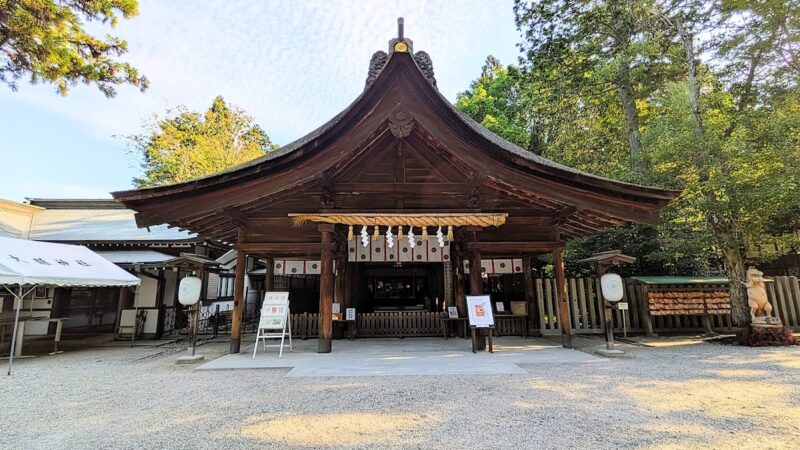
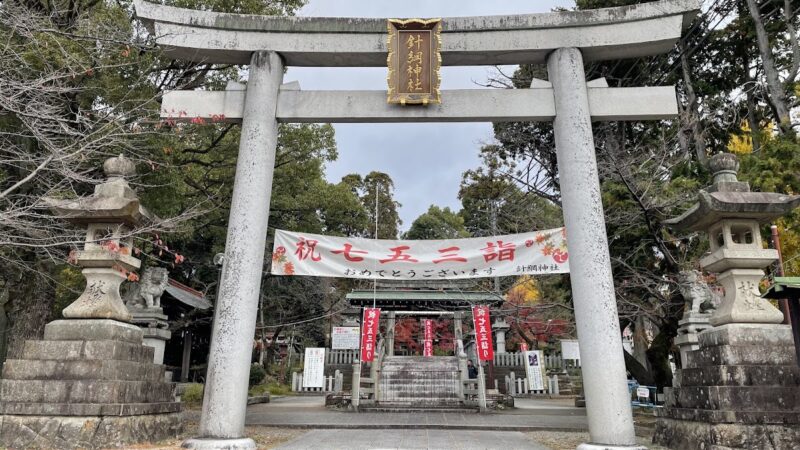
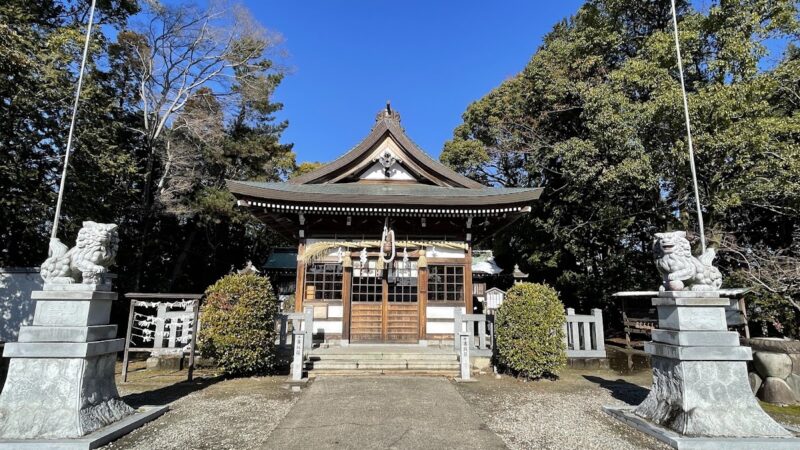
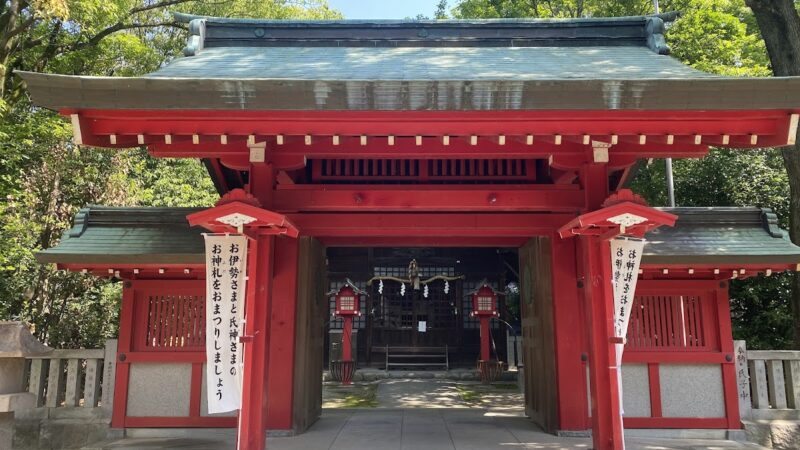
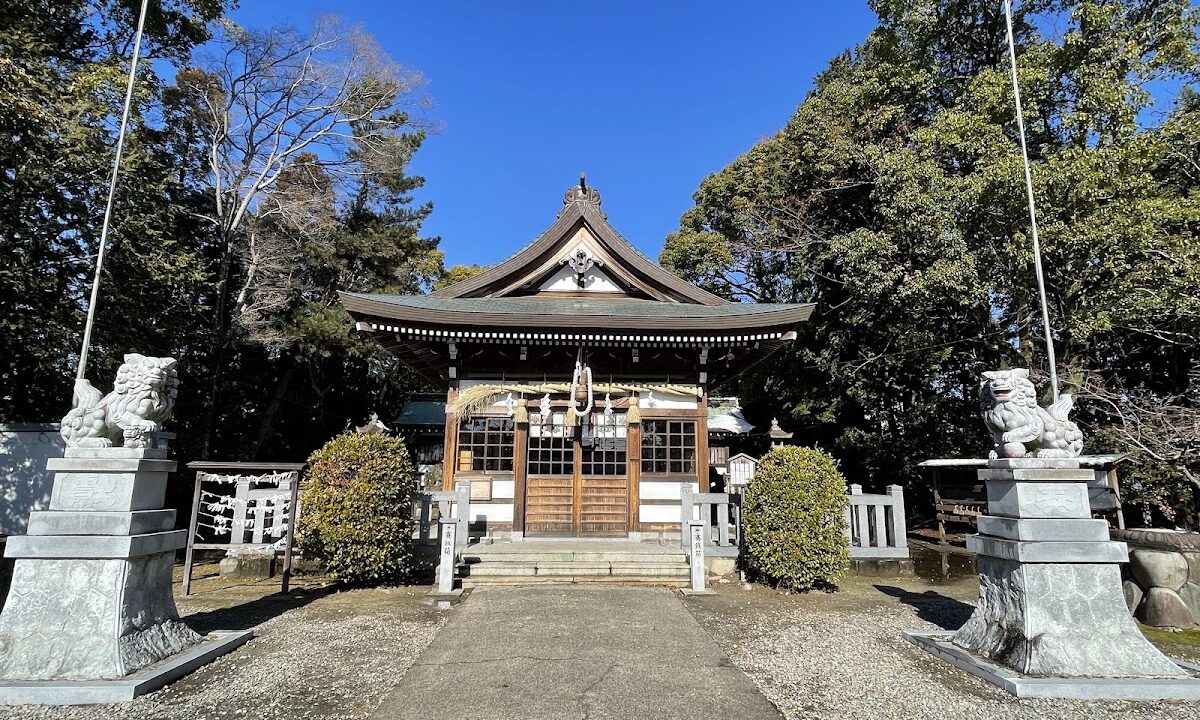
The grounds of Kagomori Katsute Shrine, while located in a residential area of Kisogawa Town, maintain a tranquil atmosphere. Passing through the torii gate, a path leads to the main shrine building.
The main shrine building is constructed in a traditional shrine architectural style, exuding a sense of historical weight. The worship hall serves as a center of local faith, where daily worshippers offer their prayers.
Subsidiary Shrines and Stone Monuments
In addition to the main shrine building, several subsidiary shrines and stone monuments are located within the grounds. These are valuable cultural assets that tell the story of the shrine’s long history and are points of interest to pay attention to during your visit.
Some stone monuments bear inscriptions detailing the shrine’s history and festival records, making them valuable resources for historical research.
Sacred Trees and Natural Environment
Within the shrine grounds stand ancient sacred trees that have quietly watched over the shrine’s history. The grounds, surrounded by trees, display different expressions throughout the seasons, offering particularly beautiful scenery during the fresh green season and the autumn foliage season.
Goshuin (Shrine Seal) and Goshuincho (Shrine Seal Book) Information
About Goshuin
Kagomori Katsute Shrine offers goshuin (shrine seals). The goshuin features the shrine’s name, “Kagomori Katsute Shrine,” written in ink, and stamped with the shrine’s seal.
Goshuin (Shrine Seal) Reception Hours: During the hours the shrine office is open (prior phone confirmation is recommended)
Offering Fee: Generally around 300-500 yen
Notes: Since the shrine priest may not always be present, it is recommended to call in advance if you wish to be sure to receive a goshuin.
Goshuin are proof of worship and are cherished as a memento of the connection made with the gods. Please respectfully request one at the shrine office after your visit.
Goshuincho (Shrine Seal Book)
For information on the original goshuincho of Kagomori Katsute Shrine, please inquire at the shrine office. There are many shrines in Ichinomiya City, including Masumida Shrine, and the number of visitors enjoying goshuin pilgrimages is increasing.
Annual Events and Festivals
Main Annual Events
Kagomori Katsute Shrine holds various festivals and Shinto rituals throughout the year.
New Year’s Day Festival: January 1st
A festival to welcome the new year and pray for safety and prosperity throughout the year. The shrine is bustling with many New Year’s visitors.
Spring Festival: Spring
A festival praying for a bountiful harvest and peace in the region.
Omikago Festival: Once a year
The shrine’s largest festival. A traditional event recreating the legend of King Oke and King Hiroke.
Autumn Festival: Autumn
A festival offering thanks for the harvest.
Great Purification Ceremony: June 30th and December 31st
A Shinto ritual to purify and cleanse away the sins and impurities accumulated over the past six months.
For detailed dates and times, we recommend contacting the shrine directly or checking the Aichi Prefecture Shrine Association website.
Access Information
Access by Public Transportation
By Train:
Get off at Kisogawa Station on the Meitetsu Inuyama Line, approximately 15 minutes on foot.
Proceed northeast from the station, and you will arrive at the shrine after passing through a residential area.
By Bus: You can use Ichinomiya City’s community bus, “i-bus,” but please check the routes and timetables in advance.
Access by Car
From Nagoya: Approximately 15 minutes from the Meishin Expressway “Ichinomiya IC.” Take National Route 22 towards Kisogawa Town.
From Gifu: Head south on National Route 22 to the Kuroda area of Kisogawa Town.
Parking: There is parking space for visitors on the shrine grounds, but spaces are limited, so we recommend using public transportation during festivals and other special occasions.
Landmarks in the Area
Located in a residential area of Kuroda, Kisogawa Town, you can find the shrine by entering “Kagomori Katsute Shrine” or the address “11 Higashi-no-kiri, Kuroda-Oukan, Kisogawa-cho, Ichinomiya City, Aichi Prefecture” into your car navigation system or smartphone map app.
Nearby Tourist Attractions
Major Shrines in Ichinomiya City
Masumida Shrine
The Ichinomiya (first-ranked shrine) of Owari Province, located in the heart of Ichinomiya City. It enshrines Ame-no-Hoakari-no-Mikoto and is known as the guardian shrine of the Owari region. Approximately 15 minutes by car from Kagomori Katsute Shrine.
Omiwa Shrine
An ancient shrine located in Ichinomiya City. It is said to have been established by inviting a deity from Omiwa Shrine in Nara.
Attractions around the Kiso River
Cherry Blossom Trees along the Kiso River
A famous spot where approximately 400 cherry trees bloom in spring. Designated as a national natural monument.
138 Tower Park
A park facility located along the Kiso River. The Twin Arch 138 is a landmark, and visitors can enjoy flowers throughout the seasons.
Inuyama Castle
A national treasure castle located in Inuyama City, across the Kiso River. Approximately 20 minutes by car from Kagomori Katsute Shrine.
Goshuin Stamp Pilgrimage Course
Ichinomiya City has many shrines and temples, making it a popular destination for goshuin stamp pilgrimages. A recommended one-day course starts at Kagomori Katsute Shrine and includes visits to Masumida Shrine, Omiwa Shrine, and others.
Manners and Etiquette for Worship
Basic Worship Etiquette
- Bow at the Torii Gate: Bow before passing through the torii gate to show respect for entering the sacred area.
- Purification at the Water Basin: Purify your left hand, then your right hand, then your mouth, and finally wash the handle of the ladle.
- Walking the Approach Path: The center of the approach path is considered the path of the gods, so walk along the sides.
- Etiquette at the Main Hall: Two bows, two claps, and one bow are the basic rituals.
Regarding Photography
Photography is generally permitted on the shrine grounds, but there may be restrictions, such as inside the main hall or during Shinto rituals. Please check with a Shinto priest if you have any questions.
Attire and Attitude
Shrines are sacred places. Avoid revealing clothing and wear clean attire when visiting. Also, please pray quietly and be considerate of other visitors.
History of Ichinomiya City and Kisogawa Town
Historical Background of Kisogawa Town
Kisogawa Town was formerly part of Haguri District and was incorporated into Ichinomiya City in 2005. It developed as an agricultural area utilizing the abundant water resources of the Kiso River, and people have lived there since ancient times.
Haguri District was an important area of Owari Province from ancient times, and several shrines listed in the Engishiki Jinmyocho (a list of shrines compiled in the Heian period) are listed there. Kagomori Katsute Shrine is one of them, deeply connected to the history of the region.
Owari Province and Shikinaisha Shrines
Owari Province has had deep ties with the imperial court since ancient times, and is home to numerous important shrines, including Atsuta Shrine. The number of Shikinaisha shrines listed in the Engishiki Jinmyocho (a list of shrines compiled in the Heian period) in Owari Province totals 121, a large number even by national standards.
Kagomori Katsute Shrine, as a Shikinaisha in Haguri District, Owari Province, was a central figure in the faith of this region. Even today, many Shikinaisha and ancient shrines remain in Ichinomiya City, preserving historical religious culture.
Cultural Properties and Historical Value
Value as a Shikinaisha Shrine
Shikinaisha shrines listed in the Engishiki Jinmyocho are prestigious shrines officially recognized by the state during the Heian period. The fact that Kagomori Katsute Shrine is listed as “Kuroda Shrine” is evidence that important rituals were performed in this region since ancient times.
The study of Shikinaisha shrines is an important theme in shrine history and ancient history research, and Kagomori Katsute Shrine is attracting attention as a shrine of academic value. ### Historical Significance of the Tradition
The legend of King Oke and King Hiroke is based on historical facts recorded in the *Nihon Shoki* and *Kojiki*. The turmoil surrounding the succession to the throne during the reign of Emperor Yuryaku is a crucial event for understanding the political history of ancient Japan.
The legend preserved at Kagomori Katsute Shrine preserves this historical event as a local memory and is a valuable example from a cultural anthropological perspective.
Visitor Voices and Reputation
Visitor Experiences
Visitors to Kagomori Katsute Shrine have commented, “I was able to worship in a quiet and peaceful atmosphere,” and “It’s a shrine where you can feel the depth of history.”
The number of visitors seeking *Goshuin* (shrine stamps) is also increasing, with comments such as “They were very helpful” and “I’m happy to receive a *Goshuin* from a Shikinaisha (shrine listed in the Engishiki)” being posted on social media and review sites.
Local Positioning
For local parishioners, Kagomori Katsute Shrine is a place of faith deeply rooted in their lives. The custom of visiting shrines at life’s milestones, such as a baby’s first shrine visit, Shichi-Go-San (a traditional rite of passage for children), and exorcisms, is still practiced today.
Festivals, including the Mikago Festival, are important opportunities to strengthen community bonds and function as places for intergenerational exchange.
Relationship with the Aichi Prefectural Association of Shinto Shrines
Kagomori Katsute Shrine belongs to the Aichi Prefectural Association of Shinto Shrines and operates as part of the prefectural shrine network. The Aichi Prefectural Association of Shinto Shrines is an organization that oversees shrines in the prefecture, providing support for priest training and shrine maintenance.
The Association of Shinto Shrines’ website allows you to search for shrines in the prefecture, and basic information about Kagomori Katsute Shrine is also available. This is convenient for checking the latest information before visiting.
Summary: The Charm of Kagomori Katsute Shrine
Kagomori Katsute Shrine is a venerable shrine with a history of over 1500 years, listed as a Shikinaisha (a shrine listed in the Engishiki Jinmyocho, a historical record of shrines). The Mikago Festival, based on the legend of King Oke and King Hiroke, is a precious festival that conveys ancient history to the present day and is a source of local pride.
Nestled in a quiet residential area of Kisogawa Town, this shrine may not be flashy, but it is a place where you can feel the weight of history and the warmth of faith rooted in the community. Whether you are a worshipper seeking a Goshuin (shrine stamp), interested in history, or simply wishing to offer a quiet prayer, each visit will offer a meaningful experience.
When visiting Ichinomiya City, be sure to visit Kagomori Katsute Shrine and experience its ancient history and local faith. Combining it with nearby tourist spots such as Masumida Shrine and Inuyama Castle will allow you to gain a deeper understanding of the rich history and culture of the Owari region.
When you visit, reflect on the history of the shrine, quietly put your hands together, and offer a heartfelt prayer. Kagomori Katsute Shrine is a hidden gem in Aichi Prefecture that offers visitors a sense of peace and the weight of history.