Ifuribe Shrine (Ichinomiya City, Aichi Prefecture) Complete Guide | History, Goshuin (Shrine Seal), and Access Information
Ifuribe Shrine, located in Kisogawa-cho, Ichinomiya City, Aichi Prefecture, is a historic shrine known as a Shikinaisha (a shrine listed in the Engishiki Jinmyocho, a list of shrines compiled during the Heian period). This shrine, which enshrines deities related to metal smelting and has deep ties to the ancient Ifuribe clan of the Owari region, provides a detailed introduction to its history, goshuin information, and highlights within the shrine grounds.
Basic Information on Ifuribe Shrine
Ifuribe Shrine (also written as 伊冨利部神社) is a shrine located at 3714 Kitayashiki, Monma, Kisogawa-cho, Ichinomiya City, Aichi Prefecture. Its former shrine rank was Prefectural Shrine, and it has long been revered as a Shikinaisha of Haguri District, Owari Province.
Shrine Overview
- Location: 3714 Kitayashiki, Monma, Kisogawa-cho, Ichinomiya City, Aichi Prefecture
- Phone Number: 0586-87-0730
- Former Shrine Rank: Prefectural Shrine
- Shikinaisha: Owari Province, Haguri District, “Ifuribe Shrine”
- Nearest Station: Approximately 23 minutes on foot from Meitetsu Shin-Kisogawa Station
Deity and Shrine Origin
Main Deity: Wakatsuho-no-Mikoto
The main deity of Ifuribe Shrine is Wakatsuho-no-Mikoto. Wakatsuho-no-Mikoto is considered the 9th generation descendant of Ame-no-Hoakari-no-Mikoto, the ancestral deity of the Owari clan, and has been revered as a god associated with metalworking and blacksmithing.
In ancient times, metalworking technology was cutting-edge and indispensable for the manufacture of weapons and agricultural tools. This shrine, dedicated to Wakatsuho-no-Mikoto, is believed to have been founded as the tutelary shrine of the Ifuribe clan, a group of skilled artisans.
Enshrined Deity: Emperor Ojin
In addition to the main deity, Emperor Ojin is enshrined here. Emperor Ojin is widely worshipped as Hachiman, the god of military fortune and industry, and it is thought that Hachiman worship was later incorporated into the shrine.
History of Ifuribe Shrine
Ancient Times: The Ifuribe Clan and the Founding of the Shrine
The origins of Ifuribe Shrine date back to ancient times. It is believed that the Ifuribe clan, a powerful family that migrated from Yamato Province (present-day Nara Prefecture) to Owari Province, founded the shrine as their tutelary shrine when they settled in this area.
The Ifuribe clan was a group of artisans with metal smelting technology and was an important family that carried out advanced technology at the time. The deity they worshipped, Wakatsuho-no-Mikoto, was positioned as the guardian deity of their skills and livelihoods.
Heian Period: Listed as a Shikinaisha Shrine
The Engishiki Jinmyocho, compiled in 927 AD, lists “Ifuribe Shrine” as a Shikinaisha shrine in Haguri District, Owari Province. This indicates that it was already a prestigious shrine recognized by the imperial court during the Heian period.
There are approximately 3,000 Shikinaisha shrines throughout Japan, and being listed among them is an important factor in proving the history and status of a shrine.
Medieval Period: Connection to Kuroda Castle
Kuroda Castle was built in this region during the Sengoku period, and Ifuribe Shrine was revered as the guardian deity of Kuroda Castle. The relationship between the castle and the shrine indicates its role as a spiritual pillar for the local samurai class.
Modern Era: Elevation to Prefectural Shrine
Under the modern shrine ranking system of the Meiji era, Ifuribe Shrine was ranked as a Prefectural Shrine. This meant it was recognized as one of the most prestigious shrines in Aichi Prefecture.
Although the former Kisogawa Town in Haguri District is now incorporated into Ichinomiya City, the shrine continues to attract local worshippers in this location.
Highlights of the Shrine Grounds
Torii Gate and Approach
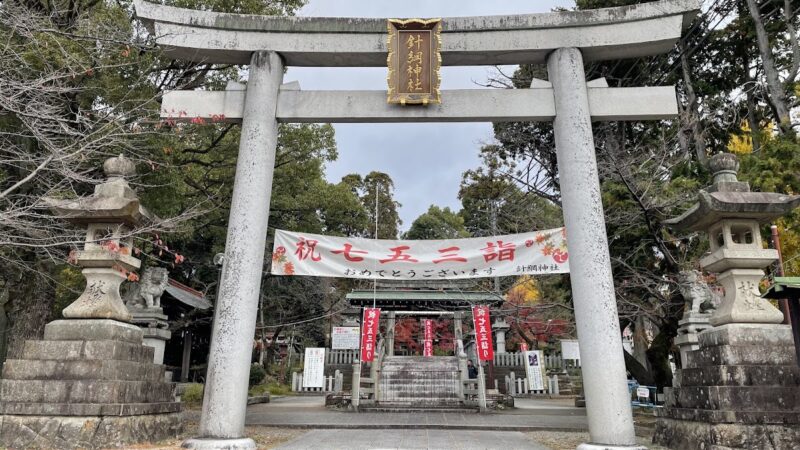
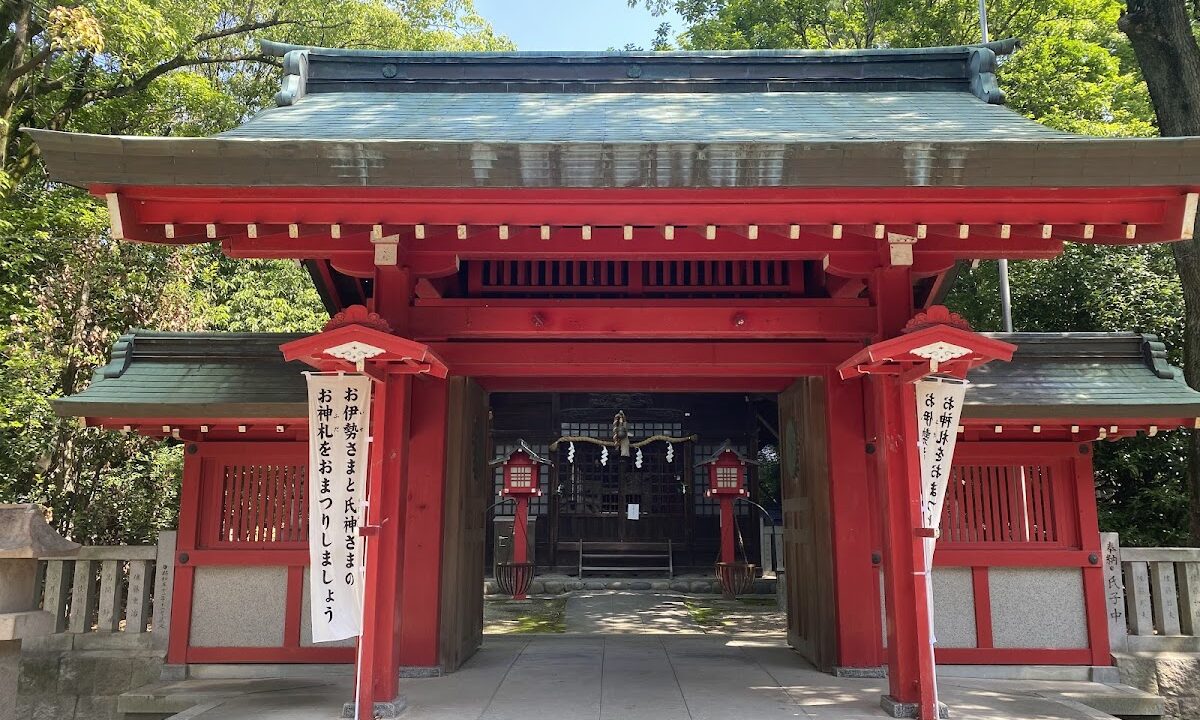
Upon entering the grounds of Ifuribe Shrine, visitors are first greeted by a magnificent torii gate. Passing through the torii gate, a tranquil approach unfolds, surrounded by trees, creating a peaceful space.
Worship Hall and Main Shrine
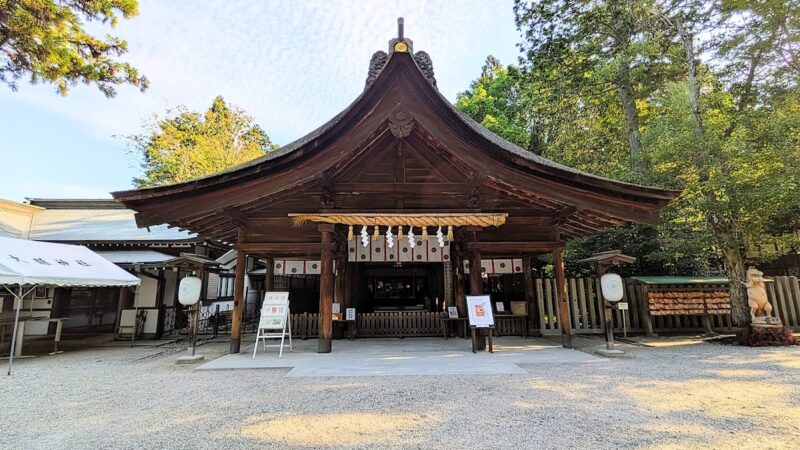
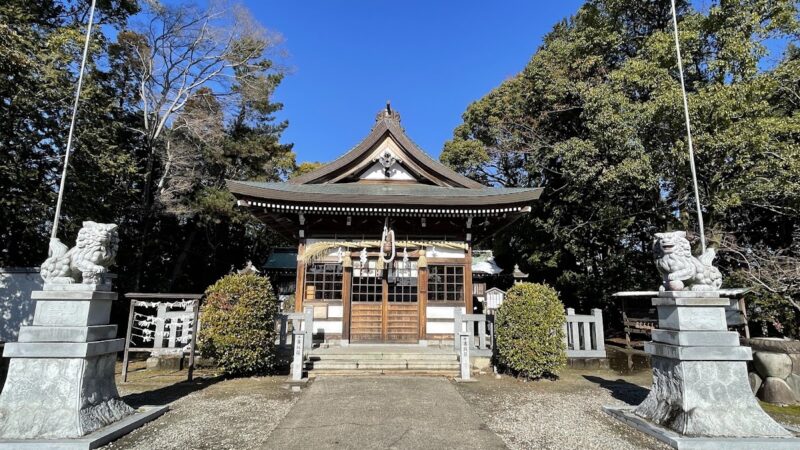
Following the approach, the solemn worship hall comes into view. Behind the worship hall sits the main shrine, where Wakatsuho-no-Mikoto and Emperor Ojin are enshrined. The shrine grounds are meticulously maintained, allowing for a refreshing and peaceful visit.
Subsidiary Shrines and Shrines within the Precincts
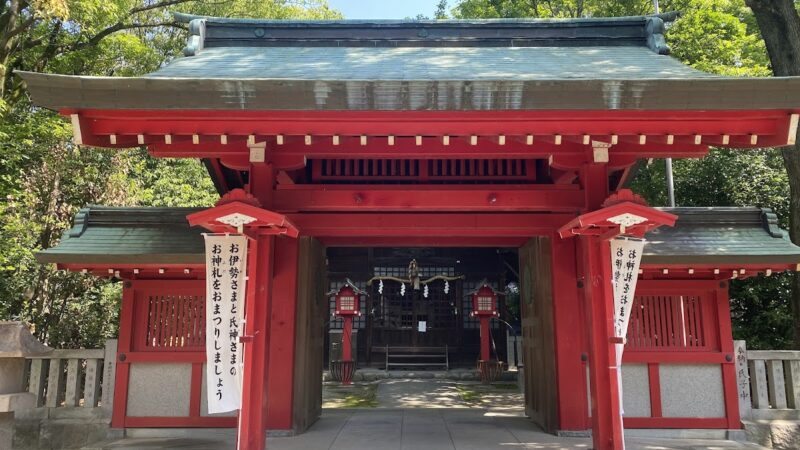
Several subsidiary shrines are located around the main shrine. These subsidiary shrines reflect local beliefs and history, enshrining various deities alongside the main deity. Visiting each subsidiary shrine while exploring the grounds will provide a deeper religious experience.
Haraedo (Purification Hall)
Within the shrine grounds is a haraedo (purification hall) where you can purify your mind and body before worship. In Shinto, purification is an important ritual, and this is a crucial place for approaching the shrine with a pure heart.
Relationship with Ancient Burial Mounds
This area also contains archaeological sites from the Kofun period (ancient burial mound period), and the historical background of Ifuribe Shrine is deeply intertwined with the activities of people from ancient times. The surrounding burial mounds are evidence that this area was an important center from ancient times.
Goshuin (Shrine Seal) Information
Regarding the Issuance of Goshuin
You can receive a goshuin at Ifuribe Shrine, but there are some points to note regarding its issuance. The shrine office is not always open, and priests are often absent, so you need to time your visit accordingly.
Dates and Times for Receiving Goshuin (Shrine Seals)
Goshuin are only given on the days of the monthly festival. Specifically:
- 1st of each month: Until around 10:00 AM
- 16th of each month: Until around 10:00 AM
*Dates may change, so it is recommended to check in advance.
How to Guarantee Receiving a Goshuin
Those wishing to receive a Goshuin should visit on the dates of the monthly festival mentioned above. Visiting early in the morning increases the chances of meeting a priest. If you are traveling from afar, it is a good idea to call ahead to confirm.
Access Information
Access by Train
The nearest station is Shin-Kisogawa Station on the Meitetsu Inuyama Line.
- Approximately 23 minutes on foot from the Shin-Kisogawa Station exit
- Approximately 1.8 km from the station to the shrine
If walking is difficult, you can consider taking a taxi.
Access by Car
Visiting by car is convenient.
- From Nagoya: Approximately 12 minutes using toll roads, toll fee approximately 910 yen
- Approximately 10 minutes from the Tokai-Hokuriku Expressway “Ichinomiya-Kisogawa IC”
- Approximately 15 minutes from the Meishin Expressway “Ichinomiya IC”
Parking
There is parking space for visitors on the shrine grounds, but the number of spaces is limited, so it may be crowded during festivals and other events.
Address and Map
3714 Kitayashiki, Monma, Kisogawa-cho, Ichinomiya City, Aichi Prefecture 493-0002
Searching for “Ifuribe Shrine” or “Ifuribe Shrine” on your car navigation system or smartphone map app will display the exact location.
Manners and Precautions for Visiting a Shrine
Proper Way to Visit a Shrine
- Bow before passing through the torii gate.
- Avoid walking in the center of the path.
- Cleanse your hands and mouth at the water basin.
- At the front of the main hall, perform the “two bows, two claps, one bow” ritual.
Photography
Photography is generally permitted on the shrine grounds, but it should be avoided inside the main hall and in sacred areas. When taking photos, be considerate of those around you and do so quietly.
Attire and Behavior
Shrines are sacred places. Avoid revealing clothing and wear clean attire when visiting. Also, refrain from loud conversations and disruptive behavior, and strive to maintain a quiet atmosphere.
Nearby Attractions
Nearby Shrines and Temples
Many shrines and temples are scattered around Ichinomiya City:
- Masumida Shrine: The main shrine of Ichinomiya City and the Ichinomiya of Owari Province
- Omiwa Shrine: A Shikinaisha (shrine listed in the Engishiki) within Ichinomiya City
- Asano Park: A park suitable for strolling
Sightseeing in the Kiso River Area
Kiso River Town is close to the Kiso River and is a region rich in nature. You can enjoy strolling around the surrounding area in conjunction with visiting Ifuribe Shrine.
Annual Events and Festivals
Monthly Festivals
Monthly festivals are held on the 1st and 16th of each month. These are ideal days for worship, as Shinto priests are present and Goshuin (shrine stamps) are available.
Grand Festival
The annual grand festival is a more elaborate event. Local people gather, and traditional Shinto rituals are performed solemnly.
The Charm and Significance of Visiting Ifuribe Shrine
Status as a Shikinaisha Shrine
The status of a Shikinaisha shrine, as listed in the Engishiki (a compilation of laws and regulations from the Heian period), is proof of its history of over 1,000 years. Even today, its history continues to attract many visitors.
Worship as the God of Metalworking
The enshrinement of Wakatsuho-no-Mikoto, a god associated with metalworking, is a valuable example of the connection between ancient technology and faith. Even today, it can be said that this shrine holds special significance for people involved in manufacturing and technology.
A Tranquil Worship Environment
Despite being located in an urban area, the shrine grounds are a quiet space surrounded by trees. This environment, away from the hustle and bustle of everyday life, provides a precious place of healing for modern people.
Visitor Voices and Experiences
Many visitors highly appreciate the quiet and peaceful atmosphere of Ifuribe Shrine. Those seeking Goshuin (temple/shrine stamps) in particular have shared the information that “while the priests are often absent, you can be sure to receive one by visiting on the day of the monthly festival.”
The well-maintained grounds and historical atmosphere are also highly praised, with comments such as “You can feel the prestige of a Shikinaisha (a shrine listed in the Engishiki)” and “You can feel the weight of ancient faith.”
Things to Know Before Visiting Ifuribe Shrine
Check the Latest Information
Festival dates and Goshuin issuance dates may change. It is recommended to check official information and the latest information before visiting.
Seasonal Attractions
- Spring: Beautiful fresh greenery makes for a refreshing visit.
- Summer: The shade of the trees provides cool relief from the heat.
- Autumn: Autumn leaves color the grounds.
- Winter: Experience a solemn atmosphere enveloped in silence.
Estimated Time Required
The grounds are not very large, so a visit itself can be completed in about 30 minutes. However, if you plan to thoroughly explore the grounds and visit the subsidiary shrines, it’s best to allow about an hour.
Summary: The Value and Charm of Ifuribe Shrine
Located in Ichinomiya City, Aichi Prefecture, Ifuribe Shrine is a prestigious ancient shrine with over 1,000 years of history, boasting the status of a Shikinaisha (a shrine listed in the Engishiki, an ancient Japanese legal text), the unique distinction of enshrining the god of metalworking.
Those wishing to receive a Goshuin (shrine stamp) can be sure to obtain one by visiting on the days of the monthly festival (the 1st and 16th of each month, in the morning). While access by car is convenient, it’s also possible to visit on foot from Meitetsu Shin-Kisogawa Station.
The quiet and peaceful grounds provide an ideal environment for a peaceful visit while feeling the weight of history. When visiting Ichinomiya City, why not visit this historic Shikinaisha and experience the weight of ancient faith?
For those planning a pilgrimage to shrines in the Owari region, those on a pilgrimage to Shikinaisha shrines, or those collecting Goshuin (shrine stamps), Ifuribe Shrine is a must-see. By checking accurate information beforehand and visiting at the appropriate time, you can have a more fulfilling shrine experience.