Complete Guide to Ikutama Inari Shrine (Aichi Prefecture) | A Thorough Explanation of History, Goshuin (Shrine Seals), Blessings, and Morning Market
Ikutama Inari Shrine, located in Moriyama Ward, Nagoya City, Aichi Prefecture, is known as the largest Inari shrine in the Nagoya area. While it is a historical shrine believed to have been founded around 1200, it is also a special place for local residents, cherished for its monthly morning market and community-based activities. This article provides a detailed explanation of Ikutama Inari Shrine’s history, its transformation to the present day, its blessings, goshuin information, access methods, and other information visitors should know.
Basic Information about Ikutama Inari Shrine
Location
3-13-44 Obata-naka, Moriyama-ku, Nagoya City, Aichi Prefecture
Phone Number
052-791-5526
Visiting Hours
9:00 AM – 5:00 PM (Subject to change)
Admission Fee
Free
Postal Code
463-0013
Ikutama Inari Shrine, despite being located in a residential area, boasts spacious grounds and is a beloved local landmark. In Nagoya City, there are relatively few independent Inari shrines, and it is known as one of the larger Inari shrines, alongside Furuto Inari Shrine in Naka-ku and Yamato Inari Shrine in Midori-ku.
History and Origins of Ikutama Inari Shrine
From Founding to the Edo Period
Ikutama Inari Shrine is believed to have been founded around 1200, making it a venerable shrine with a history of over 800 years. It was once known as “Obata Inari” and has been revered as the guardian deity of the region.
Inari worship is deeply intertwined with Japanese life and culture, centered on agriculture, and has been an object of faith for people praying for abundant harvests and business prosperity. Ikutama Inari Shrine also has a history of watching over people’s lives alongside the development of agriculture and commerce in this region.
Disasters and Reconstruction in the Edo Period
In September 1650 (Keian 3), a great flood struck the region, and the shrine building of Ikutama Inari Shrine was swept away. However, thanks to the efforts of local residents and worshippers, the shrine building was rebuilt. Since then, it has undergone numerous renovations and constructions, maintaining itself through the changing times.
This recovery from disaster demonstrates that Ikutama Inari Shrine was a central presence in the local community. The reconstruction of the shrine building required the cooperation of many people, and its success speaks to how important the shrine was to the community.
War Damage and the Modern Shrine
During the Greater East Asia War (Pacific War), Ikutama Inari Shrine was almost completely destroyed by air raids. Nagoya City suffered immense damage in the 1945 air raids, and Ikutama Inari Shrine was no exception.
After the war, through the dedicated efforts of the shrine’s representatives and worshippers, the current shrine building was completed in May 1974 (Showa 49). This reconstruction is a symbolic event demonstrating the faith and solidarity of the local residents during the post-war reconstruction period. The current shrine building was constructed at that time and, despite having nearly 50 years of history, is beautifully maintained through proper upkeep.
Deities and Benefits
Guardian Deities Presiding over Clothing, Food, and Shelter
Ikutama Inari Shrine enshrines guardian deities presiding over clothing, food, and shelter. Inari shrines often enshrine Ukanomitama-no-kami as their principal deity and are worshipped as gods who protect all aspects of people’s lives, including clothing, food, and shelter.
As guardian deities guiding people throughout their lives, they are believed to watch over them at every stage, from birth to death.
Main Benefits
Business Prosperity This is a representative benefit of Inari shrines. Many worshippers visit to pray for business development and success.
Abundant Harvest As a god of agriculture, there is a belief in praying for a bountiful harvest.
Matchmaking It is believed to bring good fortune in relationships between people. This can be used not only for romantic relationships but also for work, friendships, and all kinds of good fortune.
Family Safety The shrine protects the health and peaceful lives of families.
Finding Lost Items Ikutama Inari Shrine is also known as a “power spot where lost items can be found.” Some people visit the shrine not only to regain physical possessions, but also to recover lost confidence, goals, and other spiritual things.
Highlights of the Shrine Grounds
Shrine Building
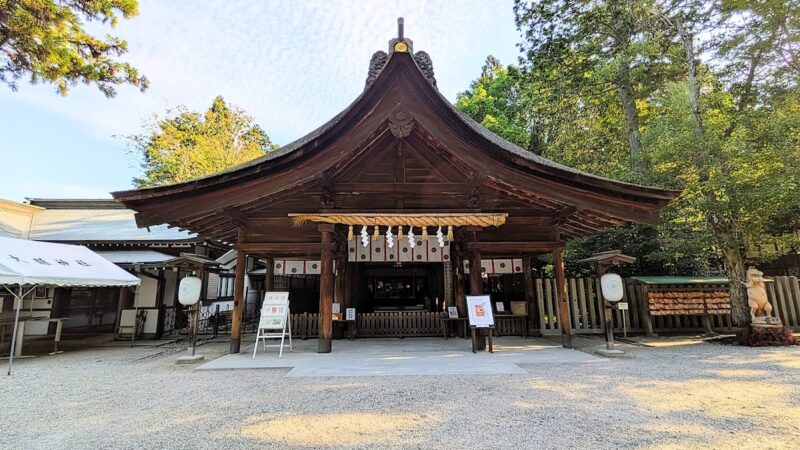
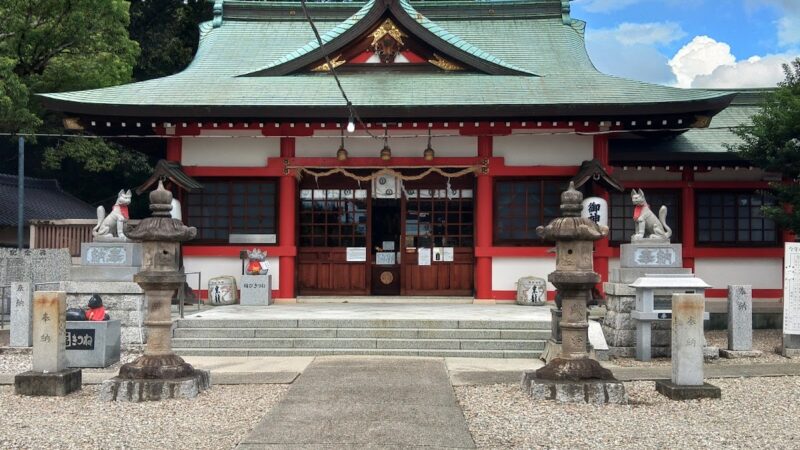
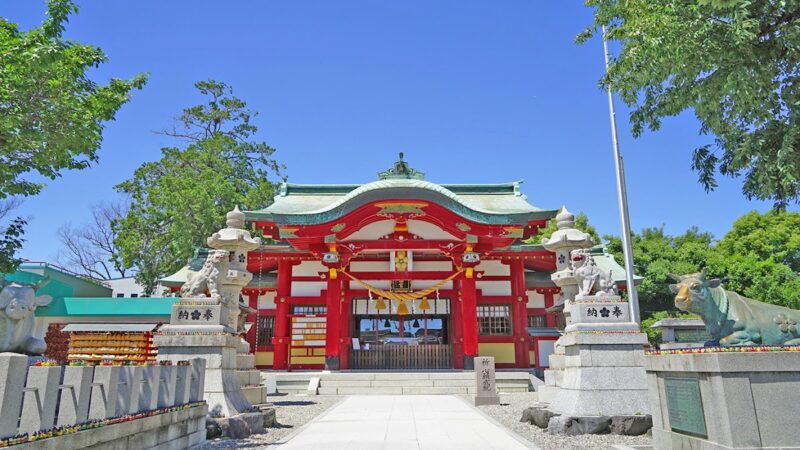
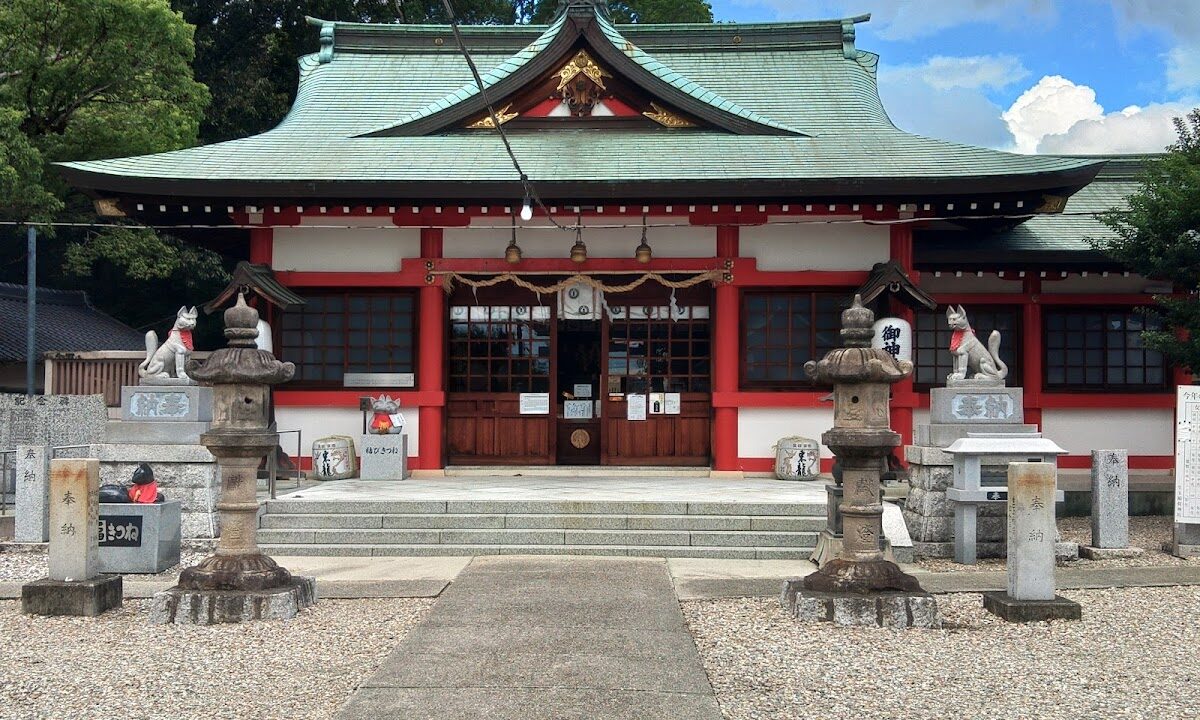
Completed in 1974, the current shrine building follows the traditional style of shrine architecture while being built with modern technology, resulting in a robust structure. The vermilion-lacquered shrine building has the splendor characteristic of an Inari shrine, welcoming visitors.
The shrine grounds are spacious and well-maintained, creating an environment conducive to worship. While usually quiet and peaceful, it becomes bustling with many worshippers during New Year’s and the annual festival.
Atmosphere of the Shrine Grounds
Despite being located in a residential area, stepping onto the shrine grounds reveals a tranquil space far removed from the hustle and bustle of everyday life. The grounds, which show different expressions with each season, also function as a place of relaxation for local residents.
While it is usually a quiet shrine with only occasional visitors, this provides an environment conducive to a peaceful and serene worship experience. This is a suitable place for those who want to escape the hustle and bustle of the city and visit a shrine in peace.
Goshuin (Shrine Seal) Information
Goshuin are available at Ikutama Inari Shrine. Goshuin are popular as proof of shrine visits and as souvenirs of travel.
Goshuin Reception Hours
Generally, reception hours are from 9:00 to 17:00, but may vary depending on religious ceremonies and events. If you want to be sure to receive a goshuin, it is recommended to check by phone in advance.
Goshuin Characteristics
The goshuin at Ikutama Inari Shrine includes the shrine name and the date of visit. Bringing your goshuincho (seal book) is recommended, but pre-printed goshuin may also be available.
Goshuin are originally given as proof of worship. Please avoid receiving a goshuin without worshipping; be sure to worship properly before receiving one.
Monthly Morning Market
Morning Market Dates and Features
A distinctive event at Ikutama Inari Shrine is the morning market held on the 1st and 15th of every month. This market is popular with local residents and sells fresh vegetables, local specialties, and handmade goods.
The morning market also functions as a place for community communication, and is bustling with people enjoying the market in conjunction with their visit to the shrine. Because it starts early in the morning, you can enjoy visiting the shrine in the refreshing morning air and then shopping at the market.
What You Can Enjoy at the Morning Market
- Fresh local vegetables
- Handmade processed goods
- Local specialties
- Seasonal ingredients
The exact times and stall contents of the morning market may change from month to month, so it is recommended to check before visiting.
New Year’s and Annual Festival
New Year’s Bustle
During the New Year’s period, Ikutama Inari Shrine is extremely lively with visitors coming for their first shrine visit of the year. With food stalls set up and a festive atmosphere, the shrine grounds, usually quiet, are bustling with activity.
Many worshippers visit to pray for business prosperity and family safety in the new year, making it a central location for local New Year’s events.
Annual Festivals and Events
Ikutama Inari Shrine holds various Shinto rituals and events throughout the year. The annual festival preserves local traditions and brings together parishioners and devotees.
For specific festival dates, please contact the shrine directly or check local bulletin boards.
Access
Access by Train
Nearest Station
Meitetsu Seto Line, “Obata Station”
Walking Route from Obata Station
It’s approximately a 13-minute walk from Obata Station. The most common route is to head south from the station and go through the residential area. If you are unsure of the route, we recommend using a smartphone map app.
Access by Car
Please set your destination to 3-13-44 Obata-naka, Moriyama-ku, Nagoya City, Aichi Prefecture.
Parking
We recommend checking with the shrine in advance regarding the availability and number of parking spaces. Especially on days when crowds are expected, such as New Year’s Day or morning market days, using public transportation is more convenient.
Surrounding Facilities
Located in a residential area, there are convenience stores and restaurants nearby. Please use this information as a reference when looking for a place to rest or eat before or after your visit.
Manners and Points for Visiting a Shrine
Basic Worship Etiquette
- Bow Before Passing Through the Torii Gate
As a sign of respect before entering the sacred area, bow before the torii gate.
- Purify at the Water Basin
If there is a water basin, purify your left hand, then your right hand, and then your mouth.
- How to Walk the Approach to the Shrine
The center of the approach is considered the path of the gods, so it is polite to walk along the sides.
- Worship at the Main Hall
Two bows, two claps, and one bow is the basic procedure. If there is a bell, ring it before placing your offering.
Attire for Visiting
There are no specific dress code requirements, but it is desirable to wear clothing that reflects the sacred nature of the place. Avoid revealing or overly casual clothing.
Photography
Photography is generally permitted on the shrine grounds, but consideration should be given to avoiding disturbing other worshippers. Also, it is necessary to use your judgment depending on the situation, such as refraining from taking photos during religious ceremonies.
Nearby Tourist Attractions
Highlights of Moriyama Ward
Moriyama Ward in Nagoya City, where Ikutama Inari Shrine is located, has other spots worth visiting.
Higashiyama Fruit Park
A facility where you can enjoy seasonal fruit picking and strolling, popular with families.
Higashitaniyama
This is the highest mountain in Nagoya City and is a popular hiking destination. The scenery is especially beautiful during the autumn foliage season.
Other Inari Shrines in Nagoya City
If you are interested in visiting Inari shrines, why not also visit other Inari shrines in Nagoya City?
- Furuto Inari Shrine (Naka Ward)
- Yamafuji Inari Shrine (Midori Ward)
Each shrine has its own unique history and characteristics, and comparing them while visiting is one way to enjoy the experience.
Connection with the Community
As a Community Center
Ikutama Inari Shrine is not merely a religious facility, but plays a central role in the local community. It hosts morning markets, annual events, and serves as a gathering place for people of all generations, fostering interaction.
Activities of the General Assembly and Worshippers
The shrine’s operation is centered around the General Assembly and supported by many worshippers. From the reconstruction of the shrine buildings after the war to daily maintenance, it has been protected through the dedicated efforts of local residents. This strong connection with the local community is one of the reasons why Ikutama Inari Shrine, with its history of over 800 years, has been passed down to the present day.
Visitor Feedback
The following are some comments from people who have actually visited Ikutama Inari Shrine:
- “The grounds are spacious and beautifully maintained, making for a pleasant visit.”
- “It was surprisingly quiet and peaceful, considering it’s located in a residential area.”
- “I was able to buy fresh vegetables at the morning market, enjoying both worship and shopping.”
- “During New Year’s, there were food stalls and it was lively, like a local festival.”
This reflects the unique charm of a community-based shrine, which is usually quiet but becomes lively on special occasions.
Points to Note When Visiting
Checking Opening Hours
The basic visiting hours are 9:00 AM to 5:00 PM, but these may vary. Especially if you wish to receive a Goshuin (temple/shrine stamp) or require assistance at the shrine office, it is recommended to call ahead to confirm.
Crowds on Morning Market Days
The 1st and 15th of each month, when the morning market is held, see more visitors than usual. Those who wish to visit at a more leisurely pace should avoid the morning market days or visit outside of the market hours.
Impact of Weather
As this is an outdoor facility, the ground can become slippery in rainy weather. Please wear appropriate clothing and shoes when visiting on days with bad weather.
The Future of Ikutama Inari Shrine
The historic Ikutama Inari Shrine continues to adapt to the modern community while preserving its traditions. Its commitment to interaction with local residents, such as holding morning markets, demonstrates that the shrine is not merely a historical building, but a living place of faith.
In today’s society, where the birthrate is declining and the population is aging, maintaining local communities is a major challenge. A community-based shrine like Ikutama Inari Shrine, functioning as a place for intergenerational exchange, holds significant importance for the local community.
Summary
Located in Moriyama Ward, Nagoya City, Aichi Prefecture, Ikutama Inari Shrine has been cherished by the local community for over 800 years since its founding around 1200. Its history of overcoming difficulties such as floods and war damage, and being rebuilt each time through the efforts of local residents, speaks to the strong bond between the shrine and the community.
As a guardian deity presiding over clothing, food, and shelter, it is believed to offer various blessings, including business prosperity, matchmaking, and family safety, attracting many worshippers. It is particularly known as a “power spot where lost items can be found,” and people visit not only seeking physical items but also spiritual support.
The morning market held on the 1st and 15th of each month is a popular local event where visitors can enjoy both worship and shopping, and it also functions as a place for community interaction.
Despite its convenient location, approximately a 13-minute walk from Obata Station on the Meitetsu Seto Line, the shrine grounds are spacious and quiet, offering a peaceful escape from the hustle and bustle of the city. Goshuin (shrine stamps) are also available, making it a recommended spot for those who enjoy visiting shrines.
As the largest Inari shrine in Nagoya City and a familiar, community-based shrine, Ikutama Inari Shrine continues to be loved by many people. When you visit Nagoya, be sure to stop by. You will be able to feel the history, tradition, and warmth of the local community.