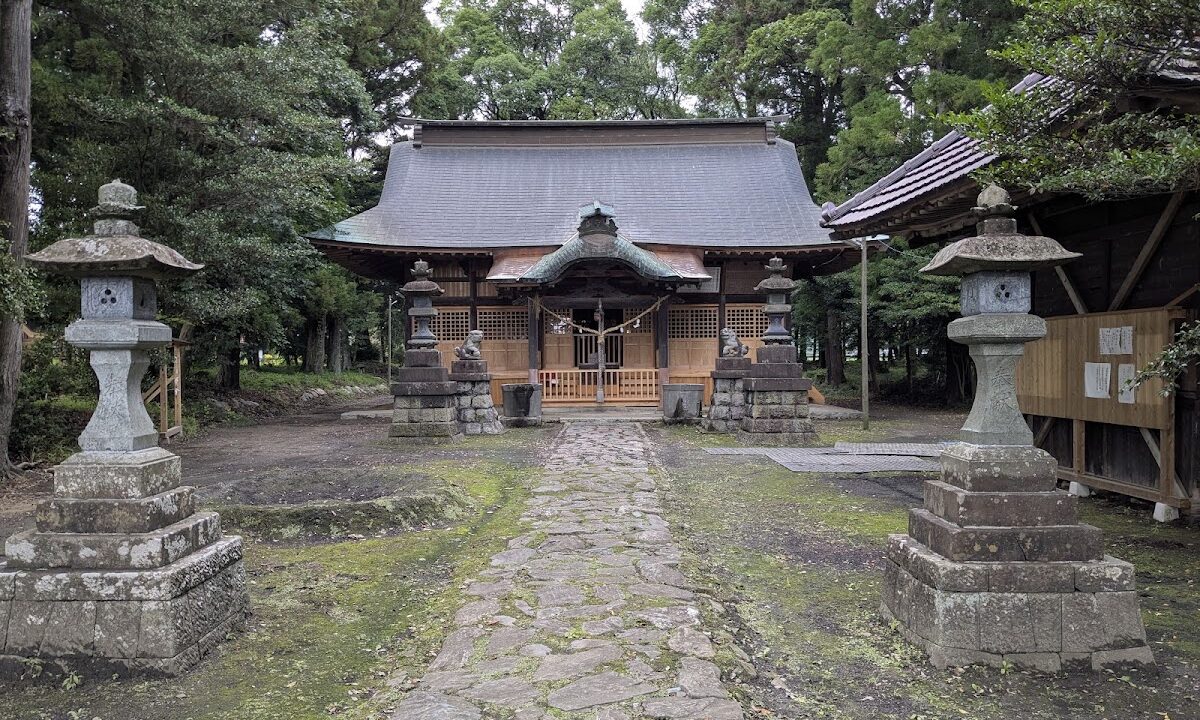
Complete Guide to Satsu Shrine (Hitachiota City, Ibaraki Prefecture) | Thorough Explanation of Goshuin (Shrine Seals), Deities, Access, and History
Satsu Shrine, located in Hitachiota City, Ibaraki Prefecture, is a venerable shrine boasting over 1000 years of history, listed in the Engishiki Jinmyocho (a list of shrines compiled in the Heian period). This shrine, pronounced “Sato Jinja” or “Satsu Jinja,” enshrines Tachihayahi-no-Mikoto, who also appears in the Hitachi no Kuni Fudoki (ancient provincial gazetteer), and has long been a center of local faith.
This article provides a detailed explanation of everything you need to know before visiting Satsu Shrine, including its goshuin information, enshrined deities, history, highlights of the grounds, and access methods.
Basic Information on Satsu Shrine
Satsu Shrine is located in Satonomiya-cho, Hitachiota City, Ibaraki Prefecture, and its former shrine rank was Gosha (village shrine). The shrine grounds, nestled in a quiet rural area, still convey the atmosphere of a place of ancient worship.
Location: 1052 Satonomiya-cho, Hitachiota City, Ibaraki Prefecture 311-0325
Shrine Rank: Shikinaisha (Minor Shrine), Former Village Shrine
Deity Enshrined: Tachihayabio-no-Mikoto
Alternate Name: Hayafuwake-no-Mikoto
The name of the shrine, “Satsu,” is unusual; both “Sato” and “Satsu” are acceptable pronunciations. Both pronunciations are used locally, and visitors are free to use either.
About the Deity Enshrined at Satsu Shrine
Tachihayabio-no-Mikoto
Tachihayabio-no-Mikoto, the deity enshrined at Satsu Shrine, is an Amatsu-kami (heavenly deity) appearing in the Hitachi Province Fudoki (ancient provincial gazetteer). In the same text, he is also written as “Tachihayabio-no-Mikoto” and is also known as “Hayafuwake-no-Mikoto.”
According to the Hitachi Province Fudoki (ancient provincial gazetteer), Tachihayahi-no-Mikoto is considered a deity deeply involved in the development and governance of Hitachi Province. It is said that, at the request of the local residents, he was dispatched to the imperial court through Kataoka-no-Oomi and Kunima-no-Oomi, ancestors of the Nakatomi-no-Kashima clan, and came to preside over the rituals of this region.
Divine Virtues and Faith
Tachihayahi-no-Mikoto, whose name symbolizes “speed” and “momentum,” is believed to possess the following divine virtues:
- God of Pioneering and Good Fortune: Opens up new land and brings development
- Abundant Harvest: As the guardian deity of agriculture, prayers are offered for bountiful harvests
- Protection of the Region: The tutelary deity protecting the Satonomiya region
- Protection from Misfortune and Disaster: Possesses the power to swiftly dispel disasters
History of Satsuto Shrine
Ancient Faith
The history of Satsuto Shrine is very old, and its origins are not clear. However, based on descriptions related to the Hitachi Province Fudoki (ancient provincial gazetteer), it is believed that some kind of ritual was performed there before the Nara period (8th century).
The Hitachi Province Fudoki is a geographical record whose compilation is said to have begun in 713 (Wado 6), and the legend of Tachihayahi-no-Mikoto that appears there indicates that the belief was already rooted in the region at that time.
Status as a Shikinaisha Shrine
In the Engishiki Jinmyocho (compiled in 927 during the Enryaku era), Satsuto Shrine is listed as a minor shrine listed in the Engishiki in Kuji District, Hitachi Province. Shrines listed in the Engishiki Jinmyocho were called “Shikinaisha” and were considered high-ranking shrines recognized by the imperial court.
While many shrines existed in Hitachi Province at that time, only a limited number were listed in the Engishiki, indicating that Satsuto Shrine was an important place of worship in this region.
From the Medieval to the Early Modern Period
Although detailed records from the medieval period onward are scarce, the shrine has been continuously worshipped as the local tutelary deity. During the Edo period, it is believed to have been a village shrine, attracting fervent devotion from local residents, and holding festivals and other events.
Modern Period
In the Meiji era’s shrine ranking system, Satsuto Shrine was ranked as a village shrine. A village shrine held a higher rank than a village shrine and was positioned as a central shrine in a region spanning multiple villages.
Although the shrine ranking system was abolished after the post-war reforms to the shrine system, it continues to maintain its historical value as a Shikinaisha (a shrine listed in the Engishiki, an ancient Japanese legal code) and its role as a center of local faith.
Highlights of the Shrine Grounds
Torii Gate and Approach
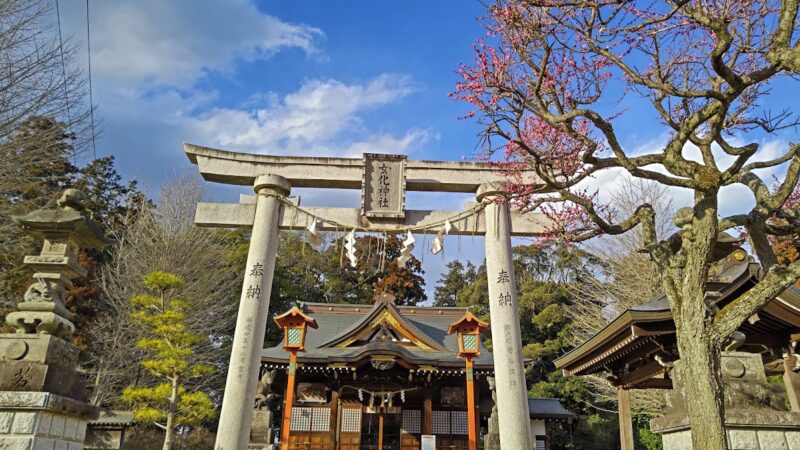
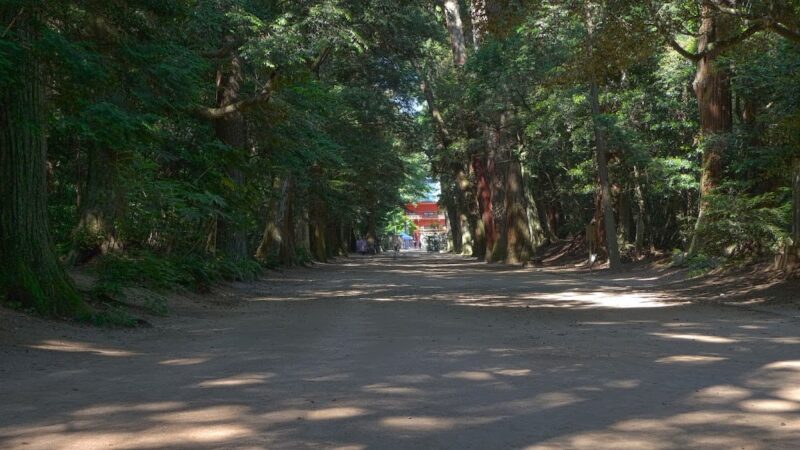
The grounds of Satsuto Shrine are located in a quiet, rural area. Passing through the torii gate, a path surrounded by greenery leads to the shrine building. The path, surrounded by trees, exudes a tranquil atmosphere, far removed from the hustle and bustle of everyday life, inviting visitors into the sacred realm.
Shrine Building
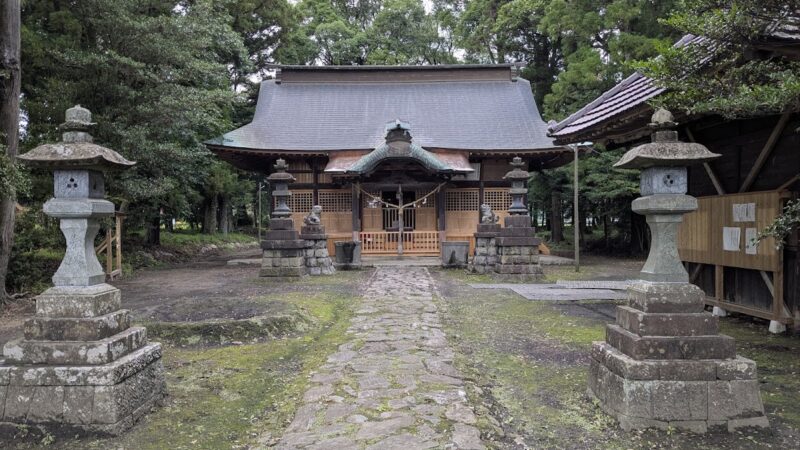
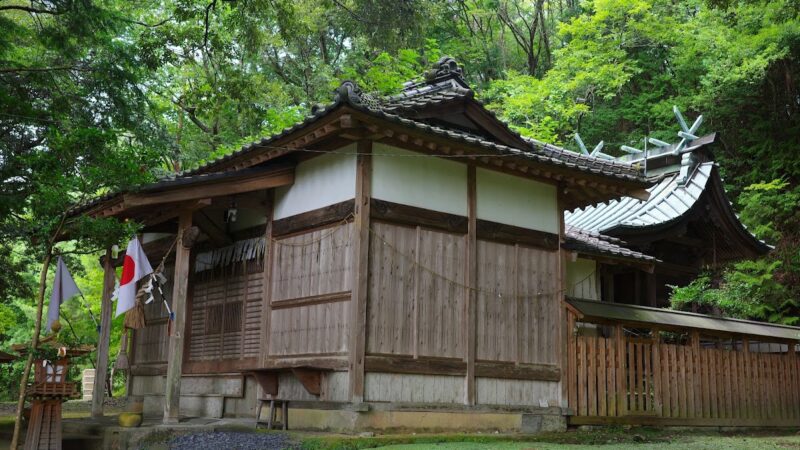
The shrine building is built in a simple yet sturdy style, exuding a sense of long history. While there are no flashy decorations, this highlights the inherent solemnity and purity of the shrine. Standing before the shrine, one can feel the presence of the gods who have protected this land for over a thousand years.
Atmosphere of the Shrine Grounds
The grounds of Satsuto Shrine lack the grandeur of large shrines, but possess a calm atmosphere characteristic of an ancient shrine. The shrine grounds are lined with ancient trees, allowing visitors to experience the changing seasons.
Especially during the seasons of fresh greenery and autumn leaves, the natural beauty of the grounds is stunning, allowing visitors to enjoy the changing seasons while praying.
Satto Shrine’s Goshuin (Shrine Seal) and Goshuincho (Shrine Seal Book)
About Goshuin
You can receive a goshuin at Satto Shrine. The goshuin will have the shrine’s name, “Satto Shrine,” and the date of your visit written in ink, and will be stamped with the shrine’s seal.
However, since the Satto Shrine office is not always open, please note the following points if you wish to receive a goshuin:
- May be unattended: There are times when the chief priest is not present.
- Pre-printed goshuin available: Pre-printed goshuin may be available.
- Offering fee: Generally around 300 to 500 yen.
If you want to be sure to receive a goshuin, it is recommended to check the visiting hours in advance.
Goshuincho (Stamp Book)
We recommend checking in advance whether the original Goshuincho of Satsuto Shrine is available. Many visitors come to Satsuto Shrine as part of a pilgrimage to collect Goshuin stamps from shrines throughout Ibaraki Prefecture.
Access Information
Access by Train
Nearest Station: JR Suigun Line “Hitachi-Ota Station”
Satsuto Shrine is approximately 4km from Hitachi-Ota Station, about a 49-minute walk. Access is by heading north from the station. Since it’s a bit of a distance on foot, you might consider taking a taxi.
Access by Car
From Joban Expressway “Hitachi-Minami-Ota IC”: Approximately 20 minutes
Access by car is the most convenient. Head north from Hitachi-Ota city center towards Satonomiya-cho. Setting “Satsuto Shrine” or the address “1052 Satonomiya-cho, Hitachi-Ota City, Ibaraki Prefecture” in your car navigation system will guide you there.
Parking
There is parking space on the shrine grounds. It’s not a large parking lot, but it should be sufficient for regular visitors.
Map and Navigation
Searching for “Satsu Shrine” on your smartphone’s map app will show you the route from your current location. The surrounding area is a mix of residential and rural areas, so we recommend checking road signs and maps while you go.
Manners and Precautions for Visiting a Shrine
Etiquette for Visiting a Shrine
When visiting Satsuto Shrine, follow the general etiquette for visiting a shrine:
- Bow at the Torii Gate: Bow before passing through the torii gate.
- Purify at the Water Basin: If there is a water basin, purify your hands and mouth.
- Walking Along the Path: The center of the path is considered the path of the gods, so walk along the sides.
- Worship at the Main Hall: Worship using the two bows, two claps, and one bow method.
Attire for Visiting a Shrine
There are no specific dress code requirements, but it is desirable to wear clothing that is respectful of the sacred nature of the place. Avoid overly revealing or flashy clothing.
Photography
Photography is generally permitted on the shrine grounds, but please note the following:
- Refrain from taking photos inside the shrine buildings.
- Be considerate of other visitors.
- Refrain from using flash photography.
- Remember to be considerate when posting on social media.
Nearby Attractions
Tourist Spots in Hitachiota City
After visiting Satsuto Shrine, why not explore other tourist spots in Hitachiota City?
Satake-ji Temple: An ancient temple known as the 22nd temple of the Bando Thirty-Three Kannon Pilgrimage.
Nishiyama-so: The retirement residence of Tokugawa Mitsukuni, also known as Mito Komon.
Ryujin Suspension Bridge: A pedestrian-only suspension bridge 375m long, offering beautiful views of the gorge.
Nearby Shrines and Temples
There are many other historical shrines and temples scattered around Hitachiota City. Planning a pilgrimage to multiple shrines as part of a Shikinaisha (shrine listed in the Engishiki) tour or a shrine tour of Ibaraki Prefecture is highly recommended.
Annual Events and Festivals
Satsuto Shrine holds various festivals throughout the year. For detailed schedules, it is recommended to check during your visit or inquire in advance.
Typical annual events at shrines include:
- New Year’s Day Festival: January 1st
- Spring Grand Festival: Spring
- Autumn Grand Festival: Autumn
- Great Purification Ceremony: End of June and end of December
These are some of the events that are often held.
How to Enjoy Visiting Satsuto Shrine
Visiting in Tranquility
The greatest charm of Satsuto Shrine is its tranquil atmosphere. Because it is not a tourist destination, you can feel the true meaning of visiting a shrine. Visiting with ample time and spending time slowly within the grounds will allow you to cleanse your soul.
Historical Exploration
Learning about the history recorded in the Hitachi Province Fudoki and Engishiki Jinmyocho beforehand will allow you to experience a deeper sense of appreciation. Visiting this shrine while reflecting on the history of faith that has taken root in this land since ancient times will surely be a special experience.
Nature in the Four Seasons
The nature within the shrine grounds changes its appearance with the seasons. The fresh greenery of spring, the deep green of summer, the autumn foliage, and the crisp air of winter—visiting in each season allows you to discover different charms.
Goshuin Stamp Pilgrimage
Visiting Satsuto Shrine is also recommended as part of a pilgrimage to collect Goshuin stamps from Shikinaisha (shrines listed in the Engishiki) and other historically significant shrines in Ibaraki Prefecture. There are several Shikinaisha in Hitachi Province, and visiting them will allow you to gain a deeper understanding of the history and culture of Ibaraki Prefecture.
Hitachi Province Fudoki and Satsuto Shrine
Tachihayahi-no-Mikoto as Seen in the Fudoki
The Hitachi Province Fudoki is particularly comprehensive among the existing Fudoki and is a valuable historical document for understanding the state of ancient Hitachi Province. The description of Tachihayahi-no-Mikoto in this Fudoki is an important clue to understanding the history of Satsuto Shrine. According to the book, Tatehayahi-no-Mikoto, as an Amatsukami (heavenly deity), came to be worshipped at the request of the local residents. This suggests that the worship was not performed by priests dispatched from the central government, but rather that the local people’s faith came first, and that this faith was officially recognized by the imperial court.
Beliefs in Ancient Hitachi Province
In ancient times, Hitachi Province was a sphere of faith centered around Kashima Shrine. The appearance of names such as Nakatomi-no-Kashima-no-Muraji and Kunima-no-O-Kashima-no-Mikoto in the Fudoki (ancient provincial gazetteers) indicates a connection to Kashima faith.
It is thought that Tatehayahi-no-Mikoto of Satsu Shrine was also worshipped as a unique local deity within this Kashima faith sphere. His character as an Amatsukami yet a god rooted in the local community is an interesting example illustrating the nature of faith in ancient Japan.
Voices of Worshippers
Many worshippers who visit Satsu Shrine highly appreciate its quiet and peaceful atmosphere. Many comments include phrases like, “My soul is cleansed,” and “I feel the true meaning of visiting a shrine.”
Visitors, especially those touring Shikinaisha (shrines listed in the Engishiki) and other ancient shrines, often express feelings of “feeling the weight of history” and “being deeply moved to actually visit a shrine mentioned in the Hitachi Province Fudoki (ancient provincial gazetteer).”
For visitors collecting Goshuin (shrine stamps), those from Shikinaisha hold special value, and the Goshuin of Satsuto Shrine is also cherished as a precious treasure.
Summary: Key Points for Visiting Satsuto Shrine
Satsuto Shrine is a Shikinaisha located in Hitachiota City, Ibaraki Prefecture, and is a venerable shrine with a history of over 1000 years. It enshrines Tachihayahi-no-Mikoto, who appears in the Hitachi Province Fudoki, and has been a center of local faith since ancient times.
Points to Note When Visiting:
- Tranquil Atmosphere: Experience the true essence of a shrine, untouched by commercialization.
- Historical Value: A prestigious shrine listed in the Engishiki Jinmyocho (a historical record of shrines).
- Goshuin (Shrine Seal): Receive a Goshuin (seal) from this Shikinaisha shrine (note that it may be unattended).
- Access: Convenient access by car; approximately 4km from Hitachiota Station.
- Nearby Attractions: Can be visited in conjunction with other tourist spots in Hitachiota City.
Sasto Shrine may not be flashy, but its charm lies in its value as a place of worship that has continued since ancient times, and its peaceful environment for worship. It’s a shrine we highly recommend for those planning a shrine tour in Ibaraki Prefecture, a Shikinaisha pilgrimage, or anyone interested in historical shrines.
Spend a peaceful time at Sasto Shrine, with its history of over a thousand years, while reflecting on the Hitachi no Kuni Fudoki (ancient provincial gazetteer).