Yachimata Shrine (Chiba Prefecture) Complete Guide | The Charm of a Riders’ Shrine, Goshuin (Shrine Seal), and Access Information
Yachimata Shrine, located in Yachimata City, Chiba Prefecture, is the guardian shrine of the region, having walked hand in hand with the history of land reclamation during the Meiji era. In recent years, it has also become known as a “Riders’ Shrine,” attracting attention from motorcycle enthusiasts. This article comprehensively introduces information useful for visiting Yachimata Shrine, including its history, enshrined deities, goshuin (shrine seal), and access methods.
About Yachimata Shrine
Yachimata Shrine is a shrine located at 217 Yachimata-he, Yachimata City, Chiba Prefecture. It is cherished by locals as the guardian shrine of the Yachimata area and is a historical shrine with deep ties to the land reclamation projects of the Meiji era.
Enshrined Deities
Yachimata Shrine enshrines the following three deities:
- Susanoo-no-Mikoto: A heroic deity in Japanese mythology, believed to offer protection against misfortune and disaster.
- Ōnamuchi-no-Mikoto: Another name for Ōkuninushi-no-Mikoto, believed to offer blessings for matchmaking and business prosperity.
- Inada-hime-no-Mikoto: The wife of Susanoo-no-Mikoto, believed to offer blessings for family safety and abundant harvests.
These enshrined deities were originally invited from Ōmiya Hikawa Shrine in Saitama City, Saitama Prefecture.
History of Yachimata Shrine
Circumstances of its Founding
The history of Yachimata Shrine dates back to May of Meiji 5 (1872). The origins of the shrine lie with Mr. Nishimura Gunji, a native of Kita-Adachi District, Musashi Province (present-day Saitama Prefecture), who spearheaded the reclamation of the Yachimata area. He requested a分霊 (bunrei, a divided spirit) of his family’s tutelary deity, Omiya Hikawa Shrine, and erected a shrine at 215 Hikawadai, Jitsumi, Yachimata Village.
Initially, it was affectionately known as “Hikawa-sama” by the local people. This founding is closely related to the Meiji government’s opening up of the Kogane and Sakura pastures, previously established by the Edo shogunate, as reclaimed land.
Reclaimed Land Project and the Development of the Shrine
The name Yachimata originates from the names of roads during the Edo period. Ten roads, from “Hatsumachi” to “Tomachi,” passed through the Kogane pasture, which was a shogunate grazing area. The eighth of these roads was called Yachimata, and this became the origin of the place name.
During the Meiji era, this region underwent extensive land reclamation, attracting many settlers. Pioneers like Mr. Nishimura Gunji found spiritual support in worshipping the gods of their hometown, which motivated them through the arduous work of land reclamation.
The Evolution of the Shrine
Throughout the Meiji era, Yachimata Shrine grew alongside the development of the region. As land reclamation progressed and the population increased, the shrine became a central presence in the local community.
From the Showa to the Heisei era, it continued to play a central role in local festivals and events as the guardian shrine of Yachimata City. And in the Reiwa era, it acquired a new characteristic: that of a “Riders’ Shrine.”
Yachimata Shrine as a Riders’ Shrine
Certification as a Riders’ Shrine
On November 7, 2020 (Reiwa 2), Yachimata Shrine was certified as a “Riders’ Shrine,” the second such designation in Chiba Prefecture, by “Chibaike,” a motorcycle rider organization in Chiba Prefecture. This recognition acknowledges the unique characteristics of Yachimata Shrine.
Why is it a Riders’ Shrine?
There are two main reasons why Yachimata Shrine has been designated a Riders’ Shrine.
1. History as a Wild Horse Pasture
The Yachimata area was once a wild horse pasture used by the shogunate. These “wild horses” were used as warhorses, giving this area a deep connection to horses. This historical background suggests a connection to modern-day motorcycles, often called “iron horses.”
2. Barrier-Free Shrine Grounds
Yachimata Shrine has almost no steps, allowing motorcycles to ride right up to the front of the main hall. This feature is rare nationwide, making it a valuable shrine where riders can visit with their beloved motorcycles.
As a Riders’ Holy Site
Since its designation as a Riders’ Shrine, motorcycle enthusiasts from all over Japan have visited Yachimata Shrine after hearing about it. Because visitors can visit while still on their motorcycles, it has become a popular destination for touring.
Especially on weekends, many riders from within and outside the prefecture visit the shrine, praying for safe riding and a safe journey. Many posts on social media use hashtags like “#YachimataShrine” and “#RidersShrine,” and its popularity within the rider community is increasing year by year.
Goshuin (Shrine Seal) and Gift Information
About Goshuin
Goshuin are available at Yachimata Shrine. Goshuin are popular among many visitors as proof of worship and as a tangible memento of their connection to the shrine.
The goshuin features the shrine’s name, “Yachimata Shrine,” written in ink, and the shrine’s seal. It is characterized by a simple yet powerful calligraphy style. Please speak to a staff member at the shrine office to receive a goshuin.
Goshuin Reception Hours: According to the shrine office’s opening hours (we recommend calling ahead to confirm).
Gift Items
Yachimata Shrine also offers gifts such as amulets and talismans. The traffic safety amulets are particularly popular among motorcycle enthusiasts, reflecting the shrine’s unique character as a “riders’ shrine.”
In addition, various amulets are available for different divine blessings, including those for family safety, business prosperity, and protection from evil.
Highlights of the Shrine Grounds
Worship Hall and Main Sanctuary
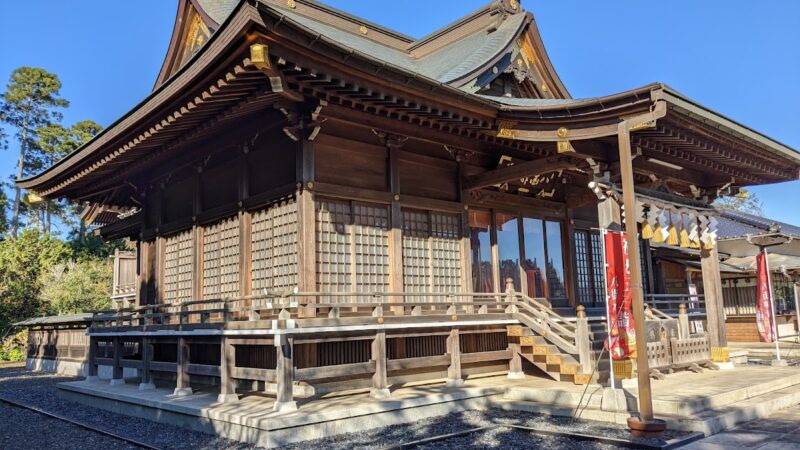
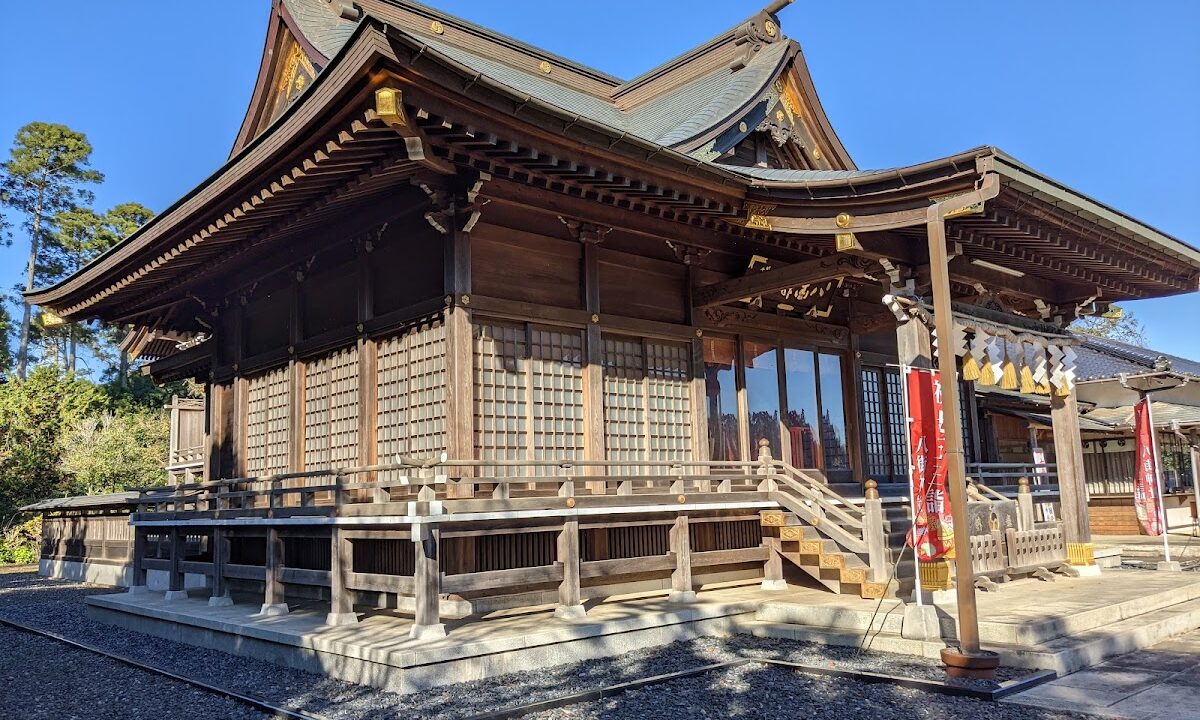
The worship hall of Yachimata Shrine is built in the traditional wooden shrine architectural style. Simple yet solemn, it functions as the center of local faith.
The main sanctuary enshrines the deities Susanoo-no-Mikoto, Ōkuninushi-no-Mikoto, and Inadahime-no-Mikoto, receiving the prayers of worshippers.
Barrier-Free Approach
As mentioned above, a major feature of Yachimata Shrine is its barrier-free grounds. The approach from the shrine to the worship hall is flat, making it easily accessible for wheelchair users and the elderly.
Of course, this feature also allows motorcyclists to enter, creating a valuable space where they can visit the shrine with their beloved vehicles.
Atmosphere of the Shrine Grounds
The grounds of Yachimata Shrine are located in a quiet environment, far removed from the hustle and bustle of the city. The surrounding area is a mix of residential and agricultural land, offering a peaceful rural landscape.
Trees are planted throughout the grounds, displaying different appearances with each season. Especially during the seasons of fresh greenery and autumn leaves, visitors can enjoy the beauty of nature while paying their respects.
Access and Basic Information
Location
Address: 217 Yachimata-he, Yachimata City, Chiba Prefecture
Phone Number
Phone Number: 043-444-0851
If you would like to check the opening hours of the shrine office or the availability of Goshuin (shrine stamps) before visiting, please call this number.
Access by Public Transportation
Nearest Station: JR Sobu Main Line “Yachimata Station”
Yachimata Shrine is approximately 2.7km in a straight line from Yachimata Station, about a 37-minute walk. Since the shrine is a short distance from the station, the following methods of access are recommended:
- Taxi: Approximately 10 minutes by taxi from Yachimata Station
- Local Bus: Take a local bus from Yachimata Station and walk from the nearest bus stop
- Rental Bicycle: Rent a bicycle near Yachimata Station (if available)
Access by Car/Motorcycle
Yachimata Shrine is easily accessible by car or motorcycle.
Access from Major Roads:
- Accessible from National Route 409
- Approximately 20 minutes from the Higashi-Kanto Expressway “Sakura IC”
- Approximately 25 minutes from the Chiba-Togane Road “Yamada IC”
Parking: Parking is available on the shrine grounds. As mentioned above, motorcycles can be driven up to the front of the main hall.
Visiting Hours
While the shrine grounds are generally open for free worship, the shrine office has limited hours. If you wish to obtain a Goshuin (shrine stamp) or other items, it is recommended to call in advance to confirm.
About Yachimata City
Overview of Yachimata City
Yachimata City is a regional city located in the north-central part of Chiba Prefecture, with a population of approximately 65,000. The unique place name “Yachimata” originates from a highway during the Edo period, as mentioned earlier.
Peanut Producing Area
Yachimata City is known as one of Japan’s leading peanut producing areas. Since land reclamation in the Meiji era, it has been discovered that the volcanic ash soil in this region is suitable for peanut cultivation, and now “Yachimata Peanuts” are branded as such.
When visiting Yachimata Shrine, we recommend purchasing local peanut-based products as souvenirs.
History and Culture
The history of Yachimata City truly begins with land reclamation projects in the Meiji era. This area, which had previously been a pasture for wild horses, was opened up as cultivated land under the policies of the Meiji government, attracting many settlers from all over Japan.
Yachimata Shrine was founded as a spiritual pillar for the pioneers and has a history intertwined with the development of the region. Even today, it remains an indispensable part of the history of Yachimata City.
Nearby Attractions
Yachimata City Local History Museum
Located about a 10-minute drive from Yachimata Shrine, the local history museum offers insights into the history and culture of Yachimata City. It features fascinating exhibits, including displays on land reclamation during the Meiji era and the history of peanut cultivation.
Peanut Direct Sales Outlets
There are numerous peanut direct sales outlets in Yachimata City. You can purchase fresh Yachimata-grown peanuts and processed peanut products. Why not stop by on your way back from visiting the shrine?
Nearby Shrines and Temples
Besides Yachimata Shrine, there are several other shrines and temples in Yachimata City. Visiting temples and shrines that have supported local faith, such as Kyakujin Shrine and Hikawa Shrine, would be an interesting experience.
Annual Events and Festivals
Grand Festival
Yachimata Shrine holds various festivals throughout the year. The Grand Festival, in particular, is an important local event and attracts many worshippers.
The Grand Festival includes a procession of the portable shrine and dedication ceremonies, providing an opportunity to reaffirm the unity of the local community.
New Year’s Visit
For the New Year’s visit, local people and their families visit the shrine. The shrine grounds are bustling with worshippers praying for safety and prosperity throughout the year.
Other Events
Various Shinto rituals, such as the Setsubun Festival and the Summer Purification Ceremony, are held throughout the year. It is recommended to inquire with the shrine in advance for detailed dates.
Shrine Visit Etiquette
Basic Shrine Visit Etiquette
When visiting a shrine, please observe the following basic manners.
- Bow before passing through the torii gate: As a sign of respect before entering the sacred area, bow before the torii gate.
- Purify yourself at the water basin: If there is a water basin, purify your hands and mouth.
- How to walk along the approach: The center of the approach is considered the path of the gods, so walk along the sides.
- Etiquette at the main hall: Two bows, two claps, and one bow are the basic rituals.
Precautions when visiting by motorcycle
Yachimata Shrine is a rare shrine where motorcycles are allowed, but please note the following:
- Turn off your engine before visiting
- Be considerate of other visitors
- Drive slowly within the shrine grounds and prioritize safety
- Take photographs with consideration for other visitors
Summary of Yachimata Shrine’s Charms
Yachimata Shrine is a valuable shrine that conveys the history of land reclamation during the Meiji era, and is cherished by local people as the guardian shrine of the region.
In recent years, Yachimata Shrine has also gained attention as a “riders’ shrine,” attracting popularity among motorcycle enthusiasts nationwide. Its historical background as a wild horse pasture and its barrier-free grounds have fostered a connection with modern-day motorcycles.
When visiting Chiba Prefecture, especially when touring around Yachimata City, be sure to stop by Yachimata Shrine. The tranquil atmosphere of this historic shrine, where you can pray for safe travels and daily peace, will surely be a memorable experience.
Yachimata Shrine, where local history and culture blend with modern rider culture, is sure to continue to be a beloved hidden gem in Chiba Prefecture.